Providing Best Services in Huntsville & Madison, AL


Follow us on Social.





Sep 1, 2026

3 MIN

Lawn Care
How Much Sun Does Zoysia Grass Need
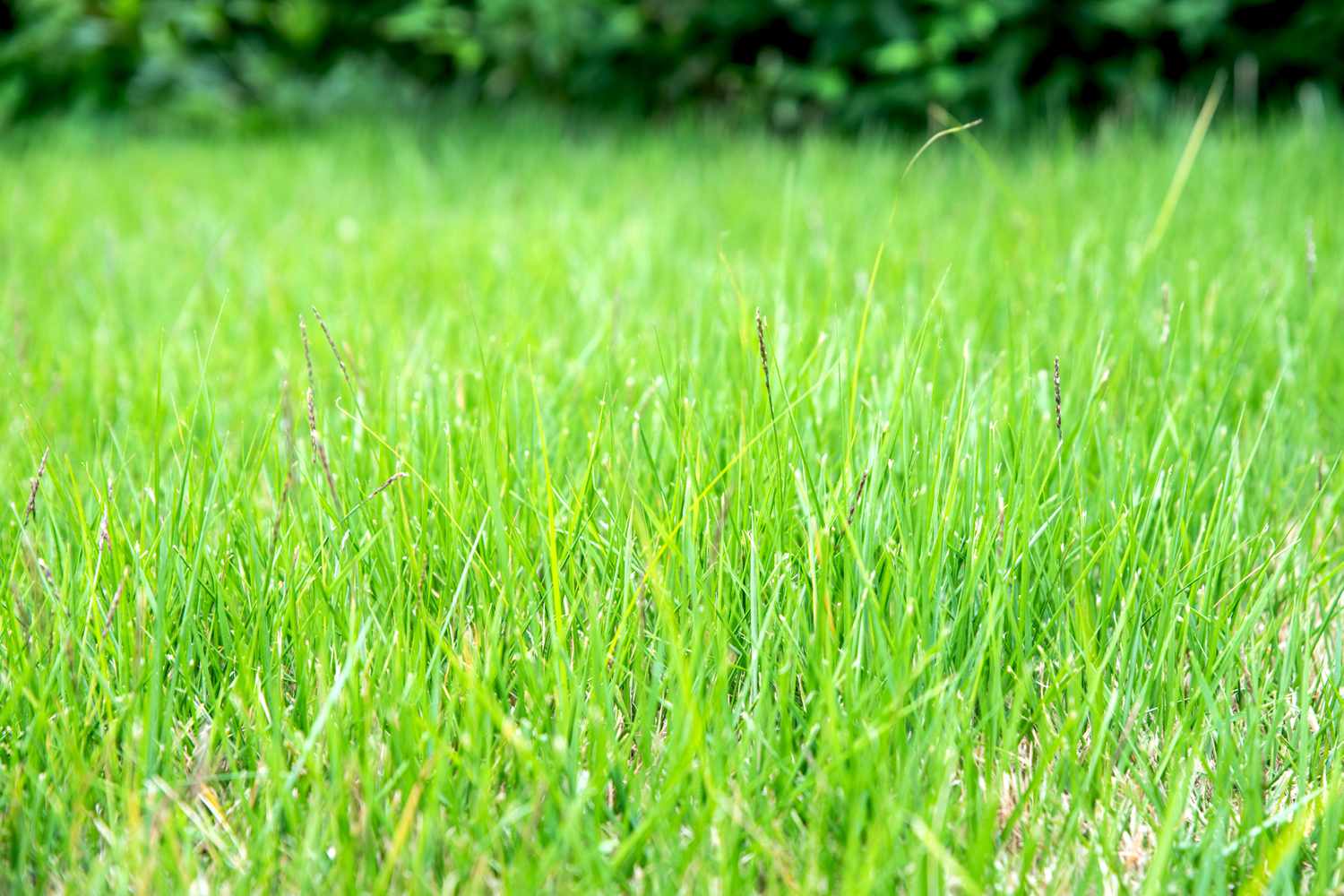
Zoysia grass needs 3 to 8 hours of direct sunlight per day depending on the variety. Shade-tolerant varieties like Zeon perform well with as little as 3 to 4 hours of direct sun, according to NG Turf and The Grass Store. Standard varieties like Empire and Meyer need 6 to 8 hours for dense, healthy growth, according to Bethel Farms. The sunlight your yard receives determines which zoysia variety will succeed, how dense the turf will grow, and how you should adjust mowing, watering, and fertilizing to match the light conditions. This guide covers the specific sun requirements for each major variety, how to measure your yard's sunlight, how to adjust care based on exposure, and what to plant where sun falls below zoysia's minimum threshold.
How Many Hours of Sun Does Zoysia Grass Need?
Zoysia grass needs a minimum of 3 hours of direct sunlight per day for the most shade-tolerant varieties and 6 to 8 hours for standard varieties. NG Turf states that zoysia tolerates shade with at least 4 to 5 hours of direct sunlight. Bethel Farms specifies that even the more resilient varieties need 6 to 8 hours to maintain their lush, dense growth at full potential. The gap between these figures reflects the difference between surviving and thriving. Zoysia survives at lower light levels but only thrives with consistent, adequate sun exposure.
Sunlight drives photosynthesis, the process through which grass converts light energy into the sugars it needs to produce new blades, stolons, and rhizomes. Reduced sunlight means reduced energy production, which slows growth, thins the canopy, and weakens the root system over time. Bethel Farms explains that zoysia's medium-width blades absorb filtered light reasonably well but are not optimized for low-light conditions the way broader-leaved grasses like St. Augustine are.
Among all the warm-season grass types available, zoysia sits in the middle of the sunlight spectrum. Bermudagrass needs 8 or more hours of full sun, according to Pennington. St. Augustine handles 4 to 6 hours of filtered light. Zoysia bridges the gap between these two, making it the most versatile warm-season option for yards that receive moderate to full sunlight.
How Much Sun Does Each Zoysia Variety Need?
Sunlight requirements differ significantly between zoysia varieties because Z. matrella species have finer blades that capture filtered light more efficiently than the coarser Z. japonica species. Professional landscape design matches the variety to your yard's measured light conditions rather than guessing based on general shade descriptions.
Sources: NG Turf, USA Sod, Bethel Farms, The Grass Store, Pennington
USA Sod reports that Zeon and Emerald tolerate up to 40% shade, which means they maintain healthy growth even when shade blocks nearly half the available sunlight throughout the day. Empire and Meyer lose density and color quickly when sunlight drops below 6 hours, making them poor choices for yards with mature trees or structures that cast afternoon shadows.
How to Measure How Much Sunlight Your Yard Gets
Measuring your yard's actual sunlight hours takes one full day of observation and gives you the data you need to choose the right variety. Walk your yard once per hour from 8 AM to 6 PM on a clear day. At each hour, note which areas receive direct sun, which receive filtered sun through tree canopies, and which sit in full shade. Mark each zone on a simple sketch of your property.
Count only direct sunlight hours for the minimum requirements listed in the table above. Filtered light, the dappled patches that move through a tree canopy, contributes to plant growth but at roughly half the intensity of direct sun. An area receiving 3 hours of direct sun plus 4 hours of filtered light through a canopy provides the equivalent of approximately 5 hours of effective sunlight.
Repeat the observation in both summer and winter if possible. The sun angle changes by 30 to 40 degrees between summer and winter solstice at Alabama's latitude. Areas that receive full sun in July may sit in shade from November through February as the sun tracks lower across the southern sky. Zoysia is dormant during winter, so winter shade does not affect growth directly, but the transitional months of March, April, October, and November determine how quickly the grass enters and exits dormancy.
How Zoysia Performs in Full Sun vs Partial Shade vs Filtered Light
Zoysia produces its densest, darkest, most resilient turf in full sun (6 or more hours of direct sunlight). Full-sun zoysia develops the thickest mat of stolons, rhizomes, and tillers, which naturally suppresses weeds and withstands heavy foot traffic. Professional lawn installation in full-sun areas produces visible results within weeks because the grass has the energy to root aggressively from day one.
Partial shade (4 to 6 hours of direct sun) produces thinner but still healthy zoysia, provided you select the right variety and adjust care practices. The turf stays green and functional but lacks the extreme density of full-sun zoysia. Partial shade zoysia spreads more slowly, requires less frequent mowing, and needs less nitrogen fertilizer because the grass produces less new growth per week.
Filtered light (sunlight passing through a tree canopy) supports zoysia growth at reduced intensity. An area receiving 4 to 6 hours of filtered light equals roughly 2 to 3 hours of direct-sun energy for the grass. Zeon and Emerald handle filtered light better than other varieties because their finer blades have a higher surface-to-volume ratio that captures available photons more efficiently. Zoysia growing in filtered light requires the most careful maintenance adjustment to stay healthy.
How to Care for Zoysia Based on Sun Exposure
Adjusting your care routine to match your yard's sun exposure prevents the most common causes of zoysia decline. The same care that produces a thick lawn in full sun can damage zoysia in partial shade. Follow these adjustments:
- Raise the mowing height in lower-light areas. Mow full-sun zoysia at 1 to 1.5 inches. Mow partial shade and filtered light zones at 2 inches. NG Turf confirms that higher mowing in shade areas gives the blades more surface area for photosynthesis, which compensates for the reduced light intensity.
- Reduce nitrogen fertilizer in shaded zones by 25 to 50%. NG Turf recommends 0.5 to 1 pound of nitrogen per 1,000 square feet annually for zoysia. Pennington's broader recommendation is 1 to 3 pounds. Full-sun areas can handle the higher end; shaded areas should receive the lower end. Excess nitrogen in shade pushes weak, leggy growth the grass cannot sustain.
- Water less frequently in shaded areas. Shade reduces evaporation, so soil stays moist longer. Overwatering in shade promotes fungal diseases, especially large patch. Soil amendment that improves drainage in shaded zones reduces the moisture conditions that encourage fungal growth.
- Prune tree canopies to increase light reaching the turf. Removing lower branches and thinning interior growth opens the canopy to allow more filtered light through. Arborists estimate that proper canopy thinning increases light at ground level by 30 to 50%.
- Aerate shaded areas annually. Compacted soil in shade restricts the already-weakened root system. Lawn aeration loosens the soil, improves air circulation at the root zone, and creates channels for water and nutrients to reach deeper soil layers.
- Reduce foot traffic in shaded zones. Zoysia in shade recovers from wear more slowly than zoysia in full sun because the grass produces less energy for repair. Route walkways and play areas to full-sun sections where the turf can handle the stress.
- Monitor for early signs of light stress. Thinning canopy, pale green color, elongated blades stretching toward light, and increased weed presence all indicate the grass is not receiving enough sunlight. Catching these signs early allows you to adjust before the turf declines past the point of recovery.
Can Zoysia Grass Get Too Much Sun?
Zoysia grass does not get too much sun under normal conditions because it evolved as a warm-season grass that thrives in direct sunlight and high temperatures. Zoysia performs best at air temperatures between 80 and 95 degrees Fahrenheit, according to NG Turf. Peak growth and density occur during the hottest months of summer when full-sun exposure is at its maximum.
Heat stress, which homeowners sometimes confuse with too much sun, occurs when extreme temperatures combine with insufficient water. Zoysia's deep root system, reaching 6 to 12 inches in healthy turf, provides excellent drought resistance. Pennington notes that zoysia stays green during short drought episodes and goes dormant rather than dying during prolonged dry periods, greening up quickly when irrigation resumes. Properties with chronic thinning despite adequate sunlight may have underlying soil or drainage issues rather than a sun problem. Dead gardens and declining turf in full-sun areas often trace back to compacted soil, poor drainage, or nutrient imbalances beneath the surface.
What to Plant If Your Yard Gets Less Sun Than Zoysia Needs
Areas receiving fewer than 3 hours of direct sunlight per day fall below the minimum threshold for any zoysia variety, including Zeon. These heavy-shade zones need a different approach:
- St. Augustine grass (Palmetto or CitraBlue varieties) handles 4 to 6 hours of filtered light and performs better than any zoysia in moderate shade. St. Augustine's wider blades, measuring 8 to 10 millimeters, capture more photosynthetic energy per hour of exposure than zoysia's 2-to-7-millimeter blades.
- Native groundcovers like mondo grass, liriope, or Asian jasmine thrive in 2 to 3 hours of filtered light and require no mowing. These plants stay green year-round in warm-climate zones and spread to form dense, weed-suppressing mats.
- Low-maintenance plants like native ferns, hostas, and heuchera turn heavily shaded areas into attractive garden beds that complement the zoysia lawn in sunnier sections of the yard.
- A bird-friendly garden under dense tree canopies transforms a problem shade zone into a landscape feature that adds ecological value and visual interest.
- Hardscape features like gravel paths, stepping stones, or a small patio give heavily shaded areas functional use without the frustration of struggling grass. A professional landscape design integrates these shade solutions into a cohesive yard plan.
Frequently Asked Questions
How Much Water Does Zoysia Grass Need?
Zoysia grass needs about 1 inch of water per week from rainfall and irrigation combined during active growth, according to NG Turf and Pennington. NG Turf recommends splitting that into two sessions of half an inch each. Water in the morning before the dew dries to reduce water loss and discourage fungal growth. During extreme heat, increase watering slightly. During dormancy, reduce to occasional deep soakings to prevent root desiccation.
How Often Does Zoysia Grass Need to Be Cut?
Zoysia grass needs to be cut every 10 to 14 days during peak growing season for most varieties. NG Turf's maintenance schedule shows mowing from April through October. Never remove more than one-third of the blade height in a single cut. Mow at 1 to 2 inches in full sun and up to 2 inches in partial shade. Zoysia's slow lateral growth compared to bermuda reduces the mowing frequency that keeps the lawn looking clean.
What pH Does Zoysia Grass Need?
Zoysia grass needs a soil pH between 5.8 and 7.0, with an optimal range of 6.0 to 6.5, according to ScottsMiracleGro and Pennington. A soil test through your local extension office determines whether your pH needs adjustment. Lime raises pH in acidic soils; sulfur lowers pH in alkaline soils. Correcting pH before planting gives zoysia the nutrient availability it needs for strong establishment.
Can Zoysia Survive in Full Shade?
No, zoysia cannot survive in full shade. No warm-season grass thrives below 3 hours of direct or filtered sunlight per day. Zoysia planted in full shade thins progressively, loses color, and eventually dies as the root system weakens from insufficient photosynthesis. Areas with full shade need groundcovers, shade-adapted plants, or hardscape solutions instead of turfgrass.
Does Zoysia Need More Sun Than Bermuda?
No, zoysia needs less sun than bermuda. Bermuda requires a minimum of 8 hours of full sun per day, according to Pennington and NC State Extension. Zoysia varieties range from 3 to 8 hours depending on the cultivar. Zeon zoysia handles as little as 3 to 4 hours, making it far more shade-tolerant than any bermuda variety available.
Putting It All Together
Zoysia grass needs 3 to 8 hours of direct sunlight per day, and the specific number depends on the variety you choose. Zeon thrives with 3 to 4 hours. Empire and Meyer need 6 to 8. Measuring your yard's actual sunlight hours, selecting the right variety for those conditions, and adjusting mowing height, fertilizer, and watering based on each zone's light exposure are the keys to a dense, healthy zoysia lawn that performs year after year. Full-sun areas produce the thickest turf with the least effort. Partial shade areas stay healthy with the right variety and lighter care. Heavy shade areas need different plants entirely.
If you want help measuring your yard's light, choosing the right variety for each zone, or installing zoysia where it has the best chance of thriving, White Shovel Landscapes can evaluate your property and build a plan matched to your yard's specific sun and shade conditions.
Call us at 256-612-4439 for a free estimate.


You May Also Like

Sep 12, 2026
3 min
How to Keep Landscape Edging Straight
Sep 11, 2026
3 min
How to Decorate a Patio: Ideas for 2025 and 2026
Sep 9, 2026
3 min
How to Trim Around Landscape Edging
Sep 7, 2026
3 min
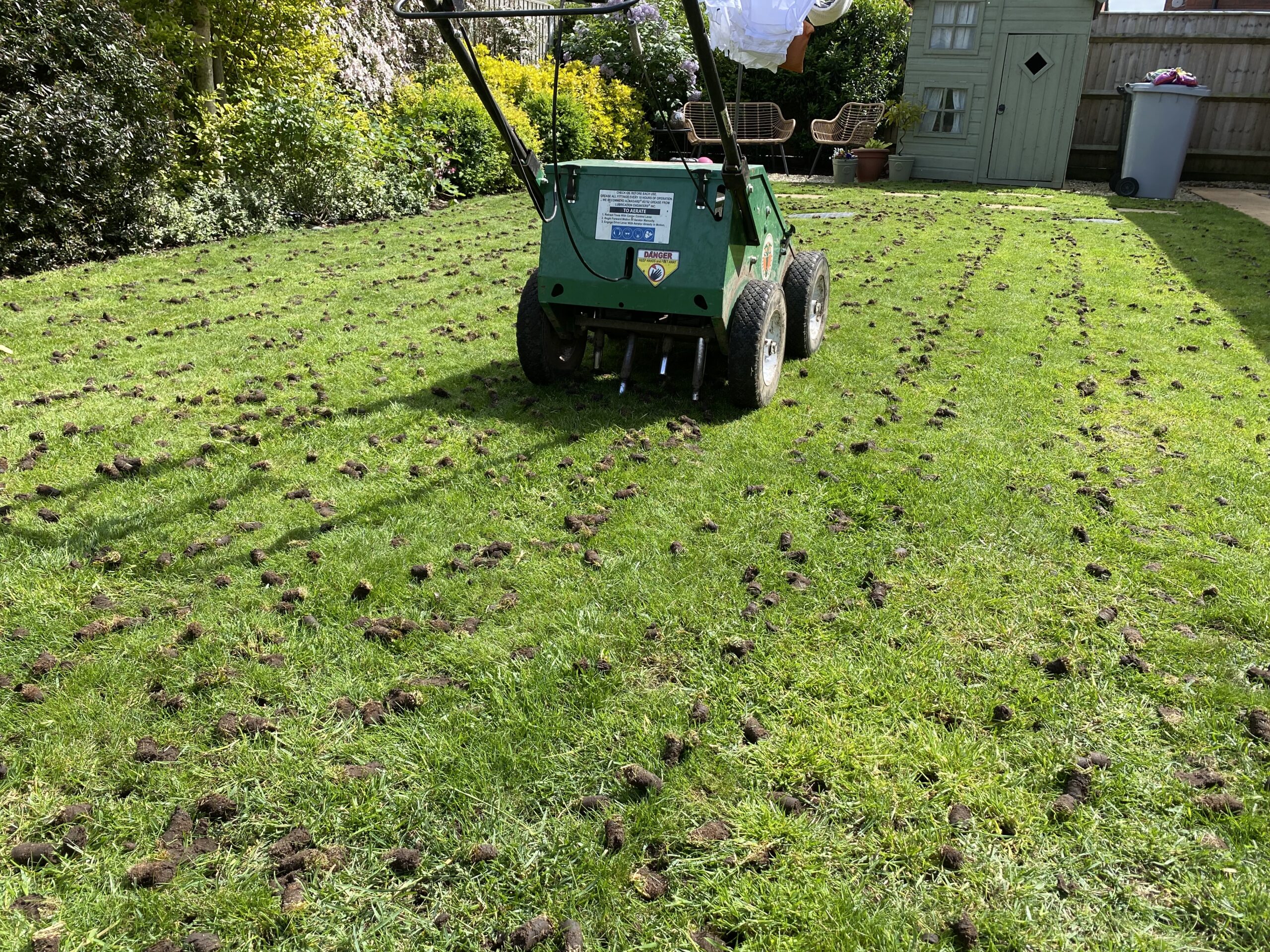
What Does a Lawn Look Like After Aeration
Have a Project in Mind?
If this post sounds like your yard, tell us about it. Request an estimate online or give us a call, and we’ll talk through what your property needs.



Transforming Huntsville & Madison yards since 2011 with expert landscape design, garden makeovers, mulching, and top-quality installations.


