Providing Best Services in Huntsville & Madison, AL


Follow us on Social.





Jun 10, 2026


Lawn Care
What Is Lawn Aeration and When Does Your Yard Need It
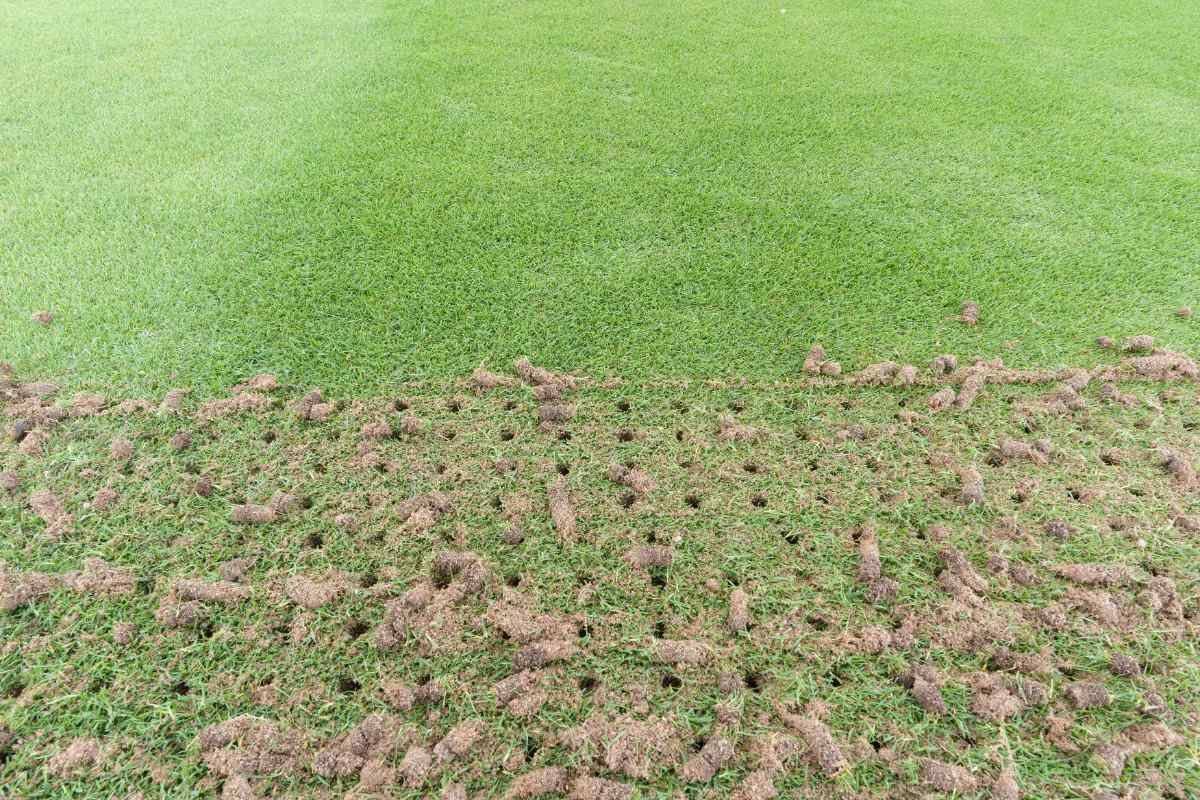
Lawn aeration is the process of creating small holes in your yard's soil to relieve compaction and allow air, water, and nutrients to reach the grass roots more easily. Most lawns benefit from aeration once or twice a year, and the best time to do it is during the active growing season for your specific grass type.
If your grass looks thin, water pools on the surface after rain, or your soil feels hard when you push a screwdriver into it, your yard is telling you it needs aeration. In this article, we explain exactly how aeration works, cover the different types, walk through when and how often to aerate, and answer the most common questions homeowners have about this simple but powerful lawn care practice.
What Is Lawn Aeration and Why Does It Matter?
Lawn aeration is a mechanical process that punches holes into the soil and removes small plugs of earth, creating channels that let air, water, and fertilizer reach the root zone. Over time, soil gets packed down from foot traffic, mowing, rain, and gravity. This packing, called compaction, squeezes out the tiny pore spaces between soil particles that roots need for oxygen and moisture. When those pore spaces disappear, grass suffers.
According to Penn State Extension, a compacted layer as thin as 1/4 to 1/2 inch at the soil surface can greatly reduce water infiltration and oxygen exchange. That means even mild compaction has real consequences. Iowa State University Extension confirms that aeration relieves soil compaction, improves water and nutrient movement, prevents thatch buildup, and results in a healthier, more vigorous lawn overall.
The science is simple. Grass roots need three things from the soil: air, water, and nutrients. Compaction blocks all three. Aeration restores access to all three. That is why turf scientists at universities across the country, from Purdue to UMass Amherst to the University of Nebraska, all list aeration as one of the most beneficial cultural practices for maintaining healthy turfgrass. Healthy soil is the foundation of every great lawn, and aeration is one of the fastest ways to improve it. Professional soil amendment programs often start with aeration as the first step.
How Do I Know If My Yard Needs to Be Aerated?
You know your yard needs to be aerated if you notice any of these signs: water pooling on the surface after rain, grass thinning in high-traffic areas, soil that feels rock-hard underfoot, heavy thatch buildup, or a screwdriver that will not push easily into the ground.
The screwdriver test is the simplest diagnostic. Push a standard screwdriver into your soil after a light rain. If it slides in easily to a depth of 3 to 4 inches, your soil is in decent shape. If it stops at 1 to 2 inches or you have to push hard, your soil is compacted and needs aeration. This test works because compacted soil has higher density and fewer air pockets, which physically resists penetration.
Thatch is another clear indicator. Thatch is the layer of dead grass stems, roots, and debris that builds up between the green blades and the soil surface. According to Scotts, a half-inch of thatch is normal and even beneficial because it insulates the soil and retains moisture. But once thatch exceeds 3/4 inch, it starts blocking water, air, and fertilizer from reaching the roots. The University of Wisconsin Extension warns that thatch over 1 inch deep can contribute to powdery mildew and other lawn problems. Core aeration breaks through this layer and speeds up its natural decomposition.
Yards with standing water after normal rainfall are almost always dealing with compaction. The water has nowhere to go because the soil cannot absorb it fast enough. Aeration opens up channels for that water to move through, which is one of the quickest ways to improve surface drainage without major regrading work.
What Month Is the Best Time to Aerate Your Lawn?
The best month to aerate your lawn depends on your grass type. For warm-season grasses like Bermuda and Zoysia, the best time is late spring to early summer, typically May through June, when soil temperatures are consistently above 65 degrees Fahrenheit. For cool-season grasses like fescue and bluegrass, early fall in September is the ideal window.
Clemson University's Home and Garden Information Center and Texas A&M Extension both recommend aerating warm-season grasses during their peak growth period so the turf recovers quickly. Purdue University's turfgrass science program states that aeration should be conducted anytime the turf is healthy enough to recover and grow back, and the lawn needs at least 3 to 4 weeks of active growth after aeration for proper recovery.
In the Huntsville and Madison area, Bermuda and Zoysia lawns typically green up fully by late April to early May. That puts the ideal local aeration window between May and June. Aerating too early in spring, before the grass is actively growing, leaves open holes that weeds can colonize. Penn State turfgrass specialist Peter Landschoot has warned that spring aerating can bring weed seeds to the surface and create open spots where they take root easily. Timing matters more than most people think.
When Should You Not Aerate Your Lawn?
You should not aerate your lawn when the grass is dormant, during extreme heat, in the middle of a drought, or when the soil is either bone dry or soaking wet. Aerating during dormancy damages the turf without giving it any ability to recover. The grass just sits there with open wounds in the soil, exposed to weeds, disease, and moisture loss.
For warm-season grasses in Alabama, avoid aerating between November and March when the grass is dormant or transitioning. Avoid midsummer aeration during July and August heat waves as well, since the stress of aeration combined with extreme heat can set the lawn back rather than help it. Dry, hard soil also resists aerator tines, resulting in shallow, ineffective holes. The UMass Amherst turfgrass program notes that aerating very dry soil can limit tine penetration to less than 1 inch, which is not deep enough to make a meaningful difference. Always water the lawn a day or two before aerating so the soil is moist and workable.
Which Type of Lawn Aeration Is Best?
The best type of lawn aeration is core aeration, also called plug aeration. Core aeration uses a machine with hollow tines to pull actual plugs of soil out of the ground, leaving behind open holes that relieve compaction and allow air, water, and nutrients to flow directly to the roots. This is the method recommended by virtually every university turfgrass program in the country.
The alternative is spike aeration, which uses solid tines or spikes to poke holes into the soil without removing any material. Spike aeration is cheaper and easier, but the results are short-lived and can actually make compaction worse. When solid spikes push into the ground, they compress the soil around the hole rather than removing it. Over time, the holes close up and the compacted zone is even denser than before.
Here is a side-by-side comparison of the two methods.
FeatureCore AerationSpike AerationHow It WorksHollow tines remove soil plugsSolid tines poke holes without removing soilCompaction ReliefLong-lasting; physically removes compacted soilShort-term; can worsen compaction over timeHole Depth2 to 4 inches1 to 2 inchesThatch ReductionYes; plugs break down and mix organic matter into thatchMinimal; does not address thatch layerRecovery Time2 to 4 weeks for holes to fill inHoles close within daysBest ForModerate to heavy compaction; clay soils; annual maintenanceLight compaction; sandy soils; quick spot treatmentResults DurationSeveral monthsA few weeks
Sources: Iowa State University Extension, Penn State Extension, Purdue University Turfgrass Science, UMass Amherst CAFE
If you are only going to aerate once a year, core aeration is the clear choice. The plugs left on the surface break down within a week or two and return nutrients to the soil as they decompose. A healthy landscape design plan includes annual aeration as a core maintenance practice.
What Is Better, Plugging a Yard or Aerator?
Plugging a yard and aerating a yard are the same thing when you use a core aerator. A core aerator is a plug aerator. It uses hollow tines to pull plugs (also called cores) from the soil. There is no difference between the two terms. "Plugging" simply describes what the machine does, and "aerating" describes the benefit the lawn receives.
If the question is whether manual plugging tools are better than motorized aerators, the answer depends on lawn size. For small patches under 500 square feet, a manual plug tool or step-on aerator works fine. For anything larger, a gas-powered or tow-behind core aerator covers ground faster and pulls deeper, more consistent cores. According to Kansas State Research and Extension, motorized aerators typically penetrate 2 to 3 inches deep, which is the depth needed for meaningful compaction relief.
What Is Better for Your Lawn, Dethatching or Aerating?
Whether dethatching or aerating is better for your lawn depends on the specific problem. Aerating is better for relieving soil compaction and improving root growth. Dethatching is better for removing a thick layer of dead organic material from the surface. In many cases, doing both in the same season gives the best results.
Aeration addresses what is happening below the surface. It opens up the soil so roots can breathe and grow deeper. Dethatching addresses what is happening at the surface level. It strips away the spongy layer of dead stems and roots that sits between the green grass and the soil. According to Scotts, a thatch layer thicker than 3/4 inch starts causing problems like poor drainage, increased pest pressure, and reduced fertilizer effectiveness.
If your thatch is under 1/2 inch, you probably do not need to dethatch. Aeration alone may be enough because the soil cores that break down on the surface help accelerate natural thatch decomposition. If your thatch is over 3/4 inch, dethatch first, then aerate. This one-two punch clears the surface barrier and opens up the soil underneath, giving your grass the best possible growing environment. Lawns suffering from both thatch and compaction often show signs of muddy patches because water cannot move through either layer properly.
How Long Does It Take to See Results from Lawn Aeration?
It takes about 4 to 6 weeks to see noticeable results from lawn aeration. Within the first week, the soil plugs on the surface will start breaking down. Within 2 to 3 weeks, you may notice the grass color improving as roots gain better access to nutrients and water. By 4 to 6 weeks, the lawn will look thicker, greener, and more uniform.
The timeline depends on how compacted the soil was before aeration and how well the lawn is maintained afterward. Lawns that receive fertilizer and consistent watering after aeration recover the fastest. According to Purdue University, aeration combined with overseeding provides one of the strongest benefits because the aeration holes create an ideal seedbed for new grass to establish. If you are trying to thicken up a thin lawn, aerating and overseeding at the same time is one of the most effective moves you can make.
Long-term results are even more impressive. A lawn that is aerated annually develops deeper root systems, better drought tolerance, improved drainage, and fewer disease problems over time. The USDA Natural Resources Conservation Service reports that each 1% increase in soil organic matter allows the ground to hold roughly 20,000 additional gallons of water per acre. Aeration improves organic matter cycling by mixing surface thatch back into the soil, gradually building a healthier soil profile year after year.
How Many Passes Should You Make With an Aerator?
Make two passes with a core aerator, the second at right angles to the first. One pass leaves strips of untouched soil between the rows of holes; the crossing pass fills them in. A heavily compacted spot, such as a path the dog wears along the fence, can take a third pass.
Liquid aeration products are sprayed on the surface and remove no soil, so they are not a substitute for a core aerator on compacted clay. If the screwdriver test says your soil is tight, pull cores.
Should I Mow Before Aerating?
Yes, you should mow before aerating. Cutting the grass shorter than your normal mowing height, about 1 to 1.5 inches for Bermuda, makes it easier for the aerator tines to penetrate the soil and pull clean cores. Tall grass can interfere with the machine and reduce the depth and quality of the aeration holes.
Mow 1 to 2 days before aerating, and water the lawn lightly the day before. The combination of short grass and moist soil creates the ideal conditions for the aerator to do its job. Dry, hard soil resists the tines, and soggy soil creates messy, shallow holes that close up quickly. You want the soil damp enough that the tines slide in smoothly but firm enough to hold the shape of the hole after the core is pulled.
Do You Put Topsoil Down After Aerating?
Yes, you can put topsoil down after aerating, especially if you are overseeding at the same time. A thin layer of topsoil or compost, about 1/4 inch, spread over the aerated lawn fills the holes with nutrient-rich material and creates the perfect seedbed for new grass. This technique is called topdressing, and it is one of the most effective follow-up steps after aeration.
Topdressing after aeration helps in three ways. It improves soil structure by adding organic matter directly into the root zone through the aeration holes. It protects grass seed from drying out and being eaten by birds. And it smooths minor surface irregularities in the lawn. According to the USDA, organic matter is the key driver of nutrient cycling, water retention, and microbial activity in soil, so adding even a small amount after aeration has a compounding benefit over time. If your soil is struggling, a full soil repair program that includes aeration, topdressing, and overseeding can transform a tired lawn in a single season.
What Are the Most Common Lawn Aeration Mistakes?
The most common lawn aeration mistakes are aerating at the wrong time of year, skipping soil moisture prep, not making enough passes, ignoring the underlying cause of compaction, and leaving the cores in piles instead of letting them break down naturally.
Aerating during dormancy. This is the biggest mistake. If your grass is not actively growing, the aeration holes become entry points for weeds and disease instead of recovery channels for roots. Always aerate during peak growth for your grass type.
Aerating dry soil. Hard, dry soil resists the aerator tines. The UMass Amherst turfgrass program warns that tine penetration in dry soil may drop to less than 1 inch, which is too shallow to help. Water the lawn a day or two before aerating for the best results.
Making only one pass. A single pass with a core aerator leaves too much untreated soil between the holes. Most professionals make at least two passes in a crisscross pattern to provide thorough coverage. The goal is to have aeration holes spaced 2 to 4 inches apart across the entire lawn.
Raking up the cores. The plugs of soil left on the surface after aeration are not trash. They break down within 1 to 2 weeks and return valuable nutrients and microorganisms to the lawn. Raking them up removes that benefit. Let them sit, and they will disappear on their own. Running a mower over them after they dry can help break them up faster.
Not fixing the root cause. If your lawn is compacted because of a drainage problem or heavy traffic pattern, aeration alone will only provide temporary relief. You need to address the source of the compaction. Redirecting foot traffic with a path, improving drainage around your property, or adding stepping stones can prevent compaction from building back up.
What Happens After You Aerate Your Lawn
After you aerate your lawn, the open holes begin working immediately. Water soaks in instead of running off. Oxygen flows to roots that have been starving for air. Fertilizer reaches the root zone directly instead of sitting on the surface. Within days, the soil starts loosening around the holes, and roots begin pushing deeper into the ground.
The soil plugs on the surface dry out, break apart, and filter back into the lawn within about 1 to 2 weeks. This process naturally adds a thin layer of topdressing to the turf and helps break down thatch by introducing soil microorganisms to the thatch layer. It is a self-correcting cycle that improves every year with consistent aeration.
If you overseed after aerating, the timing could not be better. The aeration holes give grass seed direct contact with the soil, protection from wind and birds, and a moisture-rich microenvironment that speeds up germination. According to the University of Nebraska turfgrass program, aerating before reseeding provides a strong benefit by promoting a good seedbed and allowing turfgrass to establish faster. For homeowners looking to thicken up their turf, choosing the right grass types for the region and overseeding into freshly aerated soil is one of the highest-return investments you can make in your yard.
Proper aftercare matters too. Water the freshly aerated lawn every 2 to 3 days for the first 2 weeks, according to Scotts. Apply a balanced fertilizer to feed the grass as it takes advantage of the improved soil conditions. Stay off the lawn as much as possible for the first 3 to 4 weeks so the new root growth is not crushed. Lawns struggling with yard erosion in sloped sections often see significant improvement after aeration because the deeper root growth anchors the turf more firmly to the soil.
How Often Should You Aerate Your Lawn?
Most lawns should be aerated once a year. Lawns with heavy clay soil, high foot traffic, or chronic compaction problems benefit from aerating twice a year. Yards with sandy, loose soil and minimal traffic may only need aeration every other year.
Kansas State Research and Extension recommends that soils with heavy activity be aerated more than twice a year, while other soils should be aerated at least once. For the average homeowner with a Bermuda or Zoysia lawn in North Alabama, once a year in late spring is the sweet spot. If your yard doubles as a playground, pet run, or entertainment space, a second aeration in early fall can help the soil recover from summer traffic.
The key is consistency. A single aeration event provides noticeable improvement, but the real gains come from doing it every year. Each season of aeration builds on the last, gradually deepening the root zone, improving water-holding capacity, and strengthening the turf against drought, disease, and weed pressure. Think of it like changing the oil in your car. You do it regularly not because something is broken, but because it keeps everything running better for longer.
Frequently Asked Questions
Can You Aerate Too Much?
Yes, you can aerate too much. Over-aerating stresses the turf by creating too many wounds for the grass to heal at once, which can thin the lawn and invite weeds. For most home lawns, once or twice a year is plenty. High-use turf like sports fields may be aerated more often, but residential yards rarely need more than two sessions per year.
Does Aeration Help with Standing Water?
Yes, aeration helps with standing water by improving the soil's ability to absorb rainfall. The holes created during core aeration act as channels that pull surface water down into the root zone instead of letting it pool on top. For yards with chronic drainage issues, aeration is a good first step, but a full drainage assessment may be needed if the problem persists.
Should I Water My Lawn After Aeration?
Yes, you should water your lawn after aeration. Water helps settle the disturbed soil, delivers moisture directly to the root zone through the open holes, and supports any seed or fertilizer you applied after aerating. Scotts recommends watering the newly aerated lawn every 2 to 3 days for the first couple of weeks to support recovery.
Can I Aerate My Lawn Myself?
Yes, you can aerate your lawn yourself by renting a core aerator from a local equipment rental center. Most gas-powered walk-behind aerators cost between $50 and $100 per day to rent. For small yards, a manual step-on core aerator works well. For larger lawns, the motorized walk-behind machine saves significant time and effort.
Does Aeration Help with Weed Control?
Aeration indirectly helps with weed control by promoting thicker, healthier grass that crowds weeds out naturally. A dense, well-rooted lawn is the best defense against weeds because it leaves no open soil for weed seeds to establish. However, aerating at the wrong time can temporarily increase weed pressure by exposing bare soil. That is why timing matters so much.
Is It Worth Aerating a Small Yard?
Yes, it is worth aerating a small yard. Compaction affects lawns of every size, and small yards often experience more compaction per square foot because the same foot traffic is concentrated over a smaller area. A manual plug aerator handles small yards efficiently without the need to rent a gas-powered machine.
What It All Comes Down To
Lawn aeration is one of the simplest, most effective things you can do for your yard. It relieves compaction, improves drainage, strengthens root growth, and sets the stage for a thicker, healthier lawn that holds up better against heat, drought, and disease. The process takes a few hours, the results last for months, and the long-term payoff of doing it consistently year after year is a yard that looks and performs noticeably better than one that never gets this basic care.
If your lawn feels hard underfoot, water sits on the surface after rain, or your grass just will not thicken up no matter what you do, soil testing and aeration are the right place to start. The team at White Shovel Landscapes can evaluate your soil, recommend the right approach, and help your lawn reach its full potential.



You May Also Like

Sep 12, 2026
3 min
How to Keep Landscape Edging Straight

Sep 11, 2026
3 min
How to Decorate a Patio: Ideas for 2025 and 2026
Sep 9, 2026
3 min
How to Trim Around Landscape Edging
Sep 7, 2026
3 min
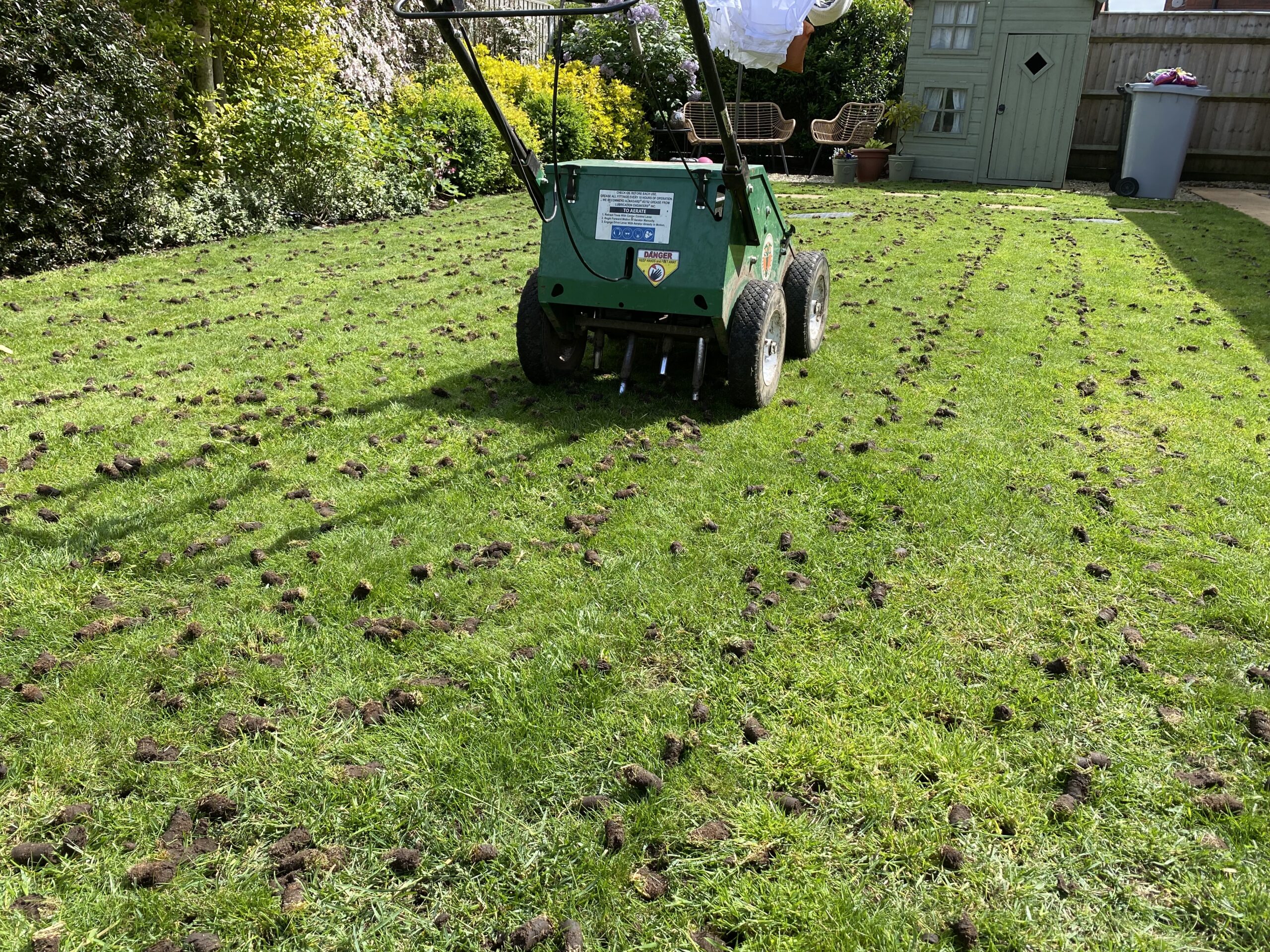
What Does a Lawn Look Like After Aeration
Have a Project in Mind?
If this post sounds like your yard, tell us about it. Request an estimate online or give us a call, and we’ll talk through what your property needs.




Transforming Huntsville & Madison yards since 2011 with expert landscape design, garden makeovers, mulching, and top-quality installations.


