Providing Best Services in Huntsville & Madison, AL


Follow us on Social.





May 18, 2026

3 Min

Landscape Maintenance
French Drain Installation for Residential Yards
A French drain is a gravel-filled trench with a perforated pipe that redirects water away from your yard and foundation. French drain installation for residential yards is one of the most effective ways to fix standing water, prevent erosion, and protect your home from costly water damage. According to the National Weather Service, Huntsville, Alabama receives about 55 inches of rain per year, which is 45% more than the national average of 38 inches.
That heavy rainfall, combined with the dense red clay soil found across North Alabama, makes proper yard drainage a must for local homeowners. This guide covers everything you need to know about French drains, from how they work and how deep to dig, to what gravel to use and when to call a professional.
How Does a French Drain Work in a Residential Yard?
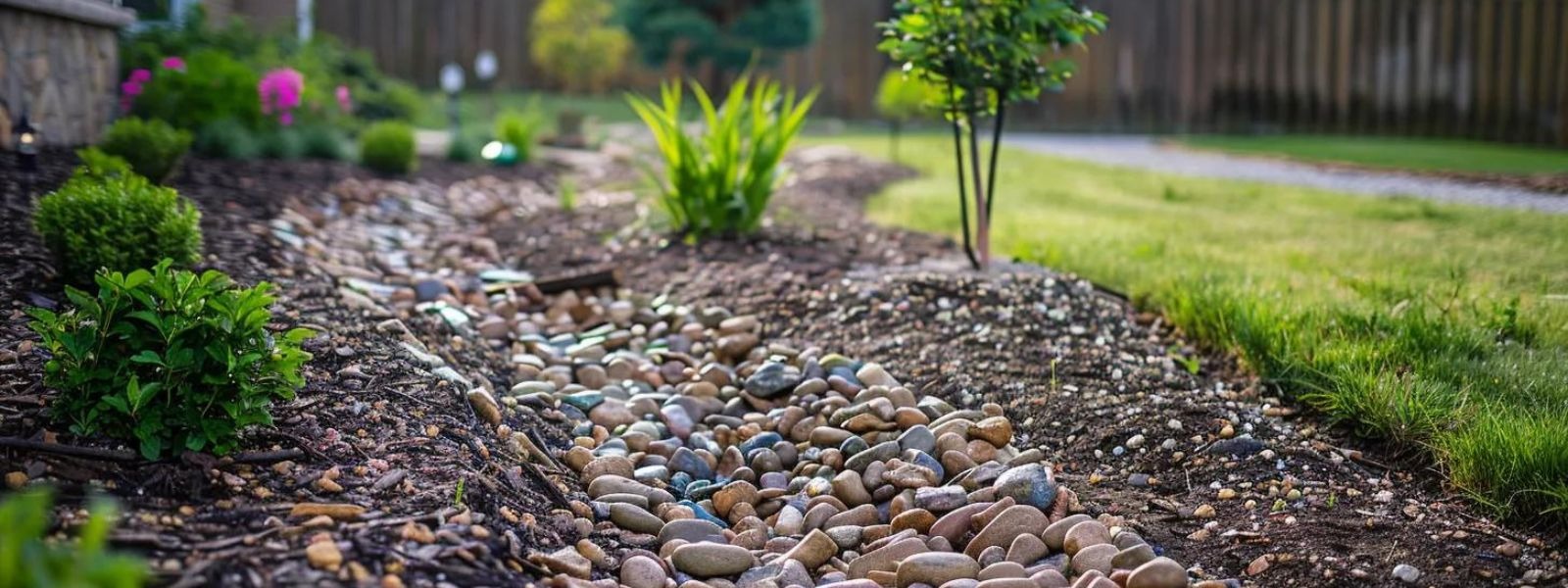
A French drain works in a residential yard by collecting water that pools on the surface or sits below the ground and moving it through a sloped trench to a safe exit point. The trench is lined with landscape fabric, filled with gravel, and fitted with a perforated pipe at the bottom. Water enters the trench through the gravel, seeps into the pipe through small holes, and flows downhill to a designated discharge area like a dry well, a storm drain, or a lower section of the property.
The system uses gravity to do all the heavy lifting. According to the U.S. Department of Transportation's Pipeline and Hazardous Materials Safety Administration, homeowners should always call 811 before digging to have underground utilities marked. This free service typically responds within 48 hours. The concept itself dates back to 1859 when Henry Flagg French of Concord, Massachusetts first described the system in his book "Farm Drainage."
French drains differ from surface drains because they collect water along the entire length of the trench, not just at one spot. This makes them ideal for homeowners in Madison, Alabama and surrounding areas who deal with widespread pooling across large sections of their yard after every storm.
How Deep to Bury a French Drain Around a House?
The depth to bury a French drain around a house is typically 18 to 24 inches for most residential yard drainage needs. Surface drains that handle rainwater pooling can work at depths of 12 to 18 inches. Subsurface drains that target groundwater and deep soil moisture need 18 to 24 inches or deeper, depending on the water table and soil conditions.
For foundation protection, the drain must be installed below the base of the foundation footing. According to drainage specialists, this often requires depths of 2 to 3 feet for slab foundations and even deeper for homes with basements. In North Alabama, where the frost line is relatively shallow compared to northern states, most residential drainage solutions do not require extreme depths to avoid freeze-related failures.
The trench width for residential applications usually measures 8 to 12 inches wide, according to NDS, a leading manufacturer of drainage products. A 4-inch diameter perforated pipe is adequate for most residential French drains in the Huntsville area.
How Do I Install a French Drain in My Yard?
You install a French drain in your yard by digging a sloped trench, lining it with landscape fabric, adding a base layer of gravel, laying a perforated pipe, covering it with more gravel, and then wrapping the fabric over the top. The pipe must slope at least 1% downhill, which equals a 1-inch drop for every 8 to 10 feet of length. This slope keeps the water flowing toward the exit point and prevents it from sitting inside the pipe.
Here is the basic step-by-step process. First, plan the route from the wet area to the discharge point. Second, call 811 to have underground utilities marked. Third, dig a trench that is 18 to 24 inches deep and 8 to 12 inches wide. Fourth, line the trench with non-woven geotextile fabric. Fifth, add 2 to 3 inches of washed gravel at the bottom. Sixth, lay the 4-inch perforated pipe with holes facing down. Seventh, cover the pipe with gravel until the trench is nearly full. Eighth, fold the fabric over the top of the gravel to seal it. Finally, cover with topsoil or decorative stone.
Homeowners in Huntsville should be aware that the red clay soil common across Madison County makes digging significantly harder than in sandy or loamy areas. According to the Alabama Cooperative Extension System, soils in the Tennessee Valley region are primarily red clayey soils derived from limestone. These clay soils retain water and resist percolation, which is exactly why French drains are so important here.
Do You Put Gravel Under a Pipe for a French Drain?
Yes, you put gravel under a pipe for a French drain. A 2 to 3 inch base layer of gravel should sit beneath the perforated pipe to create a stable bed and allow water to flow freely around the pipe. According to NDS, the gravel component serves multiple functions beyond water collection. It filters sediment that could clog the pipe, provides structural support to prevent soil collapse, and creates space for water to move efficiently.
The best gravel for a French drain is hard, round stone like washed river rock or granite chips, ideally 1 inch or larger in size. Pea gravel is not recommended because it packs too tightly and can clog with silt over time. For a typical French drain that is 10 inches wide and 12 inches deep with a 4-inch pipe, you need about 0.72 cubic feet of gravel per linear foot of drain, according to construction calculators.
Homeowners across the Madison, Alabama area who are dealing with standing water problems often find that proper gravel selection makes the difference between a drain that lasts decades and one that fails within a few years.
What Are the Downsides of a French Drain?
The downsides of a French drain include the potential for clogging over time, the need for annual maintenance, disruption to your yard during installation, and the possibility of failure if installed incorrectly. Without proper landscape fabric and gravel, silt and debris can enter the pipe and block water flow within just a few years.
According to Angi, neglecting maintenance can shorten a French drain's lifespan to as little as 5 to 10 years, compared to 30 to 40 years with proper care. Tree roots are another common problem. Roots can grow into the perforated pipe and clog the system, so drains should not be installed near large trees when possible.
French drains also require adequate slope to function. If your property is perfectly flat, you may need to dig progressively deeper to create the necessary grade, which adds labor and cost. Clay soils like those found in Huntsville, Alabama also make installation harder because they resist digging and drain poorly around the system. However, these same clay soils are precisely why French drains are so effective here, as they provide a defined channel for water that otherwise has nowhere to go.
Does a French Drain Need to Be Sloped?
Yes, a French drain needs to be sloped. Without a downhill slope, water will not flow through the pipe and will simply pool inside the trench. Most drainage experts recommend a minimum slope of 1%, which means the pipe drops 1 inch for every 8 to 10 feet of length. Some experts recommend a 2% minimum slope for corrugated plastic pipe.
According to NDS, slope is the single most critical factor in a French drain that works properly. A deep hole that is perfectly flat is useless because gravity cannot move water to the discharge point. Before digging, professionals use a laser level or string level to map the grade across the entire trench route.
Many homeowners dealing with yard erosion in Huntsville find that combining proper slope with a French drain system not only removes standing water but also prevents soil from washing away during heavy spring storms.
What Size Pipe Is Best for a French Drain?
The best pipe size for a French drain is 4 inches in diameter for most residential applications. A 4-inch perforated pipe provides enough capacity to handle typical residential water volumes while keeping the trench width manageable. According to NDS, areas that experience heavy soil saturation or collect large amounts of water may need a larger-diameter pipe, such as 6 inches.
There are two main pipe materials to choose from: corrugated plastic and rigid PVC. Corrugated pipe is flexible and easier to install around curves, but it can crush under heavy loads and collect debris in its ridges. Rigid PVC pipe is stronger and smoother on the inside, which helps water flow faster and reduces clogging. However, PVC can crack from frost heave or ground movement over time.
For residential French drains in the Huntsville area, a 4-inch rigid PVC pipe with perforations is the most commonly recommended option by local drainage professionals. It balances durability, flow capacity, and cost for typical yard drainage needs.
What Is the Best Backfill for a French Drain?
The best backfill for a French drain is clean, washed gravel or crushed stone that is at least 1 inch in size. This size creates plenty of open space between the stones for water to pass through quickly. According to drainage experts, round stones like washed river rock perform better than angular crushed stone because they create more consistent void spaces.
Different gravel sizes serve different functions within the trench. Smaller stones go closer to the pipe to filter fine particles, while larger stones sit closer to the surface to allow rapid water entry. A typical French drain uses anywhere from 0.5 to 1 cubic foot of gravel per linear foot of trench, depending on the trench width and depth.
The gravel layer also provides thermal mass that helps prevent freezing in cold weather, according to research from Green Bay Landscapes. For homeowners in Madison, Alabama, this is less of a concern than in northern climates, but it still matters during occasional freezing temperatures in January and February.
Can You Bury a French Drain With Dirt?
Yes, you can bury a French drain with dirt. Many homeowners choose to cover the gravel with a layer of topsoil and then plant grass over it so the drain is completely hidden. The key is to wrap the gravel in geotextile fabric first so that soil does not wash down into the gravel and clog the system.
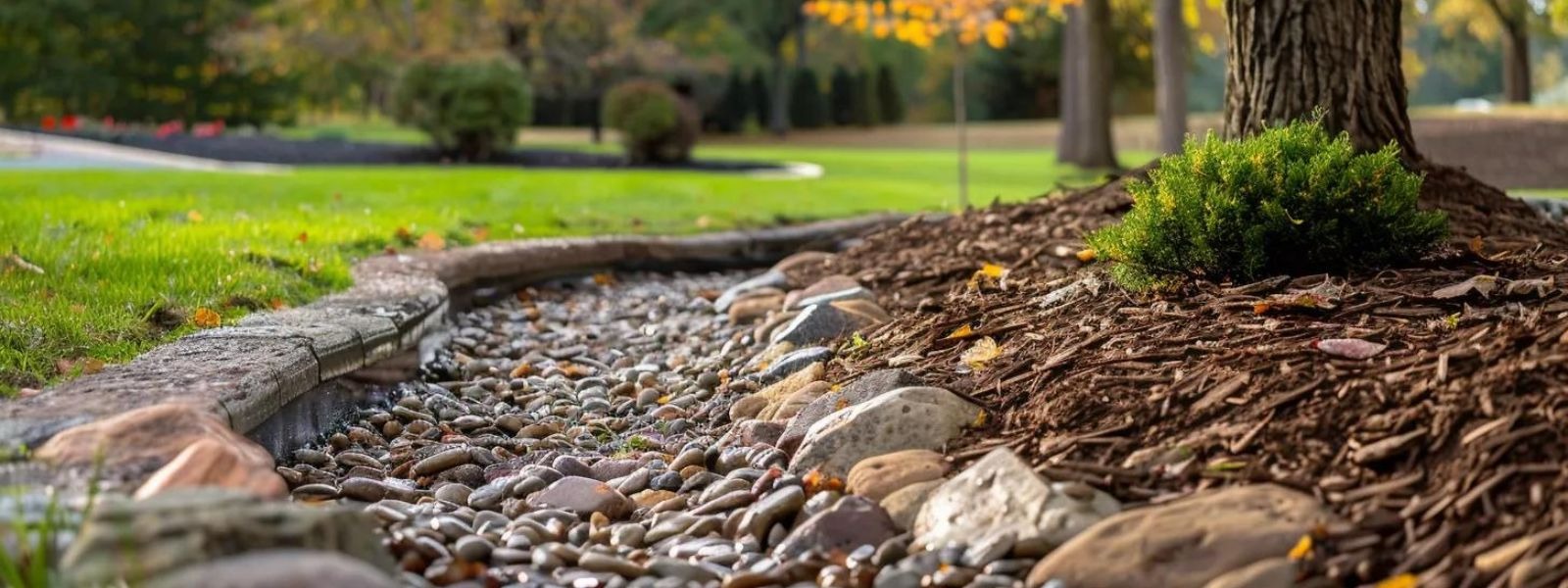
A covered French drain is sometimes called a curtain drain. According to Wikipedia's documentation on French drain types, a curtain drain does not extend to the surface and is covered by soil where turf grass or other plants can grow. This makes the drain invisible once the grass fills in, which is important for homeowners who want landscaping design that looks clean and polished.
However, covering a drain with dirt does make inspection and maintenance slightly harder. You will not be able to see clogs or damage without digging. That is why proper installation with quality materials is even more important for buried French drains.
How Much Gravel Do I Need for a 50 Ft French Drain?
For a 50-foot French drain with a typical trench width of 10 inches and depth of 12 inches using a 4-inch pipe, you need approximately 36 cubic feet of gravel, which equals about 1.3 cubic yards. This estimate comes from standard construction calculations based on trench volume minus pipe volume.
A cubic yard of gravel weighs roughly 2,800 pounds, so a 50-foot French drain requires about 3,640 pounds of gravel total, or nearly 2 tons. Most landscape supply companies sell gravel by the ton or cubic yard. According to industry data, gravel prices vary by type, with washed river rock typically costing more than standard crushed stone.
Planning gravel quantities accurately is important for homeowners in Huntsville because delivery charges can add up quickly if you run short and need a second load. Adding a 10% waste factor to your estimate helps account for settling and minor miscalculations.
How Long Do French Drains Last?
French drains last between 20 and 30 years when properly installed and maintained. According to Angi, some well-maintained systems can last 30 to 40 years. Interior French drains tend to last longer, around 30 to 40 years, while exterior drains typically last 10 to 20 years due to soil shifts, root intrusion, and natural wear from the elements.
The biggest factor in how long a French drain lasts is the quality of the installation. Steve Schumacher, owner of Boston Landscape, states that a properly built system can last over two decades. Cheap pipe, poor gravel choices, and incorrect slope are the most common reasons for early failure.
Annual cleaning with a snake tool or pressure washer is recommended to keep the system flowing freely. French drains should be inspected once per year to check for clogs, pipe damage, and pooling near the discharge point. For homeowners in Madison and Huntsville, scheduling this maintenance in early spring before heavy rain season is the best approach.
French Drain Comparison Table: Key Specifications
Sources: NDS Drainage Products, Angi, HomeAdvisor, Green Bay Landscapes
Do I Need a Permit for a French Drain?
Whether you need a permit for a French drain depends on your local city and county regulations. Many residential French drain installations in Alabama do not require permits, but larger systems or those that affect drainage patterns beyond your property may need approval. According to the Delaware Department of Natural Resources (DNREC), permitting requirements can include local flood ordinances, building permits, and sediment and stormwater management plans.
In Madison County and the City of Huntsville, homeowners should check with local building departments before starting work. Even if a permit is not required, it is always a good idea to call 811 before digging to have underground utilities marked. This free service can prevent dangerous and expensive accidents involving gas, electric, or water lines.
Professional drainage contractors in the Huntsville area typically handle permitting as part of their service, which saves homeowners the hassle of dealing with paperwork and inspections on their own.
Does a French Drain Have to Be Below the Frost Line?
A French drain does not always have to be below the frost line, but it depends on how critical the drain is to protecting your home. For yard drainage that handles surface water, a shallow French drain above the frost line will usually work fine because these drains are typically dry during winter months when freezing occurs.
However, for French drains that protect a foundation or basement, installing below the frost line is strongly recommended. According to drainage professionals, water trapped in the pipe or gravel can freeze and block the system during thaw events, exactly when you need it most. In colder northern states, the frost line can reach 36 to 60 inches deep.
For homeowners in the Huntsville and Madison, Alabama area, the frost line is relatively shallow compared to northern regions. This means most residential French drains do not need extreme depths to avoid freeze damage, which keeps installation simpler and more affordable.
What Is a Better Solution Than a French Drain?
A better solution than a French drain depends on the specific water problem you are trying to solve. For surface water near patios and driveways, a channel drain or catch basin may work better because they collect water at a single point. For poor soil drainage, regrading the yard to redirect water away from the home can solve the problem without installing any pipe.
According to HomeAdvisor, drainage systems range from basic regrading to full sump pump installations. For homes with chronic basement flooding, an interior sump pump system combined with a perimeter drain may provide better protection than a French drain alone.
In many cases, the best approach is a combination of solutions. Homeowners in Huntsville who deal with both muddy yards and foundation concerns often benefit from French drains working alongside proper grading, downspout extensions, and soil amendments.
How Much Does It Cost to Install a French Drain?
The cost to install a French drain ranges from $10 to $100 per linear foot, depending on depth, length, materials, and site conditions. According to HomeAdvisor, the national average for French drain installation is approximately $9,250, with most homeowners spending between $2,000 and $10,000. Professional labor typically runs $50 to $100 per hour.
NDS estimates that traditional professional French drain installation costs about $20 to $30 per foot for standard residential applications. More complex projects involving difficult access, clay soil excavation, or foundation work cost significantly more.
When you compare these numbers to the cost of foundation repair, French drains are a smart investment. According to NerdWallet, the average foundation repair costs just over $5,000, with major repairs reaching $15,000 to $30,000 or more. Preventing water damage before it starts is far cheaper than fixing structural problems after the fact.
Why Is Soil Type Important for French Drain Installation?
Soil type is important for French drain installation because it determines how water moves through the ground around the drain. Clay soils retain water and resist percolation, which means water pools on the surface instead of draining naturally. Sandy soils drain quickly but may not need a French drain at all. Loamy soils fall somewhere in between.
According to the Alabama Cooperative Extension System, soils in the Tennessee Valley region, which includes Huntsville and Madison, are mainly red clayey soils with silt loam surface textures derived from weathered limestone. These soils are dense and compact, which makes them hard to dig but also makes them ideal candidates for French drains.
The red clay found across North Alabama gets its color from iron oxide that has accumulated over millions of years. The clay particles are microscopic, far smaller than sand, which means water cannot pass through them easily. This is why so many homeowners in Huntsville deal with standing water after heavy rain and why proper soil amendment and repair often goes hand-in-hand with drainage work.
Can a French Drain Prevent Foundation Damage?
Yes, a French drain can prevent foundation damage by redirecting water away from the base of your home before it can seep in and cause structural problems. Water that sits against a foundation creates hydrostatic pressure, which pushes moisture through cracks and weakens the concrete over time.
According to NerdWallet, the average foundation repair in the United States costs about $5,000, with major structural work exceeding $20,000 to $100,000 in extreme cases. Bob Vila reports that a drainage system to address soil-related foundation problems costs between $2,800 and $6,500, making it far more affordable than waiting for damage to occur.
For homeowners in Huntsville and Madison, where 55 inches of annual rain meets dense clay soil, foundation protection is not optional. A well-installed French drain system acts as a shield, keeping water flowing away from the home instead of pressing against the foundation walls. This is one of the main reasons drainage solutions are among the most requested services in North Alabama.
Frequently Asked Questions
How Often Should I Clean My French Drain in Huntsville?
You should clean your French drain at least once per year. According to Angi, annual cleaning with a pressure washer or electric snake removes sediment, debris, and roots that build up over time. In Huntsville, scheduling this maintenance in early spring before heavy April rains is the best strategy to keep your system running at full capacity.
Does Huntsville, Alabama Get Enough Rain to Need a French Drain?
Yes, Huntsville gets more than enough rain to need a French drain. According to BestPlaces, Huntsville receives about 55 inches of rain per year, compared to the national average of 38 inches. That is nearly 45% more rainfall than the typical American city, and the red clay soil across Madison County makes drainage problems even worse.
Can I Install a French Drain Myself in Madison, AL?
You can install a short French drain yourself if the run is 50 feet or less and you are comfortable with trenching work. According to Bob Vila, projects longer than 50 feet are best left to professionals. The red clay soil in Madison and Huntsville makes hand-digging extremely difficult, so renting a trencher is strongly recommended for any DIY project.
How Do I Know If My Yard in Huntsville Needs a French Drain?
You know your yard in Huntsville needs a French drain if you see standing water after rain, your basement feels damp or smells musty, your soil stays soggy for days, or you notice yard erosion on slopes. According to The Grounds Guys, water damage to a foundation gets worse and more expensive over time, so acting early is always the smarter financial choice.
Will a French Drain Fix Standing Water in My North Alabama Yard?
Yes, a French drain will fix standing water in your North Alabama yard. The system collects water along its full length and moves it to a discharge point through gravity. This is the single most effective solution for yards that pool after every storm, especially in areas with clay soil that traps water near the surface.
Does a French Drain Increase Home Value?
A French drain can increase home value by protecting the foundation and keeping the yard dry and usable. According to Bob Vila, poor soil drainage is a common culprit behind foundation settling, and fixing it before selling avoids costly negotiations with buyers. A dry, well-maintained yard with no drainage problems is a strong selling point in the Huntsville real estate market.
What Is the Best Time of Year to Install a French Drain in Alabama?
The best time of year to install a French drain in Alabama is late fall or early winter, when the ground is typically drier and easier to dig. Spring and summer work too, but heavy rains can delay projects and turn excavated trenches into mud pits. Scheduling installation before the rainy season means your system is ready when you need it most.
Final Thoughts
French drain installation is one of the smartest investments a homeowner in Huntsville or Madison, Alabama can make. With 55 inches of annual rainfall and dense red clay soil that traps water near the surface, drainage problems are not a matter of if but when. A properly installed French drain system removes standing water, prevents foundation damage, stops erosion, and keeps your yard usable year-round.
The data is clear. Foundation repairs average over $5,000 nationally and can exceed $20,000 for major structural work, according to NerdWallet. A French drain that lasts 20 to 30 years is a fraction of that cost and prevents the damage from happening in the first place. Annual maintenance takes minimal effort and keeps the system performing at its best for decades.
If you are dealing with standing water, soggy soil, or concerns about your foundation, do not wait for the problem to get worse. Call White Shovel Landscapes today at 256-612-4439 or request a free estimate online. The team at White Shovel specializes in drainage solutions built for North Alabama's unique soil and climate conditions, and every installation comes with a lifetime warranty. Get your yard back and protect your home before the next big storm hits.



You May Also Like

Sep 12, 2026
3 min
How to Keep Landscape Edging Straight

Sep 11, 2026
3 min
How to Decorate a Patio: Ideas for 2025 and 2026
Sep 9, 2026
3 min
How to Trim Around Landscape Edging
Sep 7, 2026
3 min
What Does a Lawn Look Like After Aeration
Stay Connected and Inspired
Get the latest landscaping tips, seasonal care guides, and exclusive offers delivered straight to your inbox. Don’t miss out on expert advice and ideas to transform your outdoor spaces.
Sign Up for Our Newsletter Today!




Transforming Huntsville & Madison yards since 2010 with expert landscape design, garden makeovers, mulching, and top-quality installations.


