Providing Best Services in Huntsville & Madison, AL


Follow us on Social.





May 18, 2026

3 Min

Landscape Maintenance
Mulching Techniques for Soil Moisture Retention
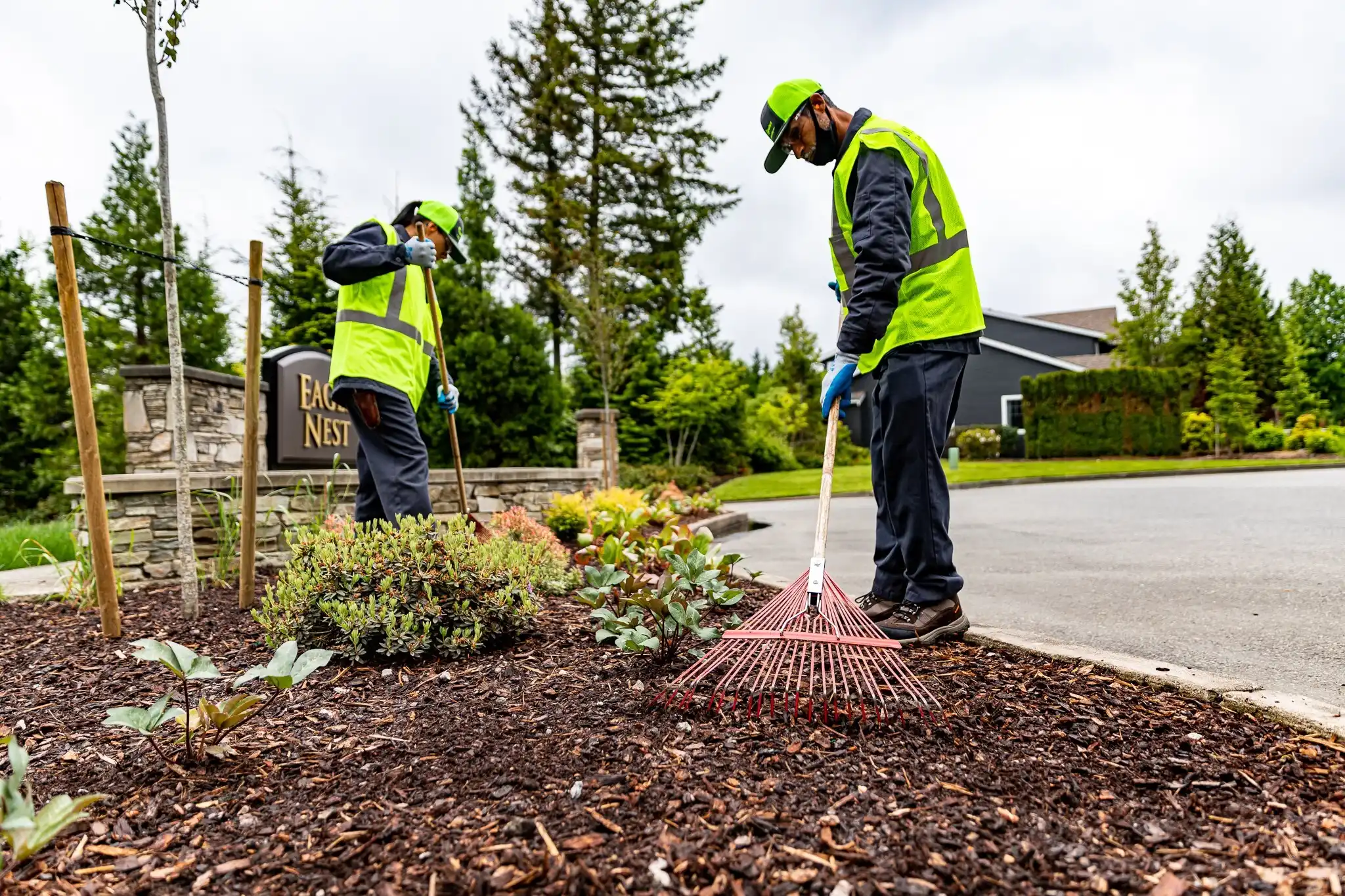
Mulching retains soil moisture by reducing evaporation, regulating soil temperature, and keeping roots hydrated longer. A 2 to 3 inch layer of organic mulch like wood chips or bark can cut water loss by up to 35 percent and reduce watering needs significantly.
Mulching retains soil moisture by acting as a protective barrier over the soil surface. It slows evaporation, keeps roots cooler during hot weather, and holds water in the ground where plants need it most. According to a study published in the journal Agronomy, straw mulch alone can reduce soil evaporation by about 35 percent. In this article, we cover the best mulching techniques, the right materials, how thick to apply mulch, and how to keep your landscape beds healthy and hydrated through every season.
How Does Mulching Help Retain Soil Moisture?
Mulching helps retain soil moisture by creating a physical shield between the soil and the open air. When bare soil sits in direct sunlight, water evaporates quickly. Mulch blocks that sunlight and slows the drying process. A University of Florida study found that mulch reduces soil water loss from evaporation by about 33 percent compared to uncovered soil.
Mulch also insulates the ground. It keeps soil cooler in the summer and warmer in the winter, which means less moisture gets pulled away by heat. Research from Bartlett Tree Research Laboratories showed that wood chip mulch kept soil temperature swings within just 9 degrees, while bare soil fluctuated by over 21 degrees in a single day. That kind of stability makes a real difference for root health and water retention.
On top of that, mulch suppresses weeds. Weeds steal water from your plants. According to Greenwood Tree Company, a thick layer of mulch can reduce weed emergence by up to 90 percent. Fewer weeds means more water stays available for the plants you actually want in your yard. Proper weed control starts with a solid mulch layer.
We see this every day in our work. Homeowners who invest in proper landscape installation that includes a quality mulch layer notice their plants stay greener and healthier with less watering.
What Is the Proper Mulching Technique?
The proper mulching technique is to spread an even layer of mulch 2 to 3 inches thick over the soil surface, keeping it a few inches away from plant stems and tree trunks. This is the most important rule in mulching. If you pile mulch against a trunk, it traps moisture against the bark and can cause rot and disease.
Here is the right way to mulch step by step. First, clear any weeds from the area. Pull them out by the root so they do not grow back through the mulch. Second, water the soil before you lay the mulch down. This locks moisture underneath the mulch layer right from the start. Third, spread the mulch evenly. Do not create thick mounds or thin spots.
According to Michigan State University horticulture professor Bert Cregg, starting new beds with about 3 inches of mulch and then adding a light top dressing each spring is the best long-term approach. This keeps the layer fresh without smothering the soil or plant roots.
A common mistake is creating "mulch volcanoes" around trees, which is piling mulch high against the trunk in a cone shape. This causes bark decay, root girdling, and pest problems. The correct shape looks more like a donut, with mulch pulled back from the base of the tree.
What Is a Common Mistake When Applying Mulch?
A common mistake when applying mulch is putting it on too thick or too thin. Both cause problems. If the layer is under 2 inches, it does not block enough sunlight to stop weeds, and moisture still evaporates too fast. If it goes beyond 4 inches, it can trap too much moisture near plant stems, block oxygen from reaching roots, and create a breeding ground for fungus.
Another frequent error is mulching before the soil has warmed up in spring. According to Gardening Know How, applying mulch too early in the season can slow soil warming, which delays seed germination and plant growth. The best time to mulch is mid to late spring, after the soil has had a chance to warm up naturally.
People also forget to water before they mulch. Laying dry mulch on dry soil does very little good. The goal is to trap existing moisture in the ground, so always soak the soil first and then cover it.
Why Should You Not Put Mulch Against Your House?
You should not put mulch against your house because it holds moisture near the foundation, which can attract termites, carpenter ants, and other pests. Organic mulch also breaks down over time, and when it sits against wood siding or framing, it creates the perfect environment for rot and mold growth.
The general rule is to keep mulch at least 6 to 12 inches away from the foundation of your home. According to Family Handyman, this gap allows the area near the foundation to stay dry and discourages insects from finding a path inside. If you want a clean look near the house, gravel or stone mulch is a safer option in that zone because it does not retain as much moisture.
Proper drainage around your home also matters. If water already pools near your foundation, adding organic mulch on top of it makes the problem worse. Fixing the drainage issue first is always the smarter move.
Yards with chronic pooling problems need a complete drainage solution before mulching can do its job properly.
What Type of Mulch Retains the Most Moisture?
The type of mulch that retains the most moisture is organic mulch made from materials like wood chips, bark, and straw. These natural materials absorb water and release it slowly back into the soil over time. Research from Frontiers in Agronomy confirms that organic mulches improve water absorption, reduce evaporation, and promote microbial activity that further improves soil structure.
A controlled experiment comparing different mulch types found that hemp bedding retained 80 percent of added water over three days, while grass clippings held onto 73 percent. Traditional bark mulch kept about 16 percent of added water, which is still far better than bare soil, which lost all of its moisture.
For residential landscapes in North Alabama, we recommend hardwood bark mulch or shredded wood chips for most garden beds. They last longer than grass clippings, look cleaner, and provide a steady release of moisture throughout the growing season.
Is October Too Late to Mulch?
October is not too late to mulch. In fact, fall is one of the best times to add a layer of mulch to your garden beds. A fresh layer applied in October or early November protects plant roots from freezing temperatures during the winter. It also prevents soil erosion from fall and winter storms.
According to the Royal Horticultural Society, mulches are best applied from mid to late spring and again in autumn, as plants are going dormant. The fall application helps insulate roots and keeps soil temperature more stable through cold snaps. As the mulch breaks down over the winter, it enriches the soil and gives your landscape a head start in the spring.
The key is to apply fall mulch after the first frost and after you have completed your seasonal cleanup. This way, you are not trapping fallen leaves and debris underneath the mulch layer. For more seasonal guidance, fall landscaping preparation is just as important as the mulching itself.
Organic Mulch vs. Inorganic Mulch for Moisture Retention
Organic mulch holds moisture better than inorganic mulch in most residential landscape situations. Materials like wood chips, bark, compost, and straw absorb water and release it slowly. They also break down over time, adding nutrients to the soil and improving its structure. According to a review published in Agronomy, organic mulches reduce nitrate leaching, promote beneficial microbial activity, balance the nutrient cycle, and improve water absorption.
Inorganic mulches like gravel, river rock, and rubber do not absorb water. They work by physically covering the soil and reducing direct sun exposure. Gravel mulch can reduce soil temperatures by up to 15 degrees Fahrenheit according to FarmStandApp, which slows evaporation. But it does not feed the soil the way organic materials do.
For garden beds, flower beds, and areas around trees and shrubs, organic mulch is the better choice. For pathways, hardscaping borders, and drainage areas, inorganic options make more sense because they do not decompose or wash away.
Mulch TypeMoisture RetentionLifespanAdds NutrientsBest UseWood ChipsHigh2-3 yearsYesGarden beds, tree ringsShredded BarkHigh2-3 yearsYesFlower beds, slopesStrawHigh6-12 monthsYesVegetable gardensCompostModerate3-6 monthsYes (highest)Top dressing bedsGrass ClippingsVery High (73%)1-2 monthsYesSmall garden bedsGravel/StoneLowPermanentNoPathways, drainage areasRubber MulchVery Low10+ yearsNoPlaygrounds only
Sources: Frontiers in Agronomy (2024), FarmStandApp, Alex Grows Food garden experiment, University of Florida, Family Handyman
How Thick Should Mulch Be for Moisture Retention?
Mulch should be 2 to 3 inches thick for moisture retention in most garden beds. This depth gives you the best balance of weed control, temperature regulation, and water conservation without smothering your plants. According to the University of California Integrated Pest Management program, fine-textured mulches should be applied to about 2 inches deep, while coarse mulches like wood chips can go up to 4 inches.
Sandy soils lose moisture faster than clay soils. If you have sandy ground, lean toward 3 to 4 inches of mulch to help hold water longer. Clay soils do better with a 2 to 3 inch layer because they already retain moisture on their own, and too much mulch can make them soggy.
For trees and shrubs, 3 to 4 inches works well, but always keep the mulch pulled a few inches back from the trunk. For vegetable gardens, 1 to 2 inches is usually enough because you want the soil to warm up and you need easy access for planting and harvesting. Slopes need a thinner layer of about 2 inches because thick mulch tends to slide downhill during heavy rain. Using a shredded variety on slopes helps because it mats together and stays put.
Do You Just Put New Mulch on Top of Old Mulch?
Yes, you can put new mulch on top of old mulch as long as the total depth does not go over 3 to 4 inches. If your old mulch has broken down significantly and the layer is thin, adding 1 to 2 inches of fresh mulch on top refreshes the look and restores the moisture-retention benefits.
Before adding new mulch, rake the old layer to break up any matted or compacted spots. Compacted mulch can repel water instead of letting it soak through. If the old mulch smells sour or looks moldy, remove it before adding the fresh layer. According to GreenPal, mulch breaks down to bare soil in about 3 to 4 years, so if it has been that long, you may want to start with a thicker application of 4 to 5 inches.
What Is the Best Time to Mulch for Maximum Moisture Retention?
The best time to mulch for maximum moisture retention is mid to late spring, after the soil has warmed up from winter. According to Kellogg Garden Organics, this usually falls around April or May depending on your local climate. Mulching at this time locks in spring rain moisture and prepares the soil to handle summer heat.
A second application in fall, after the first frost, protects roots over the winter and prevents moisture loss from cold, dry winds. Many professional landscapers recommend mulching twice a year for the best results. Here in the Huntsville area, spring and fall mulching fits the local climate perfectly because we get hot, humid summers and cool winters.
Avoid mulching too early in the spring. If you cover the soil before it warms up, you slow down plant growth and seed germination. Let the ground warm naturally, then add your mulch layer to trap that warmth and moisture in place.
How Does Mulch Regulate Soil Temperature?
Mulch regulates soil temperature by acting as insulation between the ground and the outside air. In summer, it keeps the soil cooler by blocking direct sunlight. In winter, it keeps the soil warmer by trapping heat. Research from Pacific Horticulture and Bartlett Tree Research Laboratories found that forest leaf debris kept soil temperature fluctuations within just 5 degrees, while bare soil swung by over 21 degrees during day and night cycles.
This matters for moisture retention because heat is the main driver of evaporation. When soil temperatures spike during a hot afternoon, water escapes from the ground much faster. Mulch prevents those spikes. A study published in the International Soil and Water Conservation Research journal found that mulching treatments lowered soil temperature by about 2 degrees Celsius at a 5 centimeter depth compared to bare ground.
Stable soil temperatures also protect beneficial microorganisms that live in the top few inches of soil. These microbes break down organic matter, improve soil structure, and help the ground hold onto moisture more effectively. Healthy soil amendment practices paired with mulching give these organisms the best chance to thrive. Without mulch, extreme temperature changes can kill these organisms and leave the soil dry and lifeless.
What Mulch to Avoid?
The mulch to avoid depends on your situation, but in general, stay away from rubber mulch in garden beds and dyed mulch made from recycled wood waste. Rubber mulch does not retain moisture, does not add nutrients to the soil, and can leach chemicals as it heats up. Brooklyn Botanic Garden also warns against dyed shredded bark, because anything you put on the soil surface eventually gets absorbed into the ground.
Avoid using fresh, uncomposted wood chips directly around small plants and vegetables. Fresh wood can pull nitrogen out of the soil as it breaks down, which starves your plants. Let wood chips age for a few months before using them in garden beds, or use them only on pathways and around established trees.
Also avoid very fine mulch applied too thickly. Fine mulches like sawdust compact easily, which creates a water-repellent crust on top. Water runs off instead of soaking through. If you use a fine material, keep the layer under 2 inches and fluff it with a rake every few weeks.
How Mulching Prevents Soil Erosion
Mulching prevents soil erosion by absorbing the impact of raindrops before they hit the bare ground. When rain strikes uncovered soil, it dislodges tiny particles and washes them away. Over time, this strips away the nutrient-rich topsoil that plants need to grow. A layer of mulch breaks the force of the rain and lets water soak into the ground gently instead of running off.
According to the Current Agriculture Research Journal, evaporation from bare soil accounts for 25 to 50 percent of total water loss from crop land. Mulch cuts that number significantly by keeping the soil covered and protected. On sloped yards, this protection is even more critical. Without it, heavy rains can carve channels in the ground and carry soil away from your landscape.
Shredded bark and wood chip mulches work especially well on slopes because they mat together and resist sliding. For very steep areas, combining mulch with erosion-control plants gives you the strongest protection against washout.
What Not to Do With Mulch
Do not pile mulch against tree trunks, plant stems, or your home's foundation. Do not apply more than 4 inches in a single layer for most plants. Do not use mulch that smells sour or looks slimy, because that means it has gone anaerobic and can harm your plants.
Do not apply mulch over compacted soil without loosening the top few inches first. According to FarmStandApp, loosening the top 2 to 3 inches of soil before mulching can improve water infiltration rates by up to 70 percent. If you skip this step, water sits on top of the compacted layer and never reaches the roots.
Do not use the same mulch everywhere in your yard without thinking about what each area needs. Vegetable gardens need a different approach than tree rings. Pathways need a different material than flower beds. Matching the right mulch to the right spot makes all the difference in how well your landscape holds onto water.
We always evaluate each section of a yard individually during the design phase so the right material goes in the right place.
How Mulch Supports Healthier Plant Growth
Mulch supports healthier plant growth by creating a stable environment where roots can thrive. Consistent moisture, steady temperatures, fewer weeds, and slow nutrient release all work together to give plants the best chance to grow strong. Research published in Frontiers in Agronomy found that organic mulches improve soil physical properties, promote microbial activity, and enrich the soil with nutrients as they decompose.
Healthy soil is the foundation of any good landscape. When the soil stays moist and nutrient-rich, plants develop deeper root systems. Deeper roots mean they can handle dry spells better and need less supplemental watering. According to a study in the journal Irrigation Science, crop residue mulch reduced soil evaporation by anywhere from 27 to 78 percent depending on the material and thickness used.
We see this play out on every professionally landscaped property we work on. The beds that get properly mulched twice a year look dramatically better than the ones that do not. The plants are fuller, the colors are brighter, and the soil underneath stays dark and rich instead of dry and cracked.
Frequently Asked Questions
Does Mulch Help Soil Retain Water in Hot Climates?
Yes, mulch helps soil retain water in hot climates by reducing evaporation caused by sun and wind. A 2 to 3 inch layer of organic mulch can cut water loss significantly. In regions with high heat, mulching is one of the most effective ways to keep plants hydrated without constant watering. Research shows that mulched soil retains up to 25 percent more moisture than bare soil.
How Often Should You Replace Mulch?
You should replace or refresh mulch once or twice a year, typically in spring and fall. Organic mulches decompose over time and lose their effectiveness. Most bark and wood chip mulches last about 2 to 3 years before they break down completely, but a thin top dressing each season keeps the layer at the ideal 2 to 3 inch depth.
Can You Over-Mulch a Garden Bed?
Yes, you can over-mulch a garden bed. Applying more than 4 inches of mulch can suffocate roots by blocking air and water from reaching the soil. It can also cause excess moisture buildup near plant stems, which leads to fungal diseases and root rot. Stick to 2 to 3 inches for most beds and never pile mulch against trunks or stems.
Does Mulch Attract Termites?
Mulch does not directly attract termites, but it creates a moist, protected environment that termites find appealing. Keeping mulch at least 6 to 12 inches away from your home's foundation reduces the risk. Using cedar or cypress mulch can help because these woods have natural insect-repellent properties.
Should You Water Mulch After Applying It?
Yes, you should water mulch lightly after applying it, especially if you are using straw or grass clippings that can blow away in the wind. Watering helps settle the mulch into place and kickstarts the moisture-retention process. Always water the soil thoroughly before applying the mulch, then give the mulch itself a light soak to lock everything down.
Can Mulch Improve Clay Soil?
Yes, mulch can improve clay soil over time. As organic mulch decomposes, it adds organic matter to the soil, which loosens heavy clay and improves drainage. According to the Royal Horticultural Society, organic mulches break down into materials that help with water retention and improve overall soil structure. Over several seasons, consistent mulching transforms compacted clay into workable, well-draining ground. Combining mulching with professional soil repair speeds up that transformation even further.
Putting It All Together
Mulching is one of the simplest and most effective things you can do for your landscape. A proper 2 to 3 inch layer of organic mulch reduces water loss, keeps soil temperatures stable, suppresses weeds, prevents erosion, and feeds the soil as it breaks down. The data is clear: mulched soil stays healthier, holds more moisture, and supports stronger plant growth than bare soil by a wide margin.
The techniques matter just as much as the material. Keep mulch away from trunks and foundations, apply it at the right depth, refresh it at least once a year, and always water the soil first. These small steps make a big difference in how your yard looks and performs through every season.
If you are ready to give your yard the care it deserves, reach out to White Shovel Landscapes to talk about your options. You can also call us at 256-612-4439 to set up a free estimate.



You May Also Like

Sep 12, 2026
3 min
How to Keep Landscape Edging Straight

Sep 11, 2026
3 min
How to Decorate a Patio: Ideas for 2025 and 2026
Sep 9, 2026
3 min
How to Trim Around Landscape Edging
Sep 7, 2026
3 min
What Does a Lawn Look Like After Aeration
Have a Project in Mind?
If this post sounds like your yard, tell us about it. Request an estimate online or give us a call, and we’ll talk through what your property needs.




Transforming Huntsville & Madison yards since 2011 with expert landscape design, garden makeovers, mulching, and top-quality installations.


