Providing Best Services in Huntsville & Madison, AL


Follow us on Social.





Jan 28, 2026

3 Mn

Landscaping
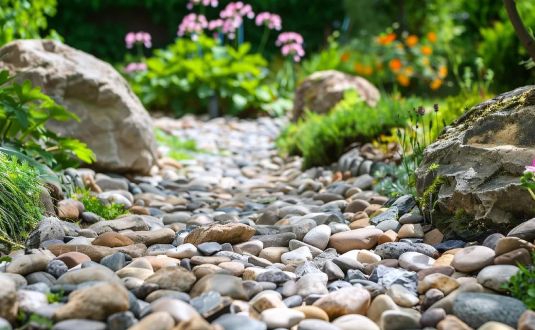
Disadvantages of River Rock Landscaping
Disadvantages of river rock landscaping include higher upfront cost and the difficulty of removing or adjusting the rock later. Weeds can still grow through gaps, and the rocks may shift over time without proper edging. River rock also absorbs heat, which can stress nearby plants, and it does not improve soil health like organic mulch.
Disadvantages of river rock landscaping include higher upfront cost and the difficulty of removing or adjusting the rock later. Weeds can still grow through gaps, and the rocks may shift over time without proper edging. River rock also absorbs heat, which can stress nearby plants, and it does not improve soil health like organic mulch.
Here in North Alabama, we've been transforming outdoor spaces across Madison, Decatur, Athens, and the surrounding areas since 2011. At White Shovel Landscapes, we've helped countless homeowners fix problems caused by river rock and we've learned when it works and when it doesn't. This guide breaks down the real disadvantages you need to know before putting river rock in your Huntsville yard.
River Rock Gets Too Hot in Alabama Summers
Heat Absorption Creates Problems
Huntsville summers regularly push past 90°F. When you add river rock to your landscape, those stones soak up every bit of that heat. Unlike organic mulch that stays cool, rocks can become too hot to touch by mid-afternoon.
This isn't just uncomfortable for bare feet. The heat radiates down into the soil and stresses plant roots. Research shows that darker rocks in full sun can spike ground temperatures by 10 to 20 degrees above normal. For plants already struggling with Alabama's humid subtropical climate, that extra heat can be the difference between thriving and dying.
We've seen this play out in yards all over Hampton Cove and Owens Cross Roads. Homeowners install river rock around their shrubs, then wonder why those same plants look burnt and wilted by July.
Root Damage From Temperature Swings
Tree roots are especially vulnerable. About 85 percent of a tree's roots sit within the top 12 to 16 inches of soil. When river rock heats that upper layer, the feeder roots that supply water and nutrients get cooked.
The problem doesn't stop in summer either. River rock also holds cold in winter, which can throw off the natural freeze-thaw cycle your plants need. This disrupts dormancy and can weaken trees over time.
River Rock Doesn't Feed Your Soil
No Nutrients Return to the Ground
Organic mulch breaks down slowly and adds nutrients back into your soil. River rock does nothing. It just sits there, looking pretty while your soil starves underneath.
In the Huntsville area, many properties already struggle with clay-heavy soil that needs organic matter to stay healthy. River rock makes this worse by creating a barrier between your plants and the natural nutrient cycle.
Soil Structure Suffers
Over time, the soil beneath river rock can become compacted and even hydrophobic, meaning it actually repels water instead of absorbing it. This creates drainage problems in a region that already sees an average of 56 inches of rainfall each year.
If you're dealing with standing water in your yard, adding river rock in the wrong spots can make the situation worse, not better.
Weeds Still Grow And They're Harder to Pull
The Landscape Fabric Myth
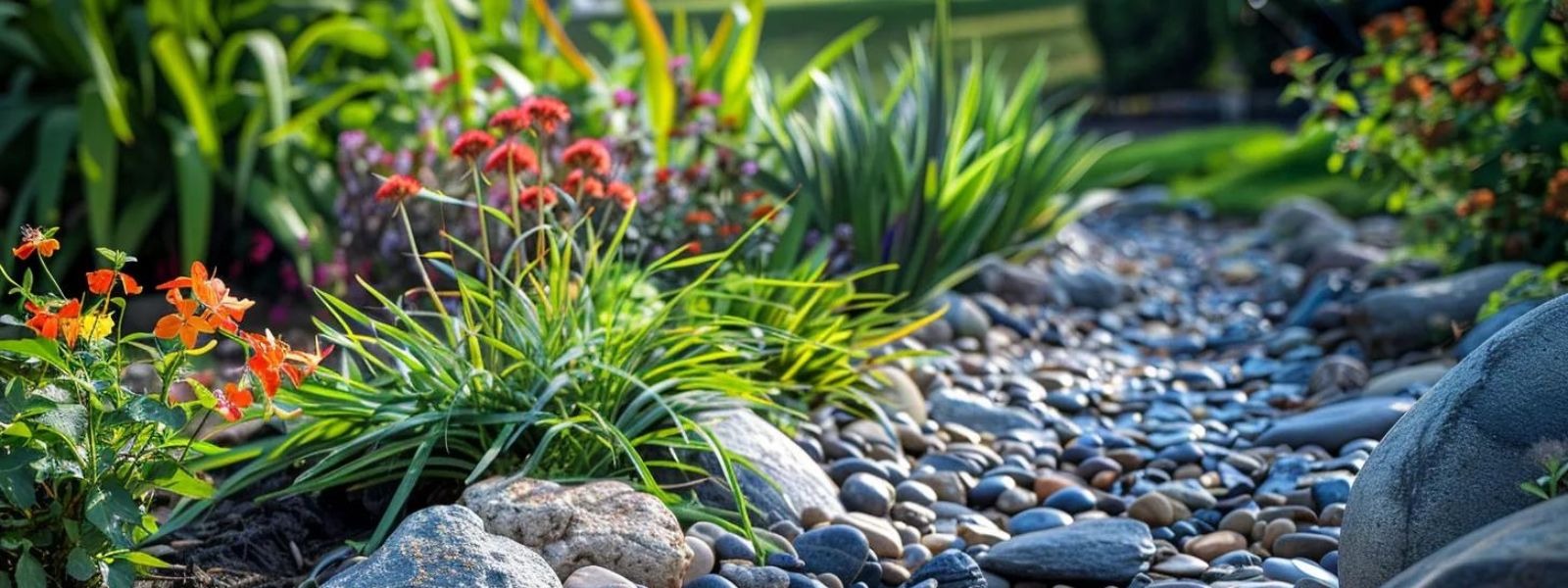
Many people think river rock prevents weeds. It doesn't. Weed seeds blow in from the wind and settle between the stones. Leaves, dirt, and debris collect in the gaps and create perfect little pockets for weeds to sprout.
Landscape fabric helps at first, but it breaks down within a few years. Once that happens, you're dealing with weeds rooted into rotting fabric, which makes them incredibly hard to remove without disturbing all the rocks around them.
We see this all the time in neighborhoods around Hazel Green and Harvest. The rock beds looked great the first year, but by year three, they're full of weeds growing right through the fabric.
Weeding River Rock Is Miserable Work
Pulling weeds from rock is nothing like pulling weeds from mulch. You have to move heavy stones to get at the roots. Many weeds break off at the surface, leaving the root behind to regrow.
You can spray weed killer, but you risk harming nearby plants. You can pour boiling water, but that's dangerous and only works on small areas. There's no easy solution once weeds take hold in river rock.
River Rock Is Expensive to Install
Higher Upfront Costs
River rock costs significantly more than mulch upfront. River rock costs noticeably more per cubic yard installed than mulch.
For a typical landscape bed in Madison County, you might spend three to four times more on river rock than you would on quality hardwood mulch.
Delivery Adds Up Fast
River rock is heavy. A single cubic yard can weigh over a ton. Delivery costs run $5 to $10 per ton for distances up to 25 miles, with extra charges for longer hauls. If you're ordering enough rock to cover significant square footage, delivery alone can add hundreds to your bill.
Removal Is a Nightmare
Once It's Down, It's Hard to Get Up
Here's something most homeowners don't think about: what if you want to change your landscape later? Removing river rock is one of the most labor-intensive jobs in landscaping.
Professional removal costs between $50 and $200 per cubic yard just for relocation on the same property. If you want the rock hauled away, expect to pay $220 to $250 per cubic yard plus disposal fees.
DIY Removal Takes Forever
We've talked to homeowners in Gurley and Brownsboro who tried removing river rock themselves. A project they thought would take a weekend stretched into multiple weekends. The rocks sink into the soil over time, making them nearly impossible to separate cleanly.
One landscaper put it perfectly: "I will never touch another gravel removal job. They are never worth it."
Adding New Plants Becomes Difficult
Rocks Get in the Way
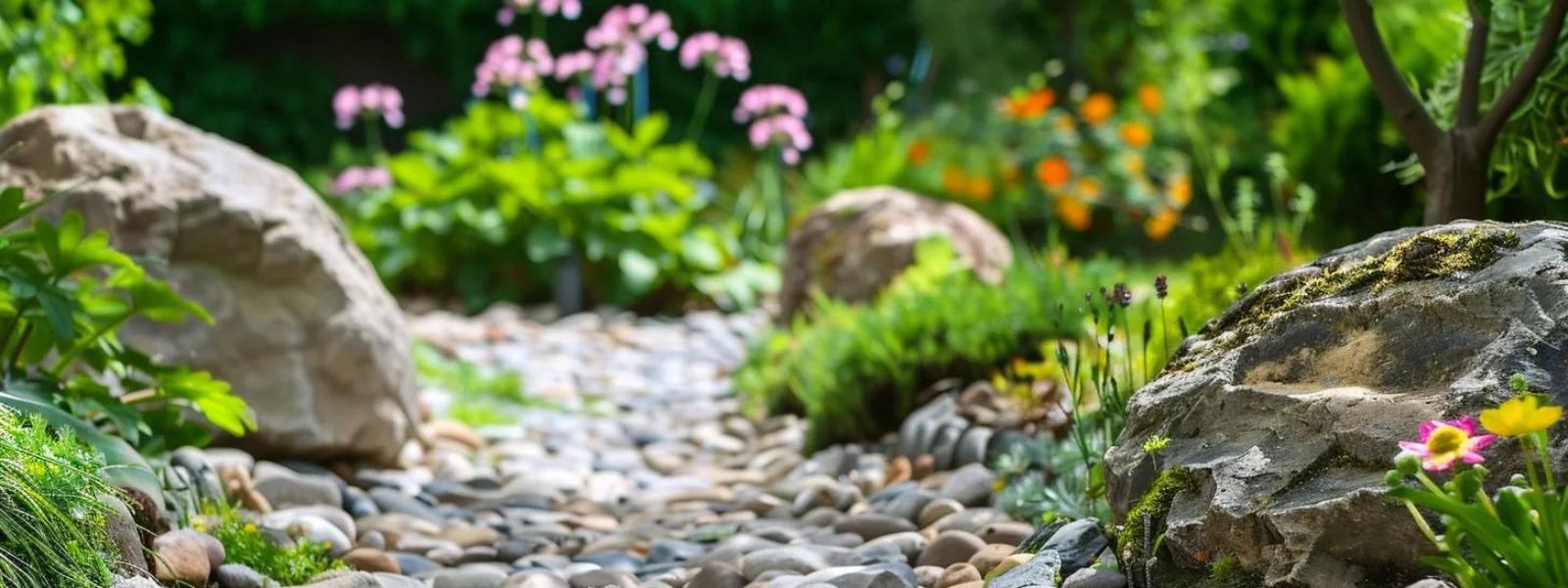
Want to add a new shrub or move some perennials around? With river rock, you'll need to clear the stones, cut through landscape fabric, dig your hole, and then replace everything. It turns a 10-minute job into an hour-long project.
This matters in a place like Huntsville where the growing season runs from late March through early November. You might want to swap out plants seasonally, add new flowers, or adjust your landscape design as your yard matures. River rock makes all of that harder.
Perennials Can't Spread Naturally
Many beautiful perennials spread by sending out runners or self-seeding. River rock and landscape fabric block this natural growth. Your plants stay stuck in their original spots instead of filling in and creating that lush, established look.
River Rock Creates Mowing Hazards
Lawn Mower Danger Zone
If river rock borders your lawn, you've created a hazard. Mower blades can kick up loose stones and launch them like projectiles. This can damage windows, hurt people nearby, and wreck the mower itself.
Many homeowners learn this the hard way the first time they mow too close to their new rock beds. The same problem happens with string trimmers and leaf blowers.
Rocks Migrate Into the Lawn
Without proper edging, river rock slowly creeps into your grass. Stones get pushed around by foot traffic, kicked by kids, or displaced by heavy rain. Once rocks end up in your lawn, you risk running them over next time you mow.
Edging helps, but it adds another expense and another thing to maintain. For homeowners who want truly low-maintenance yards, this defeats the purpose.
The "Low Maintenance" Promise Is Often False
River Rock Still Needs Work
The biggest selling point for river rock is supposedly low maintenance. In reality, it just trades one type of maintenance for another.
You'll still need to:
- Blow or vacuum leaves and debris regularly
- Pull or spray weeds every few weeks
- Occasionally rake and redistribute stones that shift
One landscaping expert summed it up well: "River rock is for NO WATER, not for NO MAINTENANCE." If you're never going to pull weeds as they come in, river rock will quickly become an eyesore.
It Looks Great at First, Then Declines
River rock installations look pristine right after they go in. Give it two or three seasons without regular upkeep and you'll see a different picture. The stones shift, weeds grow, dead leaves pile up, and the clean look fades fast.
Better Alternatives for Huntsville Yards
Organic Mulch Works With Your Soil
For planting beds around your home, organic mulch almost always makes more sense. It feeds your soil, keeps roots cool in summer, retains moisture during dry spells, and costs less than river rock.
Pine straw works especially well in Alabama. It lasts longer in our humid climate, and its natural acids balance our sometimes alkaline soil. Hardwood mulch is another great option that breaks down slowly while adding organic matter to your beds.
Strategic Use of Hardscaping
If you love the look of stone, consider using it strategically rather than blanketing entire beds. A few well-placed boulders create focal points without the downsides of full river rock coverage.
For pathways and patios, flagstone or pavers give you the aesthetic you want without the weed problems. Our hardscaping services can help you design something that looks great and actually holds up.
Where River Rock Actually Makes Sense
River rock does have its place in certain situations. It works well for drainage areas, dry creek beds, and around downspouts where you need to control water flow. These are spots where plants won't grow anyway and where the rock's weight keeps it in place.
If you're dealing with drainage solutions or yard erosion, river rock can be part of the answer. The key is using it in the right spots rather than everywhere.
Questions Huntsville Homeowners Ask
Does River Rock Kill Plants?
River rock won't directly kill plants, but it creates conditions that stress them. The heat, lack of nutrients, and moisture problems can weaken plants over time. Heat-sensitive plants like coral bells often fail completely in river rock beds.
Is River Rock Cheaper Than Mulch Long Term?
Maybe, but probably not as much as you'd think. River rock lasts longer, but it costs three times more upfront. When you factor in the cost of landscape fabric, edging, weed control products, and potentially removing it later, the savings shrink fast.
Can I Put River Rock Around Trees?
We don't recommend it. Trees need cool, moist soil and the natural nutrient cycle that organic mulch provides. River rock can disrupt all of this and harm the tree's long-term health.
How Do I Get Rid of Weeds in River Rock?
Spray white vinegar directly on weeds, being careful not to hit nearby plants. Some people pour boiling water on them. Pulling works but is tedious. The best approach is preventing weeds by staying on top of them before they go to seed.
Final Thoughts
River rock landscaping has its place, but it's not the low-maintenance miracle some people claim. The heat problems, weed issues, expense, and removal challenges make it a poor choice for most planting beds in the Huntsville area.
Before you commit to river rock, think about what you really want from your landscape. If you want healthy plants, easy maintenance, and the flexibility to change things later, organic mulch is almost always the better choice.
At White Shovel Landscapes, we've been helping homeowners across Madison, Decatur, Athens, and the rest of North Alabama make smart landscaping decisions since 2011. We've installed over 500 drainage systems and transformed hundreds of yards.
If you're unsure what's right for your property, we offer free estimates. Our team can look at your specific situation and recommend solutions that actually work for Huntsville's climate and your budget. Give us a call at 256-612-4439, and let's talk about creating an outdoor space you'll love for years to come.



You May Also Like

Sep 12, 2026
3 min
How to Keep Landscape Edging Straight
Sep 11, 2026
3 min
How to Decorate a Patio: Ideas for 2025 and 2026
Sep 9, 2026
3 min
How to Trim Around Landscape Edging
Sep 7, 2026
3 min
What Does a Lawn Look Like After Aeration
Have a Project in Mind?
If this post sounds like your yard, tell us about it. Request an estimate online or give us a call, and we’ll talk through what your property needs.




Transforming Huntsville & Madison yards since 2011 with expert landscape design, garden makeovers, mulching, and top-quality installations.


