Providing Best Services in Huntsville & Madison, AL


Follow us on Social.





Jan 28, 2026

3 Min

Lawn Care
The Environmental Importance of Proper Drainage
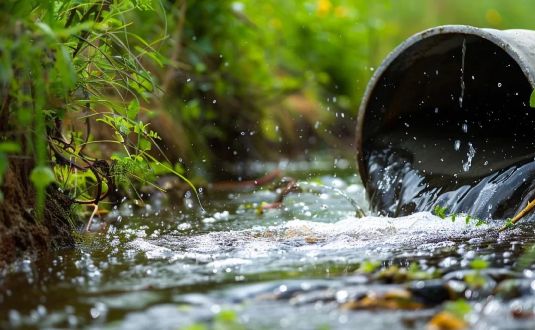
The environmental importance of proper drainage lies in preventing soil erosion, water pollution, and flooding. Effective drainage systems control water flow, reduce runoff, and protect natural waterways from excess sediment and contaminants. Proper drainage also supports healthy soil, protects plant life, and helps maintain balanced ecosystems in both residential and commercial areas.
Why Soil Needs Good Drainage
Your soil is like a sponge that holds water and food for plants. When water sits on top of the ground too long, it washes away the best part of your soil. The top layer contains all the nutrients that plants need to grow strong and healthy. Without proper drainage, rain can steal this valuable layer and leave your yard with poor, rocky dirt that won't support much life.
How Drainage Stops Soil Erosion
Soil erosion happens when water carries dirt away from where it belongs. The top layer of soil has all the good stuff plants need to grow. When rain runs across your yard too fast, it takes that rich soil with it.
Soil erosion rates on farmland can be 100 to 1,000 times higher than natural erosion. Without good drainage, your yard faces the same problem. Water needs somewhere to go, or it will carve paths through your property and steal your topsoil.
Bare spots, gullies, and exposed roots are all signs of yard erosion. These problems show that water is moving too fast across your land and taking your valuable topsoil with it.
What Happens When Topsoil Disappears
Think of topsoil like the icing on a cake. It's the sweet part everyone wants. When erosion takes it away, you're left with hard, rocky soil that won't grow much.
Plants struggle to put down roots in poor soil. Their roots help hold soil in place, so when plants die, even more erosion happens. It's a cycle that keeps getting worse.
Good drainage systems catch water before it runs wild. They guide it slowly through your yard so soil stays put. This keeps your property healthy and your plants happy.
How Drainage Protects Our Water
Water that runs off your property has to go somewhere. Most of the time, it heads straight to streams, rivers, and lakes. What it picks up along the way makes a big difference to the health of these waterways. Proper drainage systems can clean water before it leaves your property, protecting the environment for everyone downstream.
The Problem with Polluted Runoff
When rain hits pavement, roofs, and packed dirt, it can't soak in. Instead, it flows across surfaces and grabs everything in its path:
- Motor oil from driveways, fertilizer from lawns, and trash from sidewalks all get swept into storm drains
- The water doesn't get cleaned before it enters lakes and rivers, carrying bacteria and chemicals directly to fish habitats
Stormwater runoff is the number one pollution threat to many waterways. Around 73% of water bodies get contaminated from wastewater and runoff that isn't treated properly. That's a huge problem for wildlife and people who rely on clean water.
How Proper Drainage Acts Like a Filter
When water soaks slowly into the ground, something amazing happens. The soil acts like a natural filter. As water moves through dirt and rock layers, it leaves behind many of the bad things it picked up.
Plants and tiny organisms in the soil grab onto chemicals. Rocks and sand trap dirt particles. By the time water reaches underground aquifers, it's much cleaner than when it started.
Natural drainage methods work with the soil's cleaning power. French drains, rain gardens, and swales all let water sink in gradually rather than rushing off. This gives the soil time to filter pollutants before they reach underground water supplies.
Groundwater Gets Help from Good Drainage
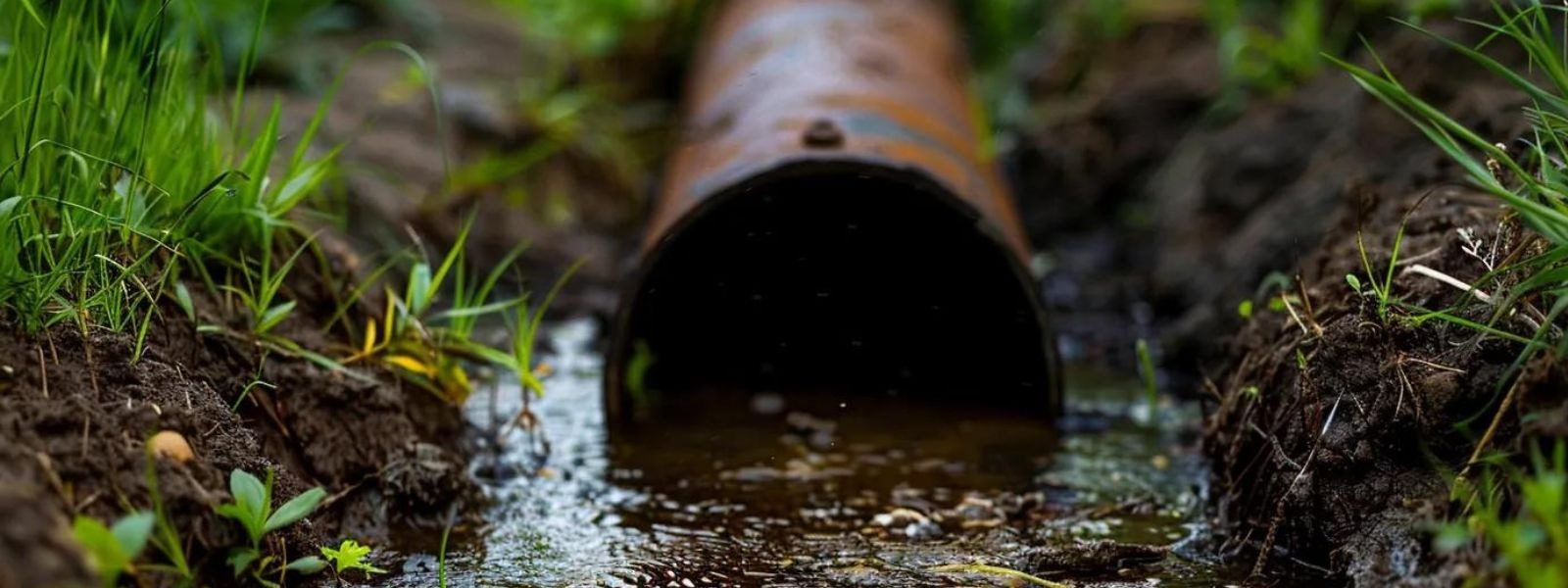
Underground water supplies feed wells, springs, and streams. They're like nature's savings account. When rain soaks into the ground slowly, it refills these underground reserves. This process is critical for maintaining healthy water levels that support both people and nature throughout the year.
Why Groundwater Matters to Ecosystems
Wetlands, springs, and small streams often depend on groundwater to keep flowing. During dry times, underground water is what keeps these places alive. Animals and plants count on this steady water supply.
When too much water runs off instead of soaking in, groundwater levels drop. Wells run dry. Springs stop flowing. Streams shrink or disappear in summer. This hurts all the living things that depend on these water sources.
Proper drainage helps rain infiltrate the ground where it falls. This keeps the underground water supply strong. It's good for your well and good for the environment.
The Natural Recharge Process
Groundwater recharge is how rain refills underground storage areas. Water moves down through soil layers and collects in spaces between rocks and gravel.
This process cleans water as it travels down. It also stores water for later use. In wet seasons, the ground holds extra water. In dry seasons, that stored water keeps everything going.
When drainage systems include permeable surfaces and infiltration areas, they help this natural process work better. More water soaks in. Less water runs away. The environment wins.
Flooding and Drainage Work Together
Nobody likes a flooded yard. But flooding also causes environmental damage that spreads beyond your property. When water can't drain properly, it creates problems for soil, plants, wildlife, and even your neighbors. Good drainage systems prevent these issues by managing how water moves through your landscape.
How Poor Drainage Creates Flood Problems
When water pools in your yard after every rain, it shows that your drainage isn't working properly. When multiple properties have this problem, all that water has to go somewhere. It builds up in streets and low areas, creating bigger problems for everyone.
Flash floods happen when too much water moves too fast. They erode streambanks. They wash pollution into waterways. They damage wildlife homes. They tear up plant roots.
Proper drainage spreads out water flow. Instead of one big rush, water moves steadily through systems designed to handle it. This protects your property and the areas downstream.
Storage-Based Systems Save Environments
Research shows that storage-based drainage systems work better than systems that just move water quickly away. Retention basins and detention ponds hold water temporarily.
This gives water time to soak in. It lets sediment settle out instead of flowing into streams. It reduces the peak flow that causes erosion downstream.
Think of it like traffic. A rush of cars all at once causes problems. Spread them out over time, and everything moves smoothly.
Wildlife Depends on Proper Drainage Too
Your yard is part of a bigger ecosystem. Birds, butterflies, frogs, and beneficial insects all interact with your property. How water moves through your landscape affects them in ways you might not realize. When drainage works well, it creates conditions that help wildlife thrive instead of just survive.
Healthy Soil Means Healthy Wildlife
Good drainage keeps soil healthy. Healthy soil grows better plants. Better plants provide food and shelter for wildlife.
When soil gets waterlogged or erodes away, plants suffer. They produce fewer flowers, seeds, and fruits. This reduces food for pollinators, birds, and small mammals.
Proper drainage maintains the right moisture balance. Roots can breathe. Beneficial soil organisms thrive. The whole food web benefits from this foundation.
Clean Water Means Safe Habitats
Aquatic life is sensitive to pollution. Studies show that contaminated runoff damages fish, frogs, and water insects. These creatures need clean water to survive.
When drainage systems filter water before it reaches streams and ponds, they protect these habitats. Cleaner water supports more diverse life. Fish populations stay healthier. Frogs can breed successfully.
Even if you don't have a stream on your property, your drainage affects water quality somewhere downstream. Every yard that manages water well helps protect wildlife homes.
Climate Change Makes Drainage More Important
Weather patterns are getting less predictable. Heavy rains come more often in some places. Droughts last longer in others. Good drainage helps deal with both extremes by managing water better when you have too much and storing it when you need more. Modern drainage design takes these changing conditions into account.
Adapting to Intense Storms
When storms drop more rain in shorter periods, drainage systems face bigger challenges. Old systems designed for gentler rain can't always handle these intense downpours.
Modern drainage design accounts for these changes. Proper drainage systems can reduce flood risk while still allowing water to soak in during normal rain.
Multiple solutions work together. Permeable surfaces let some water through. Catch basins handle overflow. Rain gardens slow and filter runoff. This layered approach adapts to different conditions.
Managing Drought with Smart Drainage
It might seem strange, but good drainage helps during droughts too. Systems that let water soak into the ground build up underground reserves. This stored water keeps plants alive during dry spells.
Rain gardens and bioswales capture water that would otherwise run away. The plants in these areas have deep roots that bring up moisture from below. They stay green even when regular lawns turn brown.
By maximizing infiltration when it does rain, proper drainage makes every drop count. This resilience matters more as weather becomes less reliable.
Your Drainage Choices Impact the Community
What you do on your property affects your neighbors and the wider environment. Good drainage is a community effort that pays off for everyone. When multiple properties manage water well, the benefits multiply across the whole area. Your individual choices contribute to the health of streams, rivers, and groundwater that everyone shares.
Reducing Strain on Public Systems
Cities have storm sewers and treatment plants. When everyone's runoff flows into these systems all at once, they get overwhelmed. This can lead to backups, overflows, and pollution.
By managing water on your own property, you reduce the burden on public infrastructure. Less water entering the storm system means less flooding and less pollution downstream.
Communities with better property-level drainage have fewer flood problems and cleaner water. Everyone benefits from neighbors who handle their water responsibly.
Contributing to Regional Water Quality
Your individual drainage might seem small. But thousands of properties all managing water well adds up to huge environmental benefits.
European agricultural areas decreased erosion by 19.1% through better land management and drainage practices. This shows that collective action makes a real difference.
When you install proper drainage, you're doing your part. You're protecting soil, filtering water, recharging groundwater, and supporting wildlife. You're making your corner of the world a little healthier.
Types of Environmentally-Friendly Drainage
Not all drainage solutions are equal. Some work with nature. Others fight against it. The best systems use natural processes to manage water while protecting the environment. These solutions slow down water, let it soak in, and filter out pollutants before they can cause harm.
French Drains and Infiltration Systems
French drains collect water in gravel-filled trenches with perforated pipes. They move water away from problem areas while allowing it to soak into the surrounding soil.
This design mimics natural drainage patterns. Water spreads out and infiltrates gradually. The gravel filters out sediment. The result is less erosion and cleaner groundwater recharge.
Rain Gardens and Bioswales
These planted depressions catch runoff and let it sink in slowly. The plants filter pollutants and add beauty to your landscape. Their roots create channels for water to follow deep into the soil.
Rain gardens reduce runoff volume by capturing and infiltrating water on-site. They support pollinators with native flowers. They look good and help the environment at the same time.
Permeable Hardscaping
Traditional concrete and asphalt don't let water through. But modern options exist that provide solid surfaces while allowing water to infiltrate. Permeable pavers, gravel paths, and porous surfaces let water through while still providing solid walkways and patios.
These surfaces reduce runoff while maintaining function. Water soaks through gaps or porous material instead of running off. This simple change makes a big environmental difference.
Signs Your Property Needs Better Drainage
How do you know if your drainage needs improvement? Nature gives you clues. Your yard will show clear signs when water isn't moving the way it should. Pay attention to these warning signals so you can fix problems before they get worse and cause real damage to your property and the environment.
Visible Erosion and Bare Spots
After rain, does your yard turn into a muddy mess? Do you see gullies forming in your lawn or exposed roots around trees? These signs mean water is moving too fast or pooling too long, and your soil is being damaged.
The longer you wait, the worse erosion becomes. Early action prevents bigger problems and protects your landscape investment. If you're dealing with muddy yards in Huntsville, proper drainage solutions can turn things around.
Dead Plants and Poor Growth
Plants can tell you a lot about drainage. Too much water drowns roots. Too little water stresses plants. Either way, plants show you something is wrong.
If certain areas never seem to grow well, drainage could be the issue. Maybe your garden keeps dying no matter what you try. Fixing water flow often brings struggling plants back to life and solves dead garden problems for good.
Water That Won't Go Away
Standing water that lasts more than a day after rain is a red flag. It means water can't infiltrate or drain away properly.
This creates breeding grounds for mosquitoes. It damages grass. It wastes water that could be soaking into the ground and recharging groundwater supplies.
Taking Action for Better Drainage
Understanding why drainage matters is the first step. Taking action is the next one. You don't have to fix everything at once, but starting the process will protect your property and help the environment. The right approach combines good planning with smart solutions that work for your specific situation.
Start with an Assessment
Look at your property after a heavy rain. Where does water go? Where does it pool? Where does it flow too fast?
Take photos and notes. This helps you understand your drainage patterns. It also helps professionals design solutions that work for your specific situation.
Work with Nature, Not Against It
The best drainage solutions use gravity and natural infiltration. They guide water where it can do good instead of fighting to keep it away entirely.
Consider where water wants to go naturally. Then create pathways and infiltration areas that work with those natural flows. This approach is more effective and more environmentally friendly.
Professional Help Makes a Difference
Expert drainage design considers your soil type, slope, rainfall patterns, and property layout. Professionals design systems that solve your problems while helping the environment. Whether you need help in Huntsville or Decatur, working with experienced contractors makes a difference.
Proper installation means drainage works as designed. Poor DIY attempts can make problems worse. Getting it right the first time saves money and protects your property.
Final Thoughts
Proper drainage does more than keep your basement dry and your lawn pretty. It's a key part of protecting our environment. Good drainage stops soil erosion, filters pollution, recharges groundwater, prevents flooding, and supports wildlife.
Every property that manages water well contributes to healthier streams, cleaner drinking water, and more resilient communities. The environmental benefits of proper drainage extend far beyond your property lines.
If your yard has drainage issues, fixing them helps more than just your landscape. You're protecting soil that took thousands of years to form. You're keeping pollution out of waterways. You're supporting the plants and animals that make up our ecosystem.
Whether you're dealing with standing water after storms or want to improve your property's environmental performance, proper drainage is worth the investment. Your yard will look better, function better, and do better for the planet.
Ready to make a positive environmental impact while solving your drainage problems? Contact a drainage professional to assess your property and design solutions that work with nature, not against it.



You May Also Like

Sep 12, 2026
3 min
How to Keep Landscape Edging Straight

Sep 11, 2026
3 min
How to Decorate a Patio: Ideas for 2025 and 2026
Sep 9, 2026
3 min
How to Trim Around Landscape Edging
Sep 7, 2026
3 min
What Does a Lawn Look Like After Aeration
Have a Project in Mind?
If this post sounds like your yard, tell us about it. Request an estimate online or give us a call, and we’ll talk through what your property needs.




Transforming Huntsville & Madison yards since 2011 with expert landscape design, garden makeovers, mulching, and top-quality installations.


