Providing Best Services in Huntsville & Madison, AL


Follow us on Social.




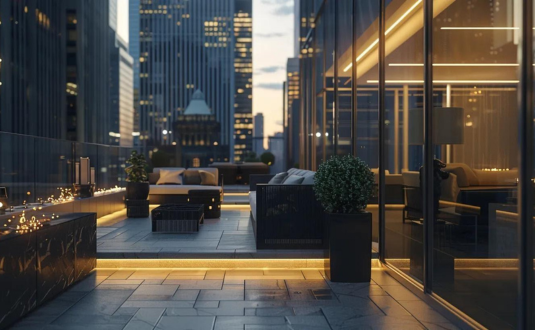

Dec 12, 2025

2 Min

Landscaping
What is the best material to use for an outdoor patio?
Choosing the best material for an outdoor patio depends on function, climate, durability, and aesthetics. In warm or humid areas like Huntsville, AL, popular options include stamped concrete for its affordability and heat resistance, natural stone for timeless appeal, and composite decking for low maintenance. Materials like brick and wood offer classic charm but differ in upkeep and longevity. Each option impacts design style, repair needs, and resale value, so evaluating your home’s architecture and weather conditions is key.
Creating an outdoor patio that is both functional and visually appealing is a top priority for many homeowners looking to expand their living space into the outdoors. The decision regarding what material to use for an outdoor patio hinges on several factors: the purpose of the space, aesthetic preferences, durability, maintenance requirements, budget constraints, and the local climate. Whether you're envisioning a cozy retreat for peaceful nights or a spacious outdoor area for entertaining guests, choosing the right materials is key to blending functionality with visual appeal. Homeowners are comparing everything from concrete and brick to natural stone, wood, and composite options to find a solution that meets their needs for heat resistance, moisture management, aesthetics, and sustainability.
This article provides a detailed exploration of the key factors involved in selecting your patio material, along with a review of popular options, durability analyses, budgeting tips, aesthetic considerations, and climate-specific advice. By the end, homeowners will have the information needed to make an informed, long-lasting investment in their outdoor space. For further personalized guidance, contact us.
Transitioning now into a comprehensive guide, the following sections break down the process of selecting the ideal material for your outdoor patio.
Defining Your Needs for the Perfect Outdoor Patio Material
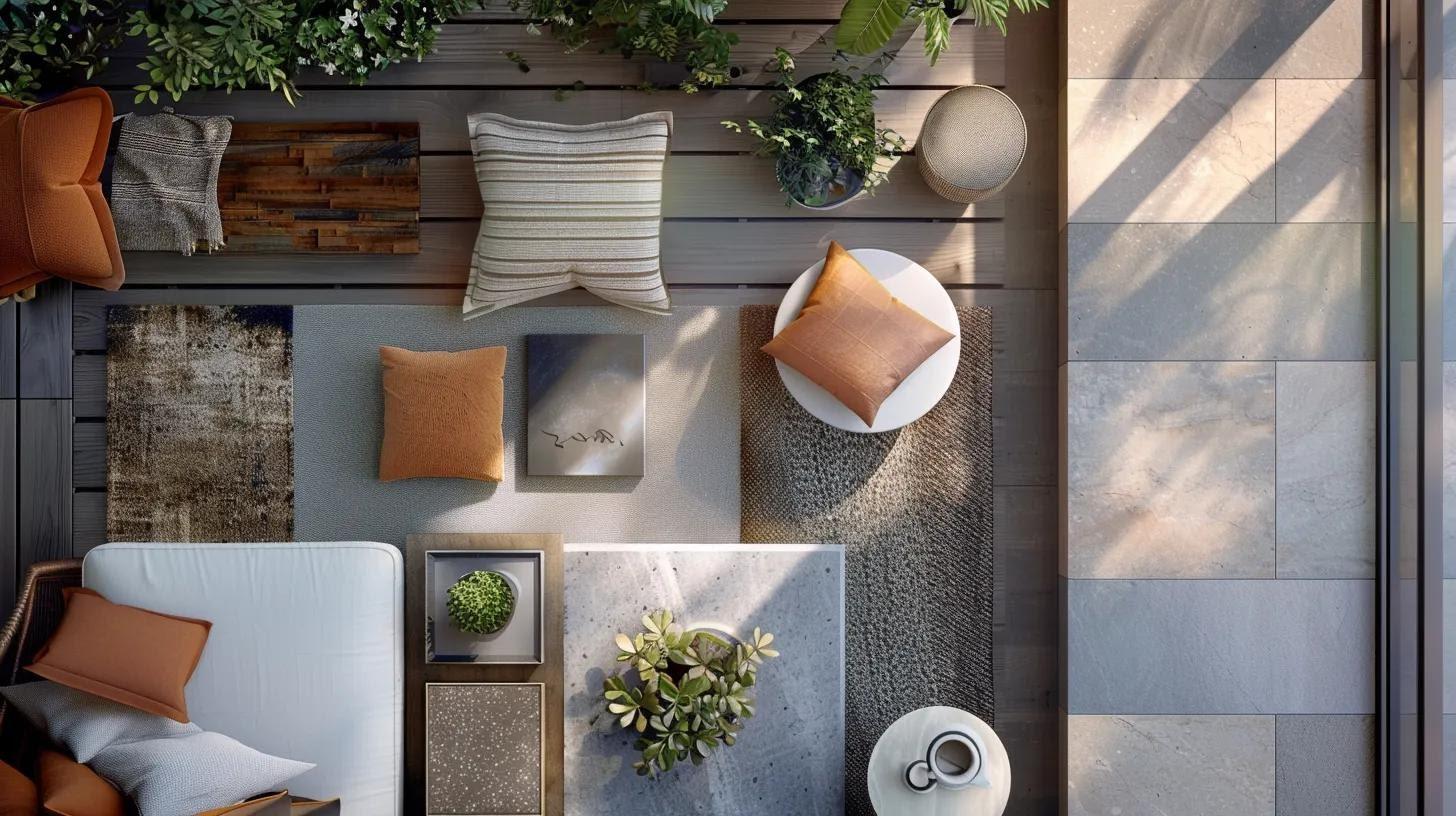
The journey to selecting the perfect outdoor patio material begins with an in-depth understanding of your specific needs and requirements. Homeowners must consider how the space will be used, what aesthetic fits with the overall design of their home, and how environmental factors, including the local climate, will affect the performance of the chosen material. The process starts by asking key questions about function, design, durability, cost, and climate adaptation. For detailed queries, please contact us to explore your options.
How Will You Use Your Outdoor Patio Space
The first step is identifying the primary function of your patio. Will it serve as a dining area, a space for relaxation, a place for children to play, or perhaps even be integrated with your outdoor kitchen? For instance, if you’re planning high-traffic social gatherings, you may want design elements that complement the use of durable materials. In contrast, if the space is intended as a quiet retreat or reading nook, materials with softer textures and appealing color schemes might be preferable. Should you require further guidance during your planning, feel free to contact us for expert advice. The usage scenario directly impacts material performance; heavy use might dictate choices like stamped concrete or brick pavers, whereas low-traffic spaces might allow for natural stone or wood decking. This decision will also determine the load-bearing requirements and ultimately influence your budget and maintenance schedule.
Matching Patio Materials to Your Home's Architectural Style
Selecting a material that complements your home’s exterior design is crucial. Modern homes with sleek lines may benefit from materials like polished concrete or composite decking, which provide a minimalistic and contemporary look. On the other hand, traditional homes can achieve a rich, classic feel with natural stone or brick pavers. The material should not only enhance the overall aesthetics but also create a seamless transition between your indoor and outdoor spaces. For instance, using limestone or travertine can add a touch of elegance while blending with the natural landscaping, thus creating an inviting and cohesive outdoor environment. For further guidance, contact us.
Considering Foot Traffic and Expected Load on Your Patio
The expected use and intensity of footsteps can influence the material selection significantly. Where foot traffic is high, robust materials are essential; concrete and brick, for example, are durable, easily repaired and generally withstand heavy use. Conversely, wood decking, while offering a warm appeal, might require regular sealing and maintenance if exposed to frequent use and harsh weather conditions. For personalized advice on material selection, contact us to discuss options that best suit your environment. When selecting material, consider factors such as the structural integrity, load-bearing capabilities, and durability under continuous use to avoid premature wear and costly repairs.
Factoring in Local Weather Patterns for Material Selection
Climate plays a pivotal role in the longevity and performance of your patio material. Where summers are very hot, materials that absorb less heat, such as light-colored concrete or porcelain tile, can be more comfortable underfoot. If you live in an area with heavy rainfall or freeze-thaw cycles, water-resistant materials such as composite decking or permeable pavers can prevent cracking, staining, or other weather-related damage. For personalized advice, contact us to determine the best option for your situation. Additionally, coastal climates that often battle salt air and humidity might benefit from materials that resist corrosion. Each material’s ability to deal with moisture, temperature changes, and sun exposure will determine its lifespan and the level of upkeep needed.
Setting Realistic Expectations for Patio Upkeep
All outdoor materials require some level of maintenance, and understanding these demands upfront will help set realistic expectations. Some options, like natural stone, might require periodic sealing and cleaning to maintain their beauty, while composite materials are designed to need little maintenance. However, even the most durable surfaces may need occasional repairs or routine care, especially after exposure to harsh weather conditions or heavy usage. Homeowners should weigh the initial installation cost against the long-term maintenance expenses and the ease of repair when choosing a material.
Popular Outdoor Patio Materials a Detailed Review
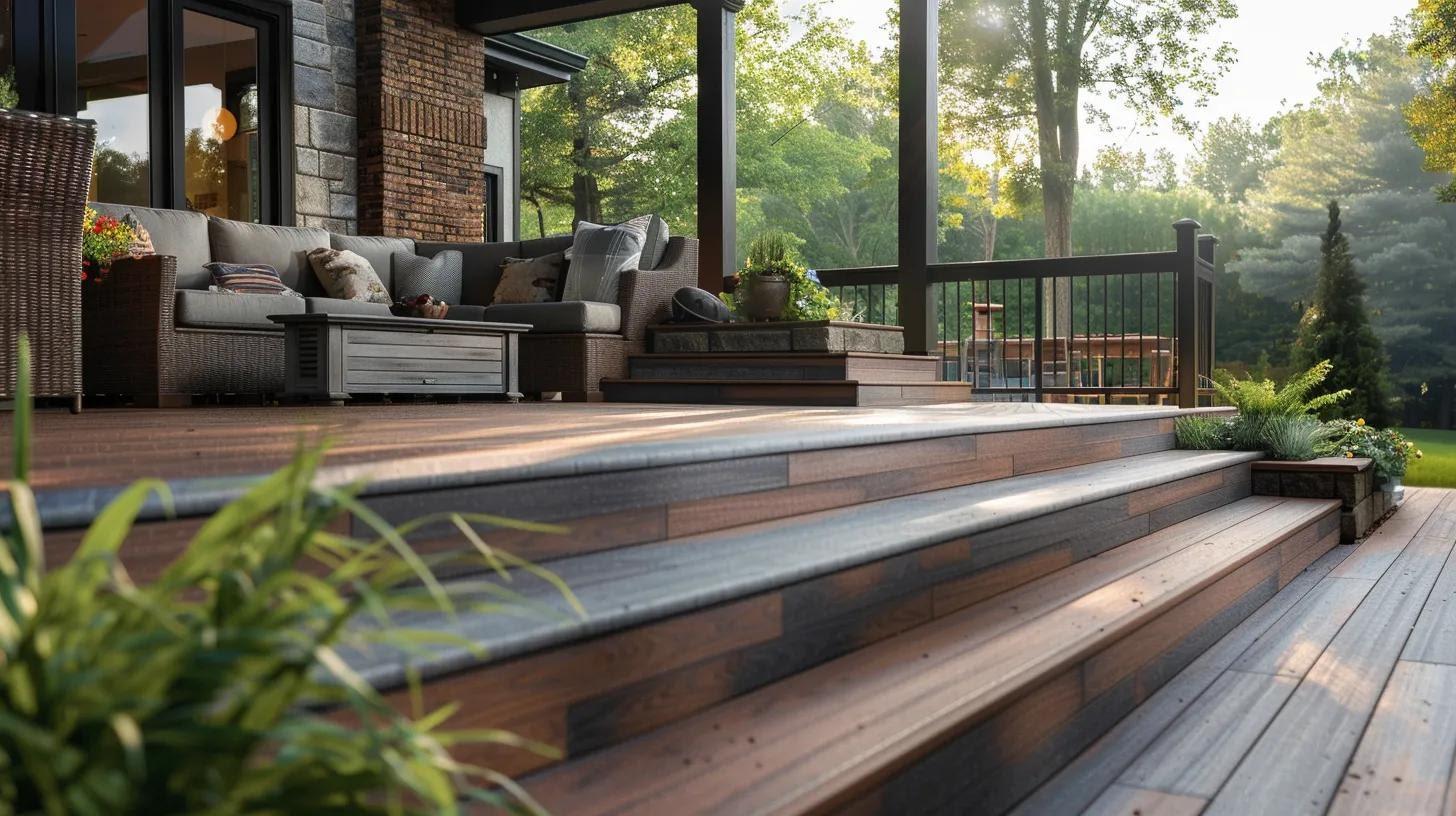
There are several widely used materials for outdoor patios, each with its own advantages and style. A detailed review helps to understand how concrete, brick, natural stone, wood decking, and composite options compare based on durability, aesthetic appeal, maintenance, and cost-effectiveness. If you are interested in learning more about these options, please contact us for further details.
Concrete the Versatile and Affordable Patio Choice
Concrete is a popular option for its versatility and affordability. It can be stamped, stained, or colored to mimic more expensive materials like brick or stone, offering endless design possibilities. Modern concrete installation techniques have improved durability, and advanced sealants help mitigate staining from food, water, or environmental elements. Its ability to withstand heavy use and adverse weather conditions, including intense heat and heavy rainfall, makes concrete a reliable choice. Additionally, concrete patios are relatively easy to install and repair, and they provide a clean, modern aesthetic that can be tailored to fit a variety of architectural styles. For more details or custom designs, contact us.
Light-colored concrete also stays relatively cool in hot weather compared with darker surfaces. Sealed, light-colored concrete generally absorbs less heat than dark asphalt. This improved performance not only benefits comfort but also contributes to energy savings in adjacent indoor spaces. For additional details, please contact us.
Brick Pavers Classic Charm and Design Flexibility for Patios
Brick pavers offer a timeless aesthetic with a warm, classic appeal that complements a variety of architectural styles. They provide excellent durability and are relatively easy to replace. Brick pavers are multifaceted, often being used in combination with other materials for a layered look that enhances the overall outdoor aesthetic. They remain cool underfoot in warm weather, which is an added bonus for homeowners in hot climates. For more personalized advice, please contact us for further details.
Brick construction also has a long history in architecture, which gives it an enduring charm. The natural red or earth tones can be combined with decorative borders or patterns to elevate the design. Brick is also economically viable, as repairs are typically low cost, and individual pavers can be replaced if damaged. Well-maintained brick pavers are long-lasting with modest upkeep, which makes them a sound investment in outdoor design. For more details, contact us for additional information.
Natural Stone Unmatched Beauty and Longevity for Outdoor Patios
Natural stone, including options like limestone, travertine, and bluestone, is celebrated for its unique beauty and robust performance. Masonry professionals appreciate how each slab reveals natural variations in color and texture, offering a distinctive and luxurious look. Natural stone is among the most durable patio materials, standing up well to heat, heavy rain and freeze-thaw cycles. For more details, contact us.
Natural stone requires a higher initial investment, but it pays off in longevity and timeless appeal. With proper sealing and periodic cleaning, natural stone keeps its appearance for many years. Natural stone also resists wear and staining, making it a good fit for busy patios with considerable foot traffic. For more details on choosing the right stone treatment, contact us for expert advice. Sealing limestone reduces how much water it absorbs, which helps it resist staining and weathering.
Wood Decking a Warm and Inviting Patio Surface
Wood decking brings a natural, organic charm to outdoor patios with its warm color and soft texture. Options such as cedar, teak or redwood are popular choices because they offer varying degrees of natural resistance to rot, insects and moisture. Wood creates a distinctly inviting ambiance, ideal for activities such as outdoor dining, relaxation, or even casual gatherings with friends and family. It integrates seamlessly with garden landscapes, providing a comfortable transition from indoor to outdoor living.
Maintenance is key when choosing wood; regular sealing, staining, or painting is required to protect from moisture, UV rays, and temperature extremes. For tailored solutions and additional insights, contact us for expert advice on the best protective measures. Despite these requirements, many appreciate the aesthetic and tactile benefits that only natural wood can deliver. Modern wood treatments have been developed to improve the material's longevity in harsh climates, reducing how often maintenance is needed. When properly cared for, wood decking can last many years and adds character to your home’s outdoor space.
Composite Decking Low Maintenance and Modern Appeal for Patios
Composite decking combines recycled wood fibers with polymers to create a material that closely mimics the look of natural wood without the extensive maintenance demands. It offers a modern, sleek appearance while being resistant to rot, mold, and insects. Composite materials are engineered to withstand extreme weather conditions, including heavy rainfall, intense sun, or freezing temperatures, making them ideal for a variety of climates.
One of the prime benefits of composite decking is its low maintenance requirement—it doesn’t need regular sealing, staining, or painting like natural wood, which translates to lower ownership costs over time. Composite materials also provide uniform color and design, helping the patio keep a clean look over many years. Homeowners looking for a sustainable and durable solution often choose composite because its longevity and ecological benefits outweigh the slightly higher initial cost. Overall, composite decking serves those who desire a balance between the natural beauty of wood and the efficiency of modern synthetic materials without compromising on durability or style.
Analyzing Durability and Maintenance Across Patio Surface Options
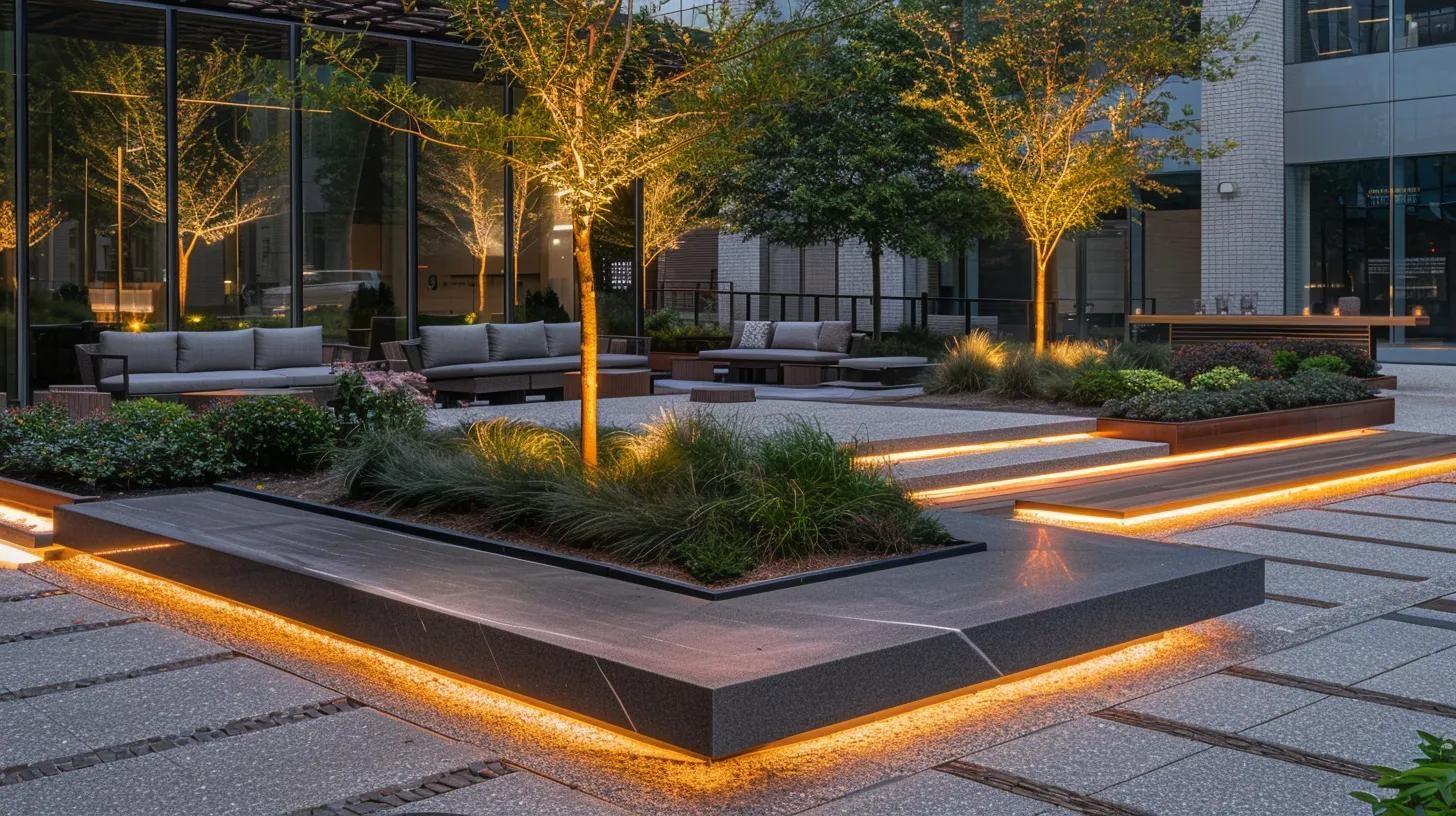
Understanding the durability and maintenance requirements for each patio material is essential for long-term satisfaction and sustainability. Proper upkeep is crucial, especially where weather extremes are common. Maintenance involves regular cleaning, periodic repairs, and seasonal treatments to overcome environmental impacts such as heat, rain, and freeze-thaw cycles. For more detailed guidance on patio care, contact us to learn how different materials perform when subjected to heavy foot traffic, UV exposure, and weather extremes. Should you need tailored advice, please contact us for expert recommendations.
Which Outdoor Patio Materials Withstand Heavy Use Best
Materials such as stamped concrete, brick pavers, and composite decking are known for their exceptional resistance to wear and tear. Stamped concrete, for example, is engineered to endure high traffic without significant cracking or discoloration even when exposed to constant use and harsh climates. Brick pavers, built from fired clay, are equally resilient in terms of their ability to withstand heavy loads and repetitive stepping, making them suitable for patios that double as social hubs. Composite decking offers uniform strength and stays sturdy over long use. These materials are especially recommended for high-use areas, where durability is paramount. For more bespoke projects, contact us to learn more about integrating these high-performance surfaces.
Understanding Long-Term Care Requirements for Each Material
Long-term care varies considerably among patio materials. Concrete generally needs periodic resealing to prevent water penetration and staining, while natural stone might require professional cleaning and resealing after several years to keep its polished look. Wood decking demands the most intensive care: regular cleaning, resurfacing and protective treatments to prevent warping, mold or insect damage. Although composite materials claim low maintenance, occasional inspections and cleaning are advised to prevent surface build-up. For further guidance, contact us. Homeowners should anticipate that every material, regardless of its durability, requires at least some degree of ongoing care to secure its longevity and preserve aesthetic value.
Resistance to Stains, Spills, and Weather Damage
Stain resistance is an important factor when choosing patio materials. Concrete, when properly sealed, resists stains from food, beverages, and oils effectively. Brick naturally repels water due to its dense composition, but can be vulnerable to acidic spills over time if not maintained. Natural stone varies by type—the porous nature of limestone may require more frequent maintenance compared to non-porous travertine or bluestone. Composite decking offers the additional benefit of being colorfast and resistant to stains because of its synthetic composition. Selecting a material that withstands common household spills as well as environmental stresses is crucial for minimizing repair costs and the frequency of maintenance treatments. For further guidance, please contact us.
Repairability and Lifespan of Common Patio Materials
The ease of repair is another important consideration. Brick pavers and concrete surfaces allow for simple replacement of individual units when damaged, minimizing disruptions to the overall patio design. Natural stone, while beautiful, might require specialized skills for replacement and matching existing patterns, so if you encounter issues, you can always contact us for professional guidance. Wood decking repairs can be labor-intensive, often necessitating full board replacements. In contrast, composite decking is engineered for minimal repair, with many manufacturers offering extended warranties that attest to its longevity. Understanding the lifespan and repair options of each material can guide homeowners in selecting a product that offers not only initial aesthetic appeal but also long-term economic viability.
How Material Choice Affects Overall Patio Longevity
The relationship between material choice and overall patio longevity is direct and substantial. Durability factors such as weather resistance, maintenance frequency, and ease of repair all contribute to how long a patio will look and perform well. Homeowners who choose materials like stamped concrete or composite decking are likely to see a longer life span and lower total maintenance costs than those who choose untreated wood. Additionally, the initial quality of installation and the proper application of sealants and stains can further extend the life of any chosen material. A well-constructed patio, chosen with a focus on durability and speed of repair, is more likely to retain its functionality and beauty for decades, ensuring that the investment translates into sustained outdoor enjoyment and aesthetic appeal. For further information, contact us.
Budgeting for Your New Outdoor Patio Material Installation
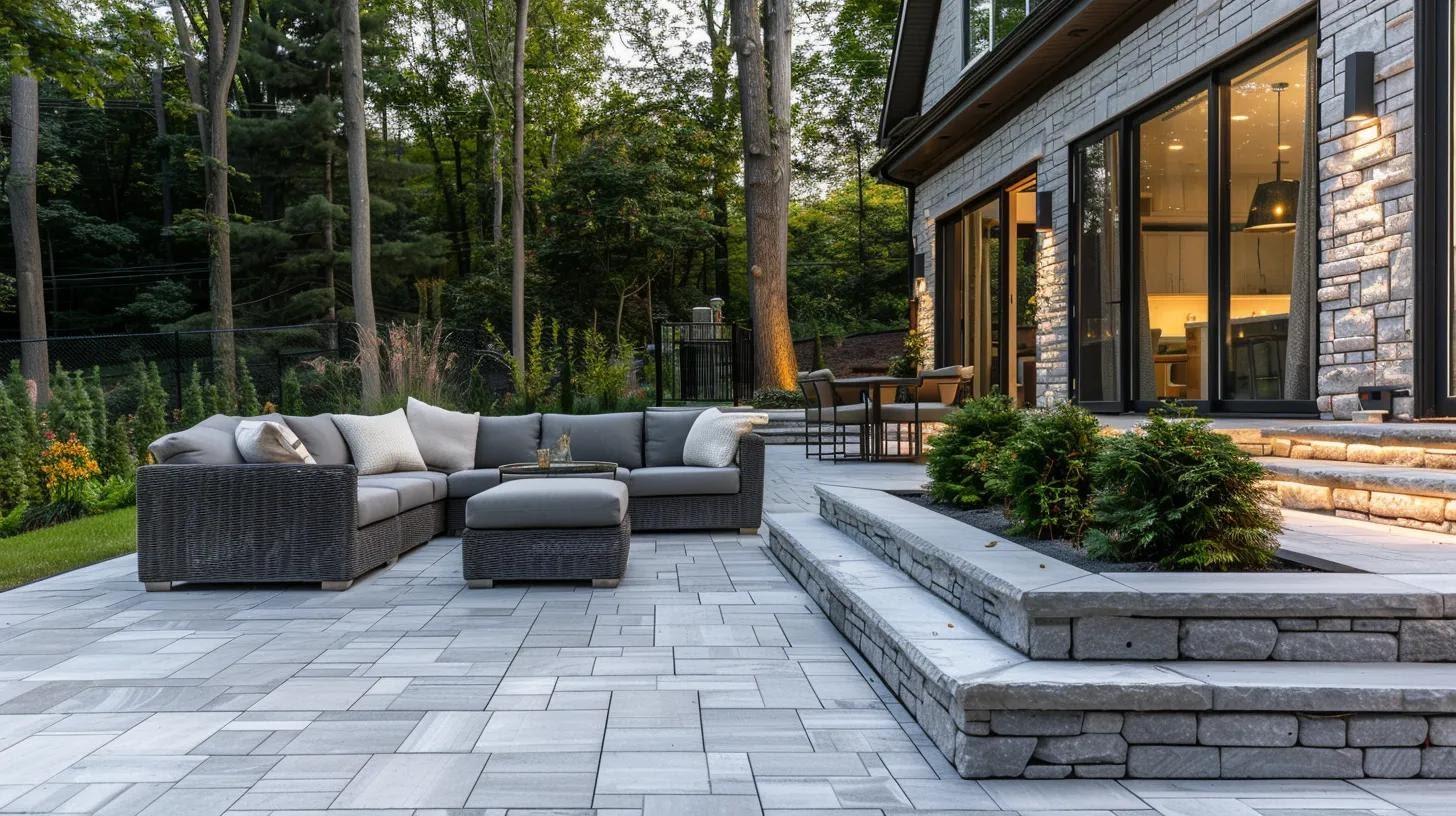
Budget considerations play a critical role in the decision, and the cost of materials is just one part of the overall expense. Homeowners need to balance initial purchase prices, installation costs and long-term maintenance when planning an outdoor patio. An effective budgeting strategy requires comparing not only the upfront costs of different materials but also their projected lifespan and maintenance requirements to ensure a high return on investment. For further guidance on optimizing your project, please contact us for personalized advice.
Initial Cost Versus Lifetime Value of Patio Materials
When comparing materials such as concrete, brick, or natural stone, the initial cost can vary significantly. When judging cost-effectiveness, consider both the upfront and the long-term costs. Concrete is typically the most budget-friendly option, while natural stone can be more expensive. However, a higher initial expenditure may be justified if the material offers lower lifetime maintenance costs and longer durability. It is essential to evaluate long-term value by considering potential repair costs, the durability of the material and any comfort benefits, such as surfaces that stay cooler in hot weather. For tailored advice on durability and budgeting, contact us. Composite decking costs more than wood up front, but its lower maintenance and longer life can balance out that cost, especially where the weather is harsh.
Comparing Installation Expenses for Different Outdoor Patio Surfaces
Installation techniques and labor costs also vary from project to project. Concrete patios may require professional finishing and stamped designs, which can increase initial costs. Brick pavers demand precise groundwork and layout, so homeowners are advised to contact us for expert guidance on labor expenses. Natural stone installations often necessitate skilled masons to ensure an even and attractive finish. Homeowners should obtain multiple quotes and understand the intricacies of each method to ensure that installation expenses are factored into their budget. Comparisons should be based on a per-square-foot analysis to accurately estimate and manage costs, ensuring that the aesthetic, durability, and functionality expectations are met within budget. For additional guidance, contact us.
Identifying Hidden Costs in Patio Construction
Beyond the apparent material and installation expenses, several hidden costs can impact the project budget. These costs may include site preparation, such as leveling or laying a proper sub-base, drainage installation, and additional treatments like sealants or stains. Unexpected repairs or adjustments during or after installation might also arise, adding to the overall cost. For further clarifications, please contact us. It is advisable for homeowners (and if you have any questions, contact us) to establish a contingency fund to cover these unforeseen expenses. Understanding these hidden costs early in the planning process can prevent budget overruns and lead to a more successful project execution.
Finding Quality Materials Within Your Price Range
Quality does not always have to be synonymous with high cost. Today’s market offers a range of options in every price category without compromising significantly on performance or aesthetics. Researching suppliers, reading reviews, and seeking recommendations can aid in identifying high-quality products that meet your style and durability requirements. Homeowners should look for materials with certifications or warranties, as these often indicate a higher standard of performance and durability. Opting for reputable suppliers and ensuring that installation teams are experienced can help maximize both utility and lifespan while balancing cost.
How Your Chosen Material Affects Future Resale Value
The choice of outdoor patio materials can also affect the resale value of the home. Well-designed, durable, and aesthetically pleasing patios are often seen as valuable outdoor extensions that can attract potential buyers—if you're ready to enhance your investment, contact us for guidance. Materials that contribute to a modern or classic look, such as natural stone or brick pavers, can significantly enhance curb appeal and add to long-term property value. Investing in high-quality, long-lasting materials may cost more initially but can pay off at resale, since the outdoor area is a key selling point for many buyers. Therefore, it is important to analyze your patio material choice from both a cost perspective and an investment perspective.
Aesthetic Appeal How Different Materials Shape Your Outdoor Patio's Look
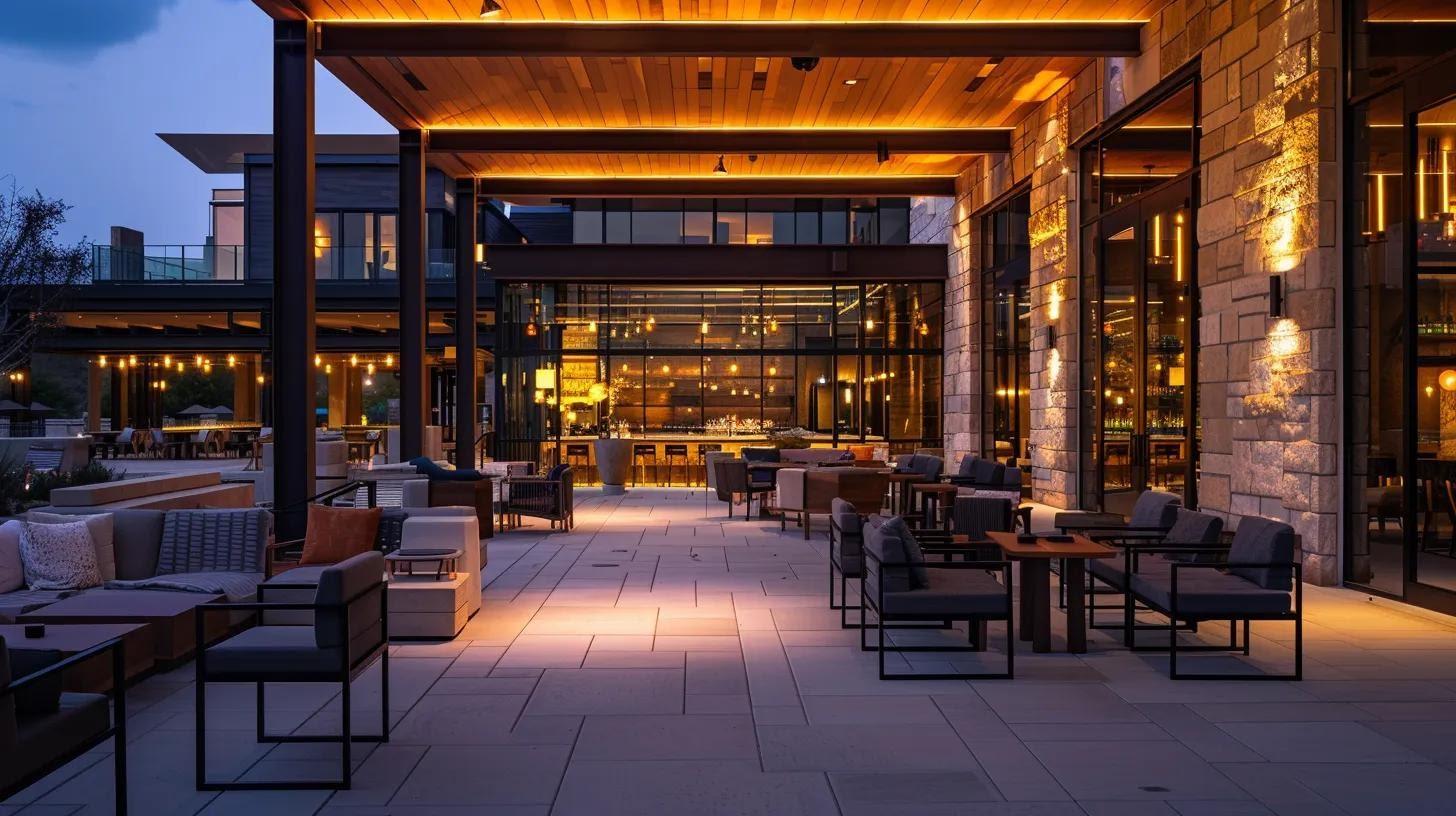
The aesthetic appeal of an outdoor patio strongly influences the overall enjoyment and perceived value of your space. contact us to learn more about achieving the perfect finish. Different materials offer unique visual and tactile characteristics. Homeowners seeking a modern design might gravitate toward sleek surfaces like polished concrete or composite decking, while those desiring a rustic, natural ambiance may find natural stone or wood decking more appropriate. The overall design is dependent upon the textures, colors, patterns, and integration with existing landscaping elements, which ultimately shape the experience of the patio environment.
Creating a Modern Sleek Outdoor Patio Design
For contemporary homes, materials like polished concrete, engineered stone and composite decking can create a streamlined, modern appearance. These materials often feature clean lines, neutral color palettes, and a minimalist aesthetic that is both durable and attractive. Modern designs emphasize simplicity, geometric patterns, and the integration of functional elements such as built-in seating, ambient lighting, and water features; for further inquiries, contact us to learn more about these innovative design solutions. By selecting materials with uniform textures and modern finishes, homeowners can create an outdoor space that mirrors the interior of the house while standing up to heavy use and harsh weather.
Achieving a Rustic or Natural Ambiance With Patio Materials
For many, the ideal outdoor space captures the charm and warmth of nature. Wood decking, brick pavers and natural stone are particularly suitable for creating a rustic, earthy feel. These materials imbue the patio with textures and colors reminiscent of a countryside retreat or a traditional garden lodge. By blending these elements with natural landscaping—such as planters filled with native plants, garden furniture with organic curves, and soft lighting—homeowners can evoke a sense of relaxation and timeless beauty. Rustic patios offer an oasis that contrasts with everyday life, and they are versatile enough to be updated with modern touches over time. For more design ideas or if you're interested in updating your space, contact us.
Color, Texture, and Pattern Options for Your Outdoor Patio
One of the most enjoyable aspects of planning an outdoor patio is selecting from a vast array of colors, textures, and patterns. Concrete can be colored, stamped, or stained to mimic other materials, offering designers significant flexibility. Brick pavers come in various hues from deep red to muted earth tones, each giving a patio its own character. Natural stone offers inherent variations, with each piece possessing distinctive color patterns and textural details that no two slabs match exactly. Additionally, wood and composite options provide a warm, inviting look that can be further enhanced with decorative finishes or treatments that adjust the intensity and warmth of the colors. For those seeking a contemporary twist, creative paver arrangements can make an outdoor space feel both personal and timeless. Homeowners have countless design permutations that allow them to personalize their outdoor spaces to suit their lifestyle and complement the architectural details of their home.
Integrating Your Patio Seamlessly With Landscaping
A seamless integration of the patio with the surrounding landscape enhances both the aesthetic appeal and the functionality of outdoor spaces. The chosen material should complement existing garden elements such as lawns, flower beds, and trees. For example, natural stone patios can echo the organic forms found in nature, while wood decking blends well with lush green landscaping. Strategic placement of planters, outdoor lighting, and water features can further tie the hardscape to the softscape, creating a unified design narrative. The goal is to ensure that the transition from the indoor living area to the outdoor patio is as smooth and cohesive as possible, resulting in a space that is inviting, relaxing, and visually captivating.
How Lighting Complements Various Patio Material Finishes
Lighting plays an essential role in highlighting the features of your outdoor patio. The interplay of light and shadow can dramatically enhance the texture, color, and overall impact of the chosen material. For example, harsh direct lighting might emphasize the cool, smooth finish of polished concrete, while subtle, indirect lighting can highlight the natural grain of wood or the irregular textures of natural stone. Outdoor lighting options such as LED strips, pendant lights, and spotlights can be strategically placed to create ambient settings that complement both day and night aesthetics. Proper lighting not only adds visual appeal but also improves safety and usability in the evening. Contact us for more insights.
Which Outdoor Patio Material Performs Best in Your Climate
When selecting a material for an outdoor patio, it's wise to choose options that have proven durable in challenging weather. Climate considerations are paramount. The performance of a material can vary significantly depending on local environmental factors such as heat, humidity, rainfall, and fluctuations in temperature. Where humidity and temperature swings are common, homeowners should closely evaluate how different materials respond to those conditions to ensure longevity and lasting appeal. This section examines the key factors to consider when choosing a material based on climate-specific performance, including resistance to high temperatures, heavy rain, freeze-thaw cycles, and moisture in coastal or humid environments. For further tips on material selection, contact us.
Selecting Materials Suited for Hot and Sunny Regions
In regions that experience intense heat and prolonged periods of sunlight, materials with high reflectivity and low heat absorption are crucial. Recent studies in thermal efficiency of these solutions have further verified the durability and thermal efficiency of these solutions. Polished concrete and porcelain tiles are examples of surfaces that remain relatively cool under direct sunlight. These materials not only reflect heat but also integrate well with modern, energy-efficient designs. Composite decking is also a good choice for sunny climates due to its engineered composition that resists UV degradation. Additionally, choosing materials with light colors can help reduce heat absorption and maintain a comfortable surface temperature for bare feet. By selecting materials that work well in high-temperature conditions, homeowners can enhance outdoor comfort and safeguard against heat-related surface deterioration. For more inquiries, please contact us for further details. We encourage you to contact us if you need personalized recommendations.
Best Outdoor Patio Surfaces for Areas With Heavy Rainfall
Where heavy rainfall is common, good drainage and water resistance are essential. Permeable paving and stamped concrete with proper drainage systems are excellent options; they allow water to seep through and reduce standing water that can lead to stains and premature wear. Brick pavers, when installed with adequate gaps and joint fillers, permit airflow and drainage, further reducing moisture-related issues. Composite materials typically resist water absorption, making them suitable for rainy climates. The key factor is the installation of an effective sub-base and drainage solutions to prevent water pooling—if further assistance is needed, contact us—to enhance the longevity and safety of the patio surface.
Choosing Materials That Endure Freeze Thaw Cycles
Where freeze-thaw cycles are common, it is vital to choose materials that can withstand these temperature swings. Brick pavers and dense natural stone such as bluestone or granite are known for withstanding repeated expansion and contraction without significant damage. Concrete surfaces designed with proper air entrainment can also withstand freeze-thaw stress, although they require meticulous maintenance to avoid cracking and surface spalling. Homeowners should consider the mineral composition and structural properties of materials to ensure that they are suited to local winter conditions. Regular inspections and resealing can further protect these surfaces from the effects of freezing temperatures and subsequent thawing, so if you need further guidance, contact us.
Patio Material Considerations for Coastal or Humid Environments
Coastal and humid regions present extra challenges from high moisture, salt air and fungal growth. Natural stone and porcelain tile are excellent in these settings because they resist moisture well. Composite decking is also popular, as it resists moisture, mold, and rot better than traditional wood. However, even these materials should be installed with consideration for proper drainage and ventilation to avoid issues caused by prolonged exposure to humidity. Choices that reduce the risk of algae or moss growth, such as non-porous surfaces with smooth finishes, can also contribute significantly to long-term performance in these environments. For more detailed advice, please contact us.
Adapting Your Material Choice to Microclimates in Your Yard
Not all outdoor spaces experience uniform weather conditions; microclimates often play a major role in material performance. Parts of your yard may be shaded and cooler, while other areas might receive full sun exposure or have higher moisture levels due to proximity to trees or water features. Homeowners should assess the specific microclimates within their yard and select materials appropriately (contact us for expert advice). For example, an area under a large tree may suit wood or composite decking, whereas an open, sun-exposed space might be better suited to durable concrete or porcelain tile. Tailoring material choices to these localized conditions ensures that the patio performs optimally across different sections of the yard.
Final Thoughts
In summary, choosing the best material for your outdoor patio requires careful consideration of how you intend to use the space, your home’s architectural style and local environmental conditions. Durability and maintenance vary widely among options such as concrete, brick, natural stone, wood and composite decking. Budgeting for both initial costs and long-term upkeep, as well as the material’s impact on resale value, is crucial for a successful project. Ultimately, by aligning your material choice with your functional needs, aesthetic preferences, and local climate, you can create a beautiful, long-lasting outdoor oasis that enhances your lifestyle and home value. For additional advice, contact us to ensure every detail meets your expectation.
Frequently Asked Questions
Which patio material is the most durable?
Materials like stamped concrete, brick pavers, and composite decking are known for high durability and can withstand heavy use, extreme weather, and minimal maintenance when installed properly.
How do I choose a patio material that complements my home’s style?
Consider your home’s architecture: modern homes may favor sleek concrete or composite surfaces, while traditional designs can benefit from brick, natural stone or wood. For personalized advice on creating a seamless transition between indoor and outdoor spaces, contact us.
Are natural stone patios worth the higher initial cost?
Yes, natural stone offers lasting beauty and longevity with minimal upkeep when sealed properly, and it gives a patio a unique, timeless look. For more details, contact us.
What is the best material for a patio in a coastal environment?
In coastal areas, materials that resist moisture and salt corrosion, such as porcelain tiles or natural stone like granite, are recommended. Composite decking is also popular because it resists mold and rot. If you need more guidance on your patio project, feel free to contact us for expert advice. For further technical insights, you can also contact us to explore additional options for residents facing challenging coastal climates.
How does climate affect the choice of patio materials?
Climate impacts factors such as heat absorption, water drainage, freeze-thaw durability, and resistance to humidity. Evaluating local weather patterns is essential to choosing a material that is both functional and attractive year-round. Homeowners may need to consider materials that can handle local extremes. For more specific advice or tailored solutions, feel free to contact us.



You May Also Like

Sep 12, 2026
3 min
How to Keep Landscape Edging Straight
Sep 11, 2026
3 min
How to Decorate a Patio: Ideas for 2025 and 2026
Sep 9, 2026
3 min
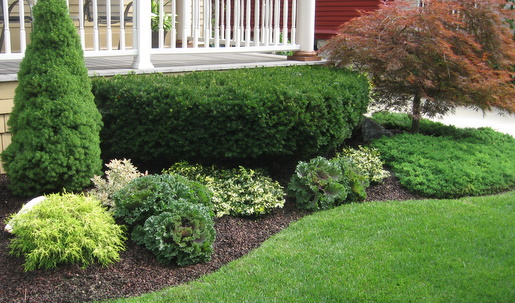
How to Trim Around Landscape Edging
Sep 7, 2026
3 min
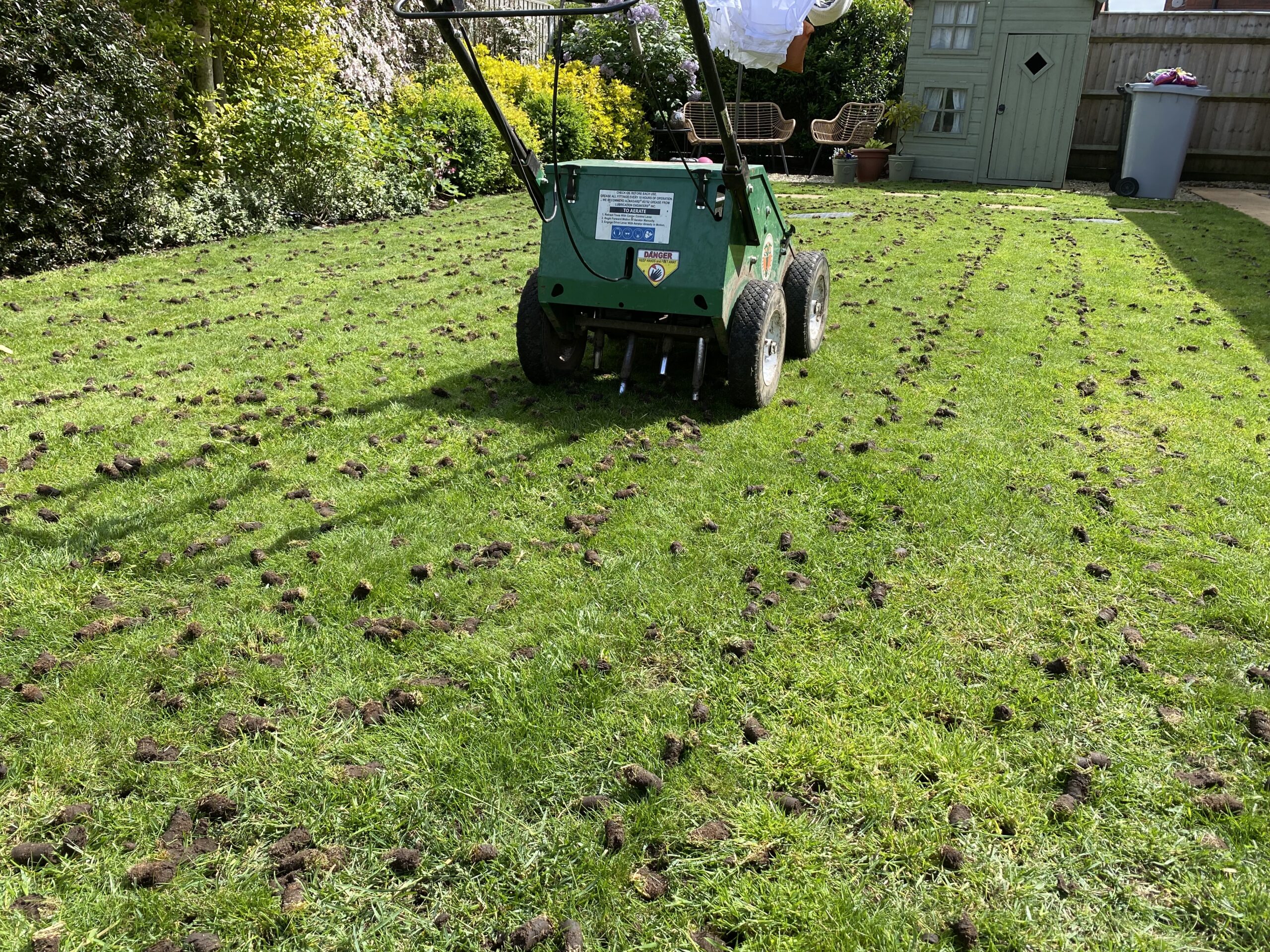
What Does a Lawn Look Like After Aeration
Have a Project in Mind?
If this post sounds like your yard, tell us about it. Request an estimate online or give us a call, and we’ll talk through what your property needs.




Transforming Huntsville & Madison yards since 2011 with expert landscape design, garden makeovers, mulching, and top-quality installations.


