Providing Best Services in Huntsville & Madison, AL


Follow us on Social.





Jul 16, 2026

3 MIN

Lawn Care
How to tell the difference between zoysia and bermuda grass
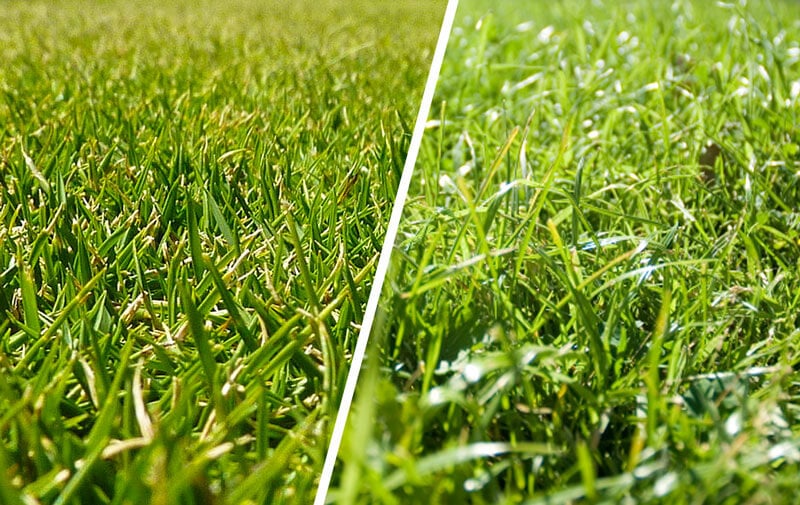
You can tell the difference between zoysia and bermuda grass by checking five things: blade width, blade texture, the presence or absence of fine hairs on the leaf surface, turf density, and color. Zoysia has wider, stiffer blades with visible hairs, while bermuda has narrower, softer blades with a smooth surface. Bermudagrass is the most common lawn grass in Alabama, according to LawnStarter, but zoysia is steadily gaining popularity as homeowners discover its lower maintenance needs and natural weed resistance. Knowing which grass you have determines everything from mowing height to fertilizer schedule to watering frequency. This guide walks through each identification test, compares the two grasses side by side, and explains what to do differently depending on which one is growing in your yard.
How to Tell the Difference Between Zoysia and Bermuda Grass
Telling zoysia apart from bermuda takes less than a minute once you know what to look for. The five tests below work on any lawn, in any season, without special tools. Run through them in order for the most reliable identification.
Test 1: Check blade width. Pull a single grass blade from the lawn and hold it flat between your fingers. Zoysia blades measure 2 to 7 millimeters wide depending on the variety, according to ABC Home and Commercial Services. Bermuda blades measure only 1.5 to 2 millimeters wide. The difference is visible without a ruler. Zoysia blades look noticeably wider and more substantial next to bermuda blades.
Test 2: Feel the texture. Run your open hand across the grass, against the grain of the blades. Zoysia feels stiff, coarse, and slightly prickly against your palm because of the high silica content in the blades, according to Biology Insights. Bermuda feels fine, soft, and flexible. This texture difference is the fastest field test for identification. If the grass pushes back against your hand, it is almost certainly zoysia.
Test 3: Look for hairs on the blade. Examine a single blade closely, preferably with a magnifying glass. NC State Extension confirms that zoysiagrass has fine upright hairs standing on the surface of the leaf blade, while bermudagrass does not. The hairs are small but visible to the naked eye in good light. Check the collar area where the blade meets the stem. Zoysia has a fringe of fine white hairs at this junction, called a ciliate ligule. Bermuda has a smooth, membranous ligule without a hair fringe.
Test 4: Push your finger through the turf. Press your index finger straight down through the grass canopy toward the soil. Zoysia resists your finger because the interlocking stolons, rhizomes, and tillers form an extremely tight mat. Bermuda allows your finger through with noticeably less resistance. Zoysia's density is one of the reasons it suppresses weed infestation more effectively than bermuda.
Test 5: Look under the canopy. Part the grass blades and look at the base of the turf near the soil line. The Zoysia Lawn Guide notes that bermuda tends to show brown stalks beneath the green blades, while zoysia maintains green coloring through the entire visible canopy. Brown stalks under a green top is a strong indicator of bermuda.
What Does Zoysia Grass Look Like vs Bermuda Grass?
Zoysia grass looks like a dense, tightly woven carpet of stiff green blades, while bermuda grass looks like a finer, softer turf that grows lower to the ground. The visual differences become clear when you compare specific traits side by side. Homeowners choosing between these two grass types need to understand how each one looks, feels, and performs through the seasons.
TraitZoysia GrassBermudagrassBlade width2-7mm (medium to wide)1.5-2mm (fine)Blade textureStiff, coarse against the grain; cushioned underfootFine, soft, flexibleColorDeep green to emeraldLight to medium bright greenBlade hairsPresent; upright on leaf surfaceAbsent; smooth leaf surfaceTurf densityExtremely dense; resists finger pushDense but allows finger through easilyGrowth rateSlow to moderate; 1-2 inches/month lateral spreadFast; fills bare ground rapidlySpreading methodStolons + rhizomes (dual system)Stolons primarily, some rhizomesShade toleranceModerate; 4-6 hours minimum sunPoor; needs 8+ hours full sunMowing height1-2 inches0.5-1.5 inchesMowing frequencyEvery 10-14 daysEvery 5-7 daysNitrogen needs1-3 lbs per 1,000 sqft per year3-6 lbs per 1,000 sqft per yearWinter dormancyBrown; holds green longer into fallBrown; goes dormant earlier in fallUnder-canopy appearanceGreen through the entire canopyBrown stalks visible beneath green blades
Sources: NC State Extension, Pennington, ABC Home and Commercial, LSU AgCenter, UF IFAS
How to Identify Zoysia vs Bermuda in Winter
Winter is the hardest time to tell zoysia and bermuda apart because both grasses turn brown during dormancy. However, the timing and pattern of dormancy and green-up provide the clearest seasonal identification clue.
Bermuda enters dormancy earlier in fall, typically turning brown after the first sustained cool nights below 60 degrees Fahrenheit. Zoysia holds its green color 2 to 4 weeks longer into fall, according to Pennington. In spring, the pattern reverses. Bermuda greens up earlier as temperatures warm, while zoysia stays brown until soil temperatures reach about 65 degrees. During the spring transition, typically March through April, you can spot zoysia as the brown patches in an otherwise greening lawn.
The texture test works year-round, even on dormant turf. Grab a handful of brown grass and squeeze. Dormant zoysia still feels stiff and wiry. Dormant bermuda feels thin and papery. The underlying thatch layer also helps. Zoysia's dense thatch creates a spongy feel underfoot even when brown. Bermuda's thinner thatch feels firm and flat.
If you notice patches of different grass types in your lawn during the spring green-up, you likely have a mixed lawn that needs different care in different zones. We see this often in our region, where bermuda dominates open sun areas and zoysia sometimes occupies shadier sections near trees or buildings.
Will Bermuda Grass Choke Out Zoysia?
Bermuda grass can invade zoysia areas in full-sun conditions because bermuda spreads faster and more aggressively. Willis Lawn Services confirms that bermuda's rapid growth through stolons allows it to overtake slower grasses over time. However, established zoysia holds its ground through sheer density. Zoysia's tight mat of interlocking stolons, rhizomes, and tillers makes it difficult for bermuda runners to penetrate once zoysia reaches full coverage.
The battle between the two grasses depends on sunlight. In full sun, bermuda has the advantage because it grows faster and produces more runners. In partial shade (4 to 6 hours of sun), zoysia wins because bermuda cannot sustain healthy growth below 8 hours of direct sunlight. Managing the boundary between zoysia and bermuda zones requires either physical edging or targeted weed control to prevent either grass from encroaching on the other.
Can You Mix Zoysia Grass with Bermuda Grass?
You can have both zoysia and bermuda in the same yard, but mixing them in the same lawn area produces an uneven, patchy appearance because the two grasses differ in color, texture, mowing height, and dormancy timing. A yard with bermuda in the sunny front and zoysia in the shadier back creates a practical division that matches each grass to its strengths. A yard where both grasses intertwine in the same section looks inconsistent and is nearly impossible to maintain at one mowing height because zoysia needs 1 to 2 inches while bermuda performs best at 0.5 to 1.5 inches.
Zoysia vs Bermuda: Which Grass Needs Less Maintenance?
Zoysia grass needs less maintenance than bermuda grass across every major care category. The difference adds up to fewer hours of work per month and lower input costs over the life of the lawn. Professional landscape design considers these maintenance differences when recommending grass types for different properties.
- Mowing frequency: Zoysia needs mowing every 10 to 14 days during peak growth. Bermuda needs mowing every 5 to 7 days. Over a 6-month growing season, bermuda requires roughly twice as many mowing sessions as zoysia.
- Fertilizer: Zoysia needs 1 to 3 pounds of nitrogen per 1,000 square feet per year, according to Pennington and UF IFAS. Bermuda needs 3 to 6 pounds. Zoysia uses half the fertilizer or less to maintain healthy growth and color.
- Watering: Zoysia needs 0.5 to 1 inch of water per week during active growth. Bermuda performs best with 1 to 1.5 inches. Zoysia's deeper root system, which reaches 6 to 12 inches compared to bermuda's 4 to 6, allows it to access moisture that bermuda roots cannot reach.
- Weed control: Zoysia's dense turf naturally chokes out most weeds once established, according to NC State Extension. Bermuda requires more pre-emergent and post-emergent herbicide applications because its canopy is less resistant to weed penetration.
- Thatch management: Zoysia builds thatch faster than bermuda and needs periodic dethatching or aeration. Bermuda produces less thatch but needs more frequent scalping to prevent a layered, thatchy appearance from rapid growth.
Which Is Better for Shade, Zoysia or Bermuda?
Zoysia is better for shade than bermuda. Zoysia tolerates 4 to 6 hours of direct sunlight per day depending on the variety, while bermuda needs a minimum of 8 hours of full sun to maintain healthy growth. NG Turf reports that Zeon Zoysia thrives with as little as 4 hours of sunlight, making it the strongest shade performer among warm-season grasses. Bermuda growing in partial shade becomes thin, leggy, and prone to disease within one to two seasons.
For yards with mature trees, the shade line shifts throughout the day and across seasons as the sun angle changes. Zoysia handles this shifting light pattern because it continues growing at moderate light levels where bermuda stops producing new tillers. Properties where deep shade prevents either grass from growing benefit from low-maintenance plants as groundcover under the densest canopy areas.
Will Zoysia Grass Fill in Bare Spots on Its Own?
Yes, zoysia grass fills in bare spots on its own through its dual spreading system of stolons above ground and rhizomes below ground. Stolons creep across the surface of bare soil and put down roots at regular intervals. Rhizomes push through the soil underground and send up new shoots in areas adjacent to the bare spot. The fill-in rate depends on the size of the bare area and the health of the surrounding turf. Small bare spots the size of a dinner plate typically close within one growing season. Larger areas take two or more seasons without intervention.
Speeding up the fill-in process requires fertilizing, watering consistently, and keeping weeds out of the bare area while the runners advance. Properties with widespread bare patches or dead gardens may benefit from plugging or sodding rather than waiting for natural spread.
Bermuda fills bare spots faster than zoysia because of its aggressive growth rate. If speed of recovery matters more than density and long-term maintenance, bermuda has the edge. Avoiding common sod mistakes during installation gives either grass type the best chance at fast establishment.
Professional lawn installation matches the grass type, soil preparation, and planting method to your yard's specific conditions for the strongest long-term results.
What to Do After You Identify Your Grass Type
Once you know whether your lawn is zoysia or bermuda, adjust your care routine to match that grass type's specific needs. The wrong mowing height, fertilizer schedule, or watering routine for your grass type wastes time and money while producing a lawn that underperforms. Follow these steps to set up the right maintenance plan:
- Set your mower to the correct height. Zoysia performs best at 1 to 2 inches. Bermuda performs best at 0.5 to 1.5 inches. Mowing bermuda too tall makes it look thin and leggy. Mowing zoysia too short scalps the dense canopy and exposes brown thatch.
- Adjust your mowing frequency. Mow zoysia every 10 to 14 days during peak summer growth. Mow bermuda every 5 to 7 days. Bermuda that goes longer than 10 days between cuts develops excessive top growth that looks brown and ragged after mowing.
- Test your soil and fertilize accordingly. Zoysia needs 1 to 3 pounds of nitrogen per 1,000 square feet per year, split into two to three applications during late spring and summer. Bermuda needs 3 to 6 pounds. Soil amendment corrects pH and nutrient imbalances that hold either grass type back from peak performance.
- Water based on your grass type's root depth. Zoysia's deeper roots allow deeper, less frequent watering. Bermuda's shallower roots need more frequent irrigation to prevent drought stress between waterings. Professional sod installation ensures the root zone gets properly prepared for whichever grass type you choose.
- Schedule lawn aeration during the correct window. Aerate zoysia in late spring to early summer. Aerate bermuda during the same window. Both grasses benefit from core aeration on compacted clay soil, which is common across this region.
- Plan weed control based on turf density. Established zoysia suppresses most weeds naturally, so spot treatment handles the few that break through. Bermuda lawns typically need pre-emergent herbicide in early spring and fall to prevent crabgrass and other annual weeds from establishing in the less dense canopy.
Frequently Asked Questions
Will Zoysia Grass Take Over My Whole Yard?
Yes, zoysia grass will eventually take over a yard if left unchecked because its stolons and rhizomes spread steadily in all directions. Willis Lawn Services notes that zoysia's aggressive nature means it will spread and take over any grass around it given enough time. Zoysia planted in one section will gradually invade adjacent bermuda or fescue areas over multiple growing seasons. Physical edging or border maintenance controls where zoysia stops.
What Is the Mowing Height for Zoysia vs Bermuda?
The mowing height for zoysia is 1 to 2 inches. The mowing height for bermuda is 0.5 to 1.5 inches. Pennington and LSU AgCenter confirm these ranges for optimal health and density in both grass types. Mowing either grass below its recommended range causes scalping and exposes the thatch layer, which turns the lawn brown and invites weed germination.
Does Zoysia Grass Look Like Bermuda Grass?
Zoysia grass looks similar to bermuda grass from a distance because both are warm-season grasses that form a green carpet during summer and go brown in winter. Up close, the differences are clear. Zoysia has wider, stiffer blades with visible hairs. Bermuda has narrower, softer blades with a smooth surface. Zoysia appears darker green while bermuda appears lighter and brighter green.
Is Zoysia or Bermuda Better for a Warm Climate?
Both zoysia and bermuda perform well in warm, humid climates across the Southeast. Bermuda is better for full-sun yards with heavy foot traffic where fast recovery matters. Zoysia is better for yards with partial shade, homeowners who want less mowing, and properties where natural weed suppression reduces the need for chemical treatments. Alabama receives 56.88 inches of rainfall annually, according to the UAH Climatologist, which provides enough moisture for both grass types with minimal supplemental irrigation.
How Do You Thicken a Zoysia Lawn?
Thicken a zoysia lawn by maintaining the correct mowing height of 1 to 2 inches, fertilizing with 1 to 3 pounds of nitrogen per 1,000 square feet per year, watering 0.5 to 1 inch per week, and aerating annually to relieve soil compaction. Consistent mowing stimulates lateral growth by encouraging the grass to spread outward through stolons and rhizomes rather than growing tall. Core aeration loosens compacted soil and creates channels that rhizomes colonize as they expand.
What It All Comes Down To
Zoysia and bermuda are both excellent warm-season grasses, but they look different, feel different, grow at different speeds, and require different care routines. The fastest way to tell them apart is the touch test: zoysia feels stiff and pushes back against your hand, while bermuda feels soft and bends easily. From there, blade width, hair presence, turf density, and dormancy timing confirm the identification. Knowing which grass you have lets you set the right mowing height, apply the right amount of fertilizer, water at the right depth, and maintain the thick, healthy lawn each grass type is capable of producing.
If you are not sure which grass is in your yard or want help transitioning to the best type for your property, White Shovel Landscapes can identify your turf, test your soil, and recommend the right plan for your yard's sun, shade, and traffic conditions.
Call us at 256-612-4439 for a free estimate.


You May Also Like

Sep 12, 2026
3 min
How to Keep Landscape Edging Straight

Sep 11, 2026
3 min
How to Decorate a Patio: Ideas for 2025 and 2026
Sep 9, 2026
3 min
How to Trim Around Landscape Edging
Sep 7, 2026
3 min
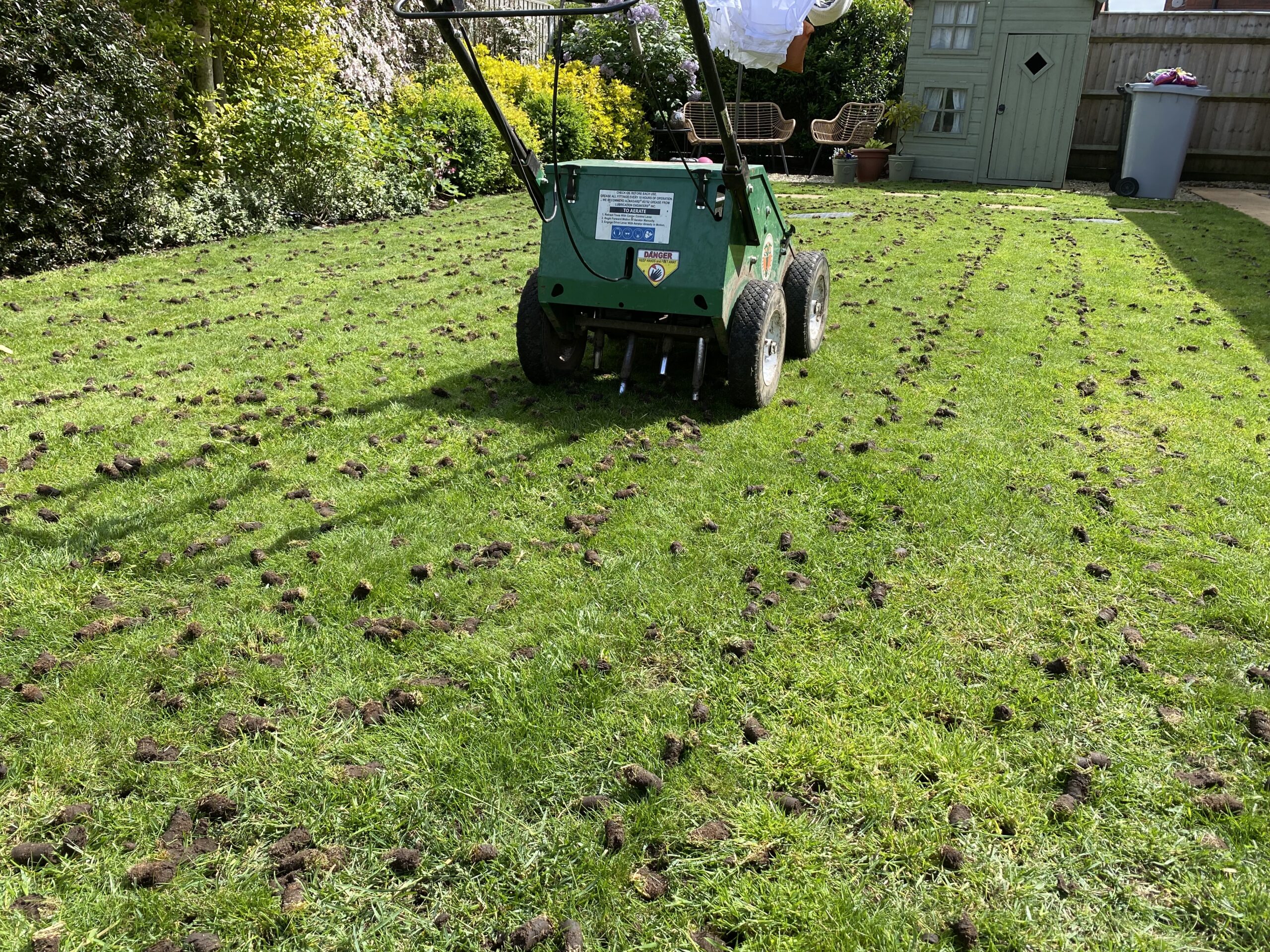
What Does a Lawn Look Like After Aeration
Have a Project in Mind?
If this post sounds like your yard, tell us about it. Request an estimate online or give us a call, and we’ll talk through what your property needs.




Transforming Huntsville & Madison yards since 2011 with expert landscape design, garden makeovers, mulching, and top-quality installations.


