Providing Best Services in Huntsville & Madison, AL


Follow us on Social.





May 18, 2026

3 Min

Landscaping
Erosion Control Methods for Sloped Landscapes
Erosion control methods for sloped landscapes include retaining walls, ground cover plants, French drains, terracing, mulching, and proper grading to stabilize soil and redirect water runoff on hillsides.
Erosion control methods for sloped landscapes work by stabilizing the soil, slowing water runoff, and anchoring the ground with roots, walls, or drainage systems. The best approach depends on how steep the slope is, what type of soil you have, and how much rainfall your area gets. A gentle slope may only need ground cover plants and mulch, while a steep hillside often requires retaining walls, French drains, and professional grading to stop soil from washing away.
This article covers the most effective erosion control methods for residential slopes, from plant-based solutions to structural fixes. We explain what works for each type of slope, how to choose the right method, and how to combine multiple techniques for lasting results.
Erosion Control for Sloped Landscapes Starts With the Right Method
Erosion is one of the most common and costly problems in residential landscaping. According to the USDA Natural Resources Conservation Service (NRCS), the United States loses approximately 1.70 billion tons of soil each year from wind and water erosion. The Natural Resources Defense Council (NRDC) estimates that this costs roughly $37.6 billion in productivity losses annually. While those numbers reflect mostly agricultural land, the same forces hit your backyard every time it rains.
On sloped land, gravity makes erosion even worse. Water picks up speed as it runs downhill, pulling topsoil, mulch, and nutrients with it. Over time, you end up with bare patches, gullies, exposed roots, and foundation problems. Yard erosion is something we see all the time in yards across the region, especially during the heavy rain months between November and April.
The good news is that erosion on slopes is very fixable. The key is matching the right method to your slope's steepness, soil type, and drainage patterns.
What Is the Best Ground Cover to Stop Erosion?
The best ground cover to stop erosion is a dense, low-growing plant with a spreading root system that anchors the soil and slows water flow. Creeping juniper, liriope, daylilies, and native grasses like switchgrass and fescue are some of the strongest choices for sloped yards. According to the Food and Agriculture Organization (FAO), increasing plant cover from 0 to just 50 percent can reduce soil loss by up to 70 percent compared to bare ground.
Ground covers work as a living shield. Their leaves absorb the impact of raindrops before they hit the soil, and their roots create a web underground that holds everything in place. Research from Oklahoma State University Extension found that vegetated areas produce only 10 to 20 percent water runoff, while bare soil can produce 60 to 70 percent runoff from the same rainfall. That is a massive difference.
For the best results on a slope, choose plants that spread by rhizomes or stolons, which means they send out horizontal roots or stems that create new plants. This fills in gaps quickly and creates a tighter hold on the soil. We often recommend pairing erosion control plants with mulch to protect the bare soil while the plants get established.
What Can You Plant on a Steep Slope to Prevent Erosion?
You can plant deep-rooted shrubs, ornamental grasses, and spreading ground covers on a steep slope to prevent erosion. The steeper the slope, the more important it is to choose plants with aggressive root systems. Native plants are ideal because they are already adapted to local soil and rainfall conditions.
Good choices for steep slopes in the Southeast include muhly grass, switchgrass, creeping juniper, Carolina jessamine, and native azaleas. Shrubs like forsythia and cotoneaster spread quickly and develop root networks that grip the soil. Deep-rooted perennials like daylilies and black-eyed Susans add seasonal color while holding the ground firm.
On very steep slopes, above a 50 percent grade, plants alone are usually not enough. Those areas often need structural support like retaining walls or terracing combined with plantings. The N.C. Cooperative Extension recommends terracing steep slopes into shorter, more level steps so heavy rains can soak into the soil instead of running off and causing erosion.
It is also critical to protect the slope during the establishment period. New plantings need 1 to 2 growing seasons to develop strong root systems. During that time, soil amendments and erosion control blankets keep the soil from washing out before the roots take hold.
How to Stop Erosion on a Sloped Yard DIY
Stopping erosion on a sloped yard as a DIY project is possible for gentle to moderate slopes. Start by identifying where the water flows during rain. Look for bare spots, small channels, or areas where mulch has washed away. Those are your priority zones.
Mulch the Bare Areas First
A 2 to 3 inch layer of shredded hardwood mulch is one of the fastest and cheapest ways to slow erosion on a slope. Mulch absorbs raindrop impact, slows surface runoff, and holds moisture in the soil. Avoid using lightweight mulches like pine straw on steep areas because they float and wash away easily. Shredded bark or wood chips interlock and stay in place better.
Plant Ground Covers and Native Grasses
After mulching, plant ground covers and grasses suited to your slope's sun exposure and soil type. Space them closer together on slopes than you would on flat ground, so they fill in faster. Water consistently during the first growing season to help roots establish. Once they take hold, these plants will do most of the erosion control work on their own.
Build Simple Barriers
For moderate slopes, you can slow water runoff with simple stone or timber barriers placed horizontally across the slope. These act like speed bumps for water, giving it time to soak into the ground instead of racing downhill. Partially bury the barriers so water flows over them slowly instead of around them.
DIY methods work well for slopes with minor to moderate erosion. If your slope has deep gullies, exposed roots, or if the soil is moving toward your home's foundation, it is time to bring in professional help. The difference between a slope that holds and one that keeps failing often comes down to having the right drainage system underneath.
What Helps in Hilly Areas to Stop Erosion?
What helps in hilly areas to stop erosion is a combination of vegetation, drainage management, and structural support. No single method does the job alone on hilly terrain. The most effective approach uses multiple layers of protection.
First, proper grading directs water to safe discharge points instead of letting it carve its own path. Second, drainage systems like French drains and surface drains move excess water away from vulnerable areas. Third, plants and ground covers anchor the surface soil. And fourth, retaining walls or terraces provide structural support on the steepest sections.
According to the EPA, the amount of precipitation during heavy rainstorms in the Southeast has increased by 27 percent since 1958. Hilly areas are especially vulnerable to this trend because gravity accelerates water flow. What might have been a minor trickle 30 years ago can now be a damaging rush of water during spring storms.
We see this regularly across North Alabama, where clay-heavy soils and rolling terrain create the perfect conditions for erosion.
How Retaining Walls Control Erosion on Steep Slopes
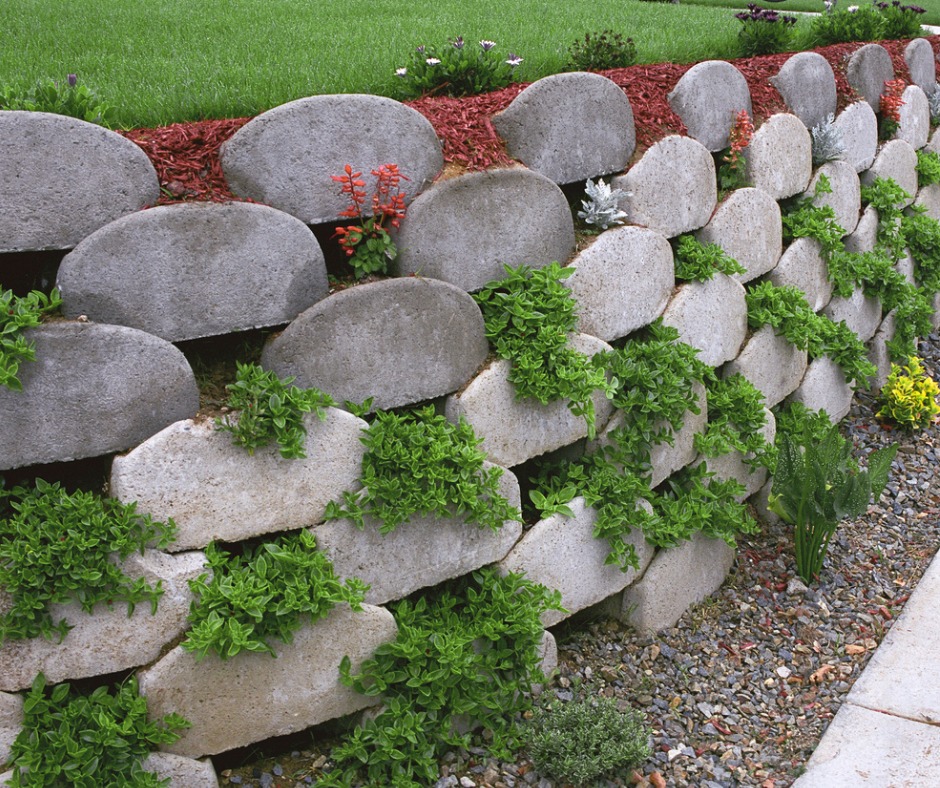
Retaining walls are one of the most effective structural methods for controlling erosion on steep slopes. A well-built retaining wall holds soil in place, breaks the slope into manageable sections, and creates flat, usable space where there was once a steep hillside. Research indicates that properly installed retaining walls can reduce soil erosion by up to 90 percent on steep slopes, and they can increase usable yard space by as much as 50 percent.
Retaining walls work by absorbing the lateral pressure of the soil behind them and redirecting water flow through built-in drainage features like weep holes, gravel backfill, and perforated drain pipes. Without proper drainage behind the wall, hydrostatic pressure builds up and can eventually cause the wall to fail. That is why professional design and installation matter so much.
Common retaining wall materials include concrete blocks, natural stone, timber, and boulders. Each has its strengths. Concrete blocks interlock and are easy to customize. Natural stone blends into the landscape and ages beautifully. Timber is more affordable but has a shorter lifespan. The best choice depends on your slope, budget, and the look you want.
For walls over 3 to 4 feet tall, most local codes require an engineering review and a permit. Hardscaping professionals handle these requirements and make sure the wall performs safely for decades.
What Is the Best Low Maintenance Hillside Landscaping?
The best low maintenance hillside landscaping uses native plants, deep mulch beds, and a drainage system that manages water without constant attention. The goal is to create a slope that takes care of itself year after year with minimal mowing, watering, or replanting.
Native plants are the backbone of low maintenance slopes because they are already adapted to local conditions. They do not need extra fertilizer, they tolerate local pests and diseases, and their root systems naturally hold the soil. In the Southeast, native options like muhly grass, coreopsis, liriope, and native ferns thrive on slopes with very little care after establishment.
Avoid planting turfgrass on steep hills. Mowing a steep slope is dangerous, and lawns on hills are constantly fighting gravity. According to the Building America Solution Center, a program supported by the U.S. Department of Energy, it is generally not safe to operate a lawn mower on slopes steeper than a 2:1 ratio, which means 2 feet of horizontal run for every 1 foot of vertical rise.
A smart hillside design also includes rock features, mulch beds, and groupings of shrubs that create visual interest without needing regular mowing or trimming. Once the plants fill in and the drainage is working, these slopes can go years without major maintenance.
French Drains and Dry Creek Beds for Slope Erosion
French drains and dry creek beds are two of the most popular drainage solutions for sloped properties, and both are very effective at controlling erosion when installed correctly.
A French drain is a gravel-filled trench with a perforated pipe that collects water underground and redirects it away from the slope. It works out of sight, below the surface, and handles subsurface water that saturates the soil and weakens the slope from the inside. French drains are especially useful on clay soils that hold water instead of letting it pass through.
A dry creek bed is a shallow, rock-lined channel that mimics a natural stream. It catches surface runoff during rain and guides it safely to a discharge point. Dry creek beds double as landscape features. They look attractive even when they are dry and add natural character to a sloped yard.
We have installed over 500 drainage systems, and we often recommend combining both methods on sloped properties. A French drain handles the water you cannot see, while a dry creek bed manages the water flowing across the surface. Together, they take most of the erosion pressure off the slope and the plants growing on it.
Comparison: Erosion Control Methods for Different Slope Types
Erosion Control Methods by Slope SteepnessMethodBest for Slope GradeErosion ReductionMaintenance LevelMulchingGentle (under 15%)Moderate (30-50%)Low, reapply annuallyGround Cover PlantsGentle to moderate (15-33%)High (up to 70% per FAO data)Low after establishmentTerracingModerate to steep (25-50%)High (60-80%)ModerateRetaining WallsSteep (over 33%)Very high (up to 90%)Low with proper drainageFrench DrainAny slope with subsurface waterHigh for soil saturation issuesLow, occasional inspectionDry Creek BedAny slope with surface runoffHigh for channeled water flowLowRiprap (Loose Stone)Moderate to steep, high-flow areasHigh for concentrated flowVery low
Sources: Food and Agriculture Organization (FAO), Oklahoma State University Extension, USDA NRCS, N.C. Cooperative Extension.
What to Put on a Hill Instead of Grass
What to put on a hill instead of grass depends on the slope steepness, sun exposure, and the look you want. The best alternatives to grass on a hill include native ground covers, ornamental grasses, shrub masses, rock gardens, and mulch beds.
Native ground covers like liriope, creeping phlox, and ajuga spread across the soil surface and fill in quickly. They do not need mowing and their root systems hold the slope. Ornamental grasses like muhly grass and switchgrass add height, movement, and seasonal interest while anchoring deep into the ground. Shrub masses of native azaleas, summersweet, or dwarf hollies create a layered look that catches rain before it hits the soil.
For sunny slopes with thin or rocky soil, a rock garden with drought-tolerant plants like sedum and coneflower is both beautiful and maintenance-free. The rocks slow water flow, and the plants fill in the gaps.
Professional landscape design helps you choose the right mix of plants and materials for your specific slope conditions. A good design accounts for sun, shade, soil type, drainage, and how you want the space to look and function.
How Proper Grading Prevents Erosion Before It Starts
Proper grading is the foundation of any erosion control plan. Grading means reshaping the land so water flows where you want it to go instead of where gravity takes it. On residential properties, that means directing water away from the house, away from garden beds, and toward safe discharge points like storm drains, dry wells, or drainage swales.
Poor grading is one of the most common causes of erosion in residential yards. If the ground slopes toward the house or creates low spots where water collects, every rainstorm does damage. Even gentle slopes that are graded incorrectly can develop erosion problems over time. According to Penn State Extension, soil erosion rates across the United States average 4.63 tons per acre per year, and much of that is driven by water flowing across improperly managed surfaces.
A professional grading assessment looks at the entire property, including where water enters from neighboring lots, where it collects, and where it exits. Small adjustments to the grade can make a huge difference. In many cases, regrading a problem area eliminates the erosion entirely without needing walls or heavy structural work.
Grading also pairs well with drainage installations. Once the grade is set correctly, a drainage solution takes over to handle the heavy rain events that overwhelm the soil's ability to absorb water.
How Erosion on Slopes Leads to Foundation Problems
Erosion on slopes near a home can lead directly to foundation problems. When soil washes away from around a foundation, it creates voids that allow the structure to shift or settle unevenly. Water that pools against foundation walls seeps into cracks and creates hydrostatic pressure that pushes against the concrete. Stopping erosion early prevents these expensive structural repairs.
FEMA reports that flooding has impacted 99 percent of U.S. counties between 1996 and 2019. Nearly one-third of National Flood Insurance Program claims come from properties outside designated high-risk flood zones, which means even homes that seem safe from flooding can experience water damage from poor drainage and slope erosion.
Fixing erosion on a slope near your home is not just about protecting your lawn. It is about protecting your biggest financial asset. Poor drainage and unchecked erosion are among the most expensive problems a homeowner can face if they go unaddressed.
Why a Multi-Method Approach Works Best
The strongest erosion control on a sloped landscape comes from combining multiple methods into one system. Plants alone cannot stop slope erosion if the drainage is wrong. A retaining wall alone will fail if water builds up behind it without a way to escape. Mulch alone washes off a steep slope during heavy rain.
The most effective systems we install use a layered approach. First, we fix the grading and install drainage to control where the water goes. Second, we add structural support with retaining walls or terracing where the slope is too steep for plants alone. Third, we plant the right mix of ground covers, shrubs, and grasses to anchor the topsoil and create a living barrier. Fourth, we mulch and amend the soil to give everything the best start possible.
This kind of layered system works because each piece supports the others. The drainage keeps the soil from getting saturated. The walls hold the steepest sections. The plants protect the surface. And the healthy soil gives the roots something worth growing into.
Frequently Asked Questions
What Is the Cheapest Way to Stop Erosion?
The cheapest way to stop erosion is to cover bare soil with a thick layer of mulch and plant fast-spreading ground covers. Mulch costs very little, can be applied by hand, and immediately slows water runoff. Once ground cover plants establish their root systems within one to two growing seasons, they provide long-term erosion protection without ongoing costs. For gentle slopes, this combination is often all you need.
What Are the Best Groundcovers for Hillsides?
The best groundcovers for hillsides are creeping juniper, liriope, pachysandra, ajuga, creeping phlox, and daylilies. These plants spread quickly, have strong root systems, and tolerate the drier conditions that hillsides often have. Native grasses like switchgrass and little bluestem are also excellent because their deep roots reach several feet into the soil, providing exceptional anchoring.
What Are People Replacing Grass With?
People are replacing grass with native ground covers, ornamental grasses, mulch beds, and rock gardens, especially on slopes and hard-to-mow areas. These alternatives require less water, no mowing, and provide better erosion control than traditional turfgrass. The trend has grown significantly as homeowners look for lower maintenance and more sustainable landscaping options.
Why Are People Getting Rid of Artificial Grass?
People are getting rid of artificial grass because it does not absorb water, offers zero erosion control, traps heat, and breaks down into microplastics over time. On a slope, artificial turf actually makes erosion worse because water runs across its surface at full speed instead of being absorbed by roots and soil. Natural plants provide drainage, cooling, and soil stability that artificial turf cannot match.
What Is the Cheapest Ground Cover Option?
The cheapest ground cover option is seeding with native grasses or clover. Both spread quickly, establish deep roots, and require minimal care after the first growing season. A single bag of native grass seed can cover a large area for a fraction of the cost of sod or potted plants. Clover also fixes nitrogen in the soil, which helps other plants around it grow stronger.
How to Landscape a Hillside Cheaply?
To landscape a hillside cheaply, start with a thick layer of shredded hardwood mulch to stop erosion immediately. Then plant affordable native ground covers and grasses from seed or small plugs. Add a few low-cost stone barriers across the slope to slow water flow. Skip the turfgrass entirely, as it is expensive to maintain on a hill and does not control erosion as well as native plants and mulch do.
The Takeaway
Erosion on a sloped landscape does not fix itself. It gets worse with every rainstorm. The longer you wait, the more soil you lose, and the more expensive the fix becomes. The right combination of plants, drainage, grading, and structural support can turn a problem slope into one of the best-looking parts of your property.
If your yard has slopes that are washing out, gullies forming after rain, or soil creeping toward your foundation, White Shovel Landscapes can help. We assess your property, design a custom erosion control plan, and install it right the first time. Call us at 256-612-4439 to schedule a free site assessment.



You May Also Like

Sep 12, 2026
3 min
How to Keep Landscape Edging Straight
Sep 11, 2026
3 min
How to Decorate a Patio: Ideas for 2025 and 2026
Sep 9, 2026
3 min
How to Trim Around Landscape Edging
Sep 7, 2026
3 min
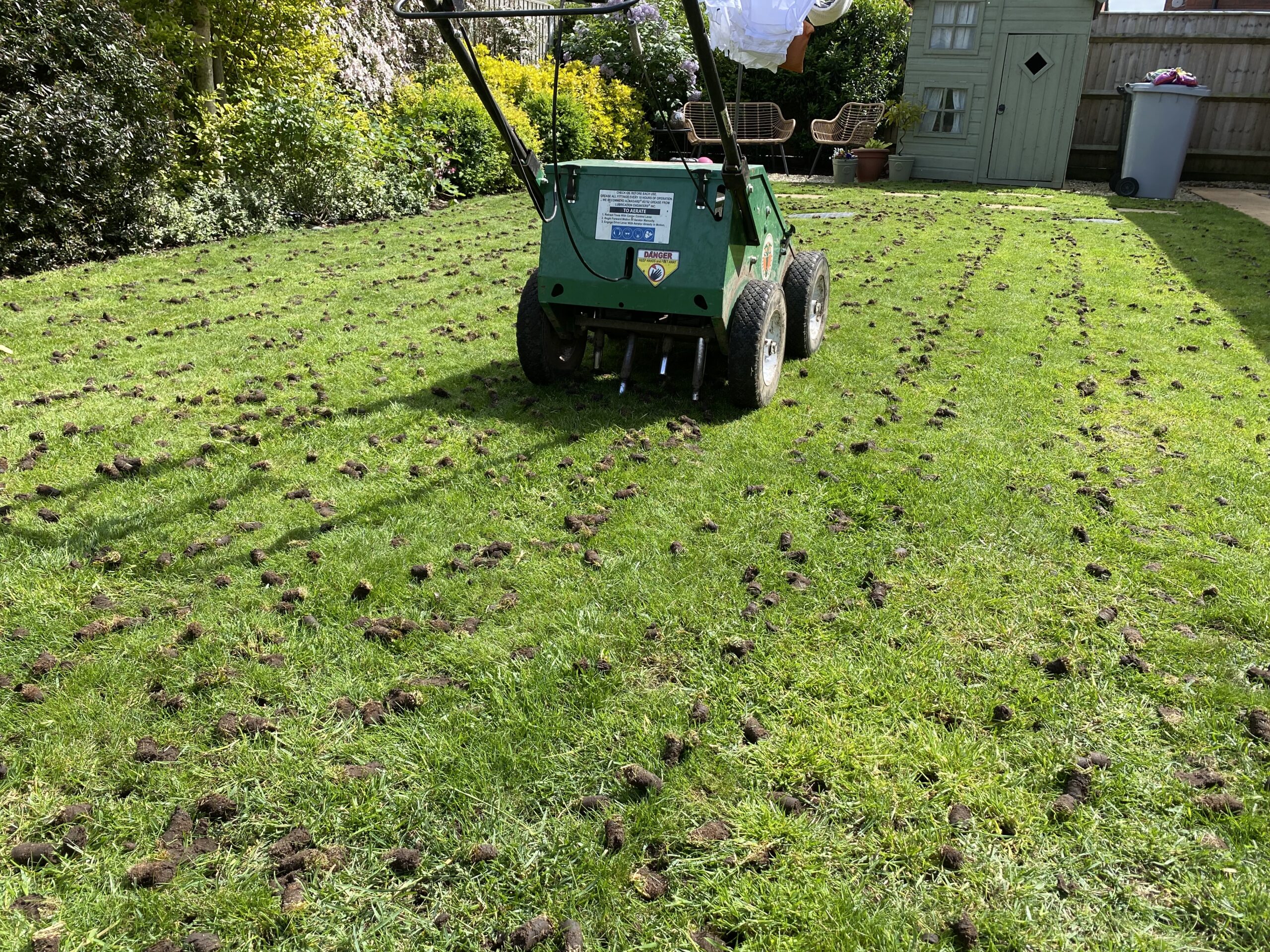
What Does a Lawn Look Like After Aeration
Stay Connected and Inspired
Get the latest landscaping tips, seasonal care guides, and exclusive offers delivered straight to your inbox. Don’t miss out on expert advice and ideas to transform your outdoor spaces.
Sign Up for Our Newsletter Today!




Transforming Huntsville & Madison yards since 2010 with expert landscape design, garden makeovers, mulching, and top-quality installations.


