Providing Best Services in Huntsville & Madison, AL


Follow us on Social.





May 18, 2026

3 Min

Lawn Care
Lawn Installation for High Traffic Areas
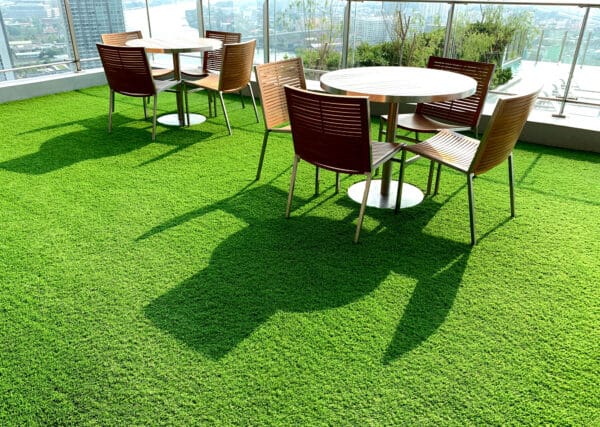
Lawn installation for high traffic areas requires the right grass type, proper soil preparation, and professional sod placement. Bermuda grass and Zoysia grass are the top choices for heavy foot traffic because they spread aggressively, recover quickly from wear, and develop dense root systems that resist compaction.
Lawn installation for high traffic areas starts with choosing a grass variety that can handle constant foot traffic without thinning out or dying. Bermuda grass, Zoysia grass, and Tall Fescue are the top performers for yards that see heavy daily use from kids, pets, and gatherings. According to Pennington, Bermuda grass has the fastest growth rate of all common warm-season grasses and can develop roots up to 6 feet deep, giving it superior resilience against wear and drought. In this article, we cover the best grass types for high traffic lawns, how to prepare the soil, whether sod or seed is the better option, and how to maintain a strong, healthy lawn that holds up to constant use.
What Makes a Lawn Installation Built for High Traffic?
A lawn installation built for high traffic requires three things: a grass variety with aggressive spreading growth, properly prepared soil, and professional-grade sod laid on a clean, graded surface. The grass itself does most of the heavy lifting. Varieties that spread through both stolons (above-ground runners) and rhizomes (below-ground runners) fill in worn spots on their own. This self-repair ability is what separates high-traffic grass from varieties that thin out and die under pressure.
Soil preparation matters just as much as the grass you choose. According to Mississippi State University Extension, annual yield losses from severely compacted soils can range between 20 and 40 percent. If you lay sod on hard, compacted ground, the roots cannot push through, and the grass struggles from day one. Tilling the soil, correcting drainage problems, and adding amendments before installation gives the new lawn a strong foundation.
We handle all of this during every landscape installation project. Site preparation, soil testing, grading, sod placement, and watering are all part of the process. Skipping any one of those steps leads to a lawn that cannot hold up to real-world use.
What Type of Grass Is Best for High Traffic Areas?
The type of grass that is best for high traffic areas depends on your climate. For warm-season regions like Alabama, Bermuda grass is the top choice. For cooler climates, Tall Fescue and Kentucky Bluegrass perform best under heavy use. According to TruGreen, Bermuda grass is optimal for southern areas because of its heat tolerance, drought resistance, and fast recovery from damage.
Bermuda grass grows by both stolons and rhizomes, which means it fills in bare spots quickly from two directions. It is the grass used on most professional sports fields, golf courses, and public parks across the southern United States. Common Bermuda grass varieties for Alabama include Tifway 419, Celebration, and Latitude 36, according to Lawn Love. These hybrid varieties offer improved disease resistance and better cold tolerance compared to standard seeded types.
Zoysia grass is another strong option. It creates a dense, carpet-like turf that handles moderate to heavy traffic well. It tolerates partial shade better than Bermuda, making it a good choice for yards that do not get full sun all day. The trade-off is slower establishment. Zoysia takes longer to fill in, so sod installation is usually the preferred method rather than seed.
For homeowners in northern Alabama who sit in the transition zone, Tall Fescue is worth considering. It has a deep root system that helps it survive drought and high temperatures, and its thick blades resist tearing from foot traffic. According to Today's Homeowner, Tall Fescue germinates within 4 to 14 days and establishes relatively easily, making it one of the most accessible cool-season options.
What Is the Best Grass for High Traffic Shady Areas?
The best grass for high traffic shady areas is Zoysia grass in warm climates and Tall Fescue in cooler regions. Both tolerate partial shade better than Bermuda grass, which needs at least 6 to 8 hours of direct sunlight every day. According to Envirogreen, Zoysia has a dense growth habit that helps it crowd out weeds even in areas that receive less sun.
St. Augustine grass is another option for shady spots, though it has only moderate traffic tolerance. It creates a thick, carpet-like lawn that holds up well in areas with as little as 4 hours of direct sunlight per day. However, it is more susceptible to pests like chinch bugs and needs more water than Bermuda or Zoysia. For shady high-traffic areas, combining a shade-tolerant grass with stepping stones or a hardscape path takes pressure off the turf and extends the life of the lawn.
How to Fix Grass in High Traffic Areas
To fix grass in high traffic areas, start by aerating the compacted soil, overseeding with a traffic-tolerant variety, and then giving the area time to recover. According to Pennington, a layer of compacted soil just 1/4 to 1/2 inch thick can make a significant difference in the health of your lawn. Core aeration pulls small plugs of soil out of the ground, creating space for air, water, and nutrients to reach the roots again.
After aeration, spread a high-traffic grass seed blend over the bare or thin spots. Water daily until the new grass establishes, and keep foot traffic off the repaired area for at least 4 to 6 weeks. For lawns with more than 40 to 50 percent dead grass or weeds, according to Bob Vila, it is better to remove the old lawn entirely and start fresh with new sod rather than trying to patch what is left.
The best time to aerate and overseed Bermuda grass is late spring to early summer, when the grass is actively growing and can recover quickly. For Tall Fescue, early fall is the ideal window. Timing the repair during peak growth gives the grass the best chance to fill back in before the next stressful season hits.
If your yard has chronic bare spots that keep coming back, the problem may be deeper than just grass damage. Compacted soil or poor drainage underneath the surface prevents any grass from thriving, no matter how many times you reseed.
Can I Just Throw Grass Seed Down and It Will Grow?
No, you cannot just throw grass seed down and expect it to grow into a healthy lawn. Grass seed needs direct contact with loose, moist soil to germinate. If you toss seed onto hard, compacted ground or an existing lawn without preparation, most of it will wash away, get eaten by birds, or simply sit on the surface and dry out.
For seed to germinate properly, you need to loosen the top 1 to 2 inches of soil, spread the seed at the recommended rate, rake it lightly into the surface, and water 2 to 3 times daily for the first 4 weeks. According to Lawn Love, grass seed typically takes 5 days to a month to germinate, and the lawn will not be ready for foot traffic for 2 to 4 months. That long wait is one of the main reasons sod is the preferred choice for high-traffic yards.
Sod gives you an instant, usable surface. According to Pennington, new sod generally takes just 2 to 3 weeks to root and become established when handled and installed properly. Professional sod installation is the practical answer for families with kids or pets who cannot stay off the lawn for months at a time.
What Are the Common Mistakes When Laying Grass Seed?
The common mistakes when laying grass seed are planting at the wrong time of year, not preparing the soil properly, watering too little or too much, and allowing foot traffic too soon. Planting warm-season grass seed in fall or cool-season seed in summer almost guarantees failure because the temperatures are wrong for germination.
Another frequent mistake is skipping soil preparation. According to Saratoga Sod, initial tilling to a depth of at least 2 inches should be completed before adding any soil amendments. This step controls most annual weeds, alleviates subsoil compaction, and improves root penetration. Many of the sod installation mistakes we see come down to rushing through or skipping the soil prep entirely.
Overwatering is just as harmful as underwatering. Soggy soil suffocates seeds and encourages fungal disease. The goal is to keep the top inch of soil consistently moist, not soaking wet. Once the grass is up and growing, gradually shift to deeper, less frequent watering to encourage roots to grow downward. A proper landscape design plan accounts for all of these factors before a single seed or piece of sod goes into the ground.
Sod vs. Seed for High Traffic Lawns
Sod is the better choice for high traffic lawns in most situations. It provides an instant, fully grown surface that can handle foot traffic within 2 to 3 weeks of installation. Seed is more affordable but requires 2 to 4 months before the lawn is ready for use, which is not realistic for most families.
According to Journeyman HQ, grass seed costs about $0.03 to $0.05 per square foot compared to sod at $0.35 to $0.85 per square foot. That price difference is significant for large areas. But for high-traffic zones like backyards, play areas, and side yards with heavy pet activity, the faster establishment and immediate erosion control of sod usually outweigh the extra cost.
Sod also comes with fewer weeds. According to Pennington, quality, state-certified sod has few or no weeds and outcompetes weed seeds that try to move in early on. Seeded lawns, by contrast, fight weeds for the entire establishment period because the ground is exposed and vulnerable until the grass fills in. For yards that deal with persistent weed problems, sod is the cleaner starting point.
FactorSodSeedTime to Use2-3 weeks2-4 monthsCost per Sq Ft$0.35-$0.85$0.03-$0.05Weed ResistanceHigh (few weeds from day one)Low (vulnerable during establishment)Erosion ControlImmediateNone until grass establishesVariety OptionsLimited to what growers produceWide selection of blendsRoot StrengthTransplanted roots re-establishRoots develop in place (deeper over time)Best ForHigh traffic, families, pets, slopesLarge areas, budget projects
Sources: Pennington, Journeyman HQ, Lawn Love, Bob Vila, Beverly Companies
How to Prepare Soil for Lawn Installation in High Traffic Areas
To prepare soil for lawn installation in high traffic areas, you need to clear the site, test the soil, till the ground, correct the grade, and add amendments before laying sod or seed. This process is not optional. Skipping soil preparation is the number one reason new lawns fail in high-traffic yards.
Start by removing all debris, rocks, old grass, and construction materials from the area. According to Saratoga Sod, you should clear anything larger than 2 to 3 inches in diameter. Then rough grade the area to eliminate drainage problems, sloping the grade away from building foundations and filling in low spots.
Next, till the soil to a depth of at least 2 to 4 inches. This breaks up compaction and allows new roots to push into the ground. If a soil test shows low nutrient levels or pH imbalance, add the recommended amendments and work them into the top 3 to 4 inches. According to Purdue University Extension, sod requires daily watering during the first two weeks after installation, so make sure your irrigation setup is ready before the sod arrives.
For yards with heavy clay soil, adding organic matter like compost improves the structure and helps the ground drain better. Clay compacts faster than sandy soil, which means lawns in clay-heavy areas need more attention during the preparation phase. We address these soil issues on every project through our soil amendment services.
Is October Too Late to Put Down Grass Seed?
October is not too late to put down cool-season grass seed like Tall Fescue or Perennial Ryegrass, but it is too late for warm-season varieties like Bermuda grass. Cool-season grasses germinate best when soil temperatures are between 50 and 65 degrees Fahrenheit, which typically lines up with September through mid-October in North Alabama.
For warm-season grasses, the planting window is late spring through mid-summer, when soil temperatures are consistently above 65 degrees. Planting Bermuda grass seed in October gives it almost no time to establish before winter dormancy sets in, and most of the seed will not survive. According to Lawn Love, the best time to plant warm-season grass in Alabama is between mid-February and October, but sod installation remains possible later in the season because sod already has an established root system.
How Cold Is Too Cold for Grass?
Warm-season grasses like Bermuda go dormant and turn brown when soil temperatures drop below 55 degrees Fahrenheit, and they can suffer serious damage or die when air temperatures fall below 25 to 30 degrees for extended periods. Cool-season grasses like Tall Fescue handle cold much better and stay green down to about 40 degrees Fahrenheit before growth slows significantly.
In the Huntsville area, winter temperatures can dip low enough to send Bermuda grass fully dormant from November through March. This is completely normal. The grass turns brown but comes back green once soil temperatures warm up in spring. If the brown dormancy period bothers you, overseeding with Perennial Ryegrass in fall keeps the lawn green through winter. According to Jonathan Green, Bermuda grass is more sensitive to cold temperatures than Zoysia grass, which is why Zoysia performs slightly better in northern Alabama's transition zone.
The key is to not panic when warm-season grass goes dormant. It is not dead. Keep foot traffic light during dormancy because the grass cannot repair itself until it starts growing again in spring. Heavy winter traffic on dormant Bermuda can cause lasting thin spots that take weeks to fill in once the growing season returns.
How Aeration Protects High Traffic Lawns
Aeration protects high traffic lawns by breaking up compacted soil so air, water, and nutrients can reach grass roots again. Over time, constant foot traffic presses soil particles together, squeezing out the pore spaces that roots need to breathe and absorb water. According to Clemson University Home and Garden Information Center, core aeration is the most effective method for relieving compaction, and high-traffic areas may need it more often than the rest of the lawn.
Core aeration pulls small plugs of soil about 2 to 3 inches deep from the ground. These plugs break apart on the surface and work their way back into the lawn, while the holes left behind give roots room to expand. According to Pennington, even a compacted layer just 1/4 to 1/2 inch thick can significantly hurt lawn health. For high-traffic lawns, annual aeration during peak growing season is the standard recommendation.
The best time to aerate Bermuda grass lawns is late spring to early summer. For Tall Fescue, early fall works best. Always aerate when the soil is moist but not soggy, ideally 24 to 48 hours after rain or watering. Pairing aeration with overseeding and the right grass variety gives high-traffic lawns the strongest possible recovery.
How to Protect a New Lawn From Foot Traffic
To protect a new lawn from foot traffic, keep all people, pets, and equipment off the grass for at least 2 to 3 weeks after sod installation and 2 to 4 months after seeding. New roots need time to anchor into the soil. Walking on fresh sod too early tears the roots loose before they grip, and the grass will not recover properly.
According to University of Nebraska Extension, you should check for root development after 7 to 10 days by firmly grasping the grass blades and lifting vertically. When the sod resists being lifted, it has rooted into the ground and can handle light traffic. Heavy use should wait until the grass has been mowed at least twice.
For yards where you cannot keep everyone off the new lawn, install temporary pathways using stepping stones, plywood sheets, or mulch-covered walkways. These redirect foot traffic to specific spots and give the majority of the lawn time to root. Once the grass is established, landscape edging along pathways creates clear boundaries that naturally guide people where you want them to walk.
Long-term, designing the landscape with dedicated walkways, patios, and play areas takes pressure off the turf in the most used zones. A well-planned drainage solution underneath also prevents water from pooling in high-traffic spots.
Without proper drainage, the most-walked areas of your yard turn into muddy, compacted dead zones that kill grass and make the problem worse with every rainstorm.
What Is the Best Grass to Plant in the Fall?
The best grass to plant in the fall depends on your climate. In cool-season regions, Tall Fescue and Perennial Ryegrass are the top fall planting choices because they germinate best in cooler soil temperatures. In warm-season areas like most of Alabama, fall is the time to overseed dormant Bermuda grass with Perennial Ryegrass to keep the lawn green through winter.
For new lawn installations using warm-season grass, fall is generally too late. Bermuda grass and Zoysia need warm soil to establish roots, and planting them in fall gives them too little time before winter dormancy. Sod installation is more forgiving than seed in the fall months because the grass already has roots, but results are still best when warm-season sod is laid in late spring or summer through a professional lawn installation service.
According to Gardening Know How, the ideal fall planting window for cool-season grasses is early September through mid-October in most transition zone areas. The cooler temperatures reduce heat stress on seedlings, and fall rain helps keep the soil consistently moist. The grass has the entire fall and following spring to develop a strong root system before summer heat arrives.
Frequently Asked Questions
Will Grass Seed Be Ruined If It Freezes?
Grass seed will not be ruined if it freezes while still in storage or sitting on the soil surface. Most grass seed is naturally dormant and can survive freezing temperatures without damage. The seed simply waits for the right soil temperature and moisture to germinate. However, if seed has already started to germinate and then freezes, the young seedlings can die because their tender roots and shoots cannot handle frost.
Is October Too Late to Fertilize Grass?
October is not too late to fertilize cool-season grasses like Tall Fescue and Kentucky Bluegrass. In fact, a fall fertilizer application is one of the most important of the year for cool-season lawns. It strengthens roots before winter and gives the grass a head start in spring. For warm-season grasses like Bermuda, do not fertilize in October because the grass is heading into dormancy and cannot use the nutrients.
What Is the Best Grass Alternative for High Traffic Areas?
The best grass alternative for high traffic areas includes stepping stones, gravel pathways, artificial turf, and ground-cover plants like clover or creeping thyme. These options eliminate the compaction and wear problems that come with natural grass. For areas that see constant, intense foot traffic every day, a combination of grass and hardscape performs better than grass alone.
How Long Does It Take for Sod to Root?
Sod takes about 10 to 14 days to root under normal conditions. According to University of Nebraska Extension, you can check for root development by grasping the grass and lifting gently. When the sod resists being pulled up, the roots have anchored into the soil. Full establishment for heavy use typically takes about 4 to 6 weeks after installation.
How Often Should You Water a New Lawn?
You should water a new lawn daily for the first 2 weeks after sod installation. According to Purdue University Extension, new sod may need light watering during mid-afternoon on warm days in addition to morning watering. After roots establish at the 2-week mark, gradually reduce frequency but increase the amount of water per session to encourage deeper root growth.
Why Shouldn't You Mow Your Lawn Every Week?
You should not mow your lawn every week if it means cutting more than one-third of the grass blade at a time. Removing too much leaf surface in a single mowing stresses the plant, weakens the root system, and makes the grass more vulnerable to heat, drought, and traffic damage. Mow based on how fast the grass is growing, not on a fixed weekly schedule.
The Takeaway
A lawn that handles heavy foot traffic starts with the right grass variety, professional soil preparation, and proper installation technique. Bermuda grass is the gold standard for warm-season high-traffic lawns, Zoysia works well for mixed sun-and-shade yards, and Tall Fescue is the top pick for cooler transition zones. Sod gives you the fastest path to a usable lawn, and annual aeration keeps the soil healthy underneath all that activity. Every step matters, from grading the soil to timing the first mow.
If you want a lawn that looks great and stands up to real life, White Shovel Landscapes can help you get there. Give us a call at 256-612-4439 to schedule a free estimate and talk about the best options for your yard.


You May Also Like

Sep 12, 2026
3 min
How to Keep Landscape Edging Straight

Sep 11, 2026
3 min
How to Decorate a Patio: Ideas for 2025 and 2026
Sep 9, 2026
3 min
How to Trim Around Landscape Edging
Sep 7, 2026
3 min
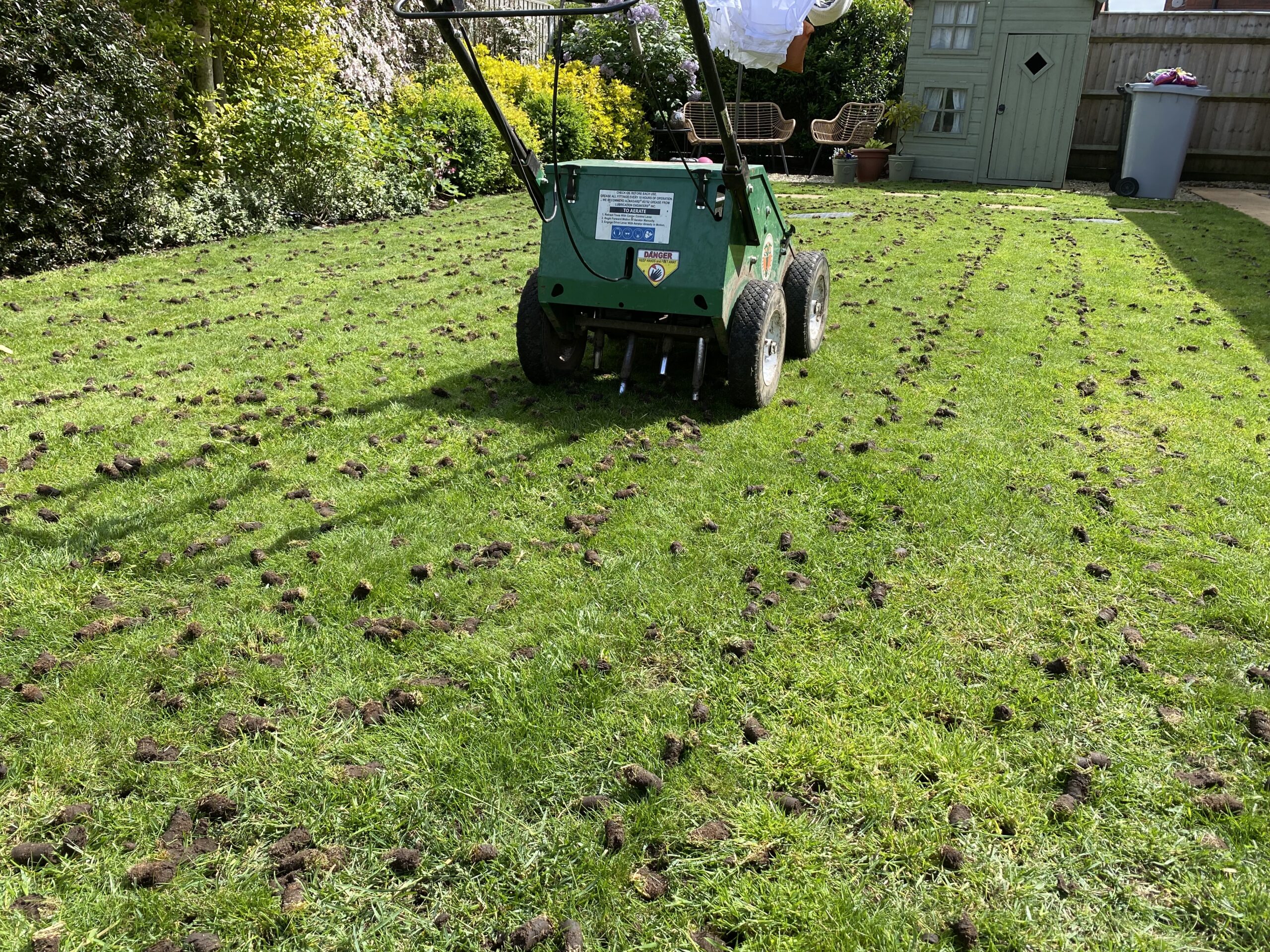
What Does a Lawn Look Like After Aeration
Have a Project in Mind?
If this post sounds like your yard, tell us about it. Request an estimate online or give us a call, and we’ll talk through what your property needs.




Transforming Huntsville & Madison yards since 2011 with expert landscape design, garden makeovers, mulching, and top-quality installations.


