Providing Best Services in Huntsville & Madison, AL


Follow us on Social.





May 18, 2026

2 Min

Lawn Care
How Do I Make My Backyard More Kid Friendly?
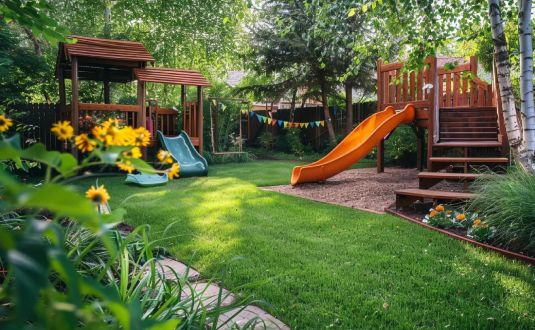
To make your backyard more kid friendly, focus on three things: safety, play zones, and smart landscaping. Start by removing hazards like toxic plants and standing water. Then add fun play areas with soft ground cover. Finally, use durable plants and surfaces that can handle the wear and tear of little feet.
A kid friendly backyard doesn't mean giving up your whole yard to plastic slides and swing sets. It means creating a space where kids can run, dig, climb, and explore, while the adults can still enjoy a cup of coffee on the patio without white knuckling it.
The CDC recommends that children get at least 60 minutes of physical activity every day. And research from the National Wildlife Federation shows that kids who spend time outdoors are healthier, sleep better, and perform stronger in school. Your backyard can be the place where all of that happens.
This guide covers everything you need to know. From safety basics and play zone ideas to the best ground covers, landscaping tips, and features that grow with your kids. Whether you live on a big lot in Decatur or a compact yard in Madison, these ideas work for families across North Alabama.
Start With Safety First
Before you add a single swing or sandbox, you need to make your yard safe. Kids are curious. They touch everything, taste things they shouldn't, and run full speed into places you'd never expect. A safe yard is the foundation of a kid friendly backyard.
Remove Toxic Plants
This is step one. Many common garden plants are poisonous if touched or eaten. Oleander, foxglove, lily of the valley, and holly are a few of the worst offenders. Children's Hospital of Philadelphia recommends that parents identify every plant in their yard and check whether it's toxic.
Here in North Alabama, keep an eye out for poison ivy, which loves our wooded edges and fence lines. If you're not sure what's growing in your yard, bring a photo to your local nursery or ask a landscaping pro. Replace anything harmful with kid safe options like sunflowers, marigolds, or herbs like basil and mint.
Fix Drainage and Standing Water
Standing water is more than a nuisance. It's a drowning risk for toddlers and a breeding ground for mosquitoes. After a heavy Alabama rain, especially with our clay heavy soil, puddles can stick around for days.
If your yard has low spots that hold water, it's time to fix the grading or install a drainage system. French drains, catch basins, and proper downspout routing can all help. White Shovel has installed over 500 drainage solutions in Huntsville and across North Alabama. Getting rid of standing water is one of the best things you can do for both safety and your lawn's health.
Fence the Yard
A solid fence keeps kids in and hazards out. It doesn't have to be fancy. It just needs to be tall enough that a toddler can't climb over and tight enough that they can't squeeze through. If you have a pool, spa, or pond, local codes in Alabama typically require a four sided fence with a self latching gate that's at least four feet tall.
Lock Up Tools, Chemicals, and Equipment
Garden tools, fertilizers, pesticides, and pool chemicals should all be stored in a locked shed or cabinet. Even organic products can be harmful to small children. And those robotic mowers that are becoming popular? Schedule them to run while kids are inside.
Create Zones for Play and Rest
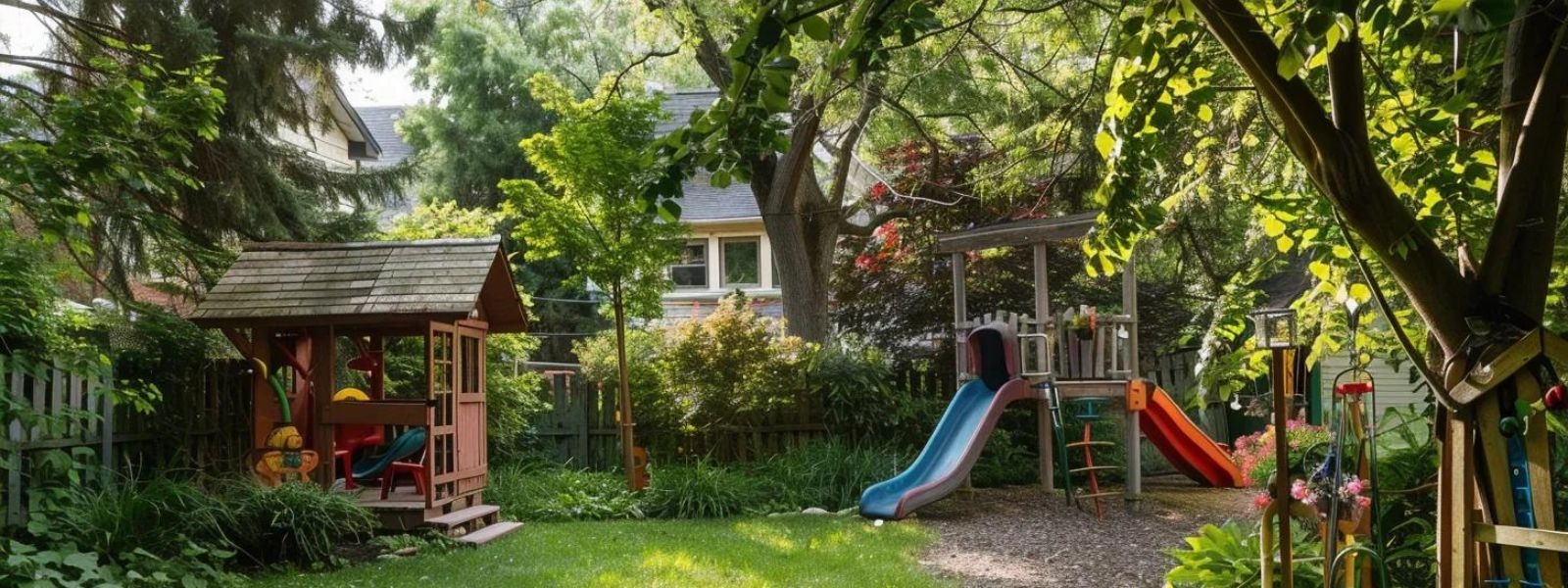
The best kid friendly backyards have clear zones. Not rigid walls, just areas that serve different purposes. Think of it like rooms in a house, but outside.
The Active Play Zone
This is the spot for running, jumping, climbing, and burning off all that energy. A flat, open section of lawn is perfect for this. Kids need room to throw a ball, do cartwheels, and chase each other.
If your yard has slopes or uneven ground, consider grading it to create a level play area. Retaining walls can help turn a sloped yard into usable space. A good landscaping design takes these things into account from the start.
Add a swing set, monkey bars, or a climbing wall if space allows. Trampolines are hugely popular. Sunken trampolines are even better because they sit flush with the ground, look cleaner, and reduce the risk of falls.
The Quiet Zone
Not every moment outside needs to be full speed. Kids also need places to sit, read, draw, or just watch the clouds. A shaded corner with a small bench, a hammock between two trees, or even a blanket under a canopy works great.
Shade is especially important here in the Tennessee Valley, where summer temps push well past 90°F. A mature tree, a pergola, or even a shade sail can keep this zone cool and inviting.
The Adventure Zone
This is where imaginations run wild. Think forts, treehouses, tunnels, and hideaways. Kids love having a space that feels like it's "theirs." A simple willow teepee, a curtained corner behind tall grasses, or a playhouse tucked under a tree can spark hours of creative play.
Nature based play areas are trending for good reason. Tree stumps as stepping stones, log balance beams, and boulder scrambles give kids physical challenges while blending into the landscape. They look good, cost less than plastic structures, and they never go out of style.
The Adult Zone
Don't forget about yourself. A kid friendly backyard doesn't mean there's no room for grown ups. Set up a patio or deck with comfortable seating where you can relax while keeping an eye on the kids. A fire pit, string lights, and a small herb garden nearby make it feel like your own little retreat.
The key is placing the adult zone where you have a clear sightline to the play areas. That way, you can sip your sweet tea and still see everything that's happening.
Choose the Right Ground Surfaces
What's under your kids' feet matters more than what's above their heads. The right ground surface prevents injuries, drains well, and stands up to heavy use.
Grass
A healthy lawn is still one of the best surfaces for kids. It's soft, natural, and perfect for everything from somersaults to picnics. The downside is that grass takes a beating. Heavy foot traffic, especially in Alabama's humid summers, can wear it down fast.
If your grass is thin or patchy, a soil amendment and repair service can improve the soil underneath so new grass takes root stronger. Choose a tough variety like Bermuda or Zoysia that handles foot traffic and our Zone 7b to 8a climate well.
Rubber Mulch
Under swing sets and climbing structures, rubber mulch is a smart choice. It cushions falls, doesn't attract bugs, and lasts for years. Lay it at least 6 inches deep for the best protection. It's more expensive up front than wood mulch, but it doesn't decompose or need yearly replacement.
Wood Chips and Bark Mulch
A budget friendly alternative to rubber mulch. Wood chips provide decent cushioning and look natural. They do break down over time and need to be topped off each season. Avoid cocoa mulch, which is toxic to pets, and make sure the mulch is splinter free.
Pea Gravel
Good for pathways and borders, but not ideal directly under play equipment. Small kids will throw it (guaranteed), and it's not as soft for falls. Use it around the edges of play zones rather than underneath them.
Artificial Turf
Artificial turf gives you a green, level surface year round with almost zero maintenance. It drains well, doesn't get muddy, and holds up under heavy use. It can get hot in direct sun during Alabama summers, so pair it with shade structures in high play areas.
Add Water Play Without the Risk
Kids and water go together like peanut butter and jelly. But you don't need a pool to give them water fun.
Splash Pads and Sprinklers
A small in ground splash pad is a fantastic addition. Water shoots up, kids run through it, and when it's off, the area looks like a regular patio. No standing water means no drowning risk and no mosquitoes.
If a splash pad isn't in the budget, a good old fashioned sprinkler does the trick. Attach it to a hose, turn it on, and watch the kids go wild. It's free, it's fun, and it waters your lawn at the same time.
Water Tables and Kiddie Pools
For younger kids, a water table provides hours of sensory play. They pour, splash, and experiment without any real risk. Kiddie pools are great too, but always dump the water when playtime is over. Even a few inches of standing water can be dangerous for toddlers.
Rain Gardens
Here's a creative idea. Build a small rain garden in a low spot of your yard where water naturally collects. Plant it with native Alabama species that love moisture, like Blue Flag Iris or Cardinal Flower. It teaches kids about nature, solves a drainage problem, and looks beautiful. Win, win, win.
Plant a Kid Friendly Garden
Getting kids involved in gardening is one of the best things you can do for their development. It teaches patience, responsibility, and a connection to nature that screens can never replace.
Easy Wins for Little Hands
Start with plants that grow fast and are fun to interact with. Sunflowers shoot up tall and make kids feel like they've grown something magical. Cherry tomatoes are easy to pick and eat right off the vine. Strawberries are like little treasures hiding under leaves.
Herbs like basil, mint, and chives are tough, fragrant, and kid safe. Let your children water them, pick them, and smell them. These small experiences build a love for the outdoors that lasts a lifetime.
Sensory Gardens
A sensory garden engages all five senses. Plant Lamb's Ear for its soft, fuzzy leaves. Add Lavender for its calming scent. Grow snap peas for the satisfying crunch. Wind chimes provide sound. And colorful flowers like Zinnias and Marigolds create a visual feast.
Sensory gardens are especially wonderful for younger children and those with sensory processing needs. They turn the yard into a living classroom.
Raised Beds at Kid Height
Build or buy a raised garden bed that's low enough for small hands to reach. About 12 to 18 inches tall is perfect for most kids. Fill it with good soil, plant a few easy veggies, and give them their own watering can. Ownership changes everything. When it's "their" garden, they'll actually want to take care of it.
Landscaping That Survives Kids
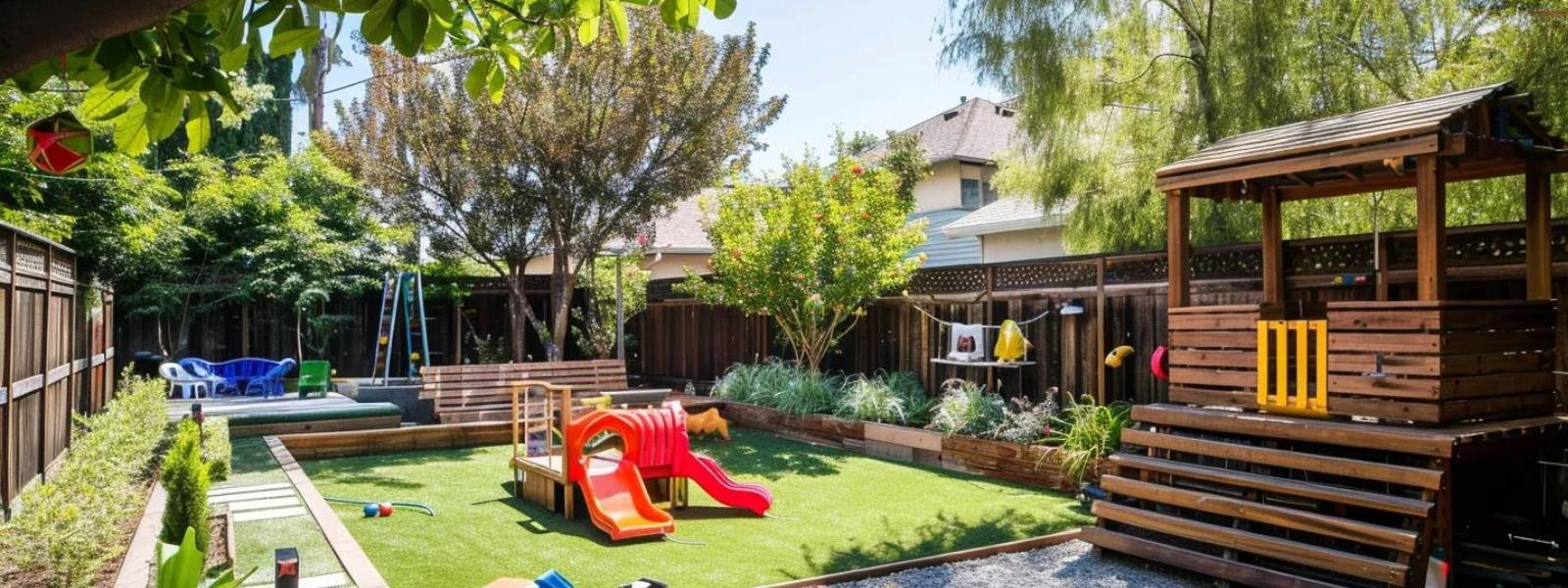
Let's be honest. Kids are tough on a yard. They run, they dig, they drag things across the grass, and they occasionally try to "help" by pulling up plants you just put in. Your landscaping needs to handle it.
Choose Tough, Low Maintenance Plants
Go with plants that can take a beating. Daylilies, Hostas (in shaded areas), Liriope, and Crepe Myrtles are all hardy choices for North Alabama. Native grasses and ground covers like Clover or Mondo Grass fill in fast and bounce back from foot traffic.
Avoid anything with thorns, spines, or sharp leaves near play areas. Roses, Barberry, and Yucca look nice, but they don't belong where kids run barefoot.
Protect Your Plant Beds
If you've got flower beds you'd like to keep looking nice, border them with a low stone or hardscaping edge. This creates a visual boundary that even small kids learn to respect. It also keeps mulch from getting kicked into the grass and helps define the space.
Plan for Growth
Kids grow fast. So should your landscape plan. What works for a toddler won't work for a 10 year old. Design your yard in stages. Start with a sandbox now, but plan for where the basketball hoop will go later. Build a raised bed for finger painting today, and know it can become a vegetable garden next year.
A professional landscaping design in Madison can help you map out a yard that evolves with your family instead of needing a total redo every few years.
Fun Features That Keep Kids Outdoors
Sometimes it's the little things that make a yard irresistible to kids.
Sandbox or Digging Pit
Sand is one of the best sensory materials for kids. It's open ended. They can build castles, dig tunnels, bury dinosaurs, and make "soup." A simple sandbox with a cover to keep animals out is all you need. Or skip the box and just designate a corner of the yard as the digging zone with loose, sandy soil.
Outdoor Art Station
Set up a table in a shaded spot with washable paints, chalk, brushes, and paper. Let them make a mess. It washes off. An outdoor chalkboard mounted to a fence is another hit that takes up zero floor space.
Obstacle Course
Use what you already have. Hula hoops on the ground for jumping. A rope tied low between two trees for stepping over. Cones for weaving. Buckets to toss balls into. Kids eat this stuff up, and you can change the course every week to keep it fresh.
Nature Exploration Station
Give kids a magnifying glass, a bug catcher, and a small notebook. Point them toward the garden. They'll spend hours examining ants, sketching leaves, and pretending to be scientists. This kind of play builds curiosity and a deep appreciation for the natural world.
Bike and Scooter Path
If you have hardscaping like a paved patio or walkway, you already have a track. Kids love riding laps on anything with wheels. A curved path is even better than a straight one. It adds challenge and makes the yard feel bigger.
Seasonal Tips for North Alabama Families
Our climate here in the Huntsville area gives us a long outdoor season, but it comes with a few quirks.
Spring (March to May)
Spring is prime time for outdoor play. After the last frost in mid April, get plants in the ground, refresh your mulch, and set up play zones. Watch for early season mosquitoes near any areas with poor drainage.
Summer (June to August)
Heat is the big challenge. Shade is your best friend. Make sure play zones have tree cover, a shade sail, or an umbrella. Schedule active play for morning or late afternoon when temps dip below the worst of the 90°F+ days. Water play features become essential.
Fall (September to November)
Fall is arguably the best season for backyard play in North Alabama. Cooler temps, lower humidity, and gorgeous foliage make it ideal. It's also a great time to do yard work, plant trees, and get your landscape ready for the next year. Check out these fall landscaping tips for low maintenance yards.
Winter (December to February)
Our winters are mild compared to much of the country, so outdoor play is still possible most days. Keep the yard tidy, rake leaves, and make sure play surfaces aren't slippery. This is a good time to plan spring projects, repair structures, and dream up new play features.
Common Mistakes to Avoid
Even well meaning parents make mistakes when creating a kid friendly backyard. Here are a few to watch out for.
Overdoing it on structures. A yard crammed with a swing set, trampoline, playhouse, sandbox, and bounce house leaves no room to actually run and play. Open space is the most versatile toy there is.
Ignoring drainage. If your yard turns into a mud pit every time it rains, kids either can't play outside or they track a disaster into the house. Fixing muddy yards before adding play features saves money and frustration down the road.
Choosing looks over durability. That delicate flower border looks amazing in the catalog. In real life, with a soccer ball flying at it twice a day, it won't last a week. Choose plants and materials that can take a hit.
Forgetting about shade. A full sun yard in Alabama is brutal in July. Kids won't play outside if there's nowhere to cool off. Plan for shade from the beginning.
Not planning for the future. Your 3 year old won't always be 3. Build a yard that can adapt. Sandbox becomes a fire pit. Play structure becomes a garden trellis. Think long term.
Frequently Asked Questions
How Do I Make My Backyard Safe for Toddlers?
Start by removing or fencing off any water features, locking up tools and chemicals, and pulling out toxic plants. Make sure fences are secure with no gaps a toddler can squeeze through. Add soft ground cover under play areas and keep a clear line of sight from where you sit to where they play. The CDC's guidelines on outdoor play safety recommend that adults always supervise young children outside and regularly check the play area for new hazards.
What Is the Best Ground Cover for a Kid Friendly Backyard?
For general play, a healthy lawn or artificial turf works best. Under swings and climbing equipment, rubber mulch or wood chips at least 6 inches deep provide the best fall protection. Avoid concrete, bare dirt, and hard packed surfaces near play structures. The right choice depends on your budget, the age of your kids, and how much maintenance you want.
How Much Does It Cost to Make a Backyard Kid Friendly?
It varies widely. You can start with very little: a sprinkler, some sidewalk chalk and a few pots of flowers. Mid-range projects like a sandbox, swing set or raised garden bed cost more but are still manageable for most budgets. Bigger installations like in-ground trampolines, splash pads or full landscape redesigns are the largest investment. The good news is that you can build a kid friendly yard in stages, adding new features each season.
What Plants Are Safe for a Yard Where Kids Play?
Stick with non toxic, thorn free options. Sunflowers, marigolds, lavender, basil, mint, daylilies, and ornamental grasses are all safe picks. Avoid oleander, foxglove, lily of the valley, holly berries, and anything with sharp thorns. The Poison Control Center maintains a full list of toxic and non toxic plants that's worth bookmarking.
How Do I Keep My Yard Looking Nice With Kids Playing on It?
Choose durable grass varieties like Bermuda or Zoysia that handle foot traffic well. Protect plant beds with low borders. Designate specific play zones so wear and tear is concentrated rather than spread everywhere. Overseed bare spots in fall, keep up with regular mowing and watering, and accept that a yard with happy kids in it will never look like a magazine cover. And that's perfectly fine.
Can I Build a Kid Friendly Backyard on a Small Lot?
Absolutely. Small yards just need smarter planning. Use vertical space with climbing walls or hanging swings. Choose multipurpose features like a patio that doubles as a scooter track. Stack zones, putting the sandbox under the deck or the art station on the porch. Even a balcony can have potted plants for kids to water and a small chalkboard. Size doesn't limit fun. Creativity does.
What Age Should I Start Making My Backyard Kid Friendly?
Start before your child is mobile. By the time they're crawling, your yard should be free of hazards. Toddlers need fenced, flat, soft spaces. Preschoolers are ready for sandboxes, water play, and simple climbing. School age kids want more challenge with things like obstacle courses, sports areas, and nature exploration. The best time to start is always now.
Final Thoughts
Making your backyard more kid friendly is one of the best investments you can make in your family's health, happiness, and time together. It doesn't need to happen all at once. Start with the basics. Make it safe. Add a few play features. Choose tough plants. And let your kids help decide what comes next.
Here in North Alabama, we're lucky. We have a long outdoor season, beautiful land, and neighborhoods where kids still play outside. From Hampton Cove to Harvest, from Madison to New Market, families are turning their yards into places where memories are made every single day.
If you're ready to create a backyard that's fun for the kids and beautiful for the whole family, White Shovel Landscapes can help. We've been helping homeowners across Huntsville, Madison, Decatur, and all of North Alabama since 2011. Call us at 256-612-4439 or get a free estimate and let's build something your family will love.



You May Also Like

Sep 12, 2026
3 min
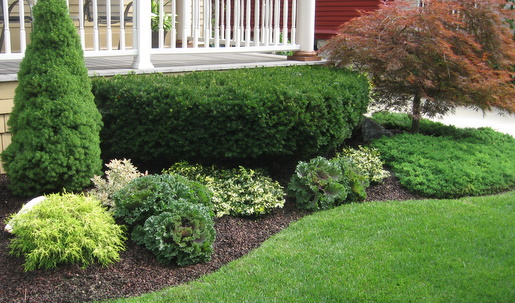
How to Keep Landscape Edging Straight
Sep 11, 2026
3 min
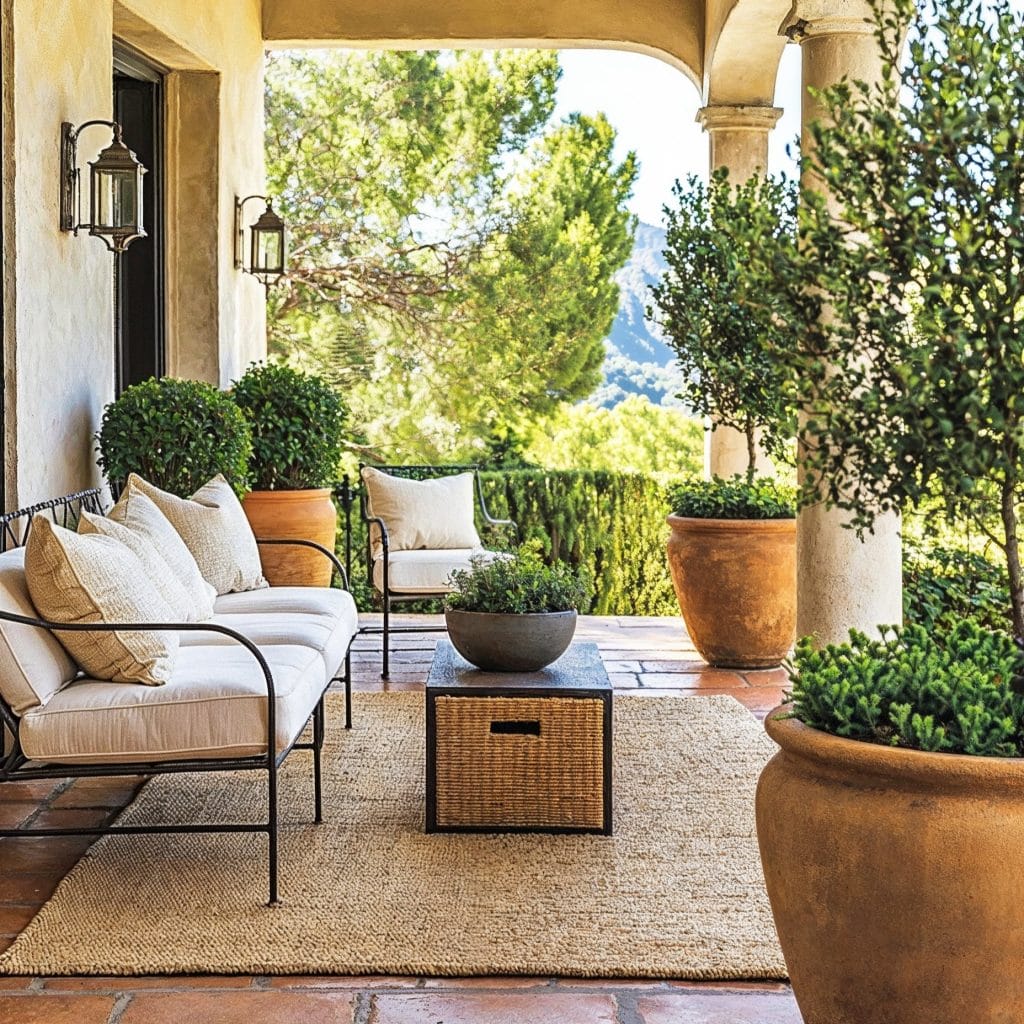
How to Decorate a Patio: Ideas for 2025 and 2026
Sep 9, 2026
3 min
How to Trim Around Landscape Edging
Sep 7, 2026
3 min
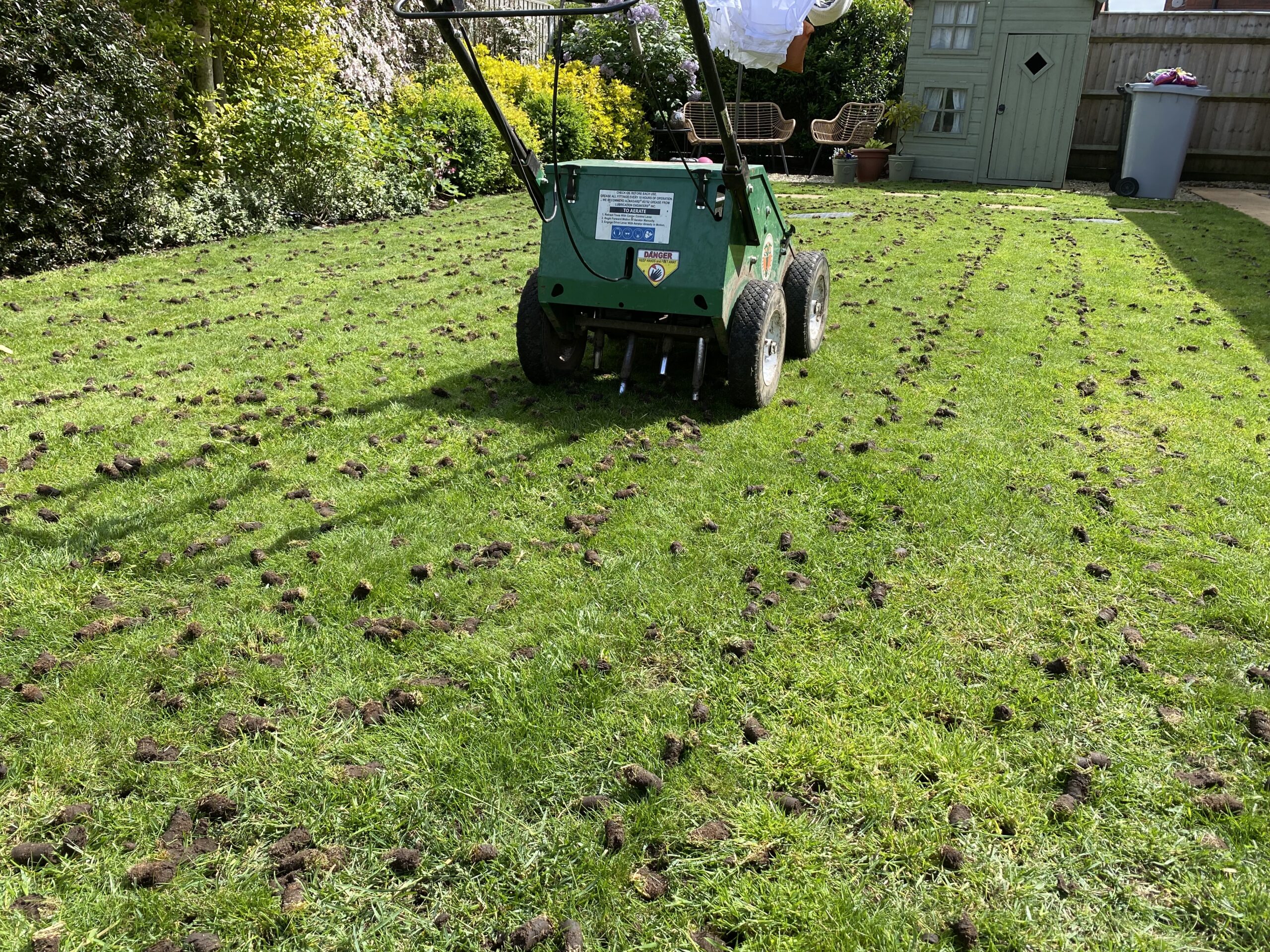
What Does a Lawn Look Like After Aeration
Have a Project in Mind?
If this post sounds like your yard, tell us about it. Request an estimate online or give us a call, and we’ll talk through what your property needs.




Transforming Huntsville & Madison yards since 2011 with expert landscape design, garden makeovers, mulching, and top-quality installations.


