Providing Best Services in Huntsville & Madison, AL


Follow us on Social.





May 18, 2026

3 Min

Landscaping
Should I Install a Fence or Landscape First?
In most cases, you should install the fence first and then landscape around it. This protects your new plants, sod, and garden beds from getting torn up during fence construction. However, if your yard needs grading, drainage work, or retaining walls, that landscaping must come first so the ground is in its final shape before fence posts go in.
The real answer depends on your specific yard. A flat lot in a newer subdivision is a completely different situation than a sloped backyard with clay soil and drainage issues. What matters is that you plan both projects together, even if you can only afford to do one at a time.
This guide walks you through exactly how to decide what comes first for your property. We'll cover the pros and cons of each order, the situations where one clearly beats the other, how to handle budget constraints, and the right sequence for common yard projects. Whether you're working on a new build in Madison or fixing up an older home in Huntsville, you'll know exactly what to do by the end.
When You Should Install the Fence First
For most homeowners, putting up the fence before doing any landscaping is the smarter move. Here's why.
Protect Your Plants and Lawn
Fence installation is heavy work. Crews dig post holes two to four feet deep. They haul lumber, panels, and concrete. Equipment rolls through your yard. If you've already planted flower beds, laid fresh sod, or installed a sprinkler system, there's a very good chance some of it will get damaged.
A fence company won't be able to tiptoe around your new hydrangeas. And they shouldn't have to. Installing the fence on bare or rough ground gives them room to work cleanly and quickly, which usually means a better install and a lower bill.
Define Your Yard's Boundaries
A fence gives you a clear frame to work within. Once it's up, you can see exactly how much space you have. That makes it much easier to plan where your patio will go, where to put the garden bed, and how to lay out pathways.
Think of it like hanging a picture frame before deciding what goes inside it. The frame sets the stage. Landscape professionals often prefer working within a fenced space because they can design with clear edges and boundaries already in place.
Keep Kids and Pets Safe Right Away
If you have young children or dogs, a fence is a safety feature, not just an aesthetic one. A kid or a pup can play in a yard that's still bare dirt. They can't safely play in an unfenced yard that borders a busy street, a neighbor's pool, or open land.
Get the fence up first so your family can start using the yard while you work on the landscaping over time. This is especially true here in North Alabama, where outdoor season starts early and runs long.
Budget Flexibility
A fence is typically a single project with a fixed cost. You hire a contractor, they build it, and it's done. Landscaping, on the other hand, can be spread out over months or even years. You can plant a tree this spring, add mulch next month, and build a patio next fall.
If money is tight, the fence first approach gives you an immediate, finished structure and the freedom to landscape at your own pace.
When Landscaping Should Come First
There are real situations where landscaping needs to happen before the fence goes in. Ignoring this order can lead to expensive mistakes.
Your Yard Needs Grading or Leveling
If your yard has slopes, low spots, or uneven terrain that needs to be reshaped, that work must happen before fence posts go into the ground. Grading changes the height of the soil. If you install a fence first and then raise or lower the ground around it, your fence will end up either buried in dirt or floating above it with big gaps underneath.
Here in Madison County, where clay heavy soil and rolling terrain are common, grading is often necessary. Get the ground into its final shape first. Then put the fence on top of it.
You Need Drainage Work Done
Poor drainage and fencing are a bad combination. If your yard has standing water problems, those need to be fixed before a fence goes up. French drains, catch basins, and regrading all require equipment access and digging that can't happen easily with a fence in the way.
Water pooling against fence posts also causes wood rot and shortens the life of your fence dramatically. Fence News Magazine recommends placing sprinkler heads at least two feet from fence structures and making sure water drains away from posts. Getting your drainage solutions right first protects both your landscape and your fence for the long haul.
Retaining Walls Are Part of the Plan
Retaining walls change the elevation of your yard. They hold back soil, create terraces, and redirect water flow. If a retaining wall sits anywhere near your fence line, the wall needs to go in first. Fence posts rely on precise elevation, and they need to be set after the ground reaches its final form.
This is especially important on hilly properties. We see this often in yards across Hampton Cove, Big Cove, and areas near Monte Sano where elevation changes are part of the landscape.
Large Trees Need to Go in First
If your landscape plan includes large, mature trees that need to be planted with heavy equipment, do that before the fence. A tree spade or a truck hauling a 15 foot oak cannot fit through a standard gate. Get the big trees placed first, then build the fence around them.
Smaller plants, shrubs, and flower beds can always go in after the fence is up.
The Ideal Order for a Full Yard Project
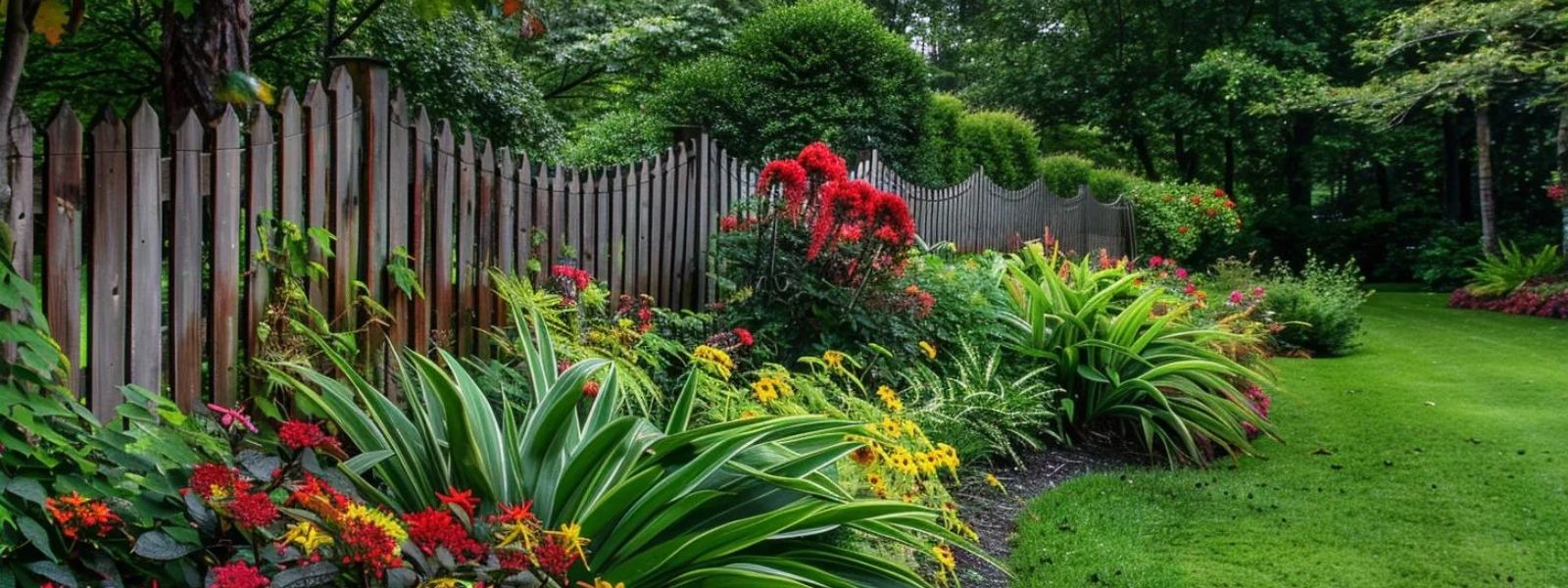
If you're tackling both a fence and landscaping as part of a bigger yard overhaul, here's the sequence that experienced landscape contractors follow. This order avoids rework, protects finished surfaces, and keeps costs down.
Step by Step Project Order
- Plan everything first. Create a layout of your entire yard before touching anything. Include the fence, patio, plant beds, pathways, drainage, and irrigation. Even a rough sketch helps.
- Grade and shape the land. Fix slopes, fill low spots, and set the final elevation. This is also when you address yard erosion and any muddy yard problems.
- Install drainage. French drains, catch basins, and downspout routing all go in while the ground is still open and accessible.
- Build hardscaping. Retaining walls, patios, walkways, and any concrete or stone work come next. These are heavy, messy projects that need equipment access.
- Install the fence. With the ground graded, drainage in, and hardscaping finished, your fence posts go into soil that's in its final position. The fence will sit level and look right.
- Rough in irrigation. If you're adding a sprinkler system, this is the time. Run lines after the fence is up so you know exactly where posts are and can keep heads at least two feet away from the fence.
- Prep and plant beds. Add soil amendments, build bed edges, and plant your shrubs, perennials, and flowers.
- Lay sod or seed last. Grass is always the final step. It's the most delicate surface and the first thing to get destroyed by foot traffic and equipment.
This order works whether you're doing a full backyard renovation or just phasing projects in over a couple of seasons. The key rule is simple: heavy work first, delicate work last.
The Hybrid Approach: Posts First, Panels Later
Here's a trick that professional fence and landscape crews use when both projects are happening at the same time.
How It Works
The fence company installs the posts first. Just the posts, set deep and solid. Then the landscaper comes in and finishes the ground work around those posts. Think pavers, turf, mulch, or ground cover brought right up to the base of each post. After the landscaping is done, the fence crew comes back and attaches the panels between the posts.
Why This Works So Well
The posts don't get in the way of landscaping equipment. The panels stay clean and undamaged. And the finished product looks seamless because the landscaping meets the fence line perfectly with no gaps or awkward transitions.
This approach is ideal if you're installing hardscaping, like pavers or a stone patio, that butts up against the fence line. It gives both crews room to do their best work without stepping on each other.
Common Mistakes Homeowners Make
Getting the order wrong is just one way things can go sideways. Here are other mistakes we see all the time.
Not Having a Plan
This is the biggest one. If you install a fence without knowing where the patio, garden, or drainage will go, you might end up ripping part of it out later. Always plan the full yard, even if you're only building one piece at a time.
Ignoring Property Lines
Before any fence goes up, you need to know exactly where your property ends. A fence built even a few inches onto your neighbor's land can create legal headaches. Get a survey done if there's any doubt. Most Alabama counties require a permit for fence installation, and many HOAs have setback rules.
Planting Too Close to the Fence
Leave at least 12 to 18 inches between plants and the fence line. Plants collect moisture. Moisture causes wood rot, mold, and mildew. If you want climbing vines on the fence, seal or stain the wood first and choose plants that won't trap water against the panels.
Skipping Drainage
We've seen it happen so many times. A beautiful new fence goes up in a yard that floods every time it rains. Within a few years, the posts are rotting from the base up because water sits against them constantly. North Alabama gets about 56 inches of rain per year. If your yard doesn't drain well, fix that problem before the fence goes in.
Forgetting About Access
Once a fence is up, the only way in and out is through the gates. If your gate is four feet wide but you need an eight foot truck to deliver mulch or topsoil, you've got a problem. Think about what equipment might need to get into your yard in the future and plan gate widths accordingly.
Cost Considerations: Fence vs. Landscaping
Both projects are investments in your property. Here's a general idea of what each costs so you can plan your budget.
Costs vary based on materials, yard size, and local labor rates. Here in the Huntsville area, fence and landscape pricing tends to fall in the mid range for the Southeast. Getting quotes for both projects at the same time, even from different contractors, helps you coordinate timing and avoid surprises.
What About Sprinkler Systems and Irrigation?
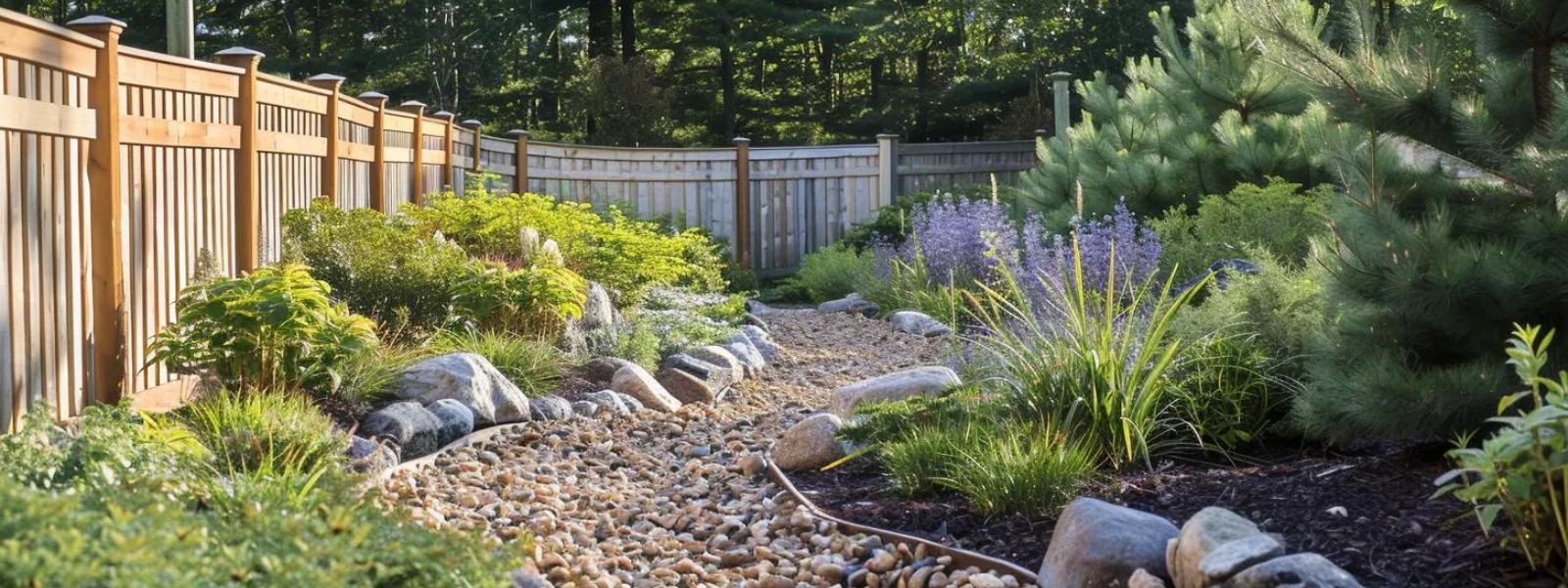
Sprinkler systems deserve special attention because they interact directly with both the fence and the landscape.
Install Irrigation After the Fence
If you run sprinkler lines before the fence goes in, there's a very good chance the fence crew will cut right through them while digging post holes. This is so common among fence contractors that it's practically a running joke in the industry.
The better approach is to install the fence first, then run irrigation lines. That way, the irrigation installer knows exactly where every post is and can route pipes around them. They can also set heads at the right distance from the fence so water doesn't spray directly onto the panels.
Keep Sprinkler Heads Away From the Fence
Water hitting a wood fence regularly will cause staining, mold, and rot over time. Keep all sprinkler heads at least two feet from the fence structure. If you already have a system in place, adjust or relocate heads that spray too close.
Seasonal Timing in North Alabama
Our humid subtropical climate affects both fencing and landscaping projects. Here's how to time things right.
Spring (March to May): Prime landscaping season after the last frost in mid April. If you're doing both projects, get grading and fence posts in early spring. Plant after frost risk passes.
Summer (June to August): Fence installation can happen year round, but avoid planting during the hottest months. Alabama's 90°F+ days stress new plants. Focus on hardscaping and fence work in summer, save planting for fall.
Fall (September to November): One of the best times to plant in North Alabama. Cooler temps and steady rain help plants establish roots before winter. If your fence is already up, fall is perfect for filling in the landscape around it.
Winter (December to February): Fence installation is still possible on most days. Use winter for planning and design work so you're ready to hit the ground running in spring.
For more ideas on seasonal yard care, check out these fall landscaping tips for low maintenance yards.
Frequently Asked Questions
Should I Install the Fence or Do the Landscaping First?
In most situations, the fence should go up first. This protects your plants, gives you defined boundaries to design within, and lets your family use the yard while you finish landscaping over time. The main exception is if your yard needs grading, drainage work, or retaining walls. Those heavy ground projects should always happen before fence posts go in.
Can I Install a Fence and Landscape at the Same Time?
Yes, but it takes coordination. The best approach is the hybrid method: install fence posts first, let the landscape crew finish their work around the posts, then attach the fence panels last. This avoids damage to both the fence and the landscaping. It requires good communication between your fence contractor and your landscaper.
Will Fence Installation Damage My Existing Landscaping?
It can. Fence crews dig deep holes, haul heavy materials, and walk along the entire fence line. Plants, sod, and irrigation lines near the fence are at risk. If you already have established landscaping, talk to your fence contractor about access routes and protection measures before they start.
How Far Should Plants Be From a Fence?
Keep plants at least 12 to 18 inches away from the fence. This gap allows air flow, prevents moisture buildup, and gives you room to maintain both the plants and the fence. Vines and climbing plants should only go on fences that have been sealed or stained to protect against moisture damage.
Do I Need a Permit for a Fence in Alabama?
Requirements vary by city and county. In the Huntsville and Madison area, most residential fences need a permit, especially if they exceed a certain height or sit near a property line. Many HOAs also have rules about fence style, height, and color. Always check local regulations before you build.
What If I Can Only Afford One Project Right Now?
Start with the fence. It's a single, contained project that you can complete in one go. Landscaping can be done in phases over time. Plant a bed this month, add mulch next month, and save the patio for next year. A fence gives you privacy, security, and a framework for everything that comes after.
Does the Order Change for a New Construction Home?
Yes. On new builds, the typical order is: builder finishes construction, the yard gets its final grading and sod, the soil settles for a few weeks, and then the fence goes in. Avoid installing a fence before final grading is approved because the builder or city may need to come back and adjust the grade, which could mean tearing out part of your fence.
Final Thoughts
The question of whether to install a fence or landscape first doesn't have a one size fits all answer. But with a little planning, you can get the order right for your yard and save yourself time, money, and headaches.
For most homeowners, the fence goes up first. It defines the space, protects what comes next, and gives your family immediate use of the yard. If your yard needs grading, drainage, or retaining walls, handle those first so the ground is in its final shape before the posts go in.
The smartest move is to plan both projects together from the start, even if you build them in stages. A landscape design that accounts for fence placement, drainage, and future features will save you from costly rework down the road.
White Shovel Landscapes has been helping homeowners across Madison, Huntsville, Decatur, and all of North Alabama plan and build beautiful, functional yards since 2011. If you need help figuring out the right order for your project, call us at 256-612-4439 or get a free estimate. We'll make sure everything goes in the right sequence, the first time.



You May Also Like

Sep 12, 2026
3 min
How to Keep Landscape Edging Straight
Sep 11, 2026
3 min
How to Decorate a Patio: Ideas for 2025 and 2026
Sep 9, 2026
3 min
How to Trim Around Landscape Edging
Sep 7, 2026
3 min
What Does a Lawn Look Like After Aeration
Have a Project in Mind?
If this post sounds like your yard, tell us about it. Request an estimate online or give us a call, and we’ll talk through what your property needs.



Transforming Huntsville & Madison yards since 2011 with expert landscape design, garden makeovers, mulching, and top-quality installations.


