Providing Best Services in Huntsville & Madison, AL


Follow us on Social.





May 21, 2025

2 Min

Landscaping
How to Keep your Patio Cool in the Alabama Heat Wave
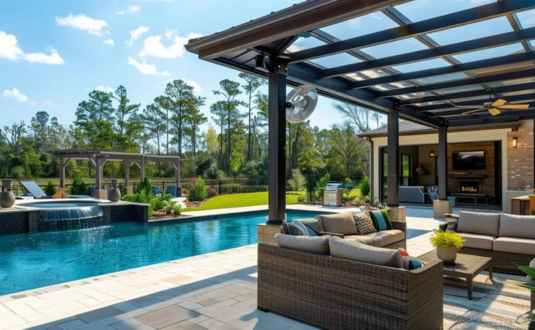
To keep your patio cool during Alabama’s intense heat, start by adding effective shade with umbrellas, awnings, or pergolas. Improve airflow using outdoor or ceiling fans, and consider misting systems or fountains for evaporative cooling. Choose light-colored, heat-reflective materials for surfaces and furniture that stay cool to the touch. Lastly, add plants for natural shade and use the space during cooler morning or evening hours for maximum comfort.
The Alabama heat wave demands practical solutions to keep outdoor living spaces comfortable. Homeowners looking to transform their patios face challenges such as relentless ultraviolet exposure, soaring temperatures on concrete and metal surfaces, and a lack of natural respite. This article explains expert strategies ranging from effective shading and optimized airflow to water features and heat-resistant materials that ensure your patio remains a cool oasis even on the hottest days. By integrating design elements like pergolas, retractable awnings and natural plantings, you not only transform your outdoor space but also achieve a harmonious blend of aesthetics, functionality, and energy efficiency. Keeping your patio cool makes it more comfortable to use and lowers the risk of heat stroke and dehydration.
Putting these strategies to work turns your patio into more than just a cool escape from the Alabama heat: it becomes a stylish and functional outdoor living space that truly extends your home. With a focus on sustainable practices and modern innovations, the following sections lay out detailed instructions and expert insights for creating an environment that stands up to harsh weather while remaining inviting and safe. For further guidance, please contact-us. Transitioning into practical solutions, the first essential step is designing effective shading strategies.
Implement Effective Shading Strategies for Your Alabama Patio
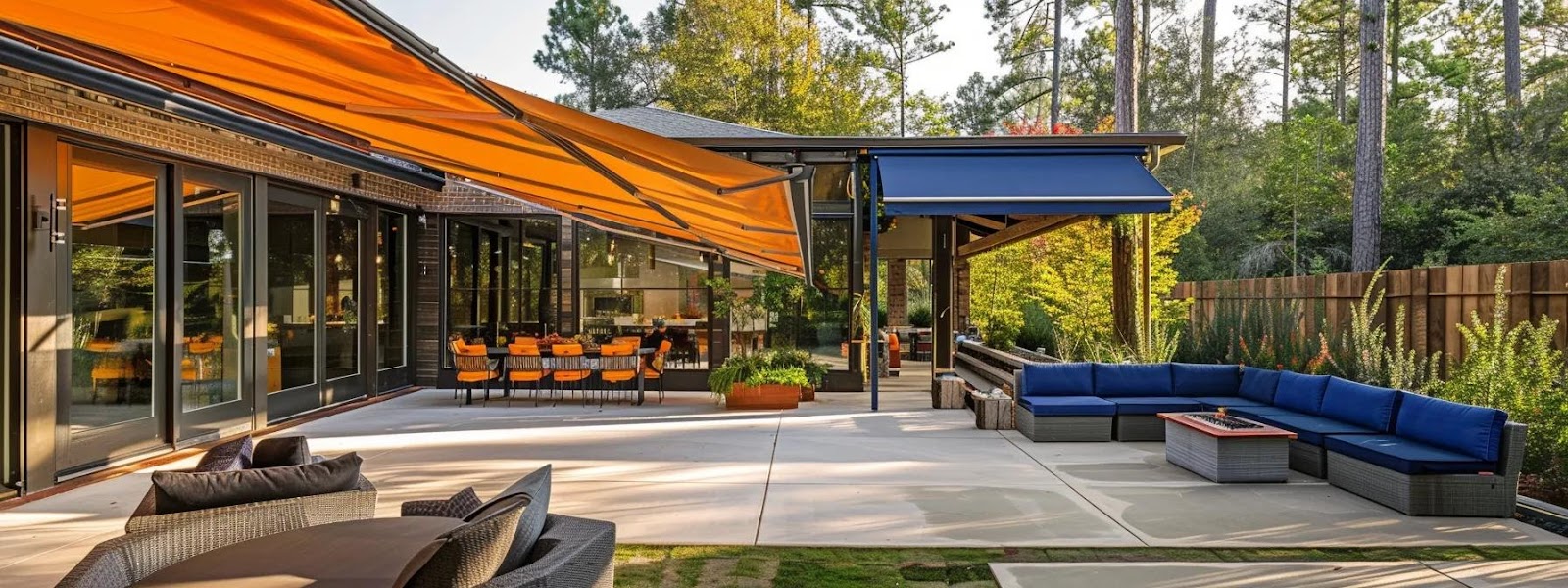
Keeping your patio cool begins with efficient shading. Use a mix of movable and fixed shading solutions: proper shade structures can dramatically reduce the intensity of the heat and ultraviolet exposure on your outdoor space. One major strategy is to select the right patio umbrellas, which are both movable and versatile enough to block direct sunlight from various angles. Combining these with fixed structures like retractable awnings lets you adjust the shade as the sun moves throughout the day.
Select Appropriate Patio Umbrellas for Sun Blockage
Patio umbrellas are an excellent starting point for protection against the blinding Alabama sun. These umbrellas come in various sizes and designs, offering flexibility in matching your patio’s aesthetics and functional needs. A high-quality patio umbrella made from UV-resistant fabric can block most harmful ultraviolet radiation, reducing risks of sunburn and heat-related discomfort. For example, an umbrella with a canopy constructed of heavy-duty polyester with a UPF rating keeps the surfaces beneath it noticeably cooler, even during peak heat hours. When positioned strategically, these umbrellas can also contribute to an appealing, relaxed atmosphere that encourages outdoor living without overheating. For more details on design and installation,
Install Retractable Awnings to Manage Sunlight Exposure
Retractable awnings offer sun control that can be used as needed. A durable awning, with automated or manual adjustments, lets you regulate how much sun reaches your patio. Modern retractable systems allow for precise control over the amount of shade provided, offering both full coverage during the midday heat and partial sunlight exposure during cooler periods. Awnings made from acrylic fabrics are designed to withstand wind and rain while providing consistent protection from the sun. This adaptive shading solution helps lower surface temperatures substantially, making the outdoor experience more comfortable during extended periods of use.
Construct a Pergola or Gazebo for Consistent Shade
Pergolas and gazebos serve as permanent fixtures that provide continuous shading. Constructed from materials such as wood, metal, or composite, these structures not only enhance the visual appeal of your patio but also provide a stable framework for draping fabrics or installing climbing plants. For more details on installation and design, please contact-us if you need further assistance. A well-designed pergola creates a layered barrier between direct sunlight and your seating areas, cutting the heat that reaches them. These structures also create an inviting space for relaxation and social gatherings, all while protecting you from the intense Alabama sun.
Utilize Shade Sails for Versatile Sun Protection
Shade sails are a flexible and modern approach to patio cooling. They hold up well even on the hottest days. These tensioned fabric canopies, popular among residents in Madison, are available in various shapes and sizes to suit unique patio configurations. Their installation process is relatively straightforward, and they can cover large areas with minimal structural support. Shade sails are especially useful in irregularly shaped patios where traditional umbrellas or awnings might not fit. Their lightweight design allows for easy repositioning in response to seasonal changes, providing both aesthetic versatility and effective sun blockage that can improve the overall comfort of your outdoor space.
Grow Natural Shade With Trees and Climbing Plants Around Your Patio
Integrating natural elements into your patio design creates both an environmentally friendly and visually appealing solution to excess heat. Planting shade trees such as oak or maple around the perimeter of your patio offers long-term cooling benefits by blocking the sun and enhancing the local microclimate. Planting climbing vines on trellises, pergolas, or fences adds an extra layer of natural insulation. These living structures not only filter harmful ultraviolet rays but also contribute to improved air quality by absorbing pollutants and providing oxygen. Strategic placement of mature trees and fast-growing vines can reduce ambient temperatures by up to 5°F, making your outdoor area more inviting even during the peak hours of the Alabama heat wave.
Optimize Airflow to Reduce Patio Temperatures During an Alabama Heat Wave
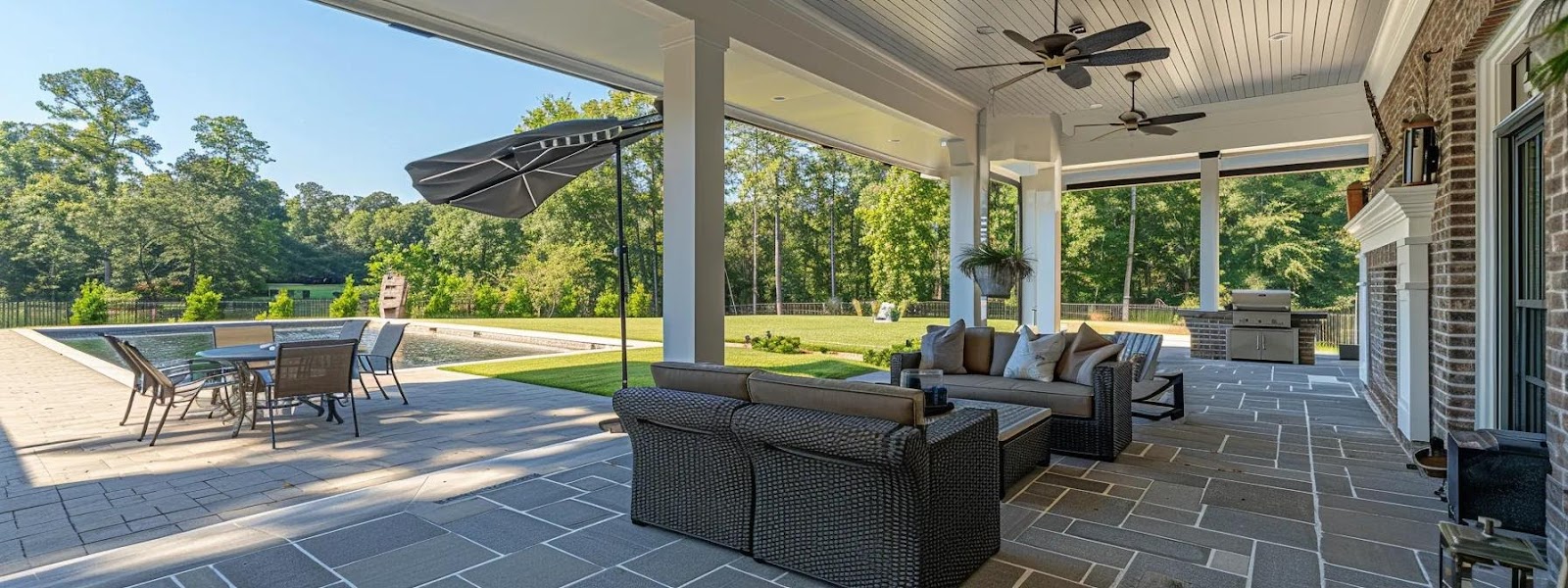
Enhancing airflow on your patio is as crucial as shading for reducing heat accumulation, particularly in North Alabama's humid climate. Proper ventilation promotes evaporative cooling, which naturally lowers surface and air temperatures. By strategically positioning outdoor fans and using the natural movement of air, you create a cooler and more pleasant environment for outdoor activities. In humid Alabama heat, where stagnant air can amplify the discomfort, optimizing airflow helps to dissipate heat more effectively.
Strategically Position Outdoor Fans for Better Circulation
Outdoor fans are among the most practical solutions for improving patio airflow. Placing fans in strategic positions, such as near seating areas or along pathways, can help circulate air and create a cooling breeze. Fans with adjustable settings allow users to match the fan speed to current weather conditions, ensuring maximum efficiency without excessive noise or energy waste. For installation advice, feel free to contact us. In addition, oscillating and pedestal fans are popular choices that provide widespread coverage, ensuring that all areas of the patio benefit from increased air movement. When fans are placed near gateways or openings, they enhance cross-ventilation by drawing in cooler air from shaded or indoor spaces, creating a refreshing outdoor microclimate.
Choose Ceiling Fans Designed for Outdoor Patio Use
Outdoor ceiling fans not only add a touch of sophistication to your patio décor but also significantly improve air circulation. Designed to withstand rain and high humidity, these fans come with weather-resistant features such as sealed motors and corrosion-proof materials. Ceiling fans mounted over dining or lounge areas can circulate cooler air effectively while contributing to the stylish look of your outdoor setting. With speeds that can be adjusted to match fluctuating temperatures, these fans help to reduce the feeling of heat, ensuring an invigorating atmosphere for family gatherings or entertaining guests.
Create Cross-Breezes by Arranging Furniture and Plants
An intelligently arranged patio layout can facilitate natural cross-breezes, which enhance airflow and lower ambient temperatures. Positioning furniture so that air pathways stay unobstructed is key. For instance, placing seating away from dense clusters of potted plants or large decorative elements creates channels that enable breezes to pass through your patio. Using lightweight, modular furniture also helps to minimize airflow restrictions. In addition, the strategic placement of decorative elements like fountains or small water features can encourage slight air movement, further augmenting the cooling effect via evaporative processes. For more guidance, please visit contact-us for additional tips.
Consider Portable Air Coolers for Focused Cooling
Portable air coolers offer targeted relief for specific areas of your patio that get excessive heat. These units operate by drawing in warm air and passing it over water-saturated pads, utilizing evaporative cooling to lower temperatures before blowing the cooled air back into the area. Ideal for patios with limited natural airflow, portable coolers can be easily moved from one spot to another depending on usage and sun exposure. Newer evaporative coolers are more energy-efficient and quieter than older models.
Introduce Water Features for Evaporative Cooling on Your Patio
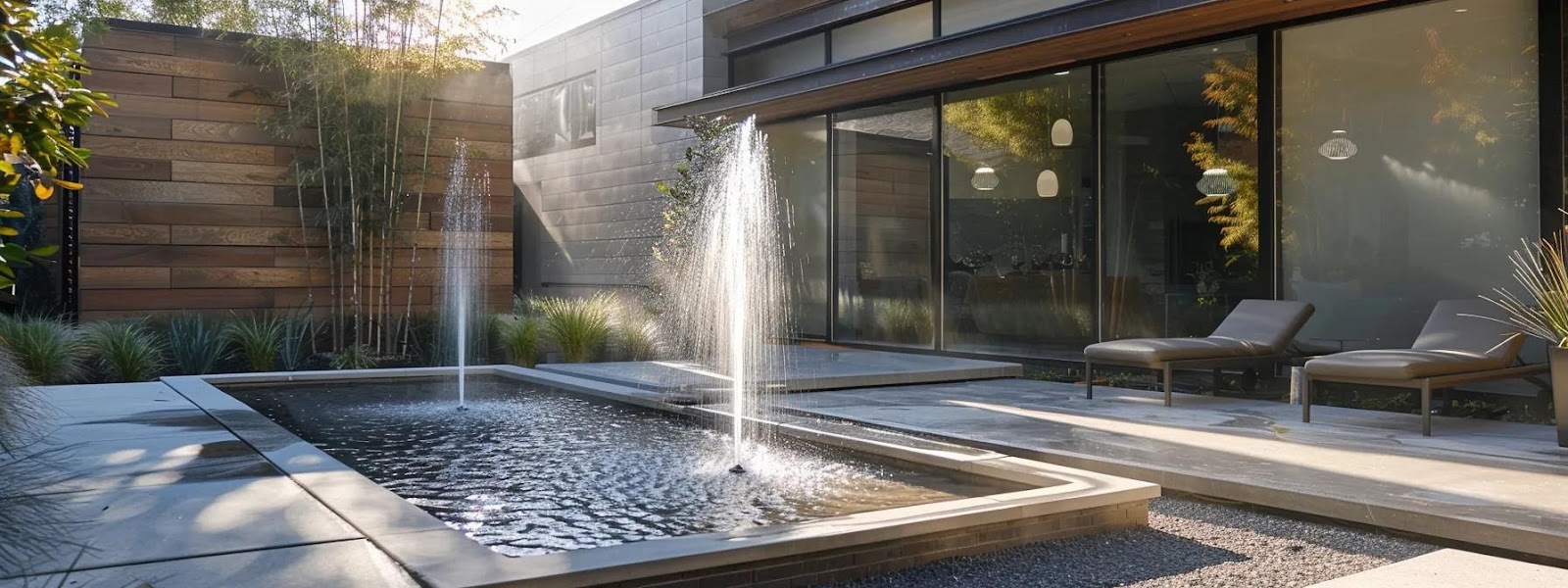
Water features create a soothing and natural cooling effect by harnessing evaporative processes. In the harsh Alabama heat, elements such as misting systems, fountains, and even outdoor curtains that can be dampened can significantly lower the temperature of your patio. These features not only assist in cooling through the evaporation of water but also enhance the overall aesthetic and relaxing ambiance of your outdoor space.
Set Up Misting Systems to Lower Ambient Patio Heat
Misting systems are a popular choice for reducing air temperature on patios by creating a fine spray of water that evaporates quickly, drawing heat from the surrounding air. These systems can be installed along railings, pergolas, or over seating areas to provide a continuous, refreshing mist. A well-designed misting system can noticeably lower the air temperature around your seating area, significantly improving comfort during a heat wave. Modern misting systems use variable-pressure pumps and nozzles that distribute water evenly, so all areas of your patio receive a consistent cooling effect without creating excess moisture or dampness.
Incorporate Fountains or Water Walls for a Cooling Effect
Fountains and water walls are not only decorative but also practical when it comes to achieving evaporative cooling. A strategically placed fountain can recycle water continuously, creating a rhythmic sound that enhances the relaxing environment while cooling the air via evaporation. If you're looking for more ideas or professional advice, feel free to contact us. Water walls work similarly, keeping a constant flow of water moving over a broad surface area. In addition to their cooling benefits, these features improve the overall aesthetics of your patio and serve as a focal point for gatherings or personal relaxation. Water features like these can improve the microclimate of your patio, complementing other cooling strategies such as shading and airflow optimization.
Use Outdoor Curtains You Can Dampen
Outdoor curtains do double duty: they offer shade, and they can be dampened for additional cooling. When curtains made of porous, durable fabric are lightly moistened, they absorb and then slowly release water, contributing to a mild evaporative cooling effect. This method is particularly effective during late afternoon hours when the sun's force begins to wane. In addition to offering a visual upgrade to your patio décor, dampable curtains can be adjusted using remote controls in some modern systems, adding both convenience and efficiency to your cooling strategy.
Place Basins of Ice Strategically for Temporary Relief
For immediate and temporary relief during peak heat times, placing basins of ice around key areas of your patio can lower local temperatures as the ice absorbs heat and melts. This approach is especially useful when combined with gentle fans, which spread the cool air from the melting ice across the space. Ice basins provide short-term cooling, making it easier to enjoy outdoor activities even during the most oppressive heat waves. While this method requires periodic replenishment of ice, when executed properly it can provide noticeable drops in localized temperatures, contributing to overall sensory relief on a scorching day.
Before adding water features to your patio design, consider both the overall look and the ongoing maintenance needs. This table compares various options, offering a clear outline of what each feature can deliver in terms of temperature reduction, benefits, and ease of upkeep. With this information, homeowners can decide which water feature best fits their outdoor space and cooling objectives. For further details, feel free to contact us.
Choose Heat-Resistant Materials and Colors for Patio Surfaces
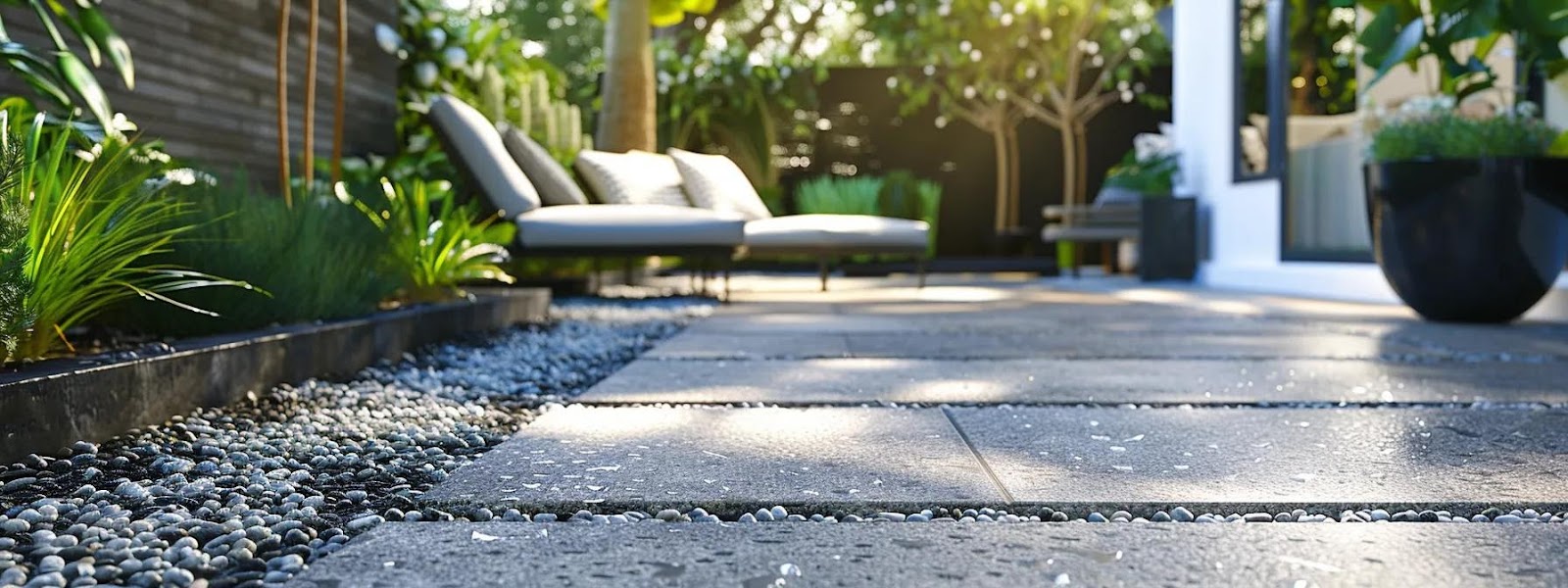
Selecting the right construction materials and colors for your patio surfaces is crucial for managing heat accumulation. Dark and heat-absorbent surfaces such as asphalt or dark tiles can drastically increase the surface temperature during a heat wave. Instead, opting for lighter-colored pavers, decking, or concrete alternatives can reflect more of the sun’s rays, reducing heat absorption. In addition to color, the material’s thermal properties play a significant role in defining your patio's comfort level.
Opt for Lighter Colored Pavers or Decking Materials
Lighter colored pavers or decking materials have good reflective properties that help minimize heat absorption. Materials such as light-toned natural stone, porcelain, or even composite decking in pale shades can reduce surface temperatures by as much as 10–15°F compared to dark surfaces. These materials not only enhance the look of your patio but also contribute to a cooler environment. Homeowners have reported that patios featuring light-colored surfaces remain cooler to the touch, particularly during the peak hours of the day. The extra benefit is that such surfaces also lend a modern and sophisticated look to outdoor living spaces, balancing functionality with style. For more details, please visit our contact-us page.
Select Patio Furniture Made From Cooling Materials
Patio furniture plays an often-overlooked role in overall heat retention. Choosing furniture materials that remain cool under direct sunlight is essential. For instance, wicker, synthetic rattan, and certain metals with reflective coatings do not absorb as much heat as dark wood or plastic alternatives. Some manufacturers now offer upholstery treated with heat-reflective fabrics designed to stay cooler in the sun. This not only prevents burns on skin contact but also ensures that no single element of your patio becomes a source of excessive heat. For additional information or inquiries, please contact-us.
Use Outdoor Rugs That Do Not Retain Excessive Heat
Outdoor rugs serve as both decorative accents and functional elements that contribute to thermal comfort. Rugs made from materials like polypropylene or engineered synthetic fibers help reduce surface heat. These options are designed not to absorb or retain excessive heat, so even if the patio surface becomes hot, the floor covering stays relatively cool to bare feet. For additional details on enhancing your outdoor space, please contact-us. By integrating these rugs into your patio design, you achieve both visual warmth and added comfort, making your outdoor living space inviting even during extreme heat.
Apply Reflective Coatings to Patio Surfaces if Appropriate
Applying reflective coatings to existing patio surfaces is an effective retrofit to reduce heat absorption. These coatings work by reflecting a significant portion of the sun’s rays rather than allowing them to be absorbed and conducted through the material. A high-reflectivity coating can noticeably lower the surface temperature of concrete, offering real relief during a heat wave. This approach is especially valuable for older patios that may already be established, providing an economical upgrade without the need for complete reconstruction. For further details, please contact-us.
Adjust Your Patio Usage Habits During an Alabama Heat Wave
Even the best-designed patio will still be affected by extreme weather. Adjusting how you use your patio during the peak of an Alabama heat wave is therefore essential. By understanding the natural rhythms of the day and adapting your schedule and activities accordingly, you can take full advantage of the cooler moments while minimizing exposure during the hottest intervals.
Utilize Your Patio During Cooler Morning and Evening Hours
Changing the times of day when you use your patio can significantly affect your comfort level. Early morning and late evening are usually the most comfortable times, noticeably cooler than midday. Scheduling gatherings, meals, or even relaxation time during these cooler hours not only maximizes comfort but also takes advantage of natural light and ambiance without the risk of overexposure to the sun’s ultraviolet rays. This shift makes for a more enjoyable experience while reducing the energy spent on combating heat through artificial methods.
Prepare Chilled Refreshments and Snacks for Patio Time
Offering chilled refreshments on a hot day is more than just a luxury it is a necessity. Keeping beverages in a cooler and serving foods that are light and hydrating helps to counteract the dehydrating effects of high temperatures. Homeowners often include options like iced teas, fresh fruit smoothies, or water infused with citrus fruits and mint. By preparing these chilling treats in advance, you create a microenvironment that enhances overall comfort and helps regulate body temperature, reducing the risk of heat stroke and dehydration. To make the most of your patio in extreme heat, consider subtle design adjustments that promote airflow
Wear Light, Breathable Clothing When on the Patio
Personal comfort also relies on the clothing choices made during a heat wave. Investing in garments made from breathable, lightweight fabrics such as cotton or moisture-wicking materials can significantly improve comfort. These fabrics allow for better ventilation and reduce the buildup of body heat when temperatures soar. For those seeking additional guidance during hot conditions, you can always contact-us for practical tips. Wearing light-colored clothes further complements the overall effort to reflect heat rather than absorb it. This approach helps maintain a lower body temperature and eases the skin discomfort of prolonged sun exposure by providing a layer of protection against direct ultraviolet radiation.
Limit Strenuous Activities on the Patio in Peak Heat
Lastly, minimizing physical exertion during peak heat hours is a critical measure for avoiding heat-related illnesses. Activities that increase body heat and fatigue, such as vigorous cleaning or exercise, should be scheduled for cooler parts of the day. Instead, enjoy passive activities like reading, socializing, or simply relaxing – and if you need more advice, feel free to contact-us. This calm usage not only preserves energy but also reduces the risk of overexertion, contributing to overall well-being during periods of intense heat. Embracing a slower pace and gentle leisure activities helps your body acclimate to the heat without the added stress of strenuous activity.
Employ Plant Life to Naturally Cool Your Alabama Patio Area
Incorporating plant life into your patio design is a sustainable strategy for reducing temperatures naturally. Plants not only provide shade through their foliage but also cool the surrounding air via transpiration, the process of releasing moisture into the atmosphere, which in turn lowers the air temperature around them. Thoughtful landscaping can transform your patio into a living oasis that mitigates excessive heat and contributes to overall air quality. In Alabama’s extreme heat, using natural vegetation is a highly effective and energy-efficient way to improve comfort and looks at the same time. For more tips on keeping your patio cool, feel free to contact us.
Arrange Potted Plants to Create Shady Microclimates
Positioning potted plants around your patio can establish microclimates that offer localized cooling effects. Large planters filled with mature shrubs, small trees, or dense ornamental grasses can create pockets of shade that reduce direct sunlight on seating and walking areas. The cooling effect is enhanced as these plants transpire, releasing water vapor and acting as a natural air conditioner. When arranging potted plants, consider species with broad leaves that provide maximum coverage while also adding vibrant greenery that complements your patio décor.
Plant Vining Species on Trellises for Green Walls
Vining plants such as ivy, bougainvillea, or climbing roses are good choices for creating green walls along your patio. Affixing trellises or frames to walls or pergolas enables these climbing vines to form continuous layers of foliage, which not only block sunlight effectively but also add a rich vertical element to your outdoor space. As the vines mature and cover the surfaces, they intercept the sun’s rays long before they reach your walls or furniture, a natural way to lower the temperature. Additionally, these living walls improve air quality by filtering dust and pollutants, turning your patio into a cooler, greener, and more inviting space.
Select Drought-Tolerant Plants Suited to Alabama's Climate
Choosing plant species that thrive in Alabama’s hot, dry spells keeps your patio low-maintenance while still providing effective cooling. Drought-tolerant species, such as succulents, ornamental grasses and certain native shrubs, are adapted to withstand high temperatures and limited water. These plants typically have reduced leaf surfaces, which minimizes water loss and helps maintain lower transpiration rates during peak heat. By selecting native or drought-resistant varieties, you reduce the need for watering while your landscaped areas continue to offer shade and cooling throughout the summer. For more details, please visit our contact-us page.
Use Planters That Help Keep Plant Roots Cool
The type of planter you choose also plays a significant role in maintaining a cool environment for your plants—a factor that directly correlates with their cooling efficiency. Planters with high thermal mass, such as those made from terracotta or light-colored concrete, absorb less heat and help keep the soil inside them cooler. Additionally, planters designed with drainage and insulation in mind ensure that plant roots remain cool even during the hottest days. If you have any questions or need further advice, please contact-us. This not only supports healthier plant growth but also enhances the overall cooling effect that a thriving green lawn and planter arrangement can provide to your patio space.
Frequently Asked Questions
How much can proper shading reduce the temperature on a patio?
Effective shading can make patio surfaces much cooler than unshaded areas. Retractable awnings, pergolas, and natural shade from trees all lower temperatures noticeably, improving overall comfort. For more details, please contact-us.
Are misting systems safe to use on my patio?
Yes, misting systems are safe when properly installed and maintained. They lower the air temperature through evaporative cooling, even during the hottest days. Designed with adjustable nozzles for optimal performance, these systems are an excellent addition to any outdoor area. Regular cleaning prevents clogging and ensures consistent performance.
Can natural plantings provide enough shade for a large patio area?
Natural plantings can provide substantial cooling benefits, especially when mature trees and climbing plants are used to create layered shade. While they might not completely replace engineered shading solutions, they significantly reduce heat and improve air quality while enhancing aesthetics. For more details, please visit our contact-us page.
How often should I replace or maintain outdoor cooling features like misting systems or fans?
Maintenance frequency depends on the feature and local weather conditions. Generally, misting systems should be inspected monthly for nozzle blockages, while outdoor fans and ceiling fans require periodic cleaning every few months to ensure optimal airflow and efficiency. For specialized maintenance tips, contact us. Monitor your systems closely during the peak summer months.
What materials are best for patios in extreme heat?
The best materials for patios during extreme heat are light-colored pavers, composite decking designed to stay cooler in the sun, and surfaces with reflective coatings. These choices keep your space more comfortable on high-temperature days by reflecting rather than absorbing heat. Choosing materials that stay cooler in the sun can make a significant difference in your outdoor living experience. For further guidance or installation help, please contact us.
Final Thoughts
In Alabama’s harsh summer climate, keeping your patio cool is essential for extending your outdoor living season. By combining shading, better airflow, water features and heat-resistant materials, homeowners can create a refreshing oasis amid challenging heat waves. Embracing natural cooling through strategic landscaping further enhances comfort and sustainability. With these actionable insights and expert tips, transforming your patio into a cool, inviting retreat is both achievable and rewarding. For personalized advice, feel free to visit our contact-us page.



You May Also Like

Sep 12, 2026
3 min
How to Keep Landscape Edging Straight
Sep 11, 2026
3 min
How to Decorate a Patio: Ideas for 2025 and 2026
Sep 9, 2026
3 min
How to Trim Around Landscape Edging
Sep 7, 2026
3 min
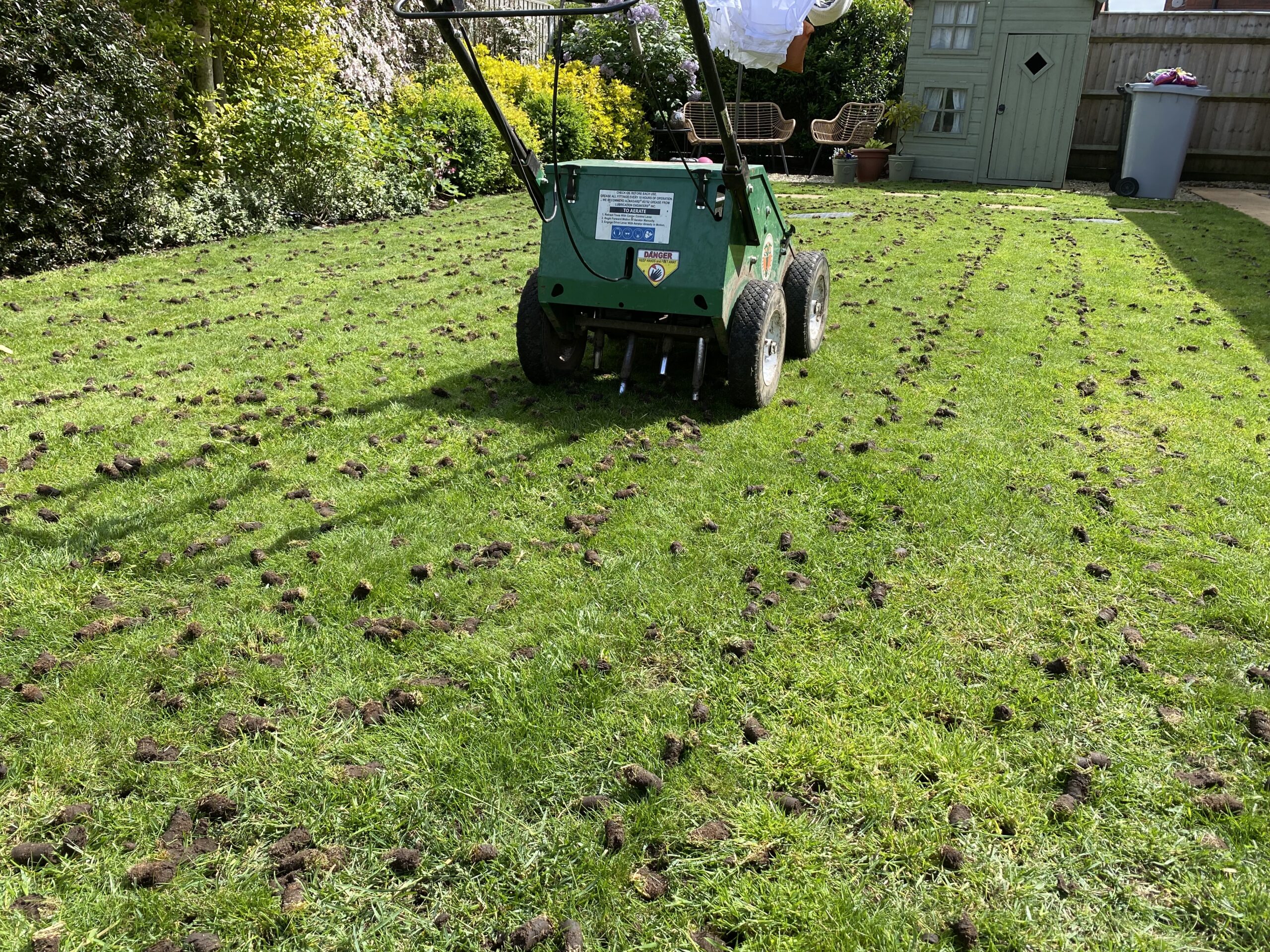
What Does a Lawn Look Like After Aeration
Have a Project in Mind?
If this post sounds like your yard, tell us about it. Request an estimate online or give us a call, and we’ll talk through what your property needs.




Transforming Huntsville & Madison yards since 2011 with expert landscape design, garden makeovers, mulching, and top-quality installations.


