Providing Best Services in Huntsville & Madison, AL


Follow us on Social.





Sep 1, 2026

3 MIN

Lawn Care
Can You Mix Zoysia and Bermuda Grass in One Lawn?
You can grow zoysia and bermuda grass in the same yard, but mixing them together in the same lawn area is not recommended because the two grasses differ in blade width, texture, color, growth rate, and maintenance needs. Bermuda grows faster and more aggressively than zoysia, according to SodPods and NC State Extension, which means bermuda gradually invades zoysia zones in full sun while zoysia holds its ground in partial shade where bermuda cannot survive. The best approach is to zone each grass to the part of the yard that matches its strengths: bermuda in full-sun, high-traffic areas and zoysia in partially shaded, lower-maintenance zones. This guide covers why homeowners end up with both grasses, what happens when they grow together, how to maintain a mixed lawn, how to remove bermuda from zoysia, and how to prevent the two grasses from competing with each other.
Why Do Homeowners End Up with Both Grasses in One Yard?
Most homeowners do not plant zoysia and bermuda together on purpose. Mixed lawns usually happen in one of three ways: bermuda creeps in from a neighboring yard, the previous owner installed one grass over the other without fully removing the original turf, or a homeowner planted zoysia in a yard that already had bermuda without realizing how aggressively bermuda spreads.
Bermudagrass is the most common lawn grass in Alabama, according to LawnStarter. Its stolons and rhizomes spread fast enough to cross property lines, grow through thin mulch beds, and colonize bare spots in adjacent lawns within a single growing season. A neighbor's bermuda lawn is the most common source of bermuda invasion into zoysia yards. Choosing the right grass type for your property and understanding how each one spreads helps you plan for this reality before it becomes a problem.
New construction sites present another common scenario. Builders often install bermuda sod because it establishes quickly and costs less per square foot. Homeowners who later decide they prefer zoysia's lower maintenance and shade tolerance sometimes install zoysia sod on top of or next to the existing bermuda without killing the bermuda first. The surviving bermuda runners push through the new zoysia within months, creating a mixed lawn that neither grass type dominates cleanly.
What Happens When Zoysia and Bermuda Grow Together?
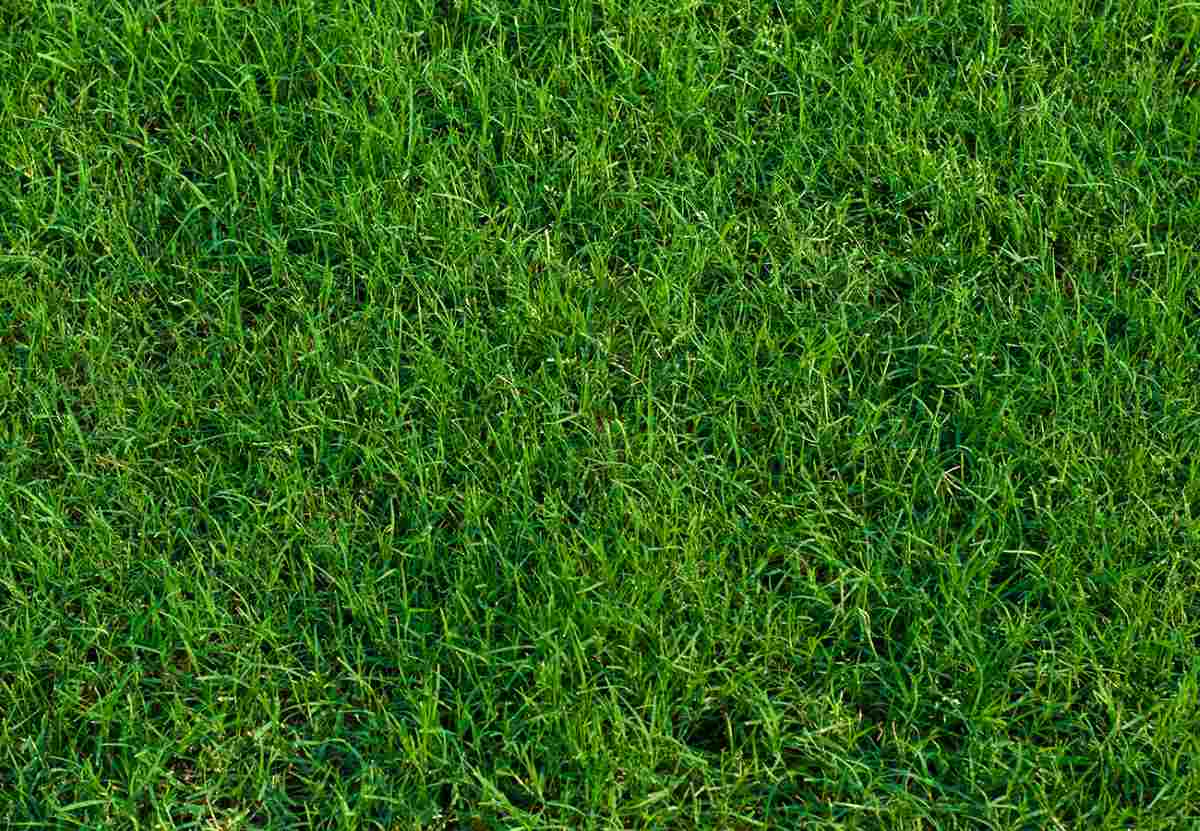
When zoysia and bermuda grow together in the same area, the lawn develops an uneven appearance with patches of different color, texture, and density. Bermuda's narrow, soft, light-green blades contrast visibly against zoysia's wider, stiffer, darker-green blades. SuperSod notes that the color difference between the two grasses is most visible in the morning when dew highlights bermuda's gray-green tone against zoysia's deeper emerald.
The two grasses also grow at different speeds, which creates height inconsistencies between mowings. Bermuda needs mowing every 5 to 7 days during peak growth, according to Pennington. Zoysia needs mowing every 10 to 14 days. A mixed lawn mowed on a single schedule always has one grass that is either too tall or recently cut too short. Properties with persistent weed problems in mixed turf areas often trace the issue back to the thinned canopy that uneven mowing creates.
Maintenance requirements conflict beyond just mowing. The differences in fertilizer, water, and care schedules compound the challenges of keeping both grasses healthy in the same space.
Care FactorZoysiaBermudaMixed Lawn ConflictMowing height1-2 inches0.5-1.5 inchesNo single height optimizes both; 1-1.5 inches is the compromiseMowing frequencyEvery 10-14 daysEvery 5-7 daysWeekly mowing is the best middle groundNitrogen per year1-3 lbs per 1,000 sqft3-6 lbs per 1,000 sqftFeeding at bermuda's rate over-fertilizes zoysia; feeding at zoysia's rate starves bermudaShade tolerance4-6 hours sun (variety dependent)8+ hours full sunBermuda dies in shade; zoysia thrives thereWater needs0.5-1 inch per week1-1.5 inches per weekOverwatering for bermuda promotes fungus in zoysiaSpread rateSlow; 1-2 inches per monthFast; aggressive lateral growthBermuda outcompetes zoysia in full sun over time
Sources: Pennington, NC State Extension, UF IFAS, LSU AgCenter, SuperSod
When Does Mixing Zoysia and Bermuda Make Sense?
Mixing zoysia and bermuda makes sense when you zone each grass to a separate area of the yard based on sunlight exposure and traffic patterns rather than blending them together in the same turf area. SodPods confirms that using different grass types for different microclimates within the yard is a smart strategy when a single grass type cannot perform well everywhere.
A yard with a full-sun front lawn and a partially shaded backyard under mature trees is a natural candidate for zoning. Bermuda in the front handles the heat, traffic, and visibility. Zoysia in the back handles the filtered light, lower traffic, and the lower-maintenance schedule that backyard areas typically receive. Professional landscape design maps the light conditions across your property and recommends the right grass for each zone.
Zoning only works if you maintain a clear boundary between the two zones. Without physical separation, bermuda's aggressive stolons cross into the zoysia zone within one growing season. A flower bed, mulch border, or hardscape strip between the two grass areas acts as a buffer zone that makes border maintenance manageable. Edging installed at least 4 inches deep blocks bermuda's underground rhizomes from crossing the boundary beneath the surface.
How to Maintain a Mixed Zoysia and Bermuda Lawn
If you already have both grasses growing together and want to maintain the lawn without a full renovation, SuperSod provides a practical compromise schedule that keeps the mixed turf looking its best. Follow these steps:
- Mow at 1 to 1.5 inches. This height falls within the acceptable range for both grasses. Bermuda looks its best at the lower end; zoysia performs well at the higher end. Splitting the difference at 1 to 1.5 inches produces a reasonably uniform appearance, according to SuperSod's maintenance recommendations.
- Mow every 7 days during peak growing season. Weekly mowing matches bermuda's optimal 5-to-7-day cycle and falls within zoysia's acceptable 7-to-14-day range. Letting the lawn go longer than 10 days causes bermuda to grow too tall and look ragged after cutting.
- Follow zoysia's fertilizer schedule rather than bermuda's. Zoysia needs 1 to 3 pounds of nitrogen per 1,000 square feet per year, while bermuda needs 3 to 6 pounds. Applying at bermuda's higher rate pushes excessive growth in the zoysia zones, increases thatch buildup, and raises disease risk. SuperSod recommends erring on the side of caution with the lighter zoysia schedule.
- Apply pre-emergent herbicide in February, April, and September. Both grasses benefit from pre-emergent weed control at these intervals. Pre-emergent prevents crabgrass and other annual weeds from germinating in the gaps where the mixed turf is thinnest.
- Apply preventative fungicide in October for both grasses and again in April for the zoysia zones only. Zoysia is more susceptible to large patch disease than bermuda, so the spring application targets the zoysia areas specifically.
- Water at 1 inch per week. This rate satisfies zoysia's 0.5-to-1-inch requirement and falls at the lower end of bermuda's 1-to-1.5-inch preference. Bermuda in the sunniest spots may show slight drought stress during the hottest weeks, but the tradeoff prevents overwatering that promotes fungal problems in the zoysia zones.
- Aerate annually in late spring during peak warm-season growth. Lawn aeration benefits both grasses by relieving soil compaction, improving water infiltration, and encouraging the lateral spreading that fills thin spots in both turf types.
How to Get Bermuda Grass Out of a Zoysia Lawn
Removing bermuda from an established zoysia lawn is one of the most difficult lawn care challenges in the Southeast because bermuda's aggressive stolons and deep rhizomes resist removal. SuperSod outlines three main approaches, each with different tradeoffs in cost, effort, and effectiveness.
The first option is selective herbicide treatment. Fusilade II, applied at reduced rates, is labeled to suppress and kill bermuda in zoysia lawns. SuperSod strongly recommends hiring a licensed applicator for this product because an incorrect mix ratio will kill the zoysia instead of the bermuda. A newer product called Recognition, used in combination with Fusilade II, improves bermuda kill rates without the yellowing that Fusilade alone causes. Multiple applications over several weeks are typically required.
The second option is non-selective herbicide and resodding. Spray the bermuda-infested area with a non-selective herbicide that kills all vegetation it touches. Apply two to three rounds over two weeks to confirm the bermuda is dead, because bermuda resists even multiple herbicide applications, according to SuperSod. Once the bermuda is confirmed dead, till the area, rake out dead vegetation, and install fresh zoysia sod. Professional sod replacement handles the herbicide timing, soil preparation, and sod installation in a coordinated sequence that produces the cleanest results.
The third option is a design buffer. Clear the area where bermuda encroachment originates and install a flower bed, mulch border, or groundcover planting between the two grass zones. Weed control within the buffer zone and regular mechanical edging along both sides keeps the bermuda runners from crossing into the zoysia.
Does Weed Paper Stop Bermuda Grass?
Not on its own. Landscape fabric, sold as weed paper, slows bermuda down but does not remove it. Bermuda spreads by stolons above ground and rhizomes below it, and both find the seams, the edges and the staple holes. Thin fabric gets pushed through. Any runner or root fragment left in the soil under the fabric keeps growing and looks for the nearest gap.
Fabric earns its place in the beds, not the lawn. Under mulch or gravel in a planting bed or a buffer strip between bermuda and zoysia, a heavy woven fabric with seams overlapped and pinned makes the bermuda that does creep in easier to pull. Laid over a lawn area to kill bermuda before resodding, it works far worse than the herbicide or buffer options above, because the runners simply travel sideways under it.
If you are clearing bermuda out of a zoysia lawn, treat fabric as the last layer, not the removal method: kill or dig out the runners first, then fabric, then mulch or gravel on top, and keep an edge along the lawn side so new runners are cut before they reach the bed.
How to Keep Bermuda from Invading Zoysia Zones
Preventing bermuda invasion is easier and cheaper than removing it after the fact. These proactive steps keep bermuda on its side of the yard:
- Install physical edging at least 4 inches deep between bermuda and zoysia zones. Bermuda rhizomes travel through the top 2 to 3 inches of soil. A barrier that reaches 4 or more inches below the surface stops underground spread. Steel or aluminum edging works best because it resists bending and lasts 15 or more years.
- Maintain a 6-to-12-inch mulch or gravel buffer strip between the two zones. The buffer gives you a clear visual line for trimming and prevents stolons from creeping across the surface undetected. Refresh the buffer annually and trim any runners you see crossing it.
- Edge the boundary every two to three weeks during the growing season with a string trimmer or blade edger. Bermuda stolons advance quickly; cutting them back on a regular schedule prevents them from rooting into the zoysia zone before you notice.
- Keep zoysia dense and healthy. A thick, well-maintained zoysia canopy resists bermuda invasion better than thin, stressed turf. Proper mowing, fertilizing, and watering give zoysia the density it needs to hold its ground against bermuda's aggressive expansion.
- Avoid scalping the zoysia near the boundary. Scalping exposes bare soil that bermuda colonizes immediately. Mow the zoysia at 1.5 to 2 inches near the border to maintain a closed canopy at the transition point.
How to Replace Bermuda Grass with Zoysia
Replacing a bermuda lawn with zoysia requires killing the bermuda completely before installing the new grass. Bermuda is one of the hardest grasses to eliminate because its deep rhizome network can regenerate from surviving fragments, according to SuperSod. Skipping the kill step or rushing through it is the most common reason homeowners end up with a mixed lawn after attempting a transition.
Start by applying a non-selective herbicide to the entire bermuda lawn during peak summer growth when the grass is actively absorbing the chemical. Wait 7 to 10 days and apply a second round. Wait another 7 to 10 days and inspect for any surviving green runners. Apply a third round if green growth remains. The total kill process takes 3 to 4 weeks. Avoiding common sod mistakes starts with confirming the bermuda is fully dead before any new grass goes down.
Once the bermuda is confirmed dead, till the area to a depth of 4 to 6 inches, rake out all dead roots and vegetation, and level the surface. Test the soil pH and apply soil amendment if the pH falls outside zoysia's 5.8-to-7.0 preference range. Install zoysia sod, water immediately, and maintain daily watering for the first two weeks until roots anchor.
Professional lawn installation coordinates the kill, prep, and sodding into a streamlined process that minimizes the window where bare ground sits exposed to weed invasion.
Frequently Asked Questions
Will Bermuda Choke Out Zoysia?
Bermuda can choke out zoysia in full-sun conditions because bermuda spreads faster and produces more runners per growing season. In partial shade, zoysia holds its ground because bermuda cannot sustain healthy growth below 8 hours of direct sunlight. The outcome depends on the light conditions in the specific area where the two grasses meet.
Will Zoysia Choke Out Bermuda?
Zoysia can choke out bermuda in partially shaded areas where bermuda's growth slows due to insufficient sunlight. In full sun, bermuda's faster growth rate gives it the competitive advantage. Over many years in a mixed lawn with mixed sun conditions, the two grasses often coexist rather than one completely eliminating the other, according to SuperSod.
What Grass Mixes Well with Zoysia?
No warm-season grass mixes well with zoysia in the same turf area because all warm-season grasses have different growth rates, blade widths, and maintenance requirements that create an uneven appearance. The closest pairing is fine-textured bermuda with fine-textured zoysia, where SuperSod notes the visual difference is minimal except in morning dew. For shaded areas where zoysia struggles, St. Augustine offers better compatibility as a separate zone rather than a blend.
How Do You Know If You Have Bermuda or Zoysia?
Run your hand across the grass against the grain. Zoysia feels stiff and pushes back; bermuda feels soft and bends. Look closely at the blade surface: zoysia has fine upright hairs; bermuda is smooth, according to NC State Extension. Zoysia blades measure 2 to 7 millimeters wide; bermuda blades measure only 1.5 to 2 millimeters. Part the canopy and look at the base: bermuda shows brown stalks under the green; zoysia stays green through the canopy.
Is Zoysia or Bermuda Better for Alabama?
Both perform well in warm, humid climates across the Southeast. Bermuda is better for full-sun, high-traffic yards where fast establishment and quick recovery from damage matter. Zoysia is better for yards with partial shade, homeowners who want less mowing and less fertilizer, and properties where natural weed suppression reduces chemical inputs. Many yards in this region benefit from using both grasses in separate zones matched to the light conditions of each area.
What It All Comes Down To
Zoysia and bermuda can share the same yard, but they perform best when each grass gets its own zone rather than competing in the same turf area. Bermuda in full sun, zoysia in partial shade, and a clear physical boundary between them produces a lawn where both grasses look their best with manageable maintenance. If bermuda has already invaded your zoysia, selective herbicide treatment, non-selective herbicide with resodding, or a designed buffer zone between the two are your options for taking back control.
If you need help deciding which grass belongs where, removing bermuda from an established zoysia lawn, or planning a full transition from one grass to the other, White Shovel Landscapes can evaluate your yard and build a plan that works with your property's sun, shade, and traffic conditions.
Call us at 256-612-4439 for a free estimate.


You May Also Like

Sep 12, 2026
3 min
How to Keep Landscape Edging Straight

Sep 11, 2026
3 min
How to Decorate a Patio: Ideas for 2025 and 2026
Sep 9, 2026
3 min
How to Trim Around Landscape Edging
Sep 7, 2026
3 min
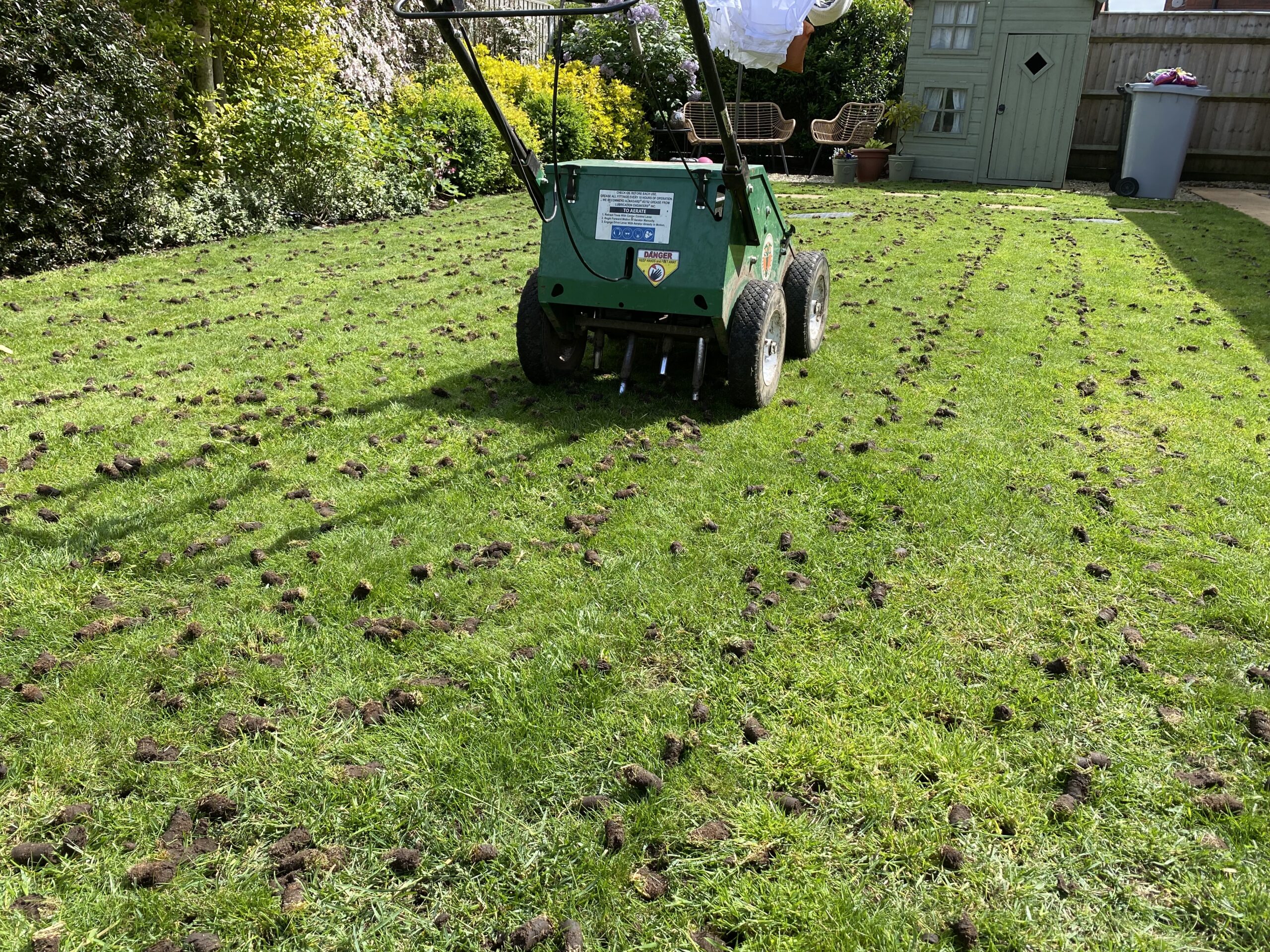
What Does a Lawn Look Like After Aeration
Have a Project in Mind?
If this post sounds like your yard, tell us about it. Request an estimate online or give us a call, and we’ll talk through what your property needs.




Transforming Huntsville & Madison yards since 2011 with expert landscape design, garden makeovers, mulching, and top-quality installations.


