Providing Best Services in Huntsville & Madison, AL


Follow us on Social.





Sep 11, 2026

3 min

Landscape Design
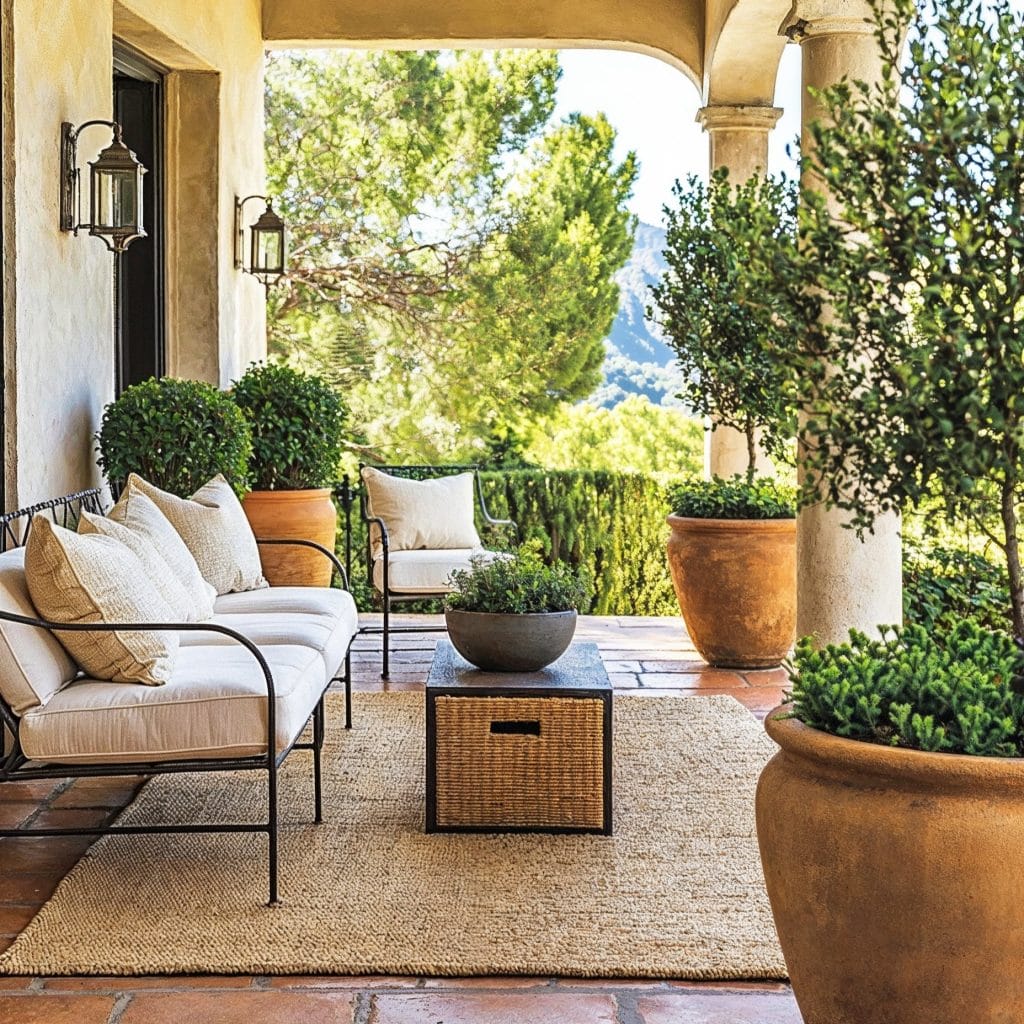
How to Decorate a Patio: Ideas for 2025 and 2026
Decorating a patio in 2025 and 2026 means treating your outdoor space as a true extension of your home, with intentional zones for dining, lounging, and relaxing, layered with weather-resistant furniture, durable rugs, warm lighting, and greenery that brings the whole area to life. The days of tossing a couple of folding chairs on a concrete slab and calling it done are over. According to the International Casual Furnishings Association (ICFA) 2025 Outdoor Living Trend Report, 85% of U.S. households already have some form of outdoor living space. The difference between a patio that gets used every evening and one that collects leaves comes down to how you decorate it.
This guide walks through everything you need to turn a bare patio into a space that feels just as comfortable and personal as your living room. We cover the biggest trends shaping outdoor design right now, how to plan your layout before buying a single piece of furniture, which materials actually hold up outdoors, how to layer lighting for both function and atmosphere, and how to pull it all together without overspending. Whether your patio is a small concrete pad or a large stone terrace, the same principles apply.
How Do You Decorate a Patio in 2025 and 2026?
You decorate a patio in 2025 and 2026 by starting with a clear layout plan, choosing durable and weather-resistant materials, layering comfort elements like rugs and cushions, adding warm ambient lighting, and finishing with plants and personal touches that reflect your style. The approach has shifted significantly from past years. Homeowners and designers now treat the patio as high-frequency living space, not a seasonal afterthought. A 2025 survey by Brown Jordan Outdoor Kitchens found that 63% of homeowners would prioritize outdoor living spaces if they were to remodel. That number tells you exactly where home improvement energy is going.
The shift toward outdoor living rooms has been building for years, but 2025 and 2026 represent a turning point in how people think about patio decoration. The focus has moved from purely aesthetic choices to performance-driven decisions. Furniture frames need to resist corrosion. Fabrics need to dry fast after rain. Rugs need to handle UV exposure without fading. Lighting needs to serve both safety and ambiance. Every decorating choice on a patio now carries a functional requirement alongside the visual one.
Getting the functional layer right first is what separates a patio you actually use from one that looks nice in photos but sits empty. The decorating process follows a natural sequence, and each step builds on the one before it:
- Plan your zones and measure the available space so every piece fits with room to move.
- Select your hardscape surface and furniture frames based on climate durability and your intended use.
- Add comfort layers including outdoor rugs, cushions, throw pillows, and blankets for texture and softness.
- Install lighting in three layers (ambient, task, accent) to extend patio use into the evening hours.
- Bring in plants and greenery for color, privacy, fragrance, and biophilic connection to nature.
- Finish with accessories like lanterns, trays, wall art, and seasonal decor that personalize the space.
We follow that exact sequence through this guide, so by the end, you have a clear action plan for your own space.
What Are the Patio Design Trends for 2026?
The patio design trends for 2026 are biophilic textures and organic materials, seamless indoor-outdoor transitions, functional zoning, layered warm lighting, performance fabrics, and earthy neutral color palettes with bold accent pieces. According to Decorilla's 2026 patio trend report, outdoor rooms are now written into the original home plan, with flooring, light fixtures, and furniture scale matching what you find indoors.
Biophilic design is the biggest philosophical shift driving patio decoration in 2026. Biophilic design connects outdoor spaces to the natural world through organic materials, living plants, water features, and textures that mimic natural forms. On a patio, biophilic design shows up as rattan and wicker furniture, terracotta planters, natural stone surfaces, vertical garden walls, and even small tabletop fountains. The principle is simple: surround yourself with natural materials and your patio becomes a place that actively reduces stress rather than just looking pleasant.
The indoor-outdoor transition trend means patio furniture now mirrors indoor proportions. Seat depth, table height, and cushion thickness on outdoor pieces match what you would find in a living room. Performance fabrics make this possible. Solution-dyed acrylic fabrics resist fading from UV exposure while feeling soft enough to rival indoor upholstery. The outdoor fabric market is projected to grow from $15.23 billion in 2025 to $22.49 billion by 2033, according to SkyQuest Technology, driven almost entirely by demand for weather-resistant textiles that look and feel like indoor materials.
Color palettes for 2026 lean warm and earthy. Think terracotta, sage green, warm sand, and muted olive paired with natural wood tones. After years of safe grays and stark whites dominating outdoor furniture, landscape design is moving toward warmer, more personality-driven schemes. Bold accent cushions in rust, deep blue, or mustard add contrast without overwhelming the natural palette. The goal is a patio that feels grounded and restful, not sterile.
How Do You Zone an Outdoor Patio?
You zone an outdoor patio by dividing the space into distinct areas for dining, lounging, cooking or serving, and circulation, then arranging furniture and decor to define each area without physical walls. Zoning is the single highest-impact decorating decision you can make because it determines how the patio actually gets used. A patio without zones is just an open surface. A patio with zones functions like an outdoor floor plan.
Start by listing how you actually use your patio. Most households need three zones at minimum: a dining area anchored by a table with enough clearance for chairs to pull out, a lounge area positioned for conversation and evening comfort, and a circulation path that connects the back door to each zone without requiring anyone to squeeze past furniture. Homeowners who entertain frequently may add a fourth zone for grilling, serving, and storage.
The key measurement to remember when zoning is 36 inches of clear path in movement corridors. Anything less creates bottlenecks that make the patio feel cramped regardless of its actual square footage. Dining tables need at least 36 inches of pull-out space behind each chair. Lounge seating works best when arranged in a conversational grouping, with pieces close enough that people can talk comfortably without shouting.
Outdoor rugs are the simplest way to define zones visually. A rug under the dining table instantly separates the dining area from the lounge. A second rug under the conversation seating creates a distinct living room feel. Planters and potted greenery can serve as soft dividers between zones without blocking sightlines or airflow. Here in North Alabama, where we enjoy mild evenings from spring through fall, zoning your patio for three-season use makes the investment worth every square foot.
What Furniture Works Best for a Patio?
The furniture that works best for a patio combines weather-resistant frames, quick-drying cushions, modular flexibility, and proportions scaled to your actual space. The patio furniture market is estimated at $24.7 billion globally in 2026, according to MarkWide Research, and that growth is driven by homeowners demanding outdoor pieces that perform as well as indoor furniture. Gone are the days when outdoor furniture meant flimsy folding chairs. Today's best patio furniture is built to handle rain, sun, and temperature swings while looking as polished as anything in your living room.
Frame material determines how long your furniture lasts and how much maintenance it demands. Powder-coated aluminum is the most popular choice for 2025 and 2026 because it resists rust, weighs little enough to rearrange easily, and holds up across humid Southern climates. Teak is the premium natural option, developing a silver-gray patina over time that many homeowners prefer. Resin wicker offers the look of natural rattan with full weather resistance. Wrought iron delivers a classic aesthetic but requires periodic rust treatment.
Frame MaterialDurabilityWeightMaintenanceBest ForPowder-Coated Aluminum15-20 yearsLightweightWipe down seasonallyHumid climates, frequent rearrangingTeak25-50 yearsHeavyOil annually or let patinaPremium permanent setupsAll-Weather Resin Wicker10-15 yearsMediumHose off monthlyBiophilic style, covered patiosWrought Iron20+ yearsVery heavyRust-treat yearly, repaint every 3-5 yearsTraditional or Mediterranean styleStainless Steel15-20 yearsHeavyWipe down, check for water spotsModern/contemporary design
Scale is the make-or-break factor. Oversized sectionals look stunning in showroom photos but collapse circulation paths on an average-size patio. A deep sectional with 30-inch seat depth works for lounging but makes conversation awkward because people sink too far back. For patios where you host dinner guests regularly, dining chairs with upright support and moderate cushioning outperform deep recliners.
What Is the Best Material for Outdoor Patio Furniture?
The best material for outdoor patio furniture is powder-coated aluminum for frames and solution-dyed acrylic for upholstery, based on the combination of weather resistance, low maintenance, and long lifespan. Wood dominates the global outdoor furniture market at approximately 44% market share according to Market Research Future, but aluminum and synthetic composites are gaining ground rapidly because they eliminate the annual maintenance that wood demands.
Solution-dyed acrylic fabric, sold under brand names like Sunbrella, is the consensus choice for outdoor cushions and upholstery in 2025 and 2026. Solution-dyed acrylic resists fading from UV exposure because the color is embedded in the fiber during manufacturing rather than applied to the surface after weaving. This construction method means the fabric holds its color for 5 to 10 years of direct sun exposure. Quick-dry foam cores inside cushions prevent mold and mildew from forming after rain. A custom patio paired with the right furniture materials creates an outdoor space that looks as good in year five as it does on day one.
For the patio surface itself, porcelain pavers and sealed concrete are the top recommendations for 2025 and 2026. Porcelain pavers offer heat tolerance, slip resistance, and minimal upkeep. Sealed concrete provides a clean modern look and takes staining and stamping well. Natural stone delivers the most distinctive character but requires sealing every 1 to 3 years depending on the stone type and climate exposure.
How Do You Make a Patio Feel Like a Living Room?
You make a patio feel like a living room by layering comfort elements on top of your furniture: outdoor rugs, throw pillows, soft blankets, side tables, and decorative accessories that mirror what you would place in an indoor space. The threshold between the back door and the patio is disappearing in 2026, and the layering of textiles and accessories is exactly what erases that boundary. According to WifiTalents industry data, 76% of homeowners who completed a landscaping project reported feeling a greater desire to be at home. That emotional connection comes from creating spaces that feel genuinely comfortable, not just visually appealing.
Outdoor rugs anchor the entire layering strategy. A rug under your dining set defines the eating area. A rug under your lounge seating creates a conversation zone. The rug adds warmth underfoot, softens the hard surface of concrete or stone, and pulls the furniture grouping together visually. Polypropylene is the best all-around outdoor rug material because it resists water, UV fading, mold, and mildew while remaining affordable and easy to clean with a garden hose.
Throw pillows and outdoor cushions bring color, pattern, and softness. Performance fabrics in 2026 feel nearly identical to indoor textiles, so you no longer have to sacrifice comfort for weather resistance. Layer pillows in two or three coordinating patterns, mixing solid colors with geometric or botanical prints. The U.S. outdoor rug segment is growing 6 to 8% annually according to IndexBox market analysis, driven by homeowners treating professionally landscaped outdoor areas as extensions of indoor living.
Side tables, lanterns, and decorative trays complete the living room effect. A side table next to a lounge chair gives guests a place to set a drink. A decorative tray on a coffee table corrals candles and small planters. These small touches signal that the patio is a designed space, not an afterthought.
What Outdoor Rugs Are Best for Patios?
The best outdoor rugs for patios are flat-weave rugs made from polypropylene or other synthetic materials designed to withstand moisture, UV exposure, and heavy foot traffic. Polypropylene dries quickly after rain, resists mold and mildew growth, maintains color despite constant sun exposure, and cleans easily with a hose and mild soap. Flat-weave construction allows water to drain through rather than pooling on the surface, which prevents moisture from getting trapped against your patio floor.
Sizing matters more than most people realize. An outdoor rug under a dining table should extend at least 24 inches beyond the table on all sides so that chairs remain on the rug when pulled out. For a seating area, the rug should be large enough to sit under the front legs of all major furniture pieces. Common outdoor rug sizes include 5 by 7 feet for small patios, 8 by 10 feet for medium spaces, and 9 by 12 feet for larger layouts.
Avoid natural fiber rugs like jute or cotton outdoors. Natural fibers absorb water, promote mold growth, and break down rapidly under UV exposure. Polyester is a secondary option that offers good fade resistance in dry climates but absorbs more moisture than polypropylene. For uncovered patios that take direct rain, polypropylene flat-weave remains the most reliable choice.
How Do You Light a Patio for Both Function and Atmosphere?
You light a patio for both function and atmosphere by using a three-layer approach: ambient lighting for overall comfort, task lighting over dining and cooking surfaces, and accent lighting for mood and visual interest. Lighting is the decorating element that transforms a patio from daytime-only to an all-evening destination. The U.S. Department of Energy reports that LED bulbs use up to 90% less energy than traditional incandescent bulbs, which means you can light your entire patio generously without a significant electricity cost.
The ambient layer provides general illumination so people can move safely and comfortably. Landscape lighting along walkways, low-voltage path lights at patio edges, and string lights overhead all contribute to the ambient layer. LED string lights are the most popular ambient patio lighting choice in 2025 and 2026. A typical 48-foot LED string with 15 bulbs uses just 9 watts total, produces warm inviting light, and lasts 25,000 to 50,000 hours before needing replacement.
The task layer provides focused brightness where you need it for specific activities. Pendant lights or a directed fixture over a dining table allow people to see their food clearly. A light mounted near a grill or outdoor kitchen counter makes cooking safe after dark. Task lighting should be brighter than ambient lighting but still warm in tone.
The accent layer adds depth and drama. Uplights aimed at a textured wall, small spotlights highlighting a large planter or sculpture, and candles or battery-powered flameless candles on tables all contribute to the accent layer. Warm color temperatures between 2200K and 3000K produce the most flattering outdoor atmosphere. Cool-white lighting above 4000K tends to make outdoor spaces feel sterile and institutional, which is the opposite of the living room feel most homeowners want.
How Do You Add Privacy to a Patio?
You add privacy to a patio by combining structural elements like lattice screens, trellises, and outdoor curtains with living elements like tall planters, ornamental grasses, and climbing vines. Privacy on a patio is not about building walls. The most effective privacy solutions in 2025 and 2026 use a layered approach that filters views and wind while preserving openness and airflow.
Lattice panels are a classic structural privacy solution. A lattice screen along one side of the patio blocks direct sightlines from neighbors while allowing light and breeze to pass through the crosshatch pattern. Training a climbing plant like jasmine, clematis, or trumpet vine on the lattice adds a living green layer that increases privacy density over time.
Tall container plants and ornamental grasses create soft, natural boundaries. A row of large planters filled with ornamental grasses like maiden grass or fountain grass produces a 4-to-6-foot visual screen without the permanence of a fence. Container plants can be rearranged seasonally and replaced if a plant fails. Evergreen screening plants like holly, arborvitae, or clumping bamboo provide year-round privacy.
Outdoor curtains attached to a pergola or tension wire system offer privacy that can be opened or closed depending on the occasion. Sheer outdoor curtains soften light and create a resort-like atmosphere while maintaining partial privacy. Heavier landscape installation elements like stone half-walls or built-in planter beds provide permanent privacy along patio edges without feeling like a fence.
What Plants Work Best on a Patio?
The plants that work best on a patio are container-friendly varieties that tolerate the heat reflected from hardscape surfaces, thrive in your specific growing zone, and require maintenance levels you can realistically sustain. Patio plants serve multiple roles: they bring color and life, provide texture contrast against hard surfaces, offer seasonal fragrance, contribute to privacy screening, and connect the patio to the surrounding landscape.
For Alabama homeowners in USDA growing zones 7b through 8a, heat-tolerant container plants perform best on sun-exposed patios. Lantana, pentas, mandevilla, and salvia produce continuous blooms from spring through fall and handle the humidity and afternoon heat. Herbs like rosemary, basil, and mint thrive in patio containers and double as cooking ingredients. Ornamental grasses like purple fountain grass add height and movement.
Vertical planting is a major patio trend for 2026. Vertical garden systems, wall-mounted planters, and trellises with climbing plants add greenery without consuming floor space. Vertical planting is especially valuable on small patios where every square foot of floor area matters. A living wall of ferns, pothos, or succulents creates a biophilic focal point that transforms a blank patio wall into a natural feature. Pair vertical planting with soil amendment in your containers to give roots the nutrients and drainage they need in confined growing conditions.
What Are Some Creative Decorating Ideas for a Covered Patio?
Creative decorating ideas for a covered patio include ceiling-mounted fans, hanging planters, outdoor pendant lighting, mounted wall art, outdoor curtains, and a dedicated color scheme that ties the ceiling to the surrounding decor. A covered patio has one major advantage over an open patio: it provides protection from direct sun and rain, which expands your material options significantly. Fabrics, art, and accessories that would deteriorate on an exposed patio can thrive under a roof or pergola.
Ceiling fans are one of the most practical additions to a covered patio, especially in warm climates. A fan rated for damp or wet locations moves air across the seating area and reduces the perceived temperature by 4 to 6 degrees. In Alabama's summer heat, a ceiling fan extends patio usability by weeks on either end of the season.
Hanging planters and macrame plant holders work beautifully in covered patios because the roof structure provides anchor points. A cluster of hanging ferns at different heights creates a cascading green canopy. Pendant lights or a statement chandelier rated for outdoor use adds a dining room elegance that string lights alone cannot match.
Outdoor wall art turns a blank wall into a gallery. Metal wall sculptures, weather-resistant canvas prints, and decorative mirrors all work on covered patios. A large mirror placed strategically reflects light and greenery, making the patio feel more spacious. The key to decorating a covered patio is treating the ceiling and walls as design surfaces, not just structural elements.
What Are Some Decorating Ideas for a Small Patio?
Decorating ideas for a small patio include choosing furniture with lighter visual weight, going vertical with plants and storage, using a limited color palette of two to three tones, selecting multi-purpose pieces like benches with built-in storage, and placing a single large rug rather than multiple small ones. Small patio decorating is about discipline. Every item must earn its floor space by serving at least one clear function.
Folding or stackable furniture lets you reclaim floor area when the patio is not in active use. A bistro table and two folding chairs provide a dining spot that collapses flat against a wall in minutes. Wall-mounted shelves and hanging planters move storage and greenery off the ground entirely.
Light colors make small patios feel more open. White, cream, and pale gray furniture and textiles reflect light and create a sense of spaciousness. Avoid oversized sectionals or deep lounge chairs that eat up more than a third of the available floor area. Instead, choose armchairs with slim profiles and exposed legs, which allow the eye to see more of the floor and creates the impression of a larger space.
One large rock and mulch landscaping border around the patio perimeter draws the eye outward and makes the patio feel connected to the surrounding yard rather than boxed in. A single oversized planter with a tall plant creates a vertical focal point that draws attention upward, away from the limited floor area.
How Do You Decorate a Patio on a Budget?
You decorate a patio on a budget by focusing on the three highest-impact, lowest-cost upgrades first: string lights for ambiance, potted plants for life and color, and outdoor throw pillows for comfort and pattern. These three additions can transform a bare patio without a big spend. A 48-foot strand of LED string lights costs between $15 and $40. A set of three potted plants in coordinating containers runs $30 to $60. A set of four outdoor throw pillows ranges from $30 to $60.
Spray-painting existing furniture is one of the most effective budget moves available. A coat of weather-resistant spray paint in a fresh color can make a dated metal chair look brand new for under $10 per can. Repainting all your existing patio furniture in one coordinated color scheme creates visual cohesion instantly.
Thrift stores, estate sales, and online marketplaces are excellent sources for patio furniture that just needs cleaning and new cushions. Solid metal or wood frames in good structural condition are worth buying secondhand because the frame is the expensive part. Replacing cushions and adding pillows is affordable and lets you customize the color scheme. An outdoor rug from a discount retailer can anchor the seating area for $40 to $80, depending on size.
The Home Improvement Research Institute reports that the average spending on mid-to-large outdoor projects was $13,447 in 2025. Budget decorating works for homeowners who want a noticeable improvement without a five-figure investment. Prioritize layout, lighting, and comfort. Those three elements improve daily experience more than any single expensive piece of furniture.
What Are the Common Patio Design Mistakes?
The most common patio design mistakes are overcrowding the space with too much furniture, ignoring scale and proportion, skipping a lighting plan, choosing materials that cannot handle your local climate, and treating the patio as a separate area rather than an extension of your home. Each of these mistakes is avoidable with basic planning. Here are the ones we see most often:
- Buying a full furniture set without measuring the patio first, then discovering the pieces block walking paths.
- Skipping a lighting plan entirely, which means the patio sits dark and unused after sunset.
- Choosing materials based on appearance alone without verifying they handle your local humidity, UV exposure, and rainfall.
- Placing all furniture in one cluster instead of creating distinct zones for dining, lounging, and circulation.
- Ignoring drainage patterns when positioning heavy planters, rugs, and furniture, which leads to water pooling and surface damage.
Overcrowding happens when homeowners buy a full furniture set without measuring the patio first. A seven-piece dining set designed for a 400-square-foot patio looks cramped on a 200-square-foot slab. Always measure your patio dimensions and map furniture placement on paper or with tape before purchasing. Leave clear circulation paths of at least 36 inches between furniture groupings and any wall or railing.
Ignoring lighting is the second most common mistake. A patio with no lighting plan sits empty after sunset, which eliminates half of its usable hours. Even a single strand of string lights overhead extends patio usability into the evening hours. The three-layer approach, using ambient, task, and accent lighting together, produces the most versatile results.
Choosing the wrong materials for your climate wastes money and creates ongoing frustration. Natural jute rugs mildew in humid climates. Untreated wood furniture warps and cracks without annual sealing. Cheap powder coatings chip and peel within two seasons. Investing in patio design with climate-appropriate materials from the start prevents costly replacements later. Drainage solutions should also factor into patio decorating decisions. Placing heavy planters or furniture over drain paths blocks water flow and creates puddles that damage both the patio surface and the items sitting in standing water.
Do Patio Upgrades Increase Home Value?
Yes, patio upgrades increase home value. A professionally designed patio yields an average return on investment (ROI) of 55% to 70%, and in competitive real estate markets, updated patios, outdoor kitchens, and seating areas can yield ROI of 80% or more, according to real estate industry experts. The National Association of Realtors reports that landscaping overall can yield ROI up to 150%, making it one of the highest-return home improvement categories available.
The National Association of Home Builders found that 65% of new homes built in 2024 included at least one outdoor living structure, up from 48% in 2019. Buyers expect outdoor living space. A decorated, functional patio signals that the home has been thoughtfully maintained and upgraded. Real estate professionals consistently report that potential buyers view outdoor living areas as bonus square footage, which increases perceived value beyond the raw cost of the improvements.
WifiTalents industry data shows that 62% of millennials prioritize outdoor entertaining spaces when searching for a new home. That demographic is now the largest homebuying cohort, and their preference for functional outdoor space means landscape value increases in both lifestyle terms and hard resale numbers. Simple patio decorating touches like outdoor rugs, planters, and string lights increase perceived value. Larger investments like a built-in fire pit, outdoor kitchen, or pergola deliver even stronger returns.
Seasonal Patio Styling: How to Adapt Your Decor Year-Round
Seasonal patio styling means rotating textiles, accessories, and plant selections to match the weather and mood of each season, while keeping your core furniture and layout consistent year-round. The foundation of your patio, the furniture frames, the rug, and the lighting, stays in place through every season. What changes is the layering on top.
Spring and summer call for lighter fabrics, brighter accent colors, and flowering container plants. Swap heavier cushion covers for crisp cottons or linens in coral, turquoise, or citrus tones. Fill planters with annuals like petunias, zinnias, or marigolds that bloom continuously through the warm months.
Fall patio styling shifts to warmer, deeper tones. Rust, burgundy, mustard, and olive green cushion covers replace the bright summer palette. Ornamental kale, mums, and pansies replace summer annuals in containers. Add woven throw blankets to lounge chairs for cooler evenings. Swap out any summer-specific accessories for harvest-toned lanterns or wooden accents.
Winter patio decorating in Alabama's mild climate is absolutely possible. Evergreen topiaries in containers maintain visual structure. Warm LED string lights on a timer provide welcoming illumination through early-dark winter evenings. A fire pit or chiminea extends patio usability into the cooler months by providing radiant heat and a natural gathering point.
Frequently Asked Questions
How Can I Style My Outdoor Patio to Make It Look Beautiful?
You can style your outdoor patio to make it look beautiful by choosing a cohesive color palette of two to three tones, layering textures through rugs, cushions, and planters, adding warm string lights overhead, and mixing materials like wood, metal, and woven elements for visual depth. Start with the largest pieces, like furniture and a rug, then build outward with smaller accessories.
What Are the Must-Haves for a Patio?
The must-haves for a patio are comfortable seating for your typical group size, a weather-resistant surface or rug underfoot, ambient lighting for evening use, at least one table surface for drinks and food, and living plants for color and texture. These five elements form the minimum foundation of a functional, inviting patio.
What Are Some Popular Patio Decor Styles?
Popular patio decor styles in 2025 and 2026 include modern natural (clean lines with warm neutrals and organic textures), Mediterranean warm (terracotta, pale stone, and olive-green planting), coastal contemporary (muted blues, sand tones, and weathered wood), and biophilic organic (rattan, wicker, living walls, and natural stone). Each style adapts to different climates and home architectures.
What Are Some Modern Ways to Decorate a Patio?
Modern ways to decorate a patio include using modular furniture that reconfigures for different occasions, installing solar-powered LED lighting systems, adding a vertical garden wall for greenery without floor space, choosing monochromatic color schemes with a single bold accent tone, and incorporating smart technology like automated shade systems or app-controlled lighting.
What Are Some Simple Patio Design Ideas on a Budget?
Simple patio design ideas on a budget include repainting existing furniture with weather-resistant spray paint, hanging LED string lights for instant ambiance, placing potted herbs or flowers in coordinating containers, adding an affordable outdoor rug to define the seating area, and swapping out old cushion covers for fresh colors. A complete refresh is achievable on a small budget with these strategies.
What Are Some Beautiful Ideas for a Patio?
Beautiful ideas for a patio include creating a fire pit conversation area with surrounding seating, building a pergola draped with string lights and climbing vines, setting up an outdoor dining area with a statement centerpiece and candlelight, installing a small water feature for ambient sound, and layering natural textures like woven baskets, terracotta pots, and linen cushions against a natural stone patio surface.
Putting It All Together
Decorating a patio in 2025 and 2026 comes down to five decisions made in the right order: plan your zones first, choose durable furniture and materials second, layer comfort elements third, install lighting fourth, and finish with plants and personal accessories fifth. Follow that sequence, and the patio decorates itself logically. Skip the sequence, and you end up with mismatched pieces, dead zones, and a space that never quite comes together.
The data supports the investment. An 82% majority of American homeowners say they are more interested in upgrading outdoor living spaces than before 2020, according to industry surveys. Professionally designed hardscaping returns 55% to 80% or more at resale. And the everyday return, measured in evenings spent outside instead of staring at the patio through a window, is the one that matters most.
If you are ready to transform your patio from a bare surface into an outdoor living room you actually use, White Shovel Landscapes is here to help with everything from patio design and material selection to full installation. Give us a call at 256-612-4439 or request a free estimate to get started.



You May Also Like

Sep 12, 2026
3 min
How to Keep Landscape Edging Straight
Sep 9, 2026
3 min
How to Trim Around Landscape Edging

Sep 7, 2026
3 min
What Does a Lawn Look Like After Aeration
Sep 7, 2026
3 min
How to Dig a Trench for Landscape Edging
Have a Project in Mind?
If this post sounds like your yard, tell us about it. Request an estimate online or give us a call, and we’ll talk through what your property needs.




Transforming Huntsville & Madison yards since 2011 with expert landscape design, garden makeovers, mulching, and top-quality installations.


