Providing Best Services in Huntsville & Madison, AL


Follow us on Social.





Jun 10, 2026


Lawn Care
How to Fix Bare Spots in Your Lawn
You can fix bare spots in your lawn by removing dead grass, loosening the soil, adding a thin layer of topsoil or compost, spreading grass seed matched to your turf type, and watering consistently until the new grass fills in. Most bare patches start showing new growth within 7 to 21 days depending on the grass variety and weather conditions.
Bare spots happen to every lawn at some point, and the good news is they are easy to repair when you catch them early. In this article, we cover the most common causes of bare patches, walk through the step-by-step repair process, explain the best times to reseed, and answer the real questions homeowners ask about getting their grass growing again.
Why Do I Have Bare Spots on My Lawn?
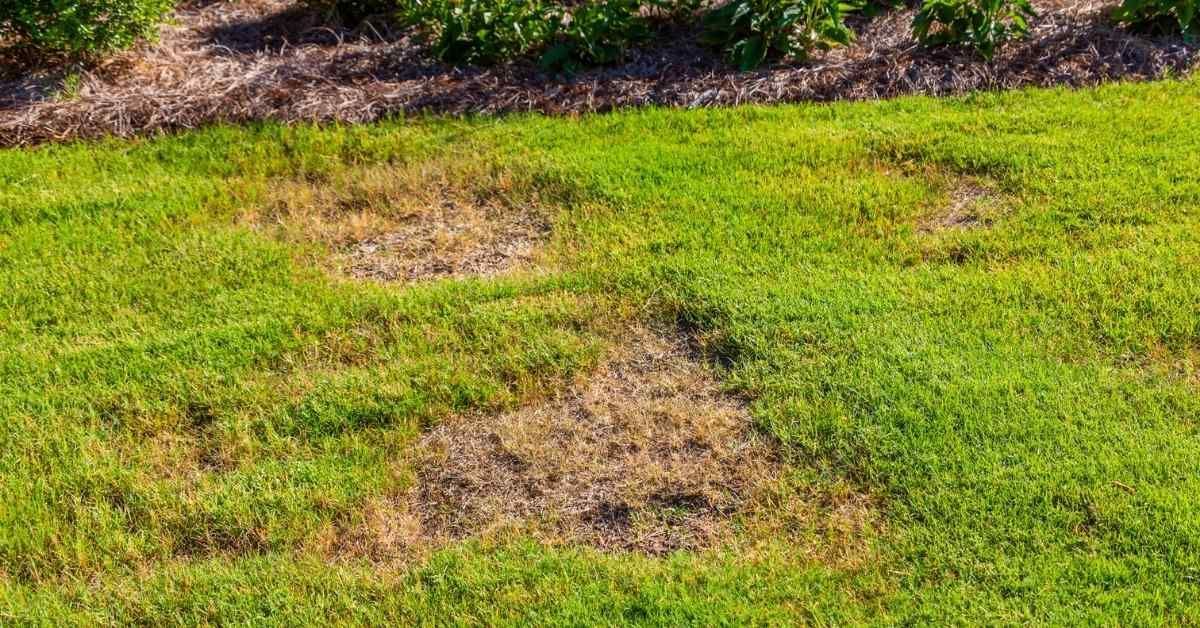
Bare spots on your lawn are caused by one or more of these common problems: soil compaction, heavy foot traffic, pet urine, grub damage, fungal disease, poor drainage, excessive shade, or chemical burns from over-fertilizing. Identifying the root cause is the most important step because if you fix the bare spot without fixing the cause, the patch will come back.
Soil compaction is one of the biggest culprits we see. According to Penn State Extension, a compacted layer as thin as 1/4 to 1/2 inch at the soil surface can greatly reduce water infiltration, nutrient absorption, and oxygen exchange. When the soil gets packed down from foot traffic, heavy equipment, or even just years of settling, grass roots cannot push deep enough to stay healthy. The grass thins out, weakens, and eventually dies off in patches.
Grub damage is another major cause. White grubs feed on grass roots just below the surface, and according to Clemson University's Home and Garden Information Center, populations of just 5 to 10 grubs per square foot can cause visible damage in stressed turf. The University of Minnesota Extension notes that populations of 10 or more grubs per square foot will kill the grass outright. If you can peel up a patch of dead grass like a loose rug, grubs are likely the problem.
Pet urine, especially from dogs, creates concentrated nitrogen burns that kill grass in small circles. Fungal diseases like brown patch and dollar spot thrive in warm, humid conditions and can wipe out sections of your lawn quickly. And poor drainage causes standing water that suffocates roots and invites disease. Figuring out which issue is causing your bare spots saves you time, money, and frustration.
What Does a Diseased Yard Look Like?
A diseased yard looks like it has irregular patches of yellow, brown, or straw-colored grass that appear suddenly and spread over days or weeks. Some diseases create distinct ring patterns, like necrotic ring spot, where dead grass forms a circle with green grass in the center. Others, like brown patch, produce large irregular areas of wilted, water-soaked grass that turns brown as it dries out.
According to the University of Delaware Cooperative Extension, most residential lawn diseases are caused by plant pathogenic fungi. The Missouri Extension confirms that millions of dollars are spent annually in the United States on fungicides to prevent or treat turfgrass disease on lawns, golf courses, and sports fields. If your bare spots have a fuzzy white or gray growth on the soil surface, or if the grass blades show spots or lesions before dying, disease is likely involved. A soil test or a visit from a lawn care professional can confirm the diagnosis.
How to Fix Bare Spots in Your Lawn Fast
To fix bare spots in your lawn fast, follow these steps: remove dead material, prepare the soil, apply seed or sod, and water consistently. The entire process takes about 30 minutes of work per patch, and you will see results within 2 to 4 weeks for most grass types.
Step 1: Remove dead grass and debris. Rake the bare area thoroughly to clear out all dead grass, thatch, and loose debris. You want to get down to bare soil so the new seed or sod makes direct contact with the ground.
Step 2: Loosen the soil. Use a garden rake or hand cultivator to loosen the top 1 to 2 inches of soil. Compacted soil is one of the top reasons new grass fails to establish. According to UMass Amherst's Center for Agriculture, soil compaction decreases total pore space, reduces water infiltration, and creates a physical barrier to root growth. Loosening the soil breaks up that barrier and gives roots a path to grow.
Step 3: Add topsoil or compost. Spread a thin layer of quality topsoil or compost over the area, about 1/4 to 1/2 inch deep. This adds nutrients and organic matter that help seeds germinate faster. The USDA reports that organic matter holds 18 to 20 times its weight in water, which is exactly what new seedlings need during their first critical weeks. If your existing soil is in bad shape, professional soil amendment can make a dramatic difference.
Step 4: Spread grass seed. Choose a seed variety that matches your existing lawn. In North Alabama, warm-season grasses like Bermuda and Zoysia are the most common choices. Spread the seed evenly over the prepared area. According to Pennington, total transformation time from bare spots to mowing height ranges from 2 to 7 weeks depending on your region, weather, and grass type.
Step 5: Lightly rake the seed in. Gently rake the area so the seed makes good contact with the soil. Seeds that sit on top of the surface are more likely to dry out or wash away. You do not need to bury them deep. Just a light covering of soil or compost is enough.
Step 6: Water daily. Keep the soil moist but not soaked for the first 10 to 14 days. Water lightly once or twice a day. Once the seedlings are about an inch tall, you can cut back to deeper watering every other day. Consistent moisture during germination is the single biggest factor in whether your patch fills in or fails.
Step 7: Stay off the area. Keep foot traffic off the repaired spot for at least 3 to 4 weeks. New grass is fragile, and even light walking can crush young seedlings before they root in.
Can I Just Throw Grass Seed on Bare Spots?
No, you cannot just throw grass seed on bare spots and expect good results. Grass seed needs direct contact with loose, moist soil to germinate properly. Seeds tossed on top of hard, compacted ground or over a layer of dead thatch will dry out, blow away, or get eaten by birds before they ever sprout.
A preferred germination rate for quality grass seed is 85% to 95% under ideal lab conditions, according to lawn care researchers. But in real-world yards with poor soil prep, that rate drops significantly. Skipping the soil loosening and topdressing steps is the number one reason DIY lawn patches fail. Even 5 minutes of raking and soil prep per patch makes a huge difference in how many seeds actually take root. Proper landscape installation practices apply to even small repair jobs like this.
Will Grass Grow Back in Bare Spots?
Yes, grass will grow back in bare spots if the underlying cause is fixed and the right conditions are in place. Spreading grasses like Bermuda and Zoysia can actually fill in small bare patches on their own over time because they send out runners (stolons and rhizomes) that creep into open areas. But this natural fill-in process is slow, often taking an entire growing season or longer for anything bigger than a few inches.
For faster results, seeding or sodding the bare area is the way to go. Bermuda grass seed germinates in about 7 to 14 days under warm conditions, while Zoysia can take 14 to 21 days or more. Perennial ryegrass is one of the fastest germinators at just 5 to 10 days, which is why it is often included in quick-repair seed mixes. The key is matching the seed to your existing turf so the repair blends in seamlessly.
What Are the Best Times to Repair Bare Spots on Lawns?
The best times to repair bare spots on lawns depend on whether you have warm-season or cool-season grass. For warm-season grasses like Bermuda, Zoysia, and St. Augustine, the best repair window is late spring through early summer, from April through June, when soil temperatures are consistently above 65 degrees Fahrenheit. For cool-season grasses like fescue and bluegrass, early fall from late August through September is ideal.
Clemson University's Home and Garden Information Center is clear on this point: warm-season turfgrasses are best renovated in spring or early summer because fall renovation of warm-season grasses often results in turf damage from winter injury. The seedlings do not have enough time to establish strong roots before cold weather arrives.
In the Huntsville and Madison, Alabama area, the spring repair window for Bermuda and Zoysia lawns runs from mid-April through June. Soil temperatures in this region typically reach the 65-degree mark by mid to late April. Planting during this window gives your grass the longest possible growing season to fill in and strengthen before winter dormancy.
How to Get Grass to Grow in Bare Spots Naturally
To get grass to grow in bare spots naturally, improve the conditions that support grass growth: reduce compaction by aerating, improve soil quality with compost, correct drainage issues, and reduce shade if possible. Spreading grasses like Bermuda fill in naturally through stolons and rhizomes once these barriers are removed.
Core aeration is one of the most effective natural interventions. According to LSU AgCenter, soil compaction reduces water infiltration, limits oxygen in the soil, and creates a physical barrier to root growth. Core aeration punches small holes in the ground and pulls out plugs of soil, which breaks up the compaction layer and lets air, water, and nutrients reach the root zone. For warm-season grasses in the Southeast, aerate in late spring or early summer when the grass is actively growing.
Adding organic matter also helps. Even a thin topdressing of compost spread over the bare area after aeration feeds the soil biology and improves the growing environment. According to UC Davis, organic matter is the key driver of water retention, nutrient cycling, and microbial activity in soil. Healthier soil grows healthier grass, and healthier grass fills in bare spots faster. Lawns with chronic bare patches may benefit from a full soil repair program to address deeper issues.
How to Recover Dead Spots in a Lawn
To recover dead spots in a lawn, start by diagnosing and removing the cause of death, then reseed or re-sod the area. Dead grass will not come back on its own. If the crown and roots of the grass plant are dead, that patch needs new seed or sod to fill in.
First, figure out what killed the grass. Pull up a small section of the dead area and look at the roots. If roots are gone or eaten away, suspect grubs. Illinois Extension notes that roughly 12 grubs per square foot is the threshold for lawn damage requiring treatment. If the roots look intact but the blades are brown and matted, drought stress or disease is more likely.
Once you identify and treat the cause, follow the same repair steps outlined above: rake, loosen, topdress, seed, and water. For large dead areas bigger than a few square feet, sod patches give you instant coverage and are less risky than seed because sod is already rooted and growing. Cut a piece of sod to match the shape of the bare area, press it firmly into the prepared soil, and water it thoroughly.
Common Causes of Bare Spots and How to Prevent Each One
Preventing bare spots is easier than fixing them after the fact. Here is a breakdown of the most common causes and what you can do to stop them before they start.
CauseWhat It Looks LikeHow to Prevent ItSoil CompactionThin, weak grass in high-traffic areasAerate 1 to 2 times per year; add stepping stones to redirect foot trafficGrub DamageBrown patches that peel up easily; 5 to 10+ grubs per square footApply preventive grub treatment in late spring to early summerFungal DiseaseIrregular brown or yellow patches; ring patterns; fuzzy growth on soilAvoid overwatering; improve airflow; do not mow wet grassPet UrineSmall circular brown spots with dark green rings around the edgeRinse the area with water immediately after your dog goes; train pets to use one areaHeavy ShadeThin, patchy grass under trees or near structuresPrune tree canopies to let more light through; plant shade-tolerant varietiesChemical BurnStreaky brown lines or patches following fertilizer applicationCalibrate your spreader; water thoroughly after applying fertilizerPoor DrainageSoggy areas where grass thins or dies; moss growthRegrade the area; install a French drain or catch basin
Sources: Clemson University HGIC, University of Minnesota Extension, UMass Amherst CAFE, Penn State Extension
Many homeowners deal with more than one of these issues at the same time. Compacted soil with poor drainage is a recipe for fungal disease, which leads to bare spots that get worse every season. Breaking the cycle usually requires addressing multiple causes at once. Professional drainage solutions combined with aeration and reseeding can turn a problem yard around in a single season.
How to Fix a Diseased Lawn
To fix a diseased lawn, first identify the specific disease, treat the active infection, and then repair the damaged areas once the treatment has taken effect. Most residential lawn diseases are caused by fungi that thrive in specific temperature and moisture conditions.
Brown patch, one of the most common lawn diseases in the Southeast, appears during hot, humid weather when nighttime temperatures stay above 68 degrees Fahrenheit. Dollar spot shows up when nitrogen levels are low. Spring dead spot attacks Bermuda grass during winter dormancy and reveals itself as circular dead patches in spring. According to the Missouri Extension, turfgrass plants mowed shorter than their optimal height are more susceptible to disease, and nearly all turfgrass diseases need excess moisture to develop.
The best defense against lawn disease is cultural management. Keep your mowing height at the right level for your grass type. Bermuda does well at 1 to 2 inches, while Zoysia prefers 1.5 to 2.5 inches. Water deeply and infrequently in the early morning so the blades dry before nightfall. Reduce thatch buildup, which harbors fungal spores. Aerate compacted soil so water drains through instead of sitting on the surface. Most lawn diseases can be managed without fungicides when these practices are followed consistently. If you are battling a weed infestation at the same time, tackle the weeds first so they do not outcompete your recovering grass.
Choosing the Right Grass Seed for Bare Spot Repair
The right grass seed for bare spot repair is whatever matches the grass already growing in your lawn. Mixing different species creates an uneven look where the patch stands out because of color, texture, or growth pattern differences. If you have a Bermuda lawn, patch with Bermuda seed. If you have Zoysia, use Zoysia seed or plugs.
For homeowners in Alabama, the most popular warm-season options are Bermuda grass, Zoysia grass, and St. Augustine. Bermuda is the most aggressive spreader and fills in bare spots the fastest. It germinates in 7 to 14 days and thrives in full sun. Zoysia is slower to establish but forms a dense, thick turf that resists weeds well once mature. St. Augustine is typically installed as sod or plugs because seed availability is limited. Knowing which grass types work best in our climate makes a big difference in repair success.
According to the National Turfgrass Evaluation Program, choosing disease-resistant cultivars is one of the most effective ways to prevent future bare spots. Newer Bermuda varieties bred for disease resistance and cold tolerance perform significantly better in the upper South than older varieties. Ask your local supplier which cultivars are recommended for your area.
When to Use Sod Instead of Seed for Bare Spots
Use sod instead of seed when you need instant results, when the bare area is on a slope where seed would wash away, or when you are repairing a St. Augustine lawn that does not establish well from seed. Sod gives you a fully rooted, actively growing patch of grass that knits into your existing lawn within 2 to 3 weeks under good conditions.
Sod is also the better choice for late-season repairs when there may not be enough warm days left for seed to germinate and establish before winter. The Virginia Tech Extension research that found well-landscaped homes sell for 5.5% to 12.7% more than homes with no landscaping also underscores why keeping your yard looking good matters. A quick sod patch can restore your curb appeal in days rather than weeks.
The tradeoff is that sod is more expensive than seed per square foot, and it requires good soil contact and consistent watering to root in. Cut the sod piece slightly larger than the bare area, remove enough existing soil so the sod sits flush with the surrounding lawn, and press it firmly into place. Water it deeply right after installation and then daily for the first 1 to 2 weeks. Professional lawn installation crews make this process smooth and fast for larger projects.
Aftercare Tips to Keep Bare Spots from Coming Back
Fixing a bare spot is only half the job. Keeping it from coming back requires consistent lawn care habits that address the original cause.
Mow at the right height. Cutting grass too short weakens the root system and exposes soil to heat and weed pressure. According to the Missouri Extension, turfgrass plants mowed below their optimal height are more prone to disease and stress. For Bermuda, keep the blade at 1 to 2 inches. For Zoysia, stay between 1.5 and 2.5 inches.
Water deeply and less often. Light, frequent watering encourages shallow roots. Deep watering once or twice a week pushes roots deeper into the soil, making the grass more drought-tolerant and resilient. The USDA Natural Resources Conservation Service emphasizes that each 1% increase in organic matter helps soil hold roughly 20,000 additional gallons of water per acre, which means improving your soil holds more moisture for your grass between waterings.
Aerate every year. Annual core aeration in late spring or early summer breaks up compaction, improves drainage, and gives roots room to grow. The LSU AgCenter recommends aerifying warm-season grasses during active growth so the turf recovers quickly.
Fertilize on schedule. A balanced fertilization program feeds the grass and helps it crowd out weeds naturally. Healthy, thick turf is the best defense against bare spots because it leaves no room for problems to take hold. Proper weed control also plays a role in keeping your lawn full and thick.
Reduce traffic in weak areas. If certain spots get heavy foot traffic, consider adding stepping stones or a mulched path to redirect the wear. This one simple change prevents compaction from rebuilding in the same spot you just repaired.
Frequently Asked Questions
How Long Does It Take for Grass Seed to Fill in Bare Spots?
Grass seed takes 7 to 30 days to germinate in bare spots depending on the grass type and weather conditions. Perennial ryegrass is the fastest at 5 to 10 days, while Bermuda grass takes 7 to 14 days and Zoysia can take 14 to 21 days or longer. Full coverage at mowing height typically takes 4 to 8 weeks from the day you seed.
Should I Put Topsoil Over Bare Spots Before Seeding?
Yes, you should put a thin layer of topsoil or compost over bare spots before seeding. A layer of 1/4 to 1/2 inch provides nutrients, improves moisture retention, and gives seeds a soft bed to germinate in. The USDA notes that organic matter in topsoil is what drives nutrient cycling and water retention in the root zone. Do not add more than 1/2 inch if there is existing grass nearby, as too much topsoil can smother healthy grass around the patch.
Can I Repair Bare Spots in Summer?
Yes, you can repair bare spots in summer if you have warm-season grass like Bermuda or Zoysia. These grasses grow most aggressively in the heat, so summer repairs establish quickly as long as you keep the seeded area consistently moist. Avoid repairing cool-season grass like fescue during summer because the heat will stress new seedlings and most will fail to survive.
Do I Need to Remove Dead Grass Before Reseeding?
Yes, you need to remove dead grass before reseeding. Dead thatch creates a barrier between the seed and the soil, preventing proper germination. Rake the area clean so the new seed makes direct contact with loose, moist soil. This simple step improves your germination success rate dramatically compared to scattering seed over a layer of dead material.
Will Fertilizer Help Bare Spots Fill in Faster?
Yes, a light application of starter fertilizer helps bare spots fill in faster by providing phosphorus, which promotes root development in new seedlings. However, do not apply standard lawn fertilizer or weed-and-feed products to newly seeded areas. Pennington notes that grass seedlings are sensitive to broadleaf herbicides, and you should wait until you have mowed the new grass 3 to 4 times before applying any herbicide.
How Big of a Bare Spot Can I Fix with Seed?
You can fix bare spots of any size with seed, but patches larger than a few square feet take longer to fill in and carry more risk of failure from drought or washout. For bare areas larger than 4 to 6 square feet, sod is often the better choice because it provides immediate coverage and roots faster than seed. For small patches under 2 square feet, seed is the simpler and more affordable option.
The Takeaway
Bare spots in your lawn are a signal that something needs attention, whether it is compacted soil, pest damage, disease, drainage, or just heavy foot traffic. The repair itself is straightforward: clean the area, loosen the soil, add a little topsoil, spread the right seed, and water consistently. The real key to long-term success is fixing whatever caused the bare spot in the first place and sticking with a regular lawn care routine that keeps your grass thick, healthy, and resilient.
If your yard has bare spots that keep coming back, or if you are dealing with drainage issues, compacted soil, or widespread thinning, White Shovel Landscapes can help you get to the root of the problem and build a lawn that stays green season after season.


You May Also Like

Sep 12, 2026
3 min
How to Keep Landscape Edging Straight

Sep 11, 2026
3 min
How to Decorate a Patio: Ideas for 2025 and 2026
Sep 9, 2026
3 min
How to Trim Around Landscape Edging
Sep 7, 2026
3 min
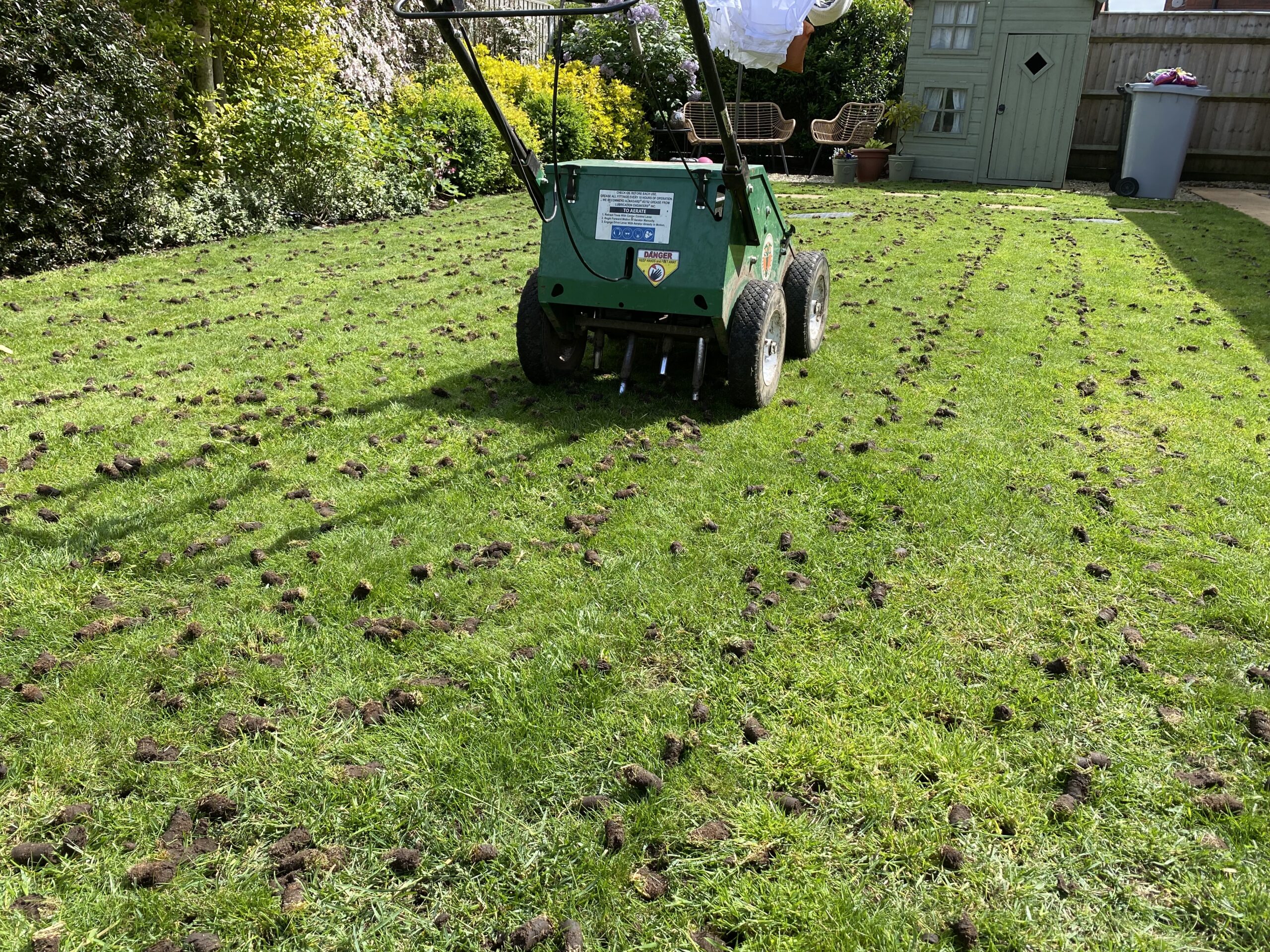
What Does a Lawn Look Like After Aeration
Have a Project in Mind?
If this post sounds like your yard, tell us about it. Request an estimate online or give us a call, and we’ll talk through what your property needs.



Transforming Huntsville & Madison yards since 2011 with expert landscape design, garden makeovers, mulching, and top-quality installations.


