Providing Best Services in Huntsville & Madison, AL


Follow us on Social.




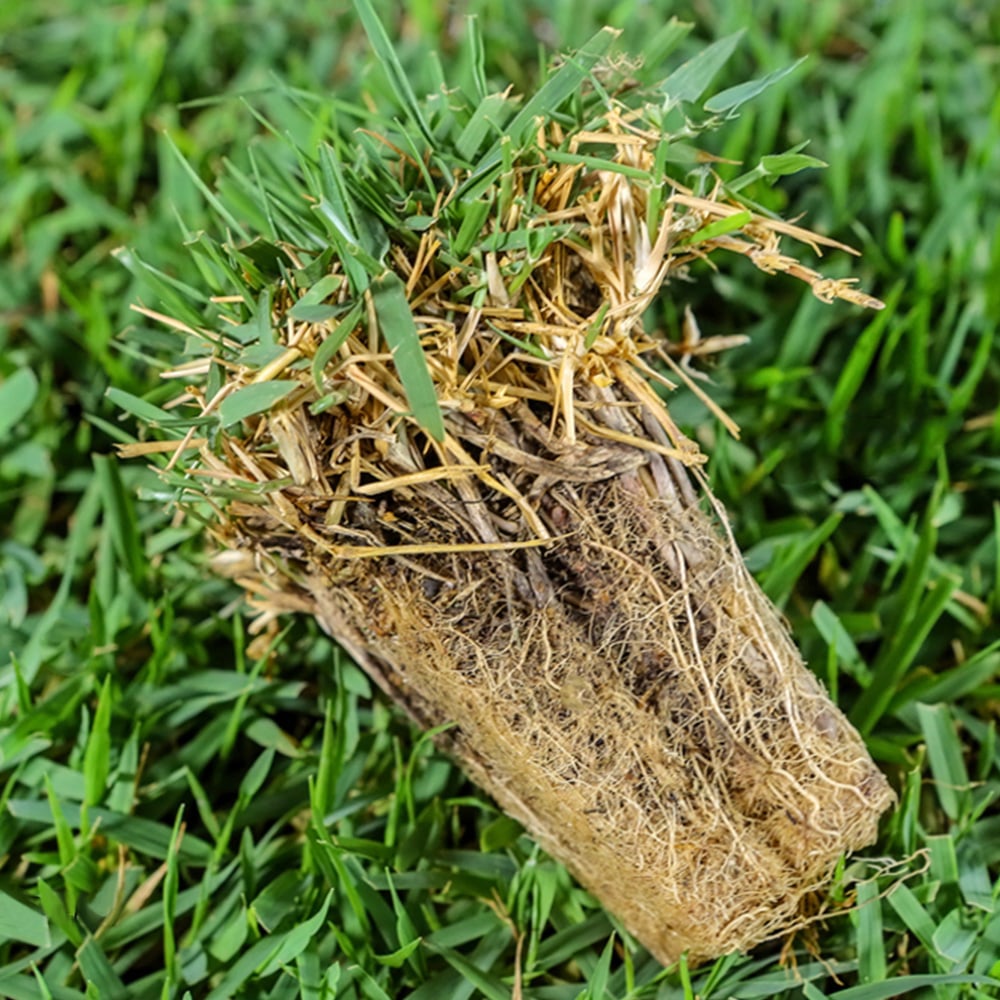

Sep 1, 2026

3 MIN

Lawn Care
How Long Does Zoysia Grass Seed Take to Grow?
Zoysia grass seed takes 14 to 21 days to germinate and two to three full growing seasons to form a dense, thick lawn. ScottsMiracleGro confirms that zoysia seeds germinate in 14 to 21 days under ideal growing conditions, which means soil temperatures between 65 and 70 degrees Fahrenheit, consistent moisture, and direct sunlight reaching the seed surface. Germination is only the first step. Zoysia is one of the slowest-establishing lawn grasses available, and the time between first sprouts and full coverage tests the patience of every homeowner who plants from seed. This guide covers the complete growth timeline from planting day through season three, explains how to plant zoysia seed step by step, compares seed to faster alternatives, and addresses what to do when germination does not go as planned.
How Long Does Zoysia Grass Seed Take to Germinate?
Zoysia grass seed takes 14 to 21 days to germinate when soil temperatures hold at 65 to 70 degrees Fahrenheit and the soil stays consistently moist. Pennington, Green Lawn Guide, and ScottsMiracleGro all confirm this germination window as the standard for seeded zoysia varieties. Cooler soil temperatures slow germination significantly. Soil below 60 degrees may delay sprouts by two to three additional weeks or prevent germination entirely.
Soil temperature, not air temperature, controls germination timing. Air temperatures in the mid-70s to low 80s typically correspond to the 65-to-70-degree soil temperatures zoysia seed needs. A simple soil thermometer inserted 2 inches into the ground at 9 AM gives an accurate morning reading. Take readings for three consecutive days before planting. Consistent readings at or above 65 degrees signal that conditions are ready.
Zoysia seed requires direct sunlight to germinate. ScottsMiracleGro specifically advises against covering zoysia seed with soil or straw because light exposure triggers the germination process. Lightly tamping the seed into the soil surface with a lawn roller or the flat side of a rake provides the seed-to-soil contact needed without burying the seed below the light threshold.
What Does Zoysia Growth Look Like Week by Week from Seed?
Zoysia growth from seed follows a predictable progression, but each stage looks very different from the finished lawn. Understanding what to expect at each point prevents homeowners from assuming the lawn has failed when it is simply growing on zoysia's natural timeline.
During weeks one through three after planting, the soil surface shows no visible change. The seed is absorbing moisture and beginning to split open underground. By day 14 to 21, the first tiny green shoots push through the surface. These seedlings are thin, delicate, and spaced far apart. The lawn looks sparse and bare between sprouts. This is normal for zoysia.
During months two through four, the seedlings grow slowly upward and begin producing their first tillers, the side shoots that eventually thicken each plant. The lawn still looks thin compared to a mature zoysia yard. Bare soil remains visible between plants. Weeds often appear in the gaps because the young turf has not yet reached the density needed to suppress them. Manual weed removal keeps the weeds from stealing water and nutrients from the establishing grass.
During the first full growing season (months five through eight), stolons become visible as the plants begin spreading laterally across the bare ground. Growth accelerates as the root system deepens and the grass enters its peak summer vigor. By the end of the first full summer, the lawn covers roughly 50 to 60% of the planted area, depending on seed density and care consistency.
During the second growing season, the spreading mechanism kicks into high gear. Stolons extend 1 to 2 inches per month during peak growth. Rhizomes push underground to fill gaps that stolons cannot reach from above. By the end of year two, most lawns reach 80 to 90% coverage.
During the third growing season, the lawn reaches full density. The interlocking mat of stolons, rhizomes, and tillers forms the thick, carpet-like turf that zoysia is known for. NC State Extension confirms that established zoysia produces one of the densest, most wear-resistant turfgrass canopies available. The two-to-three-year wait from seed produces a lawn that lasts for decades with minimal maintenance.
Zoysia Seed vs Plugs vs Sod: Which Grows Fastest?
Sod grows fastest, plugs grow moderately, and seed grows slowest. The tradeoff is cost: seed covers the most area for the least money, while sod delivers an instant lawn at the highest price per square foot. Choosing the right grass type and establishment method depends on your budget, your timeline, and how much patience you have for the fill-in process.
MethodTime to Germinate/RootTime to Full DensityRelative CostBest ForSeed (Zenith)14-21 days to germinate2-3 growing seasonsLowest ($)Large areas on a budget; patient homeowners; overseeding existing turfPlugs (6" spacing)10-14 days to root1 growing seasonModerate ($$)Establishing premium varieties not available as seed (Zeon, Emerald)Plugs (12" spacing)10-14 days to root2 growing seasonsModerate ($-$$)Saving on plug cost with wider spacing; accepting a longer timelineSod10-14 days to root6-8 weeksHighest ($$$)Instant lawn; high-visibility areas; avoiding the 2-3 year seed wait
Sources: ScottsMiracleGro, University of Illinois Extension, USA Sod, Green Lawn Guide
Professional sod installation delivers a usable lawn in weeks rather than years because the grass arrives fully mature with an established root system.
Homeowners who want to avoid common sod mistakes benefit from professional handling of soil preparation, grading, and watering during the critical first two weeks after laying the turf.
When Is the Best Time to Plant Zoysia Grass Seed?
The best time to plant zoysia grass seed is late spring to early summer, after the last frost has passed and daily temperatures stay consistently in the 70s. ScottsMiracleGro confirms that soil temperatures must reach 65 to 70 degrees Fahrenheit for successful germination. Planting too early in cool soil wastes seed because the seeds sit dormant and become vulnerable to washing away or being eaten by birds before conditions warm enough for germination.
In Alabama, the planting window typically falls between mid-May and mid-June. Soil temperatures in this region reach the 65-degree threshold once daytime air temperatures consistently hit the upper 70s. Planting during this window gives the seed a full summer of peak growing conditions to germinate, establish roots, and begin the spreading process before fall dormancy arrives.
Fall planting is possible but riskier. ScottsMiracleGro advises planting at least 60 days before the first expected frost if seeding in fall. Seed planted too late in fall germinates but cannot establish deep enough roots to survive winter dormancy. The young grass enters its first winter in a weakened state, and portions may not survive to spring.
How to Grow Zoysia Grass from Seed Step by Step
Growing zoysia from seed requires careful soil preparation, precise timing, and consistent watering through the germination period. Follow these steps for the strongest results from a seeded zoysia lawn:
- Test your soil pH before planting. Zoysia germinates best in soil with a pH between 6.0 and 6.5, according to ScottsMiracleGro. A soil test through your local extension office costs a few dollars and takes about two weeks for results. Soil amendment corrects pH and nutrient imbalances before planting.
- Prepare the seedbed by removing all existing vegetation, rocks, and debris. Use a hard rake to break up soil clumps in the top 4 to 6 inches. Finish with a soft rake to create a fine, loose surface. The seedbed should be level and smooth with no low spots where water pools.
- Measure your soil temperature with a soil thermometer inserted 2 inches deep. Wait for three consecutive morning readings at or above 65 degrees Fahrenheit before planting. Planting in soil below this threshold delays germination and reduces the germination rate.
- Spread seed evenly using a broadcast spreader at the rate listed on the seed package. Too much seed causes overcrowding and poor germination. Too little seed produces a thin lawn that takes even longer to fill in. ScottsMiracleGro warns against both extremes.
- Tamp the seed into the soil surface with a lawn roller or the flat side of a rake. Do not cover the seed with soil, straw, or mulch. Zoysia seed needs direct sunlight exposure to trigger germination. Covering the seed blocks light and prevents sprouting.
- Apply a starter fertilizer formulated for new grass immediately after seeding. Starter fertilizer provides the phosphorus that developing root systems need during the first weeks of growth. Feed again 6 to 8 weeks after planting, according to ScottsMiracleGro.
- Water lightly and frequently to keep the soil surface consistently moist but not soggy. Short, daily watering sessions during the first 3 weeks maintain the moisture level seeds need without washing them away. Reduce watering frequency once the grass establishes, transitioning to deeper, less frequent sessions that encourage root growth.
- Wait to mow until the grass reaches 2.5 inches tall. Mowing too early damages fragile seedlings before their root systems anchor. Once you begin mowing, never remove more than one-third of the blade height in a single cut. Gradually lower the mowing height to 1 to 2 inches over several weeks.
- Control weeds manually during the first growing season. Pull weeds by hand rather than applying herbicides, which can damage young zoysia seedlings. The grass will suppress weeds naturally once it reaches full density in year two or three.
- Aerate the lawn annually after the first full growing season. Lawn aeration relieves compaction that restricts root growth and stolon expansion, helping the young lawn fill in faster during its second and third seasons.
Is It Hard to Grow Zoysia Grass from Seed?
Yes, growing zoysia grass from seed is harder than growing bermuda or fescue from seed because zoysia germinates slowly, establishes slowly, and requires specific conditions that less patient homeowners find frustrating. The germination process itself is straightforward, but the two-to-three-year wait for full density is the real challenge.
Zoysia seed is also limited in variety selection. Zenith is the most widely available seeded zoysia, according to Pennington and LawnStarter. Premium varieties like Zeon, Emerald, and Empire are sterile hybrids that cannot be grown from seed and must be established from sod or plugs. Homeowners who want a specific variety's shade tolerance, color, or texture often discover that seed is not an option for the variety they prefer.
The difficulty is manageable with realistic expectations. Zoysia from seed requires the same basic care as any grass seed: proper soil preparation, correct timing, consistent moisture, and patience. The difference is the timeline. Where bermuda seed produces a thick lawn in one season, zoysia seed needs three. Properties dealing with weed infestation during the establishment period need extra attention because weeds fill bare ground faster than young zoysia can cover it.
Can You Plant Zoysia Seed in an Existing Lawn?
Yes, you can plant zoysia seed into an existing lawn through a process called overseeding, but results depend on how much competition the existing grass creates. Overseeding works best when you mow the existing lawn to 1 inch, dethatch or aerate to expose bare soil, and spread seed directly into the openings. ScottsMiracleGro recommends mowing low and bagging clippings before overseeding to give seed the best contact with the soil surface.
Zoysia seed overseeded into an established bermuda lawn faces heavy competition because bermuda grows faster and more aggressively during the same warm-season window. The zoysia seedlings struggle to compete for light, water, and nutrients against the existing turf. For this reason, professional landscape design services often recommend plugging or sodding when transitioning from one grass type to another rather than relying on overseeding alone.
Overseeding zoysia into bare patches or thin areas within an existing zoysia lawn produces better results because the young seed faces less competition. Weed control before overseeding clears competing plants from the bare areas, giving the new seed the best chance at successful germination and establishment.
What to Do If Zoysia Seed Does Not Germinate on Schedule
Zoysia seed that has not sprouted after 21 days may be experiencing one or more common germination barriers. Diagnosing the cause early gives you time to correct the problem and reseed if necessary before the planting window closes.
- Soil temperature too low. Zoysia seed will not germinate in soil below 65 degrees Fahrenheit. If you planted before the soil warmed sufficiently, the seed may still sprout once temperatures rise. Check soil temperature with a thermometer and wait for consistent warmth before reseeding.
- Seed buried too deep. Zoysia seed requires direct sunlight exposure to trigger germination. Seed covered by more than a quarter inch of soil or mulch may not receive enough light. Lightly rake the surface to expose any buried seed.
- Inconsistent watering. The soil surface must stay moist during the entire 14-to-21-day germination period. Allowing the surface to dry out, even for one day, can kill germinating seed before the root anchors. Resume daily light watering and monitor moisture closely.
- Old or low-quality seed. Zoysia seed loses viability over time. Seed stored improperly or purchased past its expiration date germinates at lower rates. Check the seed package for the germination test date and percentage. Fresh seed with an 80%+ germination rate produces the best results.
- Bird or pest damage. Birds, ants, and other pests eat unprotected seed from the soil surface. If you notice significant seed loss, apply a thin application of seed again and consider using a light-gauge netting over the area to deter birds until sprouts appear.
- Soil compaction. Hard, compacted soil prevents seed roots from penetrating the surface. Properties with dead gardens or bare ground often have compacted soil beneath the surface that needs loosening before seed can take hold. Re-rake the seedbed to loosen the top inch of soil and reseed.
Frequently Asked Questions
What Is the Best Seeded Zoysia Grass Variety?
The best seeded zoysia grass variety is Zenith, which is the most widely available and reliable seed-grown zoysia on the market. Pennington and LawnStarter both confirm Zenith as the primary seeded option. Zenith produces a medium-bladed, dense turf that handles light shade and heavy foot traffic. Compadre is another seeded variety with similar characteristics. Premium fine-bladed varieties like Zeon and Emerald are not available as seed.
What Fertilizer Should You Use on New Zoysia Seed?
Use a starter fertilizer high in phosphorus immediately after seeding to support root development during the critical first weeks. ScottsMiracleGro recommends feeding again 6 to 8 weeks after planting with a balanced lawn food. Avoid high-nitrogen fertilizers on young seedlings because excess nitrogen pushes top growth at the expense of root establishment. Zoysia needs only 1 to 3 pounds of nitrogen per 1,000 square feet per year once established, according to Pennington.
Will Zoysia from Seed Choke Out Weeds?
Zoysia from seed will eventually choke out weeds once the turf reaches full density, which takes two to three growing seasons. During the establishment period, the grass is too thin to suppress weed germination. Manual weed removal during years one and two prevents weeds from outcompeting the young zoysia seedlings for water, nutrients, and sunlight.
What Is the Mowing Height for New Zoysia?
Wait to mow new zoysia from seed until the grass reaches 2.5 inches tall, according to ScottsMiracleGro. The first mow should remove no more than one-third of the blade height. Gradually lower the mowing height to 1 to 2 inches over several weeks once the grass is actively growing and the root system has anchored. Homeowners who prefer professional help with new lawn installation avoid the trial-and-error of first-time seeding entirely.
How Often Should You Water Zoysia Seed?
Water zoysia seed daily with short, light sessions that keep the soil surface consistently moist but not soggy for the first 14 to 21 days during germination. After the seedlings sprout and begin developing roots, gradually reduce watering frequency while increasing the depth of each session. Established zoysia needs 0.5 to 1 inch of water per week, according to GrassID and Pennington.
Wrapping It Up
Zoysia grass seed germinates in 14 to 21 days but takes two to three full growing seasons to produce the dense, carpet-like lawn the grass is known for. The timeline demands patience, consistent watering during germination, correct soil temperature at planting, and ongoing weed management through the first two years. Sod and plugs offer faster alternatives for homeowners who want results in weeks or months instead of years. Whichever method you choose, the end result is the same: a thick, low-maintenance, drought-resistant lawn that improves with age.
If you want help deciding between seed, plugs, or sod for your yard, or if you need soil preparation and installation handled professionally, White Shovel Landscapes can evaluate your property and get your zoysia lawn started on the right foundation.
Call us at 256-612-4439 for a free estimate.



You May Also Like

Sep 12, 2026
3 min
How to Keep Landscape Edging Straight

Sep 11, 2026
3 min
How to Decorate a Patio: Ideas for 2025 and 2026
Sep 9, 2026
3 min
How to Trim Around Landscape Edging
Sep 7, 2026
3 min
What Does a Lawn Look Like After Aeration
Have a Project in Mind?
If this post sounds like your yard, tell us about it. Request an estimate online or give us a call, and we’ll talk through what your property needs.





Transforming Huntsville & Madison yards since 2011 with expert landscape design, garden makeovers, mulching, and top-quality installations.


