Providing Best Services in Huntsville & Madison, AL


Follow us on Social.





May 18, 2026

3 Min

Landscape Design
Seasonal Landscape Planning for Southern Climates
Seasonal landscape planning for southern climates involves timing planting, mulching, pruning, and drainage tasks around each season's heat, rainfall, and mild winters to keep your yard healthy and beautiful year-round.
Seasonal landscape planning for southern climates means scheduling the right yard tasks at the right time of year so your plants, soil, and hardscape features stay healthy through hot summers, mild winters, and unpredictable rain. Southern homeowners enjoy a longer growing season than most of the country, but that also means there is more to manage and more that can go wrong if timing is off.
In this article, we break down exactly what to do in each season, which plants thrive in the South, how to handle drainage and soil health year-round, and why a smart seasonal plan protects your investment and boosts your property value. According to the U.S. landscaping services industry data compiled by IBISWorld, the industry reached $184.1 billion in annual revenue in 2025, growing at a 6.0% compound annual growth rate over the past five years. That growth reflects just how much homeowners are investing in their outdoor spaces.
What Is Seasonal Landscape Planning for Southern Climates?
Seasonal landscape planning for southern climates is the practice of organizing your yard care, planting, pruning, and design projects around the specific weather patterns of the South. Unlike northern states where the ground freezes for months, southern states enjoy mild winters with soil temperatures that rarely drop below 40°F. That means roots keep growing, weeds keep popping up, and your landscape needs attention in every season.
According to the 2023 USDA Plant Hardiness Zone Map, much of the South falls into Zones 7b through 9a. North Alabama, for example, sits mostly in Zone 8a, where the growing season lasts roughly 200 days between the last spring frost and the first fall frost. That is a wide window, and it gives homeowners a huge advantage if they plan ahead.
A good seasonal plan covers four main areas: planting and transplanting, soil care and mulching, drainage management, and pruning and cleanup. When you get the timing right on each of these, your yard looks better, stays healthier, and costs less to maintain over time.
Why Does Seasonal Timing Matter for Southern Landscapes?
Seasonal timing matters for southern landscapes because the South's long, hot summers create a unique set of challenges that do not exist in cooler regions. Planting a tree in July in Alabama is very different from planting one in October. Summer heat stresses new roots, dries out soil fast, and makes it harder for transplants to survive. A study conducted at multiple universities, including research from Clemson University and the University of Maryland, found that potential homebuyers will pay up to 11.3% more for homes with well-designed landscaping. That premium only holds if the plants are healthy and thriving, which depends entirely on when they were planted and how they are maintained.
The EPA's WaterSense program estimates that roughly 50% of water used for landscape irrigation is wasted due to evaporation, wind, or inefficient systems. In southern states, where summer temperatures regularly push past 90°F, that waste number can climb even higher. Seasonal planning helps you water smarter by matching irrigation schedules to the actual needs of each season.
We see this all the time in our work here in the Huntsville, Alabama area. Homeowners who plan ahead get stronger plants, healthier lawns, and fewer emergency fixes throughout the year.
What Should You Plant in the Fall in a Southern Climate?
What you should plant in the fall in a southern climate includes trees, shrubs, perennials, and spring-blooming bulbs. Fall is one of the best planting seasons in the South because the soil stays warm while air temperatures cool down. That combination encourages strong root growth without the stress of summer heat.
According to ScottsMiracle-Gro's planting guide, planting trees and shrubs in late fall in warmer southern regions gives them a chance to build strong roots long before summer stress arrives. The warm soil and cooler air work together to push energy into root development instead of leaf and flower production.
Here is what we recommend for fall planting in the South:
- Shade trees like oaks, maples, and crepe myrtles
- Ornamental shrubs such as azaleas, camellias, and hollies
- Perennials like black-eyed Susans, coneflowers, and daylilies
- Spring bulbs including daffodils, tulips, and hyacinths (plant in November when night temperatures drop below 50°F)
- Cool-season annuals like pansies, mums, and snapdragons for immediate fall color
A well-planned fall planting season gives your yard a head start. These plants spend the entire winter building root systems, so by spring, they explode with growth. Professional landscape design can help you pick the right plants for your exact zone and soil type.
Is October Too Late to Mulch?
No, October is not too late to mulch in southern climates. In fact, fall mulching is one of the smartest moves you can make. Applying a 2- to 3-inch layer of organic mulch in October or November insulates soil, holds in moisture, and protects roots heading into winter.
Research published in the journal Soil and Tillage Research found that organic mulch can reduce soil evaporation by 28% to 58% and regulate soil temperature by maintaining increases of 2 to 3°C. Those numbers matter a lot when you are trying to keep plants healthy through unpredictable southern weather.
Organic mulches like shredded hardwood, pine straw, and wood chips are all great choices. Pine straw is especially popular in the Southeast because it is affordable, easy to spread, and naturally acidic, which benefits plants like azaleas and blueberries. We always recommend refreshing your mulch layers twice a year, once in spring and once in fall.
What Landscaping Should You Do in Fall?
The landscaping you should do in fall includes planting trees and shrubs, aerating your lawn, applying fresh mulch, cleaning up dead growth, adjusting irrigation, and addressing any standing water issues before winter rains begin.
Fall is the best time to evaluate your yard for drainage problems. Cooler weather makes it easier to dig, grade, and install solutions like French drains or dry creek beds. According to a report from the National Association of Realtors, homeowners can expect a 104% return on investment from regular landscape maintenance. That includes seasonal tasks like fall cleanup and soil preparation.
Here is a simple fall checklist for southern homeowners:
- Aerate compacted soil to improve water and nutrient absorption
- Overseed thin or patchy lawn areas with warm-season grass seed
- Apply 2 to 3 inches of organic mulch to all garden beds
- Plant trees, shrubs, and perennials while soil is still warm
- Cut back dead perennials and remove diseased plant material
- Evaluate drainage and fix problem areas before winter rain
- Adjust irrigation schedules to match cooler temperatures
Fall is also an ideal time for hardscaping projects like retaining walls, patios, and walkways. The cooler weather makes outdoor construction more comfortable, and having hardscape features in place before winter gives your yard a finished look all season long.
How Do You Keep a Southern Lawn Healthy in the Summer?
You keep a southern lawn healthy in the summer by watering deeply and less often, mowing at a higher blade setting, and avoiding heavy fertilization during peak heat. Summer in the South tests every yard. Temperatures regularly exceed 90°F, humidity is high, and drought conditions can appear quickly.
The key is to water your lawn early in the morning, before 10 a.m., so the grass absorbs moisture before the sun can evaporate it. Deep watering encourages roots to grow down into the soil where they can access moisture even during dry spells. Shallow, frequent watering does the opposite. It keeps roots near the surface where they dry out fast.
Mowing your lawn a little taller in summer helps too. Taller grass blades shade the soil beneath them, which slows evaporation and keeps soil temperatures cooler. A good target height for most warm-season grasses in the South, like Bermuda and Zoysia, is 2 to 3 inches.
Summer is not the time for heavy pruning or aggressive fertilizing. Both of those force plants to produce new growth during the most stressful part of the year. Save major pruning for late winter or early spring, and apply fertilizer to warm-season grasses in late spring or early summer when they are actively growing.
What Is the Best Season to Start a Landscape Project in the South?
The best season to start a landscape project in the South is fall. Fall gives you warm soil for root growth, cooler air for comfortable work conditions, and enough time before winter for new plants to settle in. Spring is a close second, especially for major design overhauls that include both softscape and hardscape elements.
According to research from Virginia Tech horticulturist Alex Niemiera, the increase in home value from no landscaping to well-designed landscaping ranges from 5.5% to 12.7%. For a $300,000 home, that translates to $16,500 to $38,100 in added value. The earlier you invest in a solid landscape installation, the more time your plants have to mature and grow into their full beauty.
If you are planning a complete yard transformation, we recommend starting the design process in late summer so everything is ready for fall installation. That way, your plants get an entire fall and winter to root in before facing their first summer.
How Do Native Plants Help a Southern Landscape?
Native plants help a southern landscape by reducing water use, cutting down on maintenance, and supporting local wildlife. Plants that evolved in the southern climate already know how to handle the heat, humidity, and soil conditions. They do not need as much supplemental watering, fertilizing, or pest control as non-native species.
According to the EPA's WaterSense program, using native or climate-adapted species in your landscape can reduce outdoor water use by 20% to 50%. A study from the University of California, Davis found that switching from traditional turfgrass to native plant landscapes resulted in a 60% reduction in total water use. Those savings add up fast, especially during a hot Alabama summer.
Some excellent native plants for the Southeast include Oakleaf Hydrangea, Beautyberry, Eastern Redbud, Sweetgum, and Southern Magnolia. These plants thrive in our clay-heavy soil and tolerate the swings from wet winters to dry summers.
How Do You Protect Your Landscape During a Southern Winter?
You protect your landscape during a southern winter by mulching root zones, watering evergreens during dry spells, pruning dormant trees and shrubs, and cleaning up fallen leaves and debris. Southern winters are mild compared to the North, but they still bring occasional freezes that can damage unprepared plants.
The biggest winter mistake we see is neglecting to water. Just because temperatures drop does not mean your plants stop needing moisture. Evergreens continue to lose water through their leaves all winter. If rain is scarce, a deep watering every two to three weeks keeps them healthy.
Winter is also the perfect time for structural pruning on deciduous trees and shrubs. With the leaves gone, you can clearly see the branch structure and make smart cuts that improve shape and airflow. Good winter pruning leads to healthier, more vigorous spring growth.
If you have areas of your yard that stay muddy or collect water during winter rains, that is a sign of a drainage problem. Addressing muddy yards in winter, while the ground is soft and workable, saves time and money compared to waiting until spring.
What Should You Not Plant in the Fall?
What you should not plant in the fall includes tropical plants that cannot tolerate any frost, warm-season annuals that need long hot days to bloom, and any plant that requires a full growing season to establish before cold weather. In USDA Zone 8a, winter lows can dip to 10°F to 15°F. Tropical species like hibiscus, bougainvillea, and plumeria cannot survive those temperatures without protection.
Warm-season grasses like Bermuda and Zoysia should not be seeded in fall either. These grasses need warm soil to germinate and grow. Planting them in fall means they go dormant before they have a chance to root in. Wait until late spring, when soil temperatures consistently hit 65°F or higher, to seed warm-season turf.
Seasonal Landscape Tasks: A Month-by-Month Comparison
SeasonKey TasksBest Plants to AddCommon Mistakes to AvoidSpring (March - May)Refresh mulch, fertilize warm-season turf, start irrigation, plant annualsWarm-season annuals, perennials, ornamental grassesPruning spring-blooming shrubs too early (wait until after bloom)Summer (June - August)Deep water early, mow high, monitor pests, avoid heavy pruningHeat-tolerant perennials, container plantsShallow watering, fertilizing during peak heatFall (September - November)Plant trees and shrubs, aerate, mulch, fix drainage, overseedTrees, shrubs, cool-season annuals, spring bulbsPlanting warm-season grass seed too lateWinter (December - February)Prune dormant trees, water evergreens, plan spring projects, address drainageBare-root trees, cool-season vegetablesForgetting to water during dry winter stretches
Sources: USDA Plant Hardiness Zone Map (2023), ScottsMiracle-Gro Planting Guides, Alabama Cooperative Extension System, EPA WaterSense Program
How Does Poor Drainage Affect a Seasonal Landscape Plan?
Poor drainage affects a seasonal landscape plan by creating standing water, eroding soil, drowning plant roots, and making it impossible to maintain a healthy yard in any season. Water that sits on the surface for more than 24 hours after rain is a red flag. It invites mosquitoes, kills grass, and can even damage your home's foundation over time.
In the South, where annual rainfall averages 50 to 65 inches depending on your location, drainage is not optional. It is a requirement. A good seasonal plan accounts for water movement in every season, from heavy spring rains to summer thunderstorms to winter downpours.
We recommend having your yard evaluated for yard erosion and grading issues before starting any planting project. Fixing the water flow first means your plants have a much better chance of surviving long-term. Solutions like French drains, dry creek beds, and regrading can be installed in fall or winter when the ground is soft and easier to work with.
Can a Rain Garden Help With Drainage in a Southern Yard?
Yes, a rain garden can help with drainage in a southern yard by capturing runoff from roofs, driveways, and slopes and allowing it to slowly soak into the ground. Rain gardens are shallow depressions planted with native, water-loving plants that filter pollutants and reduce the volume of water flowing off your property.
According to the EPA, rain gardens can absorb up to 30% more water than a conventional lawn. They are a smart addition to any southern landscape plan because they work year-round and look beautiful in every season. Native plants like Blue Flag Iris, Cardinal Flower, and Switchgrass do well in rain garden settings across the Southeast.
How Often Should You Update Your Landscape Plan?
You should update your landscape plan at least once a year, ideally in late summer or early fall before the prime planting season begins. An annual review lets you assess which plants performed well, which ones struggled, and where you have gaps or opportunities for improvement.
According to the American Society of Landscape Architects, homeowners should invest about 10% of their home's value in landscaping over time. That does not mean spending it all at once. A phased approach, guided by a seasonal plan, spreads the cost over several years while building a more sophisticated and valuable landscape.
Things change. Trees grow taller and create new shade patterns. Drainage issues develop as soil settles. Your tastes and needs evolve. A landscape design that worked five years ago might not be the best fit today. Reviewing it annually keeps your yard on track.
How Does Seasonal Landscaping Increase Home Value?
Seasonal landscaping increases home value by keeping the property looking well-maintained, attractive, and inviting in every season. A yard that looks great in spring but falls apart in winter sends the wrong message to buyers and neighbors.
Research from Virginia Tech found that upgrading a home's landscape from average to excellent increases its value by 10% to 12%. A separate report from This Old House magazine estimates that well-done landscaping can boost property value by as much as 20%. According to the National Association of Realtors, regular landscape maintenance returns an average of 104% on investment.
The key is consistency. A seasonal plan that includes spring mulching, summer watering, fall planting, and winter cleanup keeps your property looking its best 12 months a year. That consistency is what turns a good yard into a great one, and it starts with a solid landscaping design built around your specific property.
What Is the Best Way to Prepare Soil in a Southern Climate?
The best way to prepare soil in a southern climate is to test it first, then amend it based on the results. Much of the South sits on heavy clay soil that drains slowly and compacts easily. Adding organic matter like compost, aged manure, or leaf mold improves structure, drainage, and nutrient availability.
The Alabama Cooperative Extension System recommends soil testing every two to three years to monitor pH and nutrient levels. Most plants in the South prefer a pH between 6.0 and 6.5. If your soil is too acidic, lime brings it up. If it is too alkaline, sulfur brings it down.
Fall and early spring are the best times for soil amendment work. Incorporating compost in fall gives it all winter to break down and integrate with the native soil. By spring, your beds are rich, loose, and ready for new plants.
How Do You Control Weeds Year-Round in a Southern Yard?
You control weeds year-round in a southern yard by applying pre-emergent herbicides at the right time, keeping a thick layer of mulch on beds, maintaining dense turf coverage, and pulling weeds before they set seed. The long growing season in the South means weeds have more opportunities to germinate, so consistent prevention is critical.
Pre-emergent herbicides work best when applied before weed seeds sprout. In the South, that means applying in late February or early March for spring weeds and again in September for winter weeds. Mulch is your second line of defense. A 2- to 3-inch layer blocks sunlight from reaching weed seeds in the soil.
If your yard has a serious weed infestation, a professional evaluation can identify the specific weed species and recommend targeted treatments. Some weeds, like Bermuda grass creeping into flower beds, require different strategies than broadleaf weeds like dandelions.
Frequently Asked Questions
Is Fall Really a Good Time to Plant Trees in the South?
Yes, fall is really a good time to plant trees in the South. The combination of warm soil and cool air encourages root growth without the stress of summer heat. Trees planted in fall have an entire winter to build root systems, which prepares them to handle their first summer with much less risk. According to ScottsMiracle-Gro, late fall planting in warmer southern regions gives trees and shrubs the best chance to establish strong roots.
How Long Is the Growing Season in the Southeast?
The growing season in the Southeast lasts approximately 185 to 240 days depending on your exact location. Northern parts of Alabama get around 200 frost-free days, while the Gulf Coast enjoys an even longer window. According to data from Park Seed and USDA zone maps, Alabama's growing season averages about 185 days statewide between the last spring frost and the first fall frost.
Does Mulch Really Make a Difference in Southern Heat?
Yes, mulch makes a significant difference in southern heat. Research published in Frontiers in Agronomy found that mulch reduces soil evaporation by 28% to 58% and can enhance soil moisture by 4.6% to 22%. In a southern summer where soil dries out quickly, that extra moisture retention can mean the difference between thriving plants and dead ones.
Can You Landscape in the Winter in the South?
Yes, you can landscape in the winter in the South. Southern winters are mild enough to allow tree planting, hardscape construction, drainage installation, and dormant pruning. Soil temperatures in the Southeast rarely freeze, which means root growth continues slowly through winter. It is an ideal season for planning and installing structural features.
How Do You Keep Your Landscape Looking Good Year-Round?
You keep your landscape looking good year-round by following a seasonal maintenance schedule that includes spring mulching and fertilizing, summer watering and mowing, fall planting and cleanup, and winter pruning and planning. Incorporating evergreen shrubs, ornamental grasses, and hardscape elements provides visual interest even in the dormant months.
Should You Fertilize Your Lawn in Fall in the South?
Fertilizing your lawn in fall in the South depends on your grass type. Cool-season grasses like fescue benefit from fall fertilization because they are actively growing. Warm-season grasses like Bermuda and Zoysia should not be heavily fertilized in fall because they are heading into dormancy. A light application of potassium in early fall can help warm-season turf survive winter, but save nitrogen-heavy fertilizers for late spring.
What Are the Biggest Landscape Mistakes in Southern Climates?
The biggest landscape mistakes in southern climates are planting at the wrong time of year, ignoring drainage problems, choosing non-native plants that need constant watering, overwatering or underwatering based on a fixed schedule instead of actual conditions, and skipping mulch. Each of these mistakes leads to plant loss, wasted money, and a yard that never quite looks the way you want it to.
Putting It All Together
A seasonal landscape plan is not a luxury. It is the foundation of a yard that stays healthy, beautiful, and valuable all year long. Southern climates give homeowners an incredible advantage with long growing seasons, mild winters, and a wide variety of plants to choose from. The trade-off is that your landscape needs thoughtful attention in every season, not just spring.
The right plan accounts for soil health, drainage, plant selection, and maintenance timing. It balances beauty with function and makes every dollar you invest go further. Whether you are starting from scratch or refreshing an existing yard, a seasonal approach is the smartest path forward.
At White Shovel Landscapes, we help homeowners across North Alabama design, build, and maintain landscapes that look great 12 months a year. If you are ready to start planning your next seasonal project, give us a call at 256-612-4439 or request a free estimate. We would love to help bring your vision to life.



You May Also Like

Sep 12, 2026
3 min
How to Keep Landscape Edging Straight
Sep 11, 2026
3 min
How to Decorate a Patio: Ideas for 2025 and 2026
Sep 9, 2026
3 min
How to Trim Around Landscape Edging
Sep 7, 2026
3 min
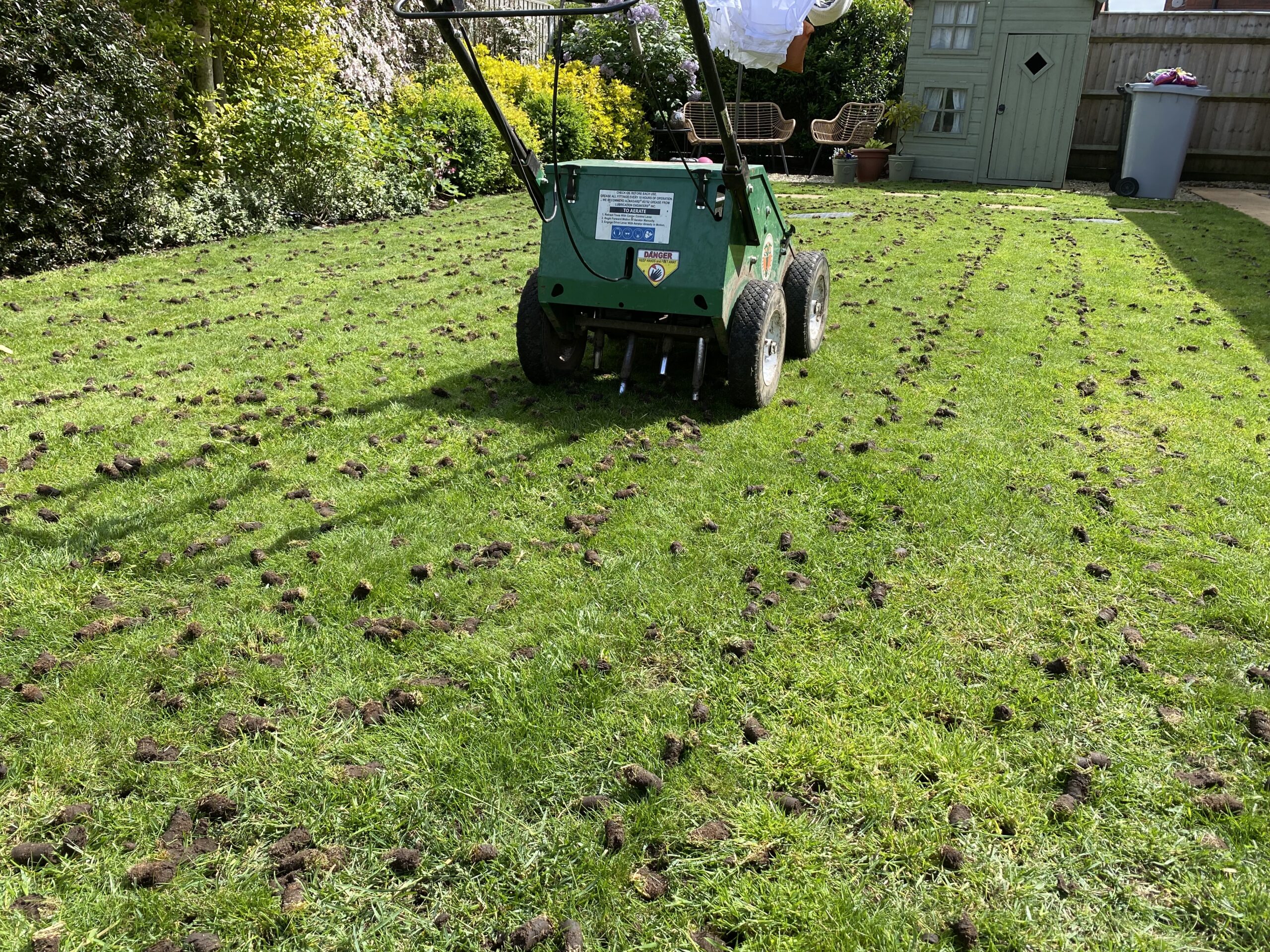
What Does a Lawn Look Like After Aeration
Have a Project in Mind?
If this post sounds like your yard, tell us about it. Request an estimate online or give us a call, and we’ll talk through what your property needs.




Transforming Huntsville & Madison yards since 2011 with expert landscape design, garden makeovers, mulching, and top-quality installations.


