Providing Best Services in Huntsville & Madison, AL


Follow us on Social.





May 18, 2026

3 Min

Landscaping
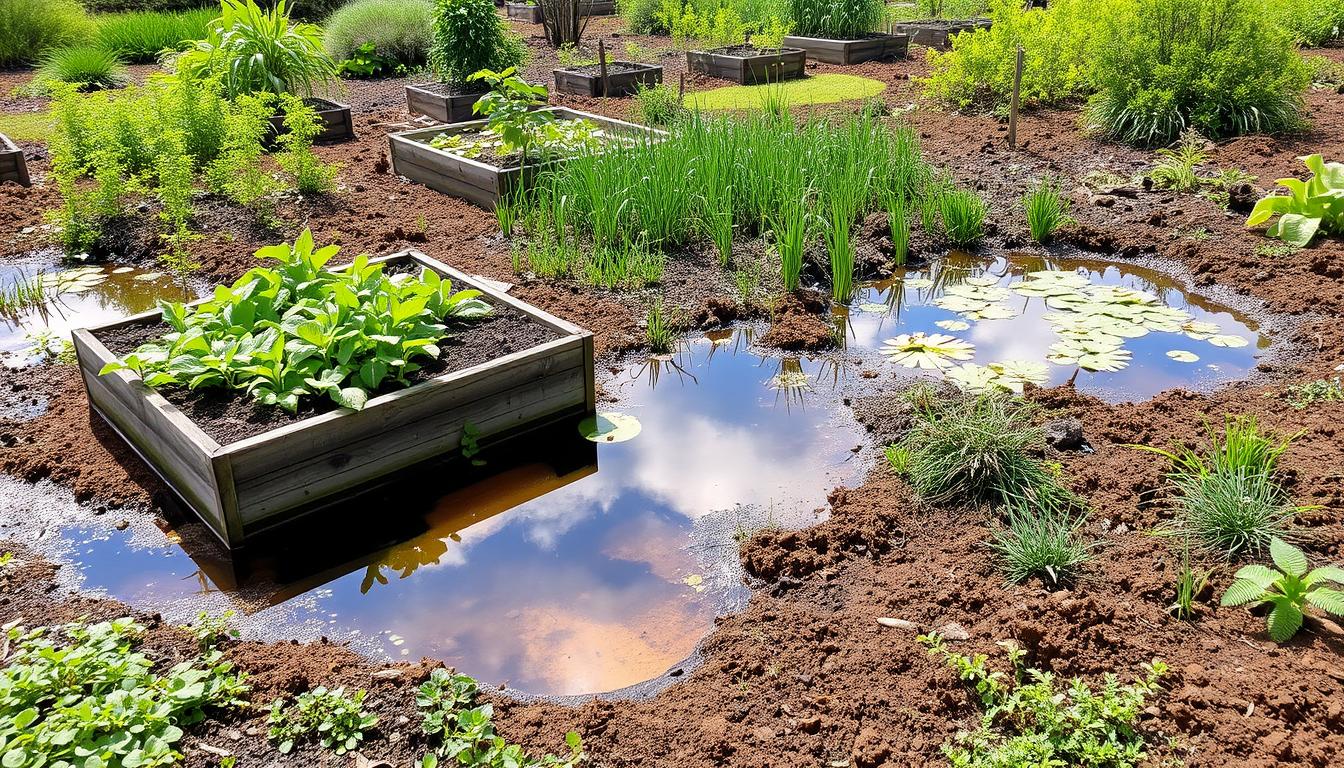
Soil Stabilization Methods for Wet Yard Areas
Soil stabilization for wet yard areas involves improving drainage, amending heavy clay soil with organic matter, aerating compacted ground, and installing systems like French drains to redirect excess water. These methods strengthen the soil structure so it can absorb rain instead of turning into mud.
Soil stabilization for wet yard areas is the process of improving the ground so it can absorb water, support plant roots, and resist erosion instead of turning into a soggy, muddy mess after every rain. The most effective residential methods include adding organic matter to break up clay, aerating compacted soil, installing subsurface drainage, regrading the land, and planting deep-rooted vegetation that anchors the ground in place. According to the University of Minnesota Extension, compacted soil has a reduced rate of both water infiltration and drainage because the large pores that move water downward get crushed into smaller, less effective spaces. In this article, we cover the best soil stabilization methods for homeowners, how to fix overly wet soil, and how to keep your yard solid and usable through every season.
How to Stabilize Wet Ground in Your Yard
To stabilize wet ground in your yard, you need to identify the source of the excess water and then address both the drainage and the soil structure at the same time. Wet ground is usually caused by one or more of these factors: heavy clay soil that does not drain, compaction from foot traffic or construction equipment, poor grading that traps water in low spots, or a high water table that keeps the soil saturated from below.
The first step is to test your soil. According to the University of Maryland Extension, you can dig a hole 12 inches deep and 12 inches in diameter, fill it with water, and let it drain. The next day, fill the hole again and time how fast the water drops. If it drains less than 1 inch per hour, your soil is too slow and likely has high clay content, compaction, or a restrictive layer underneath. This simple test tells you whether the problem is in the soil itself or in the grading above it.
Once you know what you are dealing with, the fix usually involves a combination of methods: adding organic amendments to loosen the soil structure, aerating to break up compaction, installing a French drain or catch basin to move water underground, and regrading low spots so water flows away from the house and toward a proper outlet. We evaluate these conditions on every project through our soil amendment and repair services.
What Are Common Soil Stabilization Methods?
Common soil stabilization methods for residential yards include organic amendment, mechanical compaction, aeration, biological stabilization with plants, drainage system installation, and regrading. Each method targets a different aspect of the problem, and most wet yard situations need more than one approach working together.
Organic amendment is the most widely used method for homeowners. It involves working compost, aged manure, shredded leaves, or other organic material into the top 6 to 12 inches of soil. According to Pennington, adding 3 to 6 inches of organic matter before planting and working it into the top 10 to 12 inches where most roots grow is the general recommendation for heavy clay. This loosens the soil, creates larger pore spaces for water to move through, and feeds beneficial microbes that improve the structure over time.
Mechanical stabilization means compacting the soil to a specific density so it can support structures like patios, walkways, and retaining walls. This is the opposite of what you want for a lawn or garden bed, where loose, well-drained soil is the goal. But for hardscaping projects, proper compaction prevents settling and shifting after installation.
Biological stabilization uses plants with deep, aggressive root systems to anchor the soil and absorb excess moisture. According to Grass Plus Inc., deep-rooting plants create a natural barrier that holds soil in place and is ideal for exposed terrain that suffers from water and wind erosion. Sod installation also counts as biological stabilization because grass roots bind the top few inches of soil together and slow surface runoff.
How to Fix Overly Wet Soil
To fix overly wet soil, add organic matter to improve structure, aerate to break compaction, and install drainage to redirect excess water away from the problem area. The right combination depends on whether the wetness comes from clay content, compaction, poor grading, or a combination of all three.
For clay-heavy soil, work 2 to 4 inches of compost into the top 6 to 8 inches of ground. According to the University of Maryland Extension, adding lots of organic matter to clayey soil allows it to drain more easily and hold the right amounts of water and air for better plant growth. Gypsum (calcium sulfate) can also help clay particles clump together and improve structure, though Oregon State University Extension notes that its effectiveness varies by region and soil type.
For compacted soil, core aeration punches holes 2 to 3 inches deep that break up the hardpan layer and let water move downward. According to research cited by White Shovel, soil compaction can reduce water infiltration by up to 60 percent. Aeration reverses that by restoring the pore space that water needs to pass through. For heavily compacted clay lawns, annual aeration during the active growing season is the standard recommendation.
If the soil stays wet because water has nowhere to go, a drainage system is the answer. French drains, catch basins, and regrading create a path for water to follow instead of sitting in the ground and saturating everything around it.
How to Improve Drainage in Wet Soil
To improve drainage in wet soil, you need to give water a way to move down through the ground and out of the area. The most effective methods are adding organic matter to create better soil structure, installing subsurface drainage like French drains, regrading to eliminate low spots, and planting water-absorbing vegetation in chronically wet zones.
Organic matter is the most important long-term fix. As compost and other organic materials break down, they create stable clumps of soil particles called aggregates. These aggregates have spaces between them where water and air can flow freely. According to Penn State Extension, compaction causes a decrease in large pores called macropores, resulting in a much lower water infiltration rate. Organic matter rebuilds those macropores naturally over time.
French drains handle the water that organic amendments alone cannot absorb. They intercept water underground and carry it through a perforated pipe to a discharge point. According to Bob Vila, a properly installed French drain can last 20 years or more and prevents damage while keeping yards usable. For areas that flood repeatedly during heavy storms, a French drain combined with a catch basin gives you both underground and surface collection working together.
Regrading eliminates the low spots where water collects. Even small dips in the yard can trap enough water to kill grass and create muddy patches. Filling those areas with topsoil, compacting lightly, and re-sodding creates a smooth surface that lets water sheet across the lawn toward the drainage outlet instead of pooling. Proper grading starts with a professional evaluation of the existing slope and soil conditions.
How to Dry Up a Wet Yard Fast Without Drainage
To dry up a wet yard fast without drainage, aerate the soil, spread a thin layer of coarse sand or compost over the wet area, and redirect any surface water by adjusting downspouts and filling low spots with topsoil. These methods help short-term, but they do not replace a permanent drainage solution if the problem keeps coming back.
Aeration is the fastest way to help a soggy lawn absorb water. The holes created by a core aerator let water pass through the compacted surface layer and soak into the ground below. According to Pennington, even a compacted layer just 1/4 to 1/2 inch thick can make a significant difference in how well your lawn absorbs water.
Spreading 1/4 to 1/2 inch of coarse sand or compost over the lawn after aerating fills the aeration holes and helps water filter through the surface faster. Do not add sand to clay soil without mixing it thoroughly, though. According to the University of Maryland Extension, adding sand to clay soil can make it worse by creating a concrete-like mixture unless you incorporate at least 50 percent sand by volume, which is impractical for large areas.
For quick results, check your gutters and downspouts first. A single downspout can dump hundreds of gallons of water right next to your foundation during a storm. Extending it 5 to 10 feet away from the house is one of the simplest and most effective ways to reduce standing water in the yard. If the yard keeps flooding despite these efforts, it needs professional drainage installation to solve the root cause.
What Do Coffee Grounds Do for Soil?
Coffee grounds add nitrogen, improve soil structure, and increase organic matter content when composted properly. They help loosen clay soil slightly and attract beneficial earthworms. However, coffee grounds are not a standalone fix for wet yard problems or compacted clay. They work best as one small ingredient in a larger soil amendment plan.
Fresh coffee grounds are slightly acidic, with a pH around 6.0 to 6.8, and they contain about 2 percent nitrogen by volume. According to Oregon State University Extension, adding organic materials like coffee grounds provides food for earthworms, fungi, insects, and bacteria. As these organisms decompose the material, they release natural compounds that clump soil particles together and improve drainage.
The key is to compost coffee grounds before adding them to garden beds, not spread them directly on the soil surface in thick layers. A thick mat of fresh grounds can compact and repel water, making the drainage problem worse instead of better. Mix them into your compost pile first, then spread the finished compost over your beds. For serious clay or drainage issues, professional soil repair with bulk compost and proper grading delivers results that a bucket of coffee grounds cannot match.
What Does Epsom Salt Do for Plants?
Epsom salt provides magnesium and sulfur, two nutrients that help plants produce chlorophyll and absorb other nutrients from the soil. It can help plants that show signs of magnesium deficiency, such as yellowing leaves between green veins. However, Epsom salt does not fix wet soil, improve drainage, or stabilize the ground. It is a nutrient supplement, not a soil stabilizer.
Before adding Epsom salt, get a soil test to confirm your soil actually lacks magnesium. Adding it to soil that already has enough can throw off the nutrient balance and harm plants instead of helping them. For yards struggling with wet conditions, the priority is fixing the soil structure and drainage, not adding supplements. Once the ground is stable and draining properly, nutrient amendments become much more effective because roots can actually absorb what you put down.
Using Plants to Stabilize Wet Soil
Using plants to stabilize wet soil is one of the most natural and long-lasting methods available. Deep-rooted grasses, shrubs, and ground covers anchor the top layer of soil, absorb excess moisture through their root systems, and slow surface runoff during heavy rain. According to A Cut Above Landscaping, sod and plants break up rainfall and help it soak in gradually, reducing runoff and promoting deeper drainage.
The best plants for wet areas in Alabama include native grasses, ornamental sedges, ferns, and moisture-loving shrubs. These species thrive in saturated soil and pull water out of the ground through transpiration, which helps dry the area naturally. Bermuda grass, the most common lawn grass in our region, can survive short periods of surface flooding because its rhizomes stay alive below the soil even when the surface is waterlogged. According to Oklahoma State University Extension, Bermuda grass rhizomes will survive and re-emerge from the soil after flooding ends.
Planting erosion-control species on slopes and wet banks is especially effective. Their root networks weave through the soil and hold it together like a natural mesh. Over time, as the roots grow deeper and the organic matter from fallen leaves builds up, the soil improves from the top down without any digging or equipment. For large-scale stabilization that combines plants with drainage, a complete landscape installation gives you the best results.
Stabilization MethodHow It WorksBest ForTime to ResultsOrganic Amendment (Compost)Loosens clay, creates pore space, feeds soil microbesClay-heavy soil, garden beds, lawns3-6 months (gradual improvement)Core AerationBreaks compacted layer, lets water infiltrateCompacted lawns, high-traffic areasImmediate (after next rain)French DrainIntercepts and redirects water undergroundChronic flooding, foundation protectionImmediate once installedRegradingCreates proper slope so water flows awayFlat yards, negative grades, low spotsImmediate once completedDeep-Rooted PlantsAbsorbs water, anchors soil, reduces erosionSlopes, wet banks, rain gardens1-2 growing seasonsGypsum ApplicationHelps clay particles clump, improves structureHigh-clay soils (varies by region)Several months
Sources: University of Minnesota Extension, Pennington, University of Maryland Extension, Penn State Extension, Oregon State University Extension, Bob Vila, Oklahoma State University Extension
Why Wet Yards Get Worse Over Time
Wet yards get worse over time because the cycle of saturation, compaction, and erosion feeds on itself. Each time the ground floods, it compacts a little more. Compacted soil drains even slower, which means the next rain creates even deeper puddles. According to Penn State Extension, compaction decreases the large pore spaces that are essential for water and air movement, and research has shown that most plant roots need more than 10 percent air-filled porosity to thrive.
As the grass thins out from standing water, the bare soil gets hit directly by raindrops. That impact dislodges fine particles that wash into the remaining pore spaces and seal the surface, creating an even harder crust. According to the USDA Natural Resources Conservation Service, without plant or residue cover, direct raindrop impact dislodges soil particles and contributes to surface crusting, which restricts water entry into the soil.
This cycle is why early intervention matters so much. A small wet spot today becomes a large muddy yard next year if nothing changes. The longer you wait, the more soil you lose to erosion, the deeper the compaction gets, and the more expensive the fix becomes. Addressing the problem during the early stages with simple aeration and organic amendments is far cheaper than installing a full drainage system after years of neglect. Professional soil stabilization catches problems before they spiral.
Frequently Asked Questions
When Should You Not Use Coffee Grounds in the Garden?
You should not use coffee grounds in the garden when you spread them in thick, undecomposed layers directly on the soil surface. Thick layers of fresh coffee grounds compact easily, repel water, and can promote mold growth. Always compost coffee grounds first, and then add the finished compost to your beds in thin layers. Also avoid adding them to soils that are already high in nitrogen or where acid-sensitive plants are growing.
Can You Stabilize Soil Without Digging?
Yes, you can stabilize soil without digging by using topdressing methods, core aeration, and planting deep-rooted ground cover. Spreading 1/4 to 1/2 inch of compost over the lawn after aerating gradually improves soil structure from the top down. Over 2 to 3 growing seasons, earthworms and other soil organisms work the organic matter deeper into the ground, loosening the clay and improving drainage without any excavation.
How Long Does It Take to Improve Clay Soil?
It takes 2 to 3 years of consistent organic matter additions to see significant improvement in clay soil. According to Alluvial Soil Lab, some improvements in workability and drainage may be noticed within the first growing season, but the full transformation of dense clay into well-structured, well-draining soil is a gradual process that requires annual additions of compost or other organic amendments.
Does Gravel Help Stabilize Wet Ground?
Yes, gravel helps stabilize wet ground in specific areas like pathways, drainage trenches, and high-traffic zones. It provides a solid surface that does not turn to mud and allows water to filter through the gaps between stones. However, gravel placed directly on top of saturated clay without proper drainage underneath will eventually sink into the mud. For best results, combine gravel with landscape fabric and a subsurface drain.
What Animals Does Coffee Repel?
Coffee grounds are said to repel slugs, snails, ants, and some small mammals like cats and rabbits due to their strong scent and rough texture. However, the evidence for this is mostly anecdotal. Coffee grounds work better as a soil amendment than as a pest deterrent. For serious pest issues in your landscape, targeted pest management is more effective than scattering coffee grounds.
Is It Better to Add Sand or Compost to Clay Soil?
It is better to add compost to clay soil than sand. Compost improves soil structure, adds nutrients, feeds beneficial microbes, and increases drainage over time. Sand, if not mixed in large enough quantities, can actually make clay harder and more concrete-like. According to the University of Maryland Extension, adding sand to clay is generally not recommended unless you can incorporate at least 50 percent sand by volume, which is rarely practical for home landscapes.
The Bottom Line
Wet yard problems do not fix themselves. They get worse with every storm unless you address the root cause. The most effective approach combines soil amendment to improve structure, aeration to break compaction, drainage systems to redirect water, and plants to anchor everything in place. Most yards need at least two or three of these methods working together for lasting results. The key is to act early before a small wet spot turns into a yard-wide drainage crisis.
If your yard stays wet, soggy, or muddy longer than it should, White Shovel Landscapes can evaluate the situation and design a stabilization plan that fits your property. Call us at 256-612-4439 to schedule a free estimate.



You May Also Like

Sep 12, 2026
3 min
How to Keep Landscape Edging Straight

Sep 11, 2026
3 min
How to Decorate a Patio: Ideas for 2025 and 2026
Sep 9, 2026
3 min
How to Trim Around Landscape Edging
Sep 7, 2026
3 min
What Does a Lawn Look Like After Aeration
Stay Connected and Inspired
Get the latest landscaping tips, seasonal care guides, and exclusive offers delivered straight to your inbox. Don’t miss out on expert advice and ideas to transform your outdoor spaces.
Sign Up for Our Newsletter Today!




Transforming Huntsville & Madison yards since 2010 with expert landscape design, garden makeovers, mulching, and top-quality installations.


