Providing Best Services in Huntsville, AL


.webp)
Weed control methods used by professional landscapers include pre-emergent treatments to stop weeds before they grow and post-emergent applications to eliminate existing weeds. Landscapers also use proper mowing, edging, and soil health management to prevent regrowth. Mulching, targeted herbicide use, and manual removal help maintain clean, weed-free landscapes long term.
Professional landscapers don't just spray and hope for the best. They use a smart plan that stops weeds at every stage of growth. This approach combines different products and techniques based on the season, weed type, and your landscape's specific needs. Understanding how these methods work helps you see why professionals get better results than random DIY efforts.
Weed killers fall into two big groups. Pre-emergent products stop weeds before you see them. They create a barrier in the soil that blocks weed seeds from growing. Post-emergent products kill weeds that are already growing in your yard.
The timing matters a lot. Pre-emergents work best when soil hits 55 degrees, usually in early spring. Post-emergents work best when weeds are young and growing fast.
Apply products too early and they break down before weeds sprout. Apply too late and weeds have already taken over. Professional landscapers track soil temperature and weather patterns to hit the perfect window.
According to University of Florida research, proper timing can reduce weed populations by up to 90% compared to random applications. This explains why pros get better results than weekend warriors.
Pre-emergent herbicides are the secret weapon that keeps lawns weed-free before problems start. These products work like an invisible shield in your soil, stopping weed seeds from ever becoming plants. Professionals rely on pre-emergents as their primary defense because preventing weeds is much easier than killing them later. When applied at the right time with the right products, pre-emergents can block up to 90% of common lawn weeds.
These products create an invisible shield in your soil. When weed seeds try to sprout, the barrier stops the roots from growing. The seed uses all its energy trying to grow, then dies before reaching sunlight.
Pre-emergents don't hurt plants that are already growing. They only affect seeds trying to germinate. This makes them safe to use around trees, shrubs, and healthy grass.
Most pros apply pre-emergents twice per year. The first application happens in late February or early March when soil temperatures reach 50-55 degrees for several days in a row. The second application comes in late fall, typically October or November, to block winter weeds.
In warmer states like Alabama, timing shifts a bit earlier. Cold-climate states may wait until April or May. Professionals use soil thermometers instead of guessing with calendar dates.
Professional-grade products contain active ingredients like prodiamine, dithiopyr, or pendimethalin. These chemicals last 8-12 weeks in the soil, giving long-lasting protection.
Many pros use granular pre-emergents because they're easy to spread evenly. Some prefer liquid formulas for better soil penetration. The University of California IPM program notes that liquid applications often work faster but require more precision during application.
Pre-emergents must be watered in to activate. About a quarter-inch of water moves the product into the top layer of soil where seeds germinate. Without watering, the product sits on top and doesn't work.
Wait at least one week after application before heavy foot traffic. This gives the barrier time to form properly. Avoid disturbing the soil with raking or tilling, which breaks the protective barrier.
When weeds already exist, post-emergent herbicides knock them out fast. These products target weeds you can already see growing in your landscape. Unlike pre-emergents that work in the soil, post-emergents are absorbed through weed leaves and stems, traveling down to kill the entire plant including the roots. Professional landscapers use post-emergents strategically to handle breakthrough weeds and problem areas that need immediate attention.
Selective herbicides kill certain weeds without hurting grass. They're perfect for lawns and landscape beds. Products containing 2,4-D, dicamba, or MCPP target broad-leaf weeds like dandelions and clover while leaving grass untouched.
Non-selective herbicides kill everything they touch. Glyphosate products (like Roundup) work this way. Pros use these for driveways, fence lines, and areas where no plants should grow.
Spring and fall are prime time for post-emergent applications. Weeds grow actively during these seasons, making them most vulnerable to herbicides. Temperature matters too - products work best between 50-85 degrees.
Avoid spraying on windy days. Wind carries spray onto plants you want to keep. Also skip spraying right before rain. Most products need 2-4 hours to dry and soak into leaves.
Smart landscapers identify weeds before treating them. Grassy weeds need different products than broad-leaf weeds. Sedges require specialized treatments that regular herbicides won't touch.
Spot-treating saves money and reduces chemical use. Instead of spraying entire areas, pros target individual weeds or small patches. This approach protects beneficial insects and reduces environmental impact.
Commercial applicators use specialized sprayers that deliver precise amounts of product. Backpack sprayers give good coverage for medium-sized areas. Larger properties need boom sprayers or truck-mounted systems.
Professional equipment includes adjustable nozzles, pressure gauges, and anti-drift technology. These features ensure even coverage without waste or damage to nearby plants.

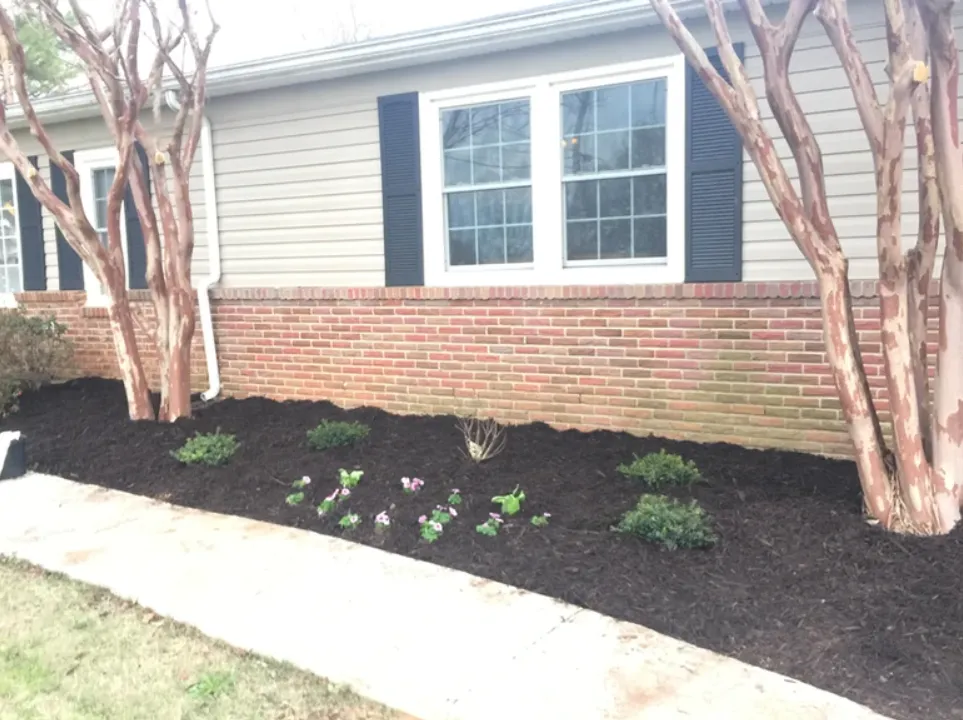
Mulch does more than make beds look nice. It's a powerful weed blocker that pros rely on as part of every landscape maintenance plan. A properly applied mulch layer creates a physical barrier that blocks sunlight, moderates soil temperature, and suppresses weed seed germination. When combined with other control methods, mulching can reduce landscape bed weeding by 80% or more throughout the growing season.
A thick mulch layer blocks sunlight from reaching the soil. Without light, weed seeds can't germinate. Mulch also keeps soil cooler, which slows weed seed sprouting.
Quality matters more than you'd think. Cheap mulch often contains weed seeds or breaks down too fast. Professional landscapers use clean, disease-free mulch from trusted suppliers.
Apply organic mulches like pine bark or hardwood at 2-3 inches deep. This depth stops most weeds without smothering plant roots. Inorganic mulches like river rock can go slightly thinner at 1-2 inches.
Too much mulch causes problems. Piles deeper than 4 inches trap moisture against plant stems, causing rot. They also create perfect homes for pests and rodents.
Here's a pro secret: apply pre-emergent herbicide first, then add mulch on top. The herbicide stops seeds in the soil, while mulch blocks new seeds from blowing in. This double protection keeps beds nearly weed-free.
According to research from the University of Florida, combining mulch with pre-emergents reduces weed emergence by 95% compared to using either method alone.
Pine bark nuggets last 2-3 years and look natural. Hardwood mulch breaks down faster but adds nutrients to soil. Pine straw works great for acid-loving plants.
For drainage areas and hardscaping projects, river rock or pea gravel provides permanent coverage. These materials don't decompose and work well in high-traffic areas.
Sometimes the old ways work best, especially in sensitive areas. Manual weed removal remains an important tool in professional landscaping, particularly around delicate plants, vegetable gardens, and areas where chemical applications aren't appropriate. While hand-weeding takes more time and labor than spraying, it offers precision that chemicals can't match. Smart landscapers know when to reach for the hand tools instead of the spray bottle.
Pull weeds after rain when soil is soft. Wet soil releases roots easily, removing the entire weed in one pull. For stubborn weeds, use a dandelion knife or hand weeder to dig out tap roots completely.
Focus on young weeds before they flower and spread seeds. One dandelion plant produces up to 20,000 seeds that blow across your yard. Pulling early stops that multiplication.
Pros keep several hand tools ready. Long-handled weeders save backs on large jobs. Hand trowels work great in tight spaces around plants. Hula hoes slice weeds just below soil surface for fast clearing.
For landscape beds, shallow cultivation removes annual weeds without disturbing deep-rooted plants. String trimmers handle weeds along fences and edges where mowers can't reach.
Chemical-free methods protect pets, kids, and beneficial insects. Hand-weeding works perfectly for organic gardens and around water features where herbicides aren't safe.
Manual removal also lets you inspect plants closely. You'll spot pest problems, diseases, or irrigation issues while weeding.
The smartest landscapers use something called IPM, a strategy that combines multiple methods for long-term success. Integrated Pest Management isn't just about killing weeds. It's about creating conditions where weeds struggle to grow in the first place. This approach reduces chemical dependence, protects the environment, and often costs less over time than constant spraying. Professional companies that embrace IPM principles deliver healthier landscapes with fewer ongoing weed problems.
Integrated Pest Management means using the least toxic methods first, then adding stronger controls only when needed. It's about working with nature instead of against it.
The U.S. Environmental Protection Agency supports IPM because it reduces chemical use while maintaining beautiful landscapes. This approach protects water quality, soil health, and beneficial organisms.
First, pros identify exactly what weeds are growing. Different weeds need different controls. Next, they monitor weed populations to decide if treatment is necessary. Light weed pressure may not require any action.
Then they choose the least toxic control that will work:
Chemicals are the last resort when other methods haven't worked.
Healthy, thick grass naturally resists weeds. Pros maintain proper mowing height - never cutting more than one-third of grass blade length at once. Taller grass shades soil and prevents weed seed germination.
Proper watering matters too. Deep, infrequent watering grows strong grass roots. Shallow, frequent watering favors weeds over grass.
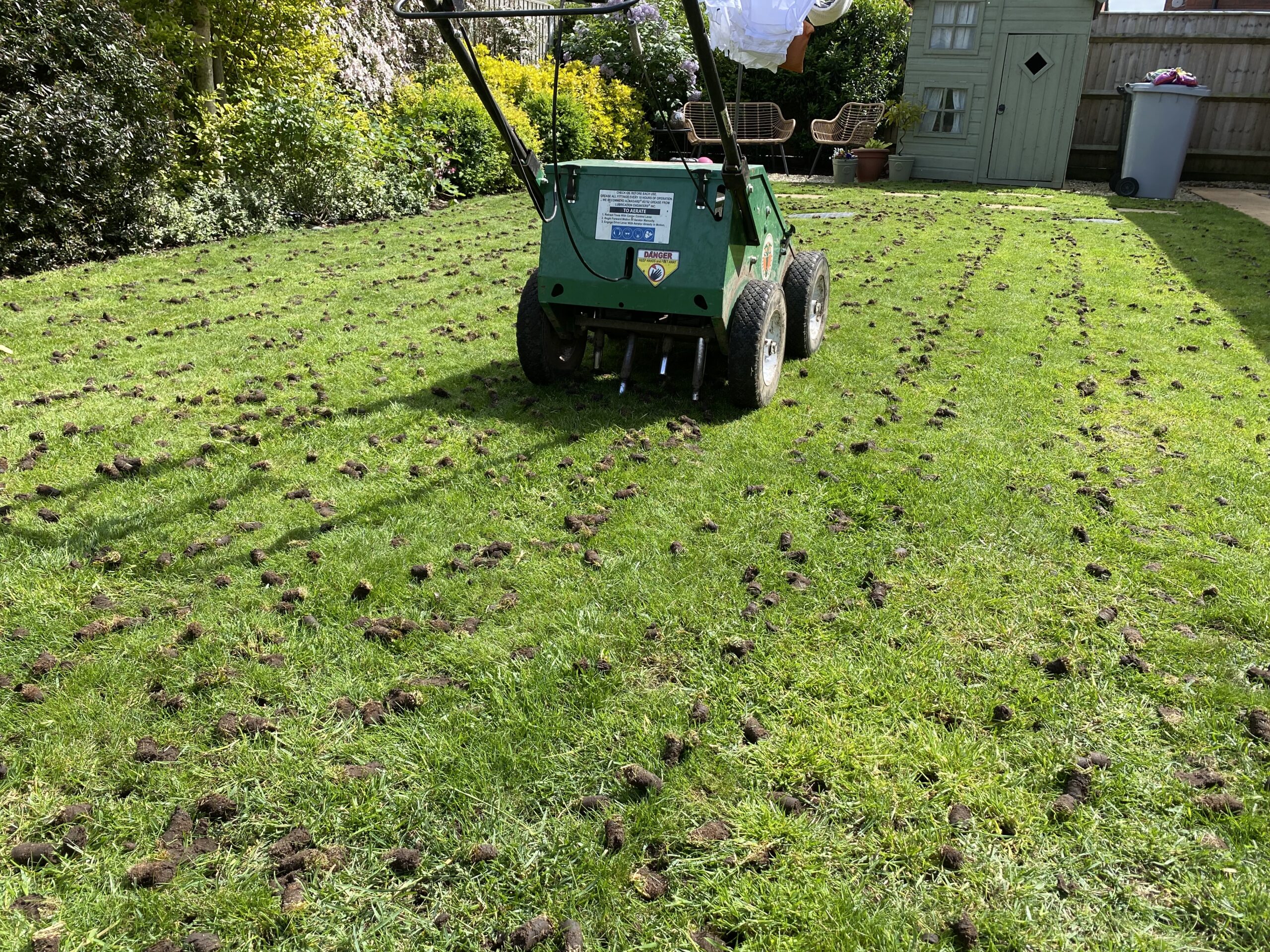
Testing soil reveals nutrient deficiencies that weaken grass. Adding the right fertilizer at the right times strengthens turf. Aeration relieves compaction and helps roots grow deep.
Soil amendment services fix drainage problems that stress plants. Stressed plants leave bare spots where weeds move in quickly.
Landscape beds need different care than lawns because they contain varied plants with different needs. You can't just spray a lawn herbicide across flower beds and expect good results. Professionals use specialized techniques and products designed specifically for ornamental plantings. These methods protect valuable shrubs, perennials, and trees while still controlling weeds effectively. The key is precision and plant knowledge.
Pros use extreme caution with herbicides near flowers, shrubs, and trees. Even small amounts of spray drift can damage sensitive ornamental plants. Selective herbicides don't work as well in mixed plantings.
The solution is targeted spot-treatment. Professionals use shield guards on sprayers to direct spray only onto weeds. Some use wick applicators that paint herbicide directly on weed leaves.
Landscape fabric blocks weeds mechanically but has drawbacks. It prevents organic matter from reaching soil. Over time, dirt collects on top of fabric where weeds grow anyway.
Most professional landscapers prefer thick organic mulch over fabric. Mulch adds nutrients as it breaks down and improves soil structure. It's also easier to work around existing plants.
Dense ground covers like mondo grass or creeping thyme choke out weeds naturally. Once established, these plants leave no room for weeds to grow.
Proper plant spacing matters too. Closely spaced shrubs and perennials shade soil and reduce weed opportunities. When planning your landscape design, think about how plants will fill in and cover bare soil.
Following the right schedule separates amateur efforts from professional results. Weed control isn't a one-time event. It's an ongoing program that follows seasonal cycles and plant growth patterns. Professional landscapers track soil temperatures, monitor weed emergence, and time applications to match biology rather than convenience. This scientific approach to scheduling delivers consistent, long-term weed suppression that random applications simply can't match.
February-March: Apply first pre-emergent treatment when soil hits 55 degrees. Target crabgrass and other summer annual weeds.
April-May: Spot-treat any winter weeds with post-emergent sprays. Add mulch to beds after spring cleanup.
June-August: Monitor for breakthrough weeds. Spot-treat as needed. Avoid heavy chemical applications during heat stress.
September-October: Apply fall pre-emergent to block winter weeds. Treat existing broad-leaf weeds because they're easier to kill in fall.
November-January: Light maintenance only. Pull any visible weeds. Plan next year's strategy.
Southern landscapes face year-round weed pressure. Properties in warm climates need 4-6 treatments annually. Northern zones with true winter dormancy may need only 2-3 applications.
Local conditions determine timing more than calendar dates. Track soil temperature and grass growth stages instead of following rigid schedules. If you're dealing with persistent weed infestations, professional help can identify the specific timing your property needs.
Professional companies keep detailed records for every property. They note what was applied, when, where, and results. This data helps refine strategies year after year.
Property maps identify problem areas needing extra attention. They also mark sensitive zones where chemicals shouldn't be used. Good record-keeping prevents mistakes and improves efficiency.
Responsible weed control protects people, pets, and the planet. Professional landscapers take safety seriously because herbicides can cause harm when misused. They follow strict protocols for mixing, applying, and storing products. They understand wind patterns, water movement, and ecosystem impacts. This careful approach keeps families safe while still delivering weed-free landscapes. Good companies view environmental stewardship as just as important as weed control effectiveness.
Read every label completely before using any herbicide. Labels explain legal requirements for safe use. They specify exact mixing ratios, application rates, and safety precautions.
Wear protective equipment - gloves, long sleeves, and eye protection at minimum. Store products in original containers away from children and pets. Never store near food or animal feed.
Herbicides can wash into storm drains and contaminate water supplies. Never apply before heavy rain. Follow label setback requirements around streams, ponds, and wells.
Avoid treating near bird feeders, butterfly gardens, or bee-friendly plants. Many herbicides harm beneficial insects that pollinate plants and control pests.
Keep pets and children off treated areas until products dry completely - usually 2-4 hours. Post-emergent sprays need 24-48 hours to fully absorb into weeds.
Water treated areas as directed on labels. Watering activates some products but can dilute others. Always follow product-specific instructions.
Properties near water features, food gardens, or play areas benefit from organic approaches:
Organic methods require more frequent applications but eliminate chemical concerns. They work well for homeowners dealing with dead gardens who want to rebuild healthy, chemical-free soil.

Top landscaping companies use additional methods that homeowners rarely know about. These specialized techniques handle unique situations where standard herbicides don't work well or aren't appropriate. From flame weeding to biological controls, professionals have an expanded toolbox for challenging weed problems. While not needed on every property, these advanced methods solve specific issues that would otherwise require constant manual labor or heavy chemical use.
Professional flame weeders use propane torches to kill weeds in pavement cracks and gravel areas. Heat ruptures plant cells, causing weeds to die within days. This method avoids chemicals entirely.
Use flame weeding only in dry, safe conditions. Keep fire extinguishers nearby. It works best on young weeds before they develop deep roots.
Commercial steam generators kill weeds with superheated water. The extreme temperature destroys weed tissue without chemicals. This method works great around playgrounds and near water features.
Equipment costs make steam treatment practical only for large commercial operations. Small-scale homeowners stick with more affordable methods.
Solarization uses clear plastic sheeting to trap heat and cook weed seeds in soil. Place plastic over bare soil during the hottest part of summer. Leave it for 4-6 weeks.
Soil temperatures under plastic reach 140+ degrees, killing seeds, pests, and diseases. This method prepares new bed areas or rehabilitates problem spots.
Some landscapers release beneficial insects that eat weed seeds or damage weed plants. Weevils control certain invasive aquatic weeds. Sheep and goats graze down unwanted vegetation on large properties.
Biological controls work slowly but provide long-term suppression. They're most useful for specific problem weeds, not general landscape maintenance.
Hiring pros gets better results than doing it yourself, especially for larger properties. Professional weed control companies bring expertise, commercial-grade products, and consistent scheduling that busy homeowners struggle to maintain. They understand local weed species, climate patterns, and proper product selection. While DIY weed control is possible, the time investment and learning curve make professional services a smart choice for many property owners who want consistently beautiful landscapes without the hassle.
Quality companies start with property inspection and weed identification. They'll create a custom treatment plan based on your specific weeds and landscape goals.
Most services offer programs with 4-6 visits per year. Each visit includes appropriate treatments for that season plus monitoring and spot-treating between scheduled applications.
Ask about products they use and why. Request copies of product labels so you can research ingredients. Find out if they're licensed and insured for pesticide application.
Discuss their approach to sensitive areas. Good companies customize plans around pets, children, water features, and organic garden zones.
Professional weed control typically costs $50-150 per application for average residential properties. Annual programs run $300-800 depending on property size and services included.
Compare this to the cost of products, equipment, and your time for DIY approaches. Factor in better results from proper timing and expertise. Many homeowners save money hiring professionals.
Pros have commercial-grade products stronger than retail versions. They buy materials in bulk at lower costs. Most importantly, they know exactly when and where to apply treatments for maximum effectiveness.
Professional landscape installation services include weed management as part of comprehensive care. This integrated approach maintains beautiful, healthy landscapes year-round with minimal weed problems.
Even experienced property owners make errors that reduce weed control effectiveness. These mistakes waste money, harm landscapes, and leave you frustrated with poor results. Understanding what not to do is just as important as knowing proper techniques. Professional landscapers have learned through experience which approaches fail and why. Avoiding these common pitfalls saves you time, money, and the disappointment of watching weeds return despite your best efforts.
More isn't better with herbicides. Over-application wastes money and can damage desirable plants. Under-application doesn't kill weeds effectively and may breed resistant populations.
Follow label rates exactly. Use measuring tools for accurate mixing. Don't eyeball quantities - precision matters.
Applying pre-emergents after weeds emerge won't help - they only stop seeds from sprouting. Post-emergents need active growth to work - they're ineffective on dormant weeds.
Check weather forecasts before applying anything. Rain within 24 hours washes away products before they work. Freezing temperatures, excessive heat, and high winds all reduce effectiveness.
Not all weeds respond to the same treatments. Nutsedge laughs at products that kill dandelions. Grassy weeds need different herbicides than broad-leaf weeds.
Take time to identify specific weeds or photograph them for professional advice. Using the wrong product wastes time and money.
One application rarely solves weed problems permanently. Weed seeds blow in constantly. They hide in soil for years waiting for the right conditions.
Consistent follow-through with scheduled treatments keeps landscapes weed-free. Skipping spring pre-emergent treatment guarantees summer crabgrass problems.
Professional landscapers control weeds using a smart combination of methods. Pre-emergent herbicides stop seeds from sprouting. Post-emergent sprays kill existing weeds. Proper mulching blocks sunlight and smothers weed growth. Hand-weeding removes stubborn problems without chemicals. The best results come from using multiple approaches together based on specific landscape needs.
Timing matters as much as product choice. Apply pre-emergents when soil temperature hits 55 degrees, usually late winter or early spring. Treat existing weeds during active growth periods in spring and fall. Follow consistent schedules rather than random applications.
Creating truly weed-free landscapes takes knowledge, proper products, and consistent effort. While dedicated homeowners can achieve good results, professional services offer expertise and convenience that saves time and often money in the long run.
Ready to enjoy a beautiful, weed-free landscape without the hassle? Contact White Shovel Landscapes today for a free consultation. Our expert team serves Huntsville, Madison, and surrounding Alabama areas with comprehensive landscape solutions.
Get the latest landscaping tips, seasonal care guides, and exclusive offers delivered straight to your inbox. Don’t miss out on expert advice and ideas to transform your outdoor spaces.
Sign Up for Our Newsletter Today!


Stay inspired with our latest landscaping tips and trends.