Providing Best Services in Huntsville & Madison, AL


Follow us on Social.





May 18, 2026

3 Min

Lawn Care
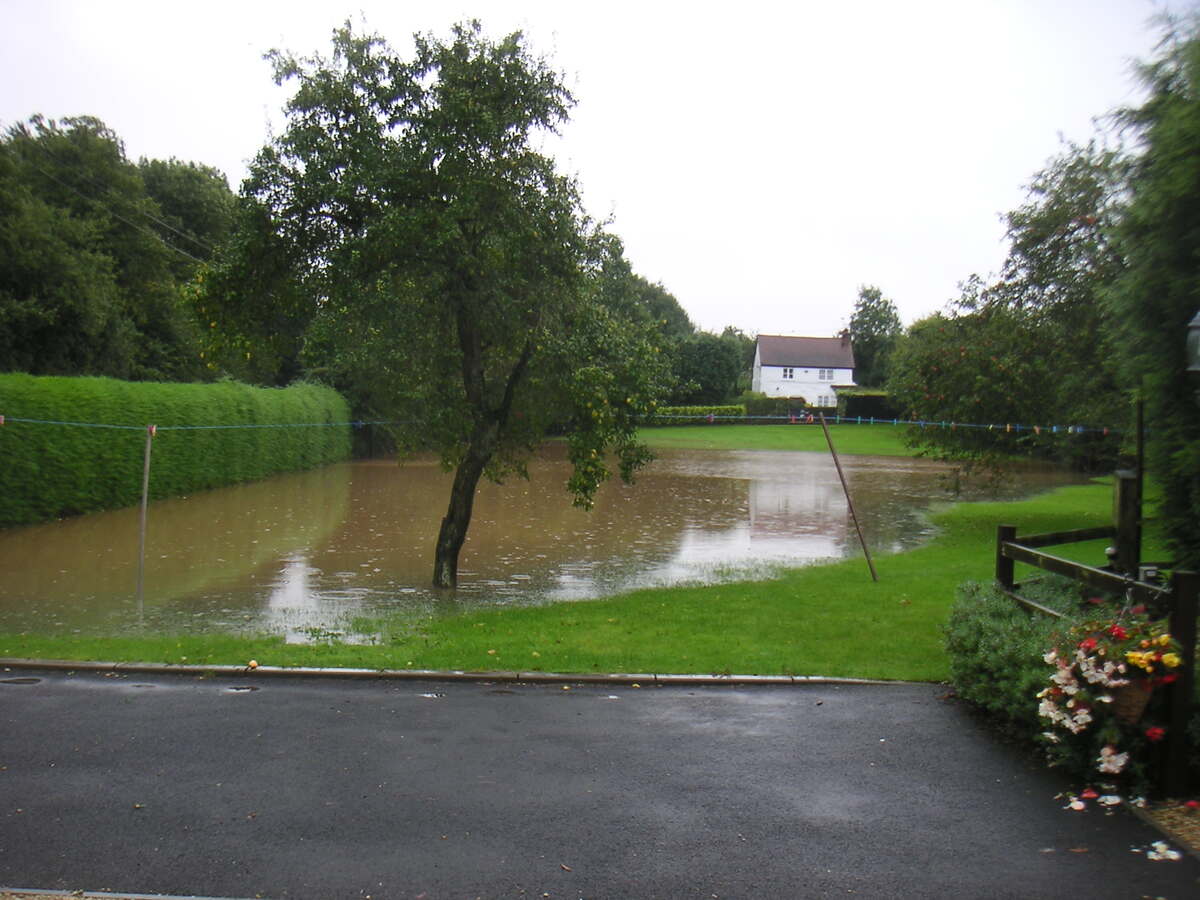
Lawn Recovery After Water Damage
A water-damaged lawn can recover with proper drainage correction, soil aeration, reseeding, and nutrient replenishment, though grass submerged for more than 7 to 10 days will likely need full replacement.
A water-damaged lawn can bounce back with the right steps, but timing and technique matter a lot. Grass that sat underwater for less than a week has a strong chance of recovery, while grass submerged for more than 7 to 10 days is almost certainly dead, according to turfgrass researchers at the University of Minnesota. The key is to act fast, fix what caused the water damage in the first place, and give your lawn what it needs to heal.
In this article, we cover how water damage harms your grass at the root level, what an overwatered lawn looks like, how to bring waterlogged grass back to life, and when it is time to start over with new sod or seed. We also explain the connection between poor drainage, soil compaction, and recurring water damage, so you can stop the problem from happening again.
How Water Damage Affects Your Lawn and Grass Roots
Water damage hurts your lawn by pushing oxygen out of the soil. Healthy soil is about 50 percent solid particles and 50 percent pore space, according to the USDA Natural Resources Conservation Service (NRCS). That pore space is supposed to hold a mix of air and water. When flooding or heavy rain saturates the ground completely, water fills every pocket of air. The roots can no longer breathe.
Grass roots need oxygen for a process called cellular respiration. Without it, roots weaken, shrink, and eventually die. Research from the University of Massachusetts found that compacted, waterlogged soil can reduce nutrient uptake by 10 to 30 percent. That means even grass that survives the flooding comes out of it starving for food.
Water temperature also plays a role. Turfgrass researchers at the University of Minnesota report that warm standing water, above 80 degrees Fahrenheit, can kill grass in just a few days. Cooler water gives the lawn a little more time, but no grass can survive indefinitely under standing water.
On top of all that, floodwater often carries weed seeds, soil sediment, and fungal spores into your yard. Pythium blight, brown patch, and root rot are common diseases that show up after water damage. These standing water problems compound quickly if you do not act.
What Does an Overwatered Lawn Look Like?
An overwatered lawn looks yellow, mushy, and lifeless. The grass blades lose their deep green color and start to wilt even though the ground is soaking wet. You may notice a spongy feeling when you walk on it, almost like stepping on a wet sponge.
Other signs include mushrooms or fungal patches popping up on the surface, a thick layer of thatch that feels matted down, and bare spots where grass has completely died off. If you pull up a handful of grass and the roots are brown and mushy instead of firm and white, that section of lawn is dead. Puddles that sit for hours after rain are a clear signal that the soil underneath is compacted and cannot absorb water properly.
Weeds are another telltale sign. According to the University of Illinois Extension, over 90 percent of common weeds are spring germinators. When floodwater deposits weed seeds across your lawn, you can expect a wave of invasive plants the following season if you do not address it.
Can Grass Recover From Too Much Water?
Yes, grass can recover from too much water if the roots are still alive and the waterlogging lasted less than about a week. Turfgrass experts at the University of Minnesota say that grass submerged for fewer than 7 days has a reasonable chance of bouncing back, depending on water temperature, soil type, and grass species. However, grass that was underwater for 10 days or more is almost always dead and will need to be replaced.
The recovery process takes patience. After the water drains away, wait 7 to 10 days and look for new green growth. If green blades start poking through, the crown of the grass plant is still alive and recovery is possible. If no green tissue shows up in that window, those areas will need reseeding or new sod.
Here in North Alabama, our clay-heavy soils hold onto moisture longer than sandy soils in other regions. That means water damage tends to linger, and proper drainage becomes even more important for long-term lawn health.
Professional drainage solutions stop water from pooling and give your grass a fighting chance to recover.
How to Recover Waterlogged Grass Step by Step
Recovering waterlogged grass takes a clear plan and some patience. Here is how to do it the right way.
Step 1: Stay Off the Lawn While It Is Wet
The first and most important step is to leave the lawn alone while it is saturated. Walking on wet soil pushes the particles closer together and makes compaction worse. Heavy equipment like riding mowers can cause serious damage to soggy ground. Wait until the surface is dry enough that your footprint does not leave an impression before you start working on it.
Step 2: Clear Debris and Sediment
Floodwater often leaves behind branches, trash, silt, and mud. Remove all large debris by hand first. If a layer of sediment covers the grass, wash it off with a gentle spray from a garden hose as soon as possible. According to the University of Illinois Extension, removing silt quickly lets grass blades start producing energy again through photosynthesis, which speeds up recovery.
Step 3: Aerate the Soil
Core aeration is one of the single best things you can do for a water-damaged lawn. A core aerator pulls small plugs of soil out of the ground, which creates channels for air, water, and nutrients to reach the roots. Iowa State University Extension recommends making multiple passes to get 20 to 40 holes per square foot for the best results.
Wait until you see new growth starting before you aerate. The soil should be moist but not dripping wet. Do the squeeze test: grab a handful of soil and squeeze it. If water drips out, wait another day or two. If the soil holds together but crumbles when you poke it, it is ready.
Step 4: Apply a Light Fertilizer
Floodwater strips nitrogen and other nutrients from the soil. A light application of nitrogen-based fertilizer helps feed the recovering grass without overwhelming it. The University of Minnesota Extension recommends light rates of fertilizer after aeration to support short-term recovery. Do not over-apply. Too much fertilizer on stressed grass can burn the roots and make things worse.
Step 5: Overseed or Re-Sod Bare Patches
After a couple of weeks, take stock of what survived. If 60 percent or more of the lawn is recovering, you can reseed or re-sod the bare areas. If less than 40 percent came back, you may be better off starting fresh with an entirely new lawn. The best time to seed in warm-season climates is late spring or early summer, when the grass is entering its peak growth period. For cool-season grasses, early fall gives new seed the best chance of success.
A fresh landscape installation can completely transform a yard that was damaged beyond patching.
How to Revive Overwatered Grass
Reviving overwatered grass starts with stopping the water source. If the damage came from an irrigation system, turn it off immediately and do not water again until the top 2 to 3 inches of soil are dry. Most lawns need only about 1 to 1.5 inches of water per week, including rainfall.
Once the soil dries out a bit, aerate it. Core aeration creates space for oxygen to get back to the roots. Follow up with a light fertilizer and keep an eye out for fungal diseases. If you see circular patches of dead grass surrounded by healthy turf, that could be pythium blight, which is one of the most common diseases after waterlogging, according to Purdue University Extension. A lawn care contractor can help identify and treat the specific fungus.
Adjust your mowing height, too. Set the mower blade higher than usual and never cut more than one-third of the grass blade at a time. Taller grass develops deeper roots, which makes it more resilient to future water stress.
How Long Does It Take for a Waterlogged Lawn to Recover?
A waterlogged lawn can take anywhere from a few weeks to two full growing seasons to fully recover, depending on how bad the damage was. The University of Illinois Extension notes that satisfactory recovery of a home lawn after water damage can take up to two years. Minor waterlogging from a single heavy rainstorm may bounce back in 2 to 4 weeks with proper aeration and care.
Severe flooding that killed large sections of grass will take longer because you need to rebuild the soil health before new grass can establish itself. The soil microbiome, which includes beneficial bacteria and fungi that help grass absorb nutrients, dies off in waterlogged conditions. Rebuilding that biology takes months, and in some cases, over a year.
What Does Water Damage Do to Soil?
Water damage compacts soil, destroys its structure, and washes away nutrients. When heavy water sits on the ground, it presses soil particles together, shrinking the pore spaces that roots, water, and air need to move through. The USDA NRCS explains that unhealthy, compacted soil can lose its pore space to the point where two-thirds or more of the soil volume is solid particles, leaving almost no room for air or water.
Floodwater also leaches nitrogen, phosphorus, and potassium out of the topsoil. These are the three primary nutrients grass needs to grow. Without them, even grass that survived the flooding will struggle to green up and fill in. Repeated exposure to heavy water flow also strips away topsoil itself, causing yard erosion that gets worse with every storm.
Sediment deposits from flooding can smother grass and create a hard, crusty layer on top of the soil that blocks water infiltration. If you have noticed that water pools on your lawn's surface instead of soaking in, that is a sign of severe compaction or sediment buildup. Muddy yards are often a direct result of soil that has been damaged by repeated water exposure.
How to Fix Overwatering Fast
The fastest way to fix overwatering is to stop watering immediately, let the soil dry out naturally, and then aerate as soon as conditions allow. Do not add more water, even if the grass looks wilted. Wilting in wet soil means the roots are drowning, not drying out.
If your lawn has an irrigation system, check for leaks, misaligned sprinkler heads, and incorrect scheduling. Many cases of overwatering come from sprinklers running on a timer regardless of recent rainfall. A simple rain gauge can help you track how much water your lawn is actually getting.
For faster results, combine aeration with a thin layer of compost topdressing. Compost introduces beneficial microorganisms back into the soil and improves its structure at the same time. According to research from Clemson University, core aeration is better than spike aeration for long-term lawn health because it removes actual plugs of soil rather than just poking holes that can make compaction worse.
The Connection Between Poor Drainage and Recurring Lawn Damage
Poor drainage is the number one reason lawns suffer repeated water damage. If your yard does not move water away from the grass efficiently, every heavy rainstorm becomes a potential disaster. Alabama receives an average of about 56 inches of rainfall per year, according to the Alabama Office of the State Climatologist at the University of Alabama in Huntsville. In the Huntsville area, the heaviest rainfall typically comes between November and April. That is a lot of water hitting your lawn during the cooler months when grass growth slows down.
French drains, surface drains, and proper yard grading are the most effective ways to fix drainage problems permanently. A French drain, for example, uses a gravel-filled trench with a perforated pipe to redirect water away from problem areas. Drainage systems like these stop water from pooling before it has a chance to damage your grass.
The EPA reports that the amount of precipitation during heavy rainstorms in the Southeast has increased by 27 percent since 1958. That trend is expected to continue, which makes proper drainage more important than ever for protecting your lawn and your home's foundation.
How Poor Drainage Can Lead to Foundation Issues
Poor drainage does not just hurt your lawn. It can damage your home's foundation over time. When water collects around the base of a house, it seeps into the soil next to the foundation walls and creates hydrostatic pressure. That pressure can cause cracks, shifting, and expensive structural repairs. FEMA data shows that flooding has impacted 99 percent of U.S. counties between 1996 and 2019, and nearly one-third of National Flood Insurance Program claims come from areas outside high-risk flood zones. You do not have to live in a flood plain to have water damage problems.
Addressing yard drainage protects both your landscape and your biggest investment, your home.
Comparison: Lawn Recovery Methods After Water Damage
Recovery Methods for Water-Damaged LawnsRecovery MethodBest ForTime to See ResultsKey BenefitCore AerationCompacted, waterlogged soil2 to 4 weeksRestores oxygen and drainage to root zoneOverseedingLawns with 40%+ surviving grass4 to 8 weeksFills bare patches and thickens turfSod ReplacementLawns with less than 40% surviving grass2 to 3 weeks for root establishmentInstant coverage and faster full recoveryFrench Drain InstallationRecurring standing water or floodingImmediate water redirectionPrevents future water damage permanentlySoil Amendment (Compost/Topdressing)Nutrient-depleted, compacted soil4 to 12 weeksRebuilds soil biology and structureLight Nitrogen FertilizerGrass recovering from flood stress1 to 3 weeksReplenishes nutrients leached by floodwater
Sources: University of Minnesota Extension, Iowa State University Extension, University of Illinois Extension, Clemson University Extension.
Can I Just Throw Grass Seed on Existing Grass?
You can throw grass seed on existing grass, but the results will be much better if you aerate first. Seed that lands on top of compacted or thatch-covered soil has poor contact with the ground and is less likely to germinate. Iowa State University Extension notes that combining overseeding with aeration dramatically improves germination success because the aeration holes give seeds a place to settle into the soil where they can get moisture and warmth.
For the best results, aerate the lawn first, then broadcast the seed, and follow up with a light layer of compost or topsoil to cover the seeds. Water gently and consistently until the new grass is established. Avoid heavy foot traffic on newly seeded areas for at least 4 to 6 weeks.
What Are the Common Mistakes When Laying Grass Seed?
The most common mistakes when laying grass seed are seeding at the wrong time of year, skipping soil preparation, watering incorrectly, and mowing too soon. Seeding warm-season grasses like Bermuda in cool weather, or seeding cool-season grasses like fescue in the middle of summer, sets the seed up for failure. The grass needs favorable temperatures to germinate and establish roots before extreme weather arrives.
Skipping aeration before seeding is another big mistake. Seeds that sit on top of hard, compacted soil cannot make root contact. They dry out, blow away, or get eaten by birds. Overwatering new seed is just as harmful as underwatering it. The soil should stay consistently moist but not soaked. And finally, mowing new grass too early or cutting it too short stresses the young plants before their roots are ready. Wait until the new grass reaches at least 3 to 4 inches tall before the first mow, and set the blade high.
How to Prevent Future Water Damage to Your Lawn
Preventing future water damage comes down to three things: good drainage, healthy soil, and proper lawn care habits.
Fix Drainage Problems First
If water pools in your yard after every rain, no amount of aeration or reseeding will solve the problem long-term. You need a drainage system that moves water away from your lawn and foundation. French drains, dry creek beds, and surface drains are all proven solutions. A professional site assessment can pinpoint exactly where the water is coming from and where it needs to go. We have installed over 500 drainage systems and have seen firsthand how the right system changes everything for a property.
Build Healthy Soil
Healthy soil absorbs water like a sponge and drains the excess away. Compacted soil does the opposite. Annual aeration, regular organic matter additions, and avoiding heavy traffic on wet ground all help keep soil structure intact. A soil amendment program that adds compost and organic material rebuilds the biology that makes soil work the way it should.
Water Correctly
Most lawns only need about 1 to 1.5 inches of water per week, including rainfall. Water deeply and less often rather than a little bit every day. Deep watering encourages roots to grow down into the soil where they are more protected from drought and flooding. Shallow, frequent watering trains roots to stay near the surface, which makes them more vulnerable to every problem water damage causes.
How a Well-Maintained Lawn Protects Your Home's Value
A healthy, green lawn does more than look good. It protects the value of your home. Research from Virginia Tech found that homes with well-designed landscaping see a value increase of 5.5 to 12.7 percent compared to homes with poor or no landscaping. The American Society of Landscape Architects (ASLA) puts that number even higher, saying professional landscaping can boost a home's resale price by 15 to 20 percent.
According to the National Association of Realtors (NAR), 71 percent of homebuyers consider curb appeal when deciding on a home. A water-damaged, brown, patchy lawn sends the wrong message. Investing in lawn recovery and proper landscape design is one of the smartest moves a homeowner can make.
Frequently Asked Questions
What Month Do You Stop Watering Your Lawn?
You stop watering your lawn when the grass goes dormant, which depends on your grass type and climate. In the Southeast, warm-season grasses like Bermuda and zoysia typically go dormant in late November or early December. Cool-season grasses may slow down during the hottest summer months. Once the grass stops actively growing, it needs very little water. Continuing to water dormant grass wastes resources and can lead to fungal problems.
Is October Too Late to Put Down Grass Seed?
October is not too late to put down grass seed for cool-season grasses like fescue or ryegrass in most of the Southeast. In fact, early fall is one of the best times to seed because temperatures are cooler, rainfall is more consistent, and weed competition drops. For warm-season grasses like Bermuda, October is too late because the grass will not have enough time to establish before winter dormancy.
Is October Too Late to Fertilize Grass?
October is not too late to fertilize grass in most cases. A fall fertilizer application helps strengthen roots heading into winter and gives the lawn a head start in the spring. For warm-season grasses, apply a potassium-rich fertilizer in early to mid-fall to support root health. For cool-season grasses, a nitrogen application in October encourages thicker, greener growth.
What Can I Put on My Grass to Bring It Back to Life?
You can put a balanced nitrogen fertilizer on your grass to bring it back to life after water damage. Combine it with core aeration to help the nutrients reach the root zone. For severely damaged lawns, adding a thin layer of compost on top helps rebuild the soil's microbial community and provides slow-release nutrients. Consistent watering at the right amount, about 1 to 1.5 inches per week, gives the grass what it needs to recover without creating new water problems.
Does Baking Soda Help Revive Grass?
Baking soda does not reliably revive grass. While some homeowners use it as a home remedy for fungal patches, there is no scientific evidence from university research or extension services showing that baking soda effectively restores damaged lawns. Your best options for reviving grass are aeration, proper fertilization, and correcting the underlying drainage or watering issue that caused the damage in the first place.
What Are the Signs of Too Much Water in a Yard?
The signs of too much water in a yard include standing puddles after rain, a spongy or mushy feel when you walk on the lawn, yellow or wilting grass, mushrooms or mold growth on the soil surface, increased weed activity, and a thick, matted thatch layer. If you notice water pooling near your home's foundation, that is an even more urgent sign that drainage needs to be addressed to prevent structural damage.
Putting It All Together
Lawn recovery after water damage is absolutely possible, but it takes the right approach at the right time. Start by letting the lawn dry, clear debris, aerate the soil, and feed it with a light fertilizer. Watch for signs of life over the next couple of weeks and reseed or re-sod any areas that do not come back. Most importantly, fix the drainage problem that caused the damage so your lawn does not go through this cycle again.
If your yard has recurring water problems, bare patches that will not fill in, or erosion that keeps getting worse, professional help makes a real difference. White Shovel Landscapes has been solving these exact problems for homeowners since 2011. Give us a call at 256-612-4439 to set up a free estimate and get your lawn back on track.



You May Also Like


Sep 12, 2026
3 min
How to Keep Landscape Edging Straight

Sep 11, 2026
3 min
How to Decorate a Patio: Ideas for 2025 and 2026
Sep 9, 2026
3 min
How to Trim Around Landscape Edging
Sep 7, 2026
3 min
What Does a Lawn Look Like After Aeration
Have a Project in Mind?
If this post sounds like your yard, tell us about it. Request an estimate online or give us a call, and we’ll talk through what your property needs.




Transforming Huntsville & Madison yards since 2011 with expert landscape design, garden makeovers, mulching, and top-quality installations.


