Providing Best Services in Huntsville & Madison, AL


Follow us on Social.





Sep 2, 2026

3 min

Lawn Care
Does Zoysia Grass Produce Seeds?
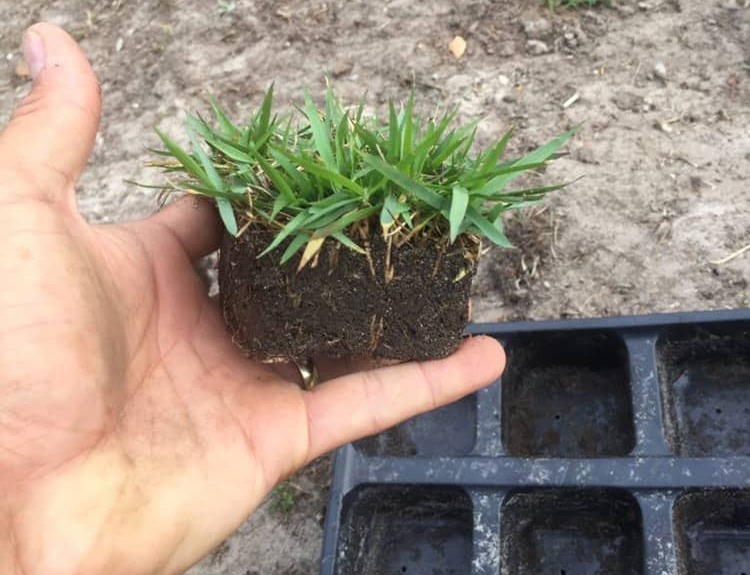
Yes, zoysia grass does come in seeds, but only for specific varieties like Zenith. Most popular zoysia types, like Empire or Meyer, do not produce viable seeds and must be grown using sod, plugs, or sprigs. Zenith Zoysia is the main cultivar available as both sod and seed. Zoysia seeds germinate in 14 to 21 days, but the grass spreads and grows very slowly during the first year. Because it starts slow, hand-weeding is critical to keep weeds from taking over your new lawn before the grass thickens. Zoysia seeds also need direct sunshine to germinate well, so you should not cover them heavily with soil or straw. This article covers which zoysia varieties produce seed, why most do not, how to grow zoysia from seed successfully, and whether seed, plugs, or sod is the right choice for your lawn.
What Types of Zoysia Grass Can You Grow From Seed?
The types of zoysia grass you can grow from seed are limited to Zoysia japonica cultivars, specifically Zenith and Compadre. Zoysia japonica is the species native to East Asia that produces the coarsest leaf blades among the three primary zoysia species, and it is the only species that generates enough seed for commercial harvest. According to the University of Florida IFAS Extension, Zoysia japonica was first introduced to the United States in 1892 from Japan and remains the foundation of all seed-available zoysia cultivars today.
Zenith zoysia is the most widely sold seeded variety. A 2-pound bag of Zenith seed covers approximately 2,000 square feet at the recommended rate of 1 pound per 1,000 square feet, according to Super-Sod. Compadre zoysia is the other seeded option, offering similar characteristics to Zenith with slightly different regional performance. Both Zenith and Compadre feature medium-coarse leaf texture, strong heat tolerance, and the ability to establish from seed within a single growing season under proper conditions.
Zoysia matrella, often called Manilagrass, produces a finer leaf blade and denser turf than Zoysia japonica. Zoysia matrella cultivars include Zeon, Cavalier, and Diamond. These cultivars do not produce viable seed and must be established through sod or plugs. Zoysia pacifica, the third species, is primarily ornamental and rarely used for lawns. Homeowners who want a fine-textured zoysia lawn cannot grow it from seed and must use vegetative establishment methods instead.
Why Do Most Zoysia Varieties Not Produce Viable Seed?
Most zoysia varieties do not produce viable seed because they are interspecific hybrids created through controlled breeding programs. Breeders cross different zoysia species, such as Z. japonica and Z. matrella, to combine desirable traits like fine texture, cold tolerance, and disease resistance into a single cultivar. The resulting hybrids are genetically sterile, meaning they cannot produce fertile seed. According to a 2017 review published in Crop Science by Patton et al., nearly 50 improved cultivars of zoysiagrass have been developed to date, and the majority are vegetatively propagated hybrids.
Sterility in hybrid zoysia cultivars is actually an intentional feature. Sterile varieties channel all their energy into lateral growth through stolons and rhizomes rather than seed production. Stolons are above-ground runners that creep across the soil surface, while rhizomes are underground stems that spread beneath the soil. This growth pattern produces the dense, carpet-like turf that makes zoysia popular for landscape installation projects and high-traffic applications.
Seed production in Zoysia japonica is also naturally limited compared to grasses like bermuda or fescue. Zoysia plants produce relatively small quantities of seed per plant, and those seeds have a hard seed coat that resists germination without scarification treatment. The University of Arkansas Extension notes that zoysia seed costs approximately $20 per pound of pure live seed, significantly more than bermuda or fescue seed, partly because of the difficulty in harvesting and processing zoysia seed commercially.
How Long Does It Take for Zoysia Grass Seed to Come Up?
Zoysia grass seed takes 14 to 21 days to germinate under good growing conditions, according to ScottsMiracleGro. Germination requires consistent soil moisture, soil temperatures above 65°F, and direct sunlight on the seed surface. Covering zoysia seed with soil or straw actually slows germination because zoysia seeds need light exposure to trigger the germination process.
Full coverage from zoysia seed takes significantly longer than germination alone. Super-Sod reports that spreading Zenith zoysia seed at 1 pound per 1,000 square feet produces a good lawn in 2 to 3 months of summer growth. That timeline assumes consistent irrigation, proper fertilization, and effective weed management throughout the establishment period. Bare spots that remain after the first growing season typically fill in during the second summer as the grass spreads laterally through stolons and rhizomes.
The slow establishment timeline of zoysia seed is the primary reason most homeowners and landscapers prefer sod. Sod provides instant coverage and establishes roots within 2 to 3 weeks, according to LawnStarter. Seed requires patience, consistent care, and an acceptance that the lawn will look incomplete for several months before reaching full density.
Is Zoysia Difficult to Grow From Seed?
Yes, zoysia is more difficult to grow from seed than most other turfgrasses. The University of Maryland Extension describes zoysia seed establishment as "multiple times more difficult than growing cool-season seeds like fescue." Three factors create this difficulty: slow germination speed, aggressive weed competition during the establishment window, and the limited number of seed-available varieties.
Weed competition is the biggest challenge during zoysia seed establishment. Because zoysia seed must be planted in late spring or early summer when soil temperatures reach 65-75°F, the planting window coincides with the peak germination period for crabgrass and broadleaf weeds. Homeowners cannot apply pre-emergent herbicides within 90 days of seeding because the chemicals will inhibit zoysia germination along with weed germination. Hand-weeding and careful weed control during the first 8 to 12 weeks are essential for successful establishment from seed.
Irrigation management adds another layer of complexity. Zoysia seeds require consistent soil moisture without waterlogging during the entire 14-to-21-day germination window. Overwatering promotes fungal disease and washes seed away on slopes. Underwatering dries out the seed before roots can form. The narrow margin between too wet and too dry makes daily monitoring necessary throughout the germination period.
Is It Better to Plant Zoysia Grass Seed or Plugs?
Whether zoysia grass seed or plugs is a better choice depends on budget, timeline, and the specific variety you want. Seed is the least expensive option, plugs offer a middle ground, and sod delivers the fastest results at the highest cost. All three methods produce a healthy zoysia lawn when executed properly, but each carries different trade-offs in establishment time, maintenance intensity, and variety availability.
The cost gap between seed and sod is significant. The University of Arkansas Extension reports that pure live zoysia seed costs approximately $20 per pound, which translates to roughly $900 per acre at the standard seeding rate. Sod for the same acre can run several thousand dollars before labor. That price difference makes seed attractive for large areas, but the 2-season establishment window means more weed management and irrigation expense during the waiting period.
Plugs offer a practical compromise for homeowners who want a specific variety but cannot afford full sod coverage. LawnStarter reports that plugs spaced 6 inches apart fill in within one growing season, while plugs spaced 12 inches apart take 2 to 4 years. The closer the spacing, the faster the coverage, but the higher the upfront material cost. Plugs also allow homeowners to establish premium varieties like Zeon and Empire that cannot be grown from seed.
Homeowners choosing sod should understand that proper installation technique matters. Avoiding common sod installation mistakes like failing to water within the first hour or leaving air gaps between pieces saves significant time and money on repairs. For large areas in North Alabama where sod cost would be prohibitive, seed makes the most financial sense. Seed requires more effort during establishment, but the long-term result is the same dense, durable zoysia turf. Professional sod installation eliminates the guesswork and provides immediate erosion control, which matters on sloped properties or areas prone to washout.
Can You Put Zoysia Seed in an Existing Lawn?
Yes, you can put zoysia seed in an existing lawn through a process called overseeding. Overseeding zoysia into an existing lawn works best when the current grass is thin, patchy, or primarily composed of weeds that zoysia will eventually crowd out. The key requirement is ensuring the seed makes direct contact with soil rather than sitting on top of thatch or dense grass blades.
Successful overseeding with zoysia seed requires specific preparation steps. Mow the existing lawn to 1 inch or shorter before seeding. Dethatch or core aerate the lawn to open the soil surface and create gaps where seed can reach the ground. Avoid applying any pre-emergent herbicide for at least 90 days before overseeding because the chemical will prevent zoysia germination along with weed germination.
Homeowners should expect a mixed-grass appearance for the first one to two growing seasons. The existing grass will remain visible while the zoysia slowly fills in and begins to compete. Over time, established zoysia crowds out weaker grasses through its dense stolon and rhizome network. Repairing bare spots with zoysia plugs alongside seeding accelerates coverage in the thinnest areas.
What Is the Best Month to Plant Zoysia Grass?
The best month to plant zoysia grass is May through June in most of the southern and transition zones. Planting timing depends on soil temperature rather than calendar date. Zoysia seed germinates best when soil temperatures reach 65-75°F consistently, and daily air temperatures stay in the 70s or higher. ScottsMiracleGro recommends planting at least 60 days before the first expected fall frost to give seedlings enough time to establish before winter dormancy.
In North Alabama, the transition zone climate creates a planting window from mid-May through early July for zoysia seed. Sod can be installed from late spring through early September because established sod roots more quickly than seed germinates. Plugs follow the same late-spring-through-early-summer window as seed, with earlier planting providing more growing time before fall.
How Do You Prepare Soil for Zoysia Seed?
Preparing soil for zoysia seed starts with a soil test. Zoysia prefers slightly acidic soil with a pH between 6.0 and 6.5, according to ScottsMiracleGro. Local extension offices provide inexpensive soil testing, and results typically arrive within two weeks. Soil outside the ideal pH range needs lime to raise pH or sulfur to lower it, applied at least one month before seeding.
After pH correction, till the top 4 to 6 inches of soil to break up compaction and create a loose seedbed. Remove rocks, sticks, and debris with a hard rake. Level the surface with a soft rake to create a fine, even texture. Properties with standing water or poor runoff should address drainage solutions before seeding, because waterlogged soil kills zoysia seedlings within days. Professional soil amendment services can address deeper compaction or drainage issues that affect long-term grass health. Apply a starter fertilizer formulated for new grass before spreading seed to provide the phosphorus and nitrogen that zoysia seedlings need during the critical first weeks of growth.
How Quickly Will Zoysia Spread?
Zoysia grass spreads slowly compared to bermuda grass and other warm-season turfgrasses. Zoysia's lateral growth occurs through stolons and rhizomes, with mature plants sending runners several feet in a single growing season under ideal conditions. The overall spread rate depends on variety, sunlight exposure, soil fertility, and irrigation frequency. Zoysia's slow vertical growth, which reduces mowing frequency by 40-50% compared to bermuda according to LawnCareGuides, also means slower lateral fill-in.
The slow spread rate is actually one of zoysia's strengths once the lawn is fully established. Zoysia's dense growth habit crowds out weeds naturally without requiring pre-emergent herbicides on mature turf. The root system reaches 6 to 12 inches deep, providing drought tolerance that allows zoysia to survive 4 to 6 weeks without water by entering dormancy, according to LawnCareGuides.
What Will Make Zoysia Grass Spread Faster?
Zoysia grass spreads faster with proper fertilization, adequate sunlight, consistent irrigation, and regular mowing at the correct height. Applying 2 to 3 pounds of nitrogen per 1,000 square feet annually, split across the growing season, supports active stolon and rhizome development. Mowing at 1 to 2 inches encourages lateral spread rather than vertical blade growth. Core aeration once per year cuts through the thatch layer and severs stolons, which stimulates new branching. Each severed stolon tip produces new growth points that multiply the spread rate across the lawn.
Watering zoysia at 1 to 1.5 inches per week during the growing season, delivered in deep, infrequent sessions, promotes the deep root development that supports aggressive lateral spread. Shallow, frequent watering produces shallow roots and slower spread. Zoysia requires at least 6 to 8 hours of direct sunlight daily for maximum spread. Shaded areas will fill in more slowly and produce thinner turf than areas in full sun.
Which Grass Is Better, Bermuda or Zoysia?
Whether bermuda or zoysia grass is better depends on your priorities for maintenance, appearance, and establishment speed. Bermuda establishes faster, costs less from seed, and tolerates heavy traffic exceptionally well. Zoysia produces denser turf, requires less mowing and water, tolerates shade better than bermuda, and crowds out weeds more effectively once established.
- Bermuda germinates within 7 to 14 days and fills in faster than zoysia during the first growing season, making it better for homeowners who need quick coverage.
- Zoysia requires 30-50% less water than bermuda once established, according to LawnCareGuides, making it more practical in drought-prone regions or under water restrictions.
- Bermuda needs mowing every 5 to 7 days during peak growth, while zoysia's slower growth rate means mowing every 10 to 14 days during the same period.
- Zoysia tolerates partial shade with as little as 4 to 5 hours of direct sun, while bermuda requires 6 to 8 hours of full sun and thins significantly in shaded areas.
- Bermuda spreads more aggressively than zoysia, invading flower beds, sidewalks, and neighboring yards faster than zoysia does.
For homeowners choosing between bermuda and zoysia as the best grass type for their lawn, the decision comes down to how much maintenance time and water they are willing to invest. Bermuda rewards active lawn care with fast results. Zoysia rewards patience with a low-maintenance, dense turf that improves year over year.
Will Bermuda Take Over Zoysia?
Bermuda grass will not take over established zoysia grass. Zoysia's dense growth habit and thick stolon network create a turf canopy that bermuda cannot penetrate once zoysia reaches full density. However, bermuda can invade thin or newly planted zoysia because bermuda spreads faster during the establishment phase. Maintaining healthy, thick zoysia turf through proper mowing, fertilization, and irrigation is the best defense against bermuda encroachment. Selective herbicides like fluazifop can target bermuda grass in zoysia lawns without damaging the zoysia.
Which Is Better, Zoysia or Fescue?
Zoysia is better for warm and transition zone climates, while fescue is better for cooler northern regions and heavily shaded yards. Zoysia thrives in summer heat and goes dormant in winter, turning brown from approximately November through March. Fescue stays green through cool weather but struggles in summer heat, often going dormant and thinning during July and August in southern climates.
In transition zones like North Alabama, homeowners face a genuine choice between the two. Fescue provides green color for roughly 10 months of the year but requires overseeding every 2 to 3 years and heavy watering during summer. Zoysia provides green color for approximately 7 to 8 months but requires almost no supplemental care once established. Properties with significant shade under mature trees often perform better with fescue because zoysia requires more direct sunlight for optimal density.
The right choice depends on whether you prioritize year-round green color (fescue) or low-maintenance durability (zoysia). Professional landscape design services can evaluate specific site conditions, including sun exposure, soil type, and drainage patterns, to recommend the grass variety that will perform best on each property.
What Is Zoysia Grass Used For?
Zoysia grass is used for residential lawns, golf course fairways and tees, athletic fields, commercial landscapes, and erosion control applications. The U.S. Department of Agriculture and the Professional Golfer's Association (PGA) refined zoysia cultivars in the 1950s specifically for turfgrass performance, according to Good Nature Organic Lawn Care. That development history explains why zoysia remains a standard choice for golf courses and sports facilities where dense, wear-resistant turf is essential.
- Residential lawns in the southern and transition zones, where zoysia's drought tolerance and low mowing requirements reduce long-term maintenance costs
- Golf course fairways and tees, where zoysia's dense growth creates a surface that holds the ball up for a clean strike
- Athletic fields and sports complexes, where zoysia's traffic tolerance allows heavy use without developing bare spots
- Commercial and institutional landscapes, where reduced mowing and irrigation frequency lowers operating budgets
- Erosion control on slopes and embankments, where zoysia's deep root system (6-12 inches) anchors soil more effectively than shallow-rooted alternatives
Pairing zoysia turf with low-maintenance plants creates a yard that looks polished year-round with minimal effort. Zoysia's versatility comes from its combination of drought tolerance, traffic resistance, and dense growth. Homeowners benefit from the same turf characteristics that make zoysia popular on golf courses, especially the soft, carpet-like feel underfoot and the ability to maintain density with minimal chemical inputs.
Can Atrazine Be Used on Zoysia Grass?
Atrazine is not labeled for home use on zoysia grass. Most consumer atrazine products, including Hi-Yield Atrazine Weed Killer, are only labeled for use on St. Augustine and centipede grass, according to DoMyOwn.com. Applying atrazine to zoysia will not kill the grass outright, but it can stunt growth, prevent new growth, and delay spring green-up, according to The Lawn Mower Guru.
Some professional-grade atrazine products include instructions for application to zoysia at reduced rates, but these products are restricted-use and typically not available to homeowners. The risk of misapplication and turf damage makes atrazine a poor choice for zoysia lawns in most situations. Safer alternatives for weed control in zoysia include prodiamine as a pre-emergent and three-way herbicides containing 2,4-D, dicamba, and mecoprop for post-emergent broadleaf control.
Homeowners who suspect weed problems in their zoysia lawn should focus on maintaining thick, healthy turf as the primary weed defense. Dense zoysia naturally suppresses weeds through canopy shading and root competition. When chemical treatment becomes necessary, selecting herbicides specifically labeled for zoysia prevents unintended turf damage. Professional zoysia spread management combined with proper mowing and fertilization eliminates most weed pressure without herbicide reliance.
Frequently Asked Questions
Does Zoysia Grass Reseed Itself?
Zoysia grass does not reliably reseed itself in a managed lawn setting. While Zoysia japonica varieties produce some seed heads during the growing season, most of those seeds fall in areas already occupied by existing turf and do not establish new plants. Zoysia spreads primarily through stolons and rhizomes rather than seed dispersal. Regular mowing removes seed heads before they mature, further reducing any self-seeding potential.
How Long Does It Take for Zoysia Grass Plugs to Grow?
Zoysia grass plugs take 1 to 4 growing seasons to achieve full coverage, depending on spacing. Plugs planted 6 inches apart typically fill in within one growing season. Plugs planted 12 inches apart require 2 to 4 years of lateral growth before the gaps close completely, according to LawnStarter. Closer plug spacing costs more upfront but delivers full coverage faster, reducing the window where weeds can establish in bare soil between plugs.
What Is the Lifespan of Zoysia Grass?
Zoysia grass is a perennial turfgrass with an indefinite lifespan when properly maintained. A well-managed zoysia lawn can persist for decades without replanting. Zoysia's stolon and rhizome network continuously regenerates the turf from existing growth points, replacing older grass tissue with new growth each season. Lawns established with zoysia plugs or sod in the 1950s and 1960s still exist today in many regions of the United States.
Does Zoysia Grass Need Full Sun?
Zoysia grass performs best in full sun but tolerates partial shade better than bermuda grass. Most zoysia varieties need at least 6 to 8 hours of direct sunlight daily for maximum density and spread rate. Some varieties, particularly Zoysia matrella cultivars like Zeon, tolerate as little as 4 to 5 hours of filtered sunlight. Areas with less than 4 hours of direct sun will produce thin, sparse zoysia turf that is vulnerable to weed invasion and disease.
How Do You Prepare Soil for Zoysia Seed?
Preparing soil for zoysia seed involves testing pH, correcting nutrient deficiencies, tilling the top 4 to 6 inches, removing debris, leveling the surface, and applying starter fertilizer before seeding. Zoysia prefers a pH between 6.0 and 6.5. Apply lime to raise pH or sulfur to lower it at least one month before planting. Loose, well-drained soil with good seed-to-soil contact produces the highest germination rates.
What Is the Best Time to Plant Zoysia?
The best time to plant zoysia is late spring through early summer, after all risk of frost has passed and soil temperatures have reached 65°F or higher. Zoysia grows best in USDA zones 6 through 11, according to ScottsMiracleGro and Lowe's. Fall planting is possible but requires a minimum of 60 days before the first expected frost to allow adequate root establishment before winter dormancy begins.
Putting It All Together
Zoysia grass does produce seeds, but seed availability is limited to Zoysia japonica cultivars like Zenith and Compadre. The majority of popular zoysia varieties are sterile hybrids that require sod or plugs for establishment. Choosing between seed, plugs, and sod comes down to budget, desired variety, and how quickly you need a finished lawn. Seed costs the least but demands the most patience and weed management during the 2-to-3-month establishment window. Sod costs the most but delivers an instant, dense lawn that roots within weeks.
Getting the right grass established on your property starts with understanding your soil, sunlight, and long-term maintenance preferences. Whether you choose zoysia, bermuda, fescue, or a combination, the foundation of a healthy lawn is proper site preparation and the right planting method for your conditions. If you have questions about which grass fits your yard or need help with professional installation, we are happy to help. Reach out to us at White Shovel Landscapes or call 256-612-4439 to schedule a free estimate.



You May Also Like

Sep 12, 2026
3 min
How to Keep Landscape Edging Straight
Sep 11, 2026
3 min
How to Decorate a Patio: Ideas for 2025 and 2026
Sep 9, 2026
3 min
How to Trim Around Landscape Edging
Sep 7, 2026
3 min
What Does a Lawn Look Like After Aeration
Have a Project in Mind?
If this post sounds like your yard, tell us about it. Request an estimate online or give us a call, and we’ll talk through what your property needs.





Transforming Huntsville & Madison yards since 2011 with expert landscape design, garden makeovers, mulching, and top-quality installations.


