Providing Best Services in Huntsville & Madison, AL


Follow us on Social.





Sep 1, 2026


Lawn Care
What does zoysia grass look like
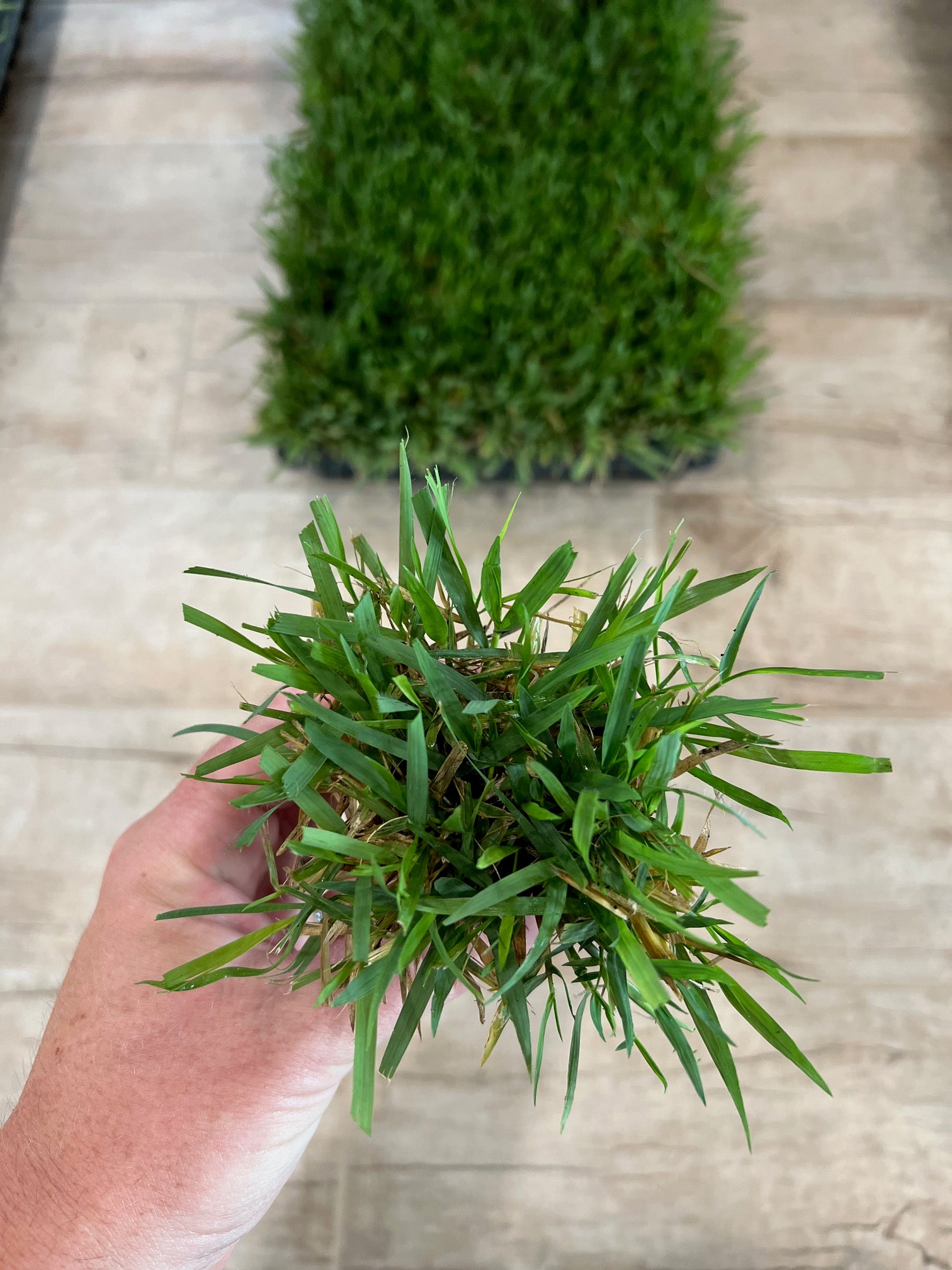
Zoysia grass looks like a dense, tightly woven carpet of stiff, narrow blades with a deep green to emerald color during the growing season and a golden-brown tone during winter dormancy. The turf feels firm and slightly springy underfoot because zoysia grows so thickly that the blades, stolons, and thatch form a mat that resists foot traffic. NC State Extension describes zoysiagrass as one of the densest, most wear-resistant turfgrasses available. Blade widths range from 2 to 7 millimeters depending on the variety, according to GrassID, with fine-bladed types producing a manicured, formal appearance and coarser types producing a more rugged look. This guide covers exactly what zoysia looks like through every stage and season, how to identify it, how to tell it apart from Bermuda and other grasses, and what it looks like when something needs attention.
What Does Zoysia Grass Look Like Up Close?
Zoysia grass up close has stiff, narrow blades that taper to a sharp, pointed tip. The blades stand more upright than most grasses, growing at roughly a 45-degree angle from the stem rather than bending over. This upright growth gives zoysia its characteristic dense, uniform appearance that looks well-maintained even without frequent mowing. Biology Insights reports that the stiffness comes from high silica content within the blades, which also contributes to zoysia's exceptional wear tolerance.
The color during active growth ranges from light green to deep emerald depending on the variety. Empire Zoysia leans toward a darker, blue-green shade. Meyer Zoysia appears lighter. Emerald and Zeon varieties display the richest, deepest green tones. Zoysia Lawn Guide notes that unlike Bermuda, which often shows brown stalks beneath the green blades, zoysia maintains green coloring through the entire visible canopy.
The texture feels coarse when you run your hand against the grain of the blades but soft and cushioned when you walk barefoot on it. This combination of stiffness in the blade and softness underfoot is one of the most distinctive sensory markers of zoysia grass. Homeowners frequently describe it as feeling like a thick plush carpet, especially when mowed at 1 to 2 inches.
A thin layer of thatch builds naturally between the green blades and the soil surface. This thatch layer creates the slightly spongy, springy feel that zoysia lawns are known for. A healthy thatch layer measures less than half an inch. Thatch thicker than half an inch starts blocking water and nutrients, which is why annual lawn aeration helps zoysia lawns stay healthy and dense.
How Do You Identify Zoysia Grass?
You identify zoysia grass by checking for stiff blades with a pointed tip, fine hairs at the base of the leaf blade where it meets the stem, and a dense mat-like growth pattern that resists your finger when you push down through the turf. NC State Extension confirms that zoysiagrass has hairs standing upright on the leaf blade, whereas bermudagrass does not. This hair pattern is the single most reliable visual test for zoysia identification.
The ligule, a tiny structure where the blade meets the stem, appears as a fringe of fine white hairs on zoysia. Agronomists call this a ciliate ligule, and it serves as the primary diagnostic marker separating zoysia from similar warm-season grasses. Bermuda grass has a membranous ligule without the prominent hair fringe. If you pull a single blade away from the stem and examine the collar area with a magnifying glass, the difference is clear.
Density is another strong identifier. Try pushing your finger straight down through the turf to reach the soil. Zoysia resists your finger because the interlocking stolons, rhizomes, and tillers form an extremely tight mat. Bermuda is dense but allows your finger through with less resistance. St. Augustine offers almost no resistance by comparison.
Properties dealing with weed infestation can often trace the problem to a different grass type. Established zoysia naturally chokes out most weeds because the dense turf leaves no space for weed seeds to germinate. If weeds grow freely through your lawn, the turf is likely not zoysia or has not yet reached full establishment.
What Do Zoysia Grass Runners Look Like?
Zoysia grass runners look like thin, firm stems creeping along the soil surface (stolons) and thick, white, fleshy stems growing underground (rhizomes). Stolons are visible when you part the grass blades and look at the base of the turf near soil level. They run horizontally, putting down roots at regular intervals called nodes. Each node produces new grass blades that become independent plants.
Rhizomes are only visible when you dig into the soil or pull up a section of turf. They appear as white, segmented stems growing horizontally through the top 2 to 3 inches of soil. The thick, fleshy appearance of zoysia rhizomes distinguishes them from the thinner, fibrous rhizomes of other grasses. This dual spreading system produces the dense turf that makes zoysia so effective at weed control without heavy herbicide use.
What Does Zoysia Grass Look Like vs Bermuda, St. Augustine, and Fescue?
Zoysia grass looks different from Bermuda, St. Augustine, and fescue in blade width, texture, color, density, and growth pattern. These four grasses are the most commonly confused with each other, and homeowners choosing between them often need a side-by-side comparison of visual traits. Selecting the right grass type starts with understanding what each one actually looks like in the yard.
Visual TraitZoysiaBermudagrassSt. AugustineTall FescueBlade width2-5mm (medium); fine varieties 1-3mm1.5-2mm (fine)8-10mm (very wide)5-8mm (wide)Blade textureStiff, prickly against the grain; cushioned underfootFine, soft, flexibleWide, flat, smoothRough veins on upper surface; coarseColorDeep green to emeraldLight to medium greenMedium to dark greenDark green year-roundDensityExtremely dense; resists finger push-throughDense but allows finger throughModerate; open growthGrows in clumps, not a matGrowth typeStolons + rhizomes (spreading mat)Stolons primarily, some rhizomesStolons only (no rhizomes)Bunch-type (clumps, does not spread)Winter lookGolden-brown; holds color longer into fallStraw-brown; goes dormant earlierBrown in colder zones; stays green in deep SouthStays green year-round (cool-season)Key identifierUpright hairs on blade surface; stiff feelNo hairs on blade; soft feelWide blades with flat, thick stolonsProminent veins on upper blade surface
Sources: NC State Extension, Lawn Care Guides, Biology Insights, LSU AgCenter
The easiest field test is touch. Run your hand across the grass. Zoysia feels noticeably stiffer and more resistant than Bermuda, which bends and flexes softly. St. Augustine blades are wide enough to identify by sight alone. Fescue grows in clumps rather than forming a continuous mat, making it easy to spot from a few feet away.
What Does Zoysia Grass Look Like in Winter?
Zoysia grass in winter looks golden-brown to straw-colored across the entire lawn, with a uniform tone that is distinctly different from the patchy browning that stressed grass produces. This dormant color appears when temperatures consistently drop below 50 degrees Fahrenheit, according to the American Gardener. The grass is not dead. The root system and rhizome network remain alive underground, waiting for spring warmth to trigger new growth.
Zoysia holds its green color longer into fall than Bermudagrass and is among the first warm-season grasses to green up again in spring, according to Pennington. In Alabama's milder climate, dormancy typically lasts from late November through early April, shorter than the six or more months homeowners experience in northern states. The golden-brown winter color is uniform and clean rather than patchy, which many homeowners consider more attractive than the irregular browning of other grasses during cold months.
During dormancy, the dense mat of stolons and thatch remains intact. The lawn still provides ground cover and erosion control through winter. Avoid heavy foot traffic on dormant zoysia because the turf cannot recover from damage until active growth resumes in spring.
What Does Zoysia Grass Look Like When It Sprouts in Spring?
Zoysia grass in early spring looks like scattered green shoots emerging through the brown dormant mat, creating a green haze that gradually thickens into solid green coverage over several weeks. Zoysia Lawn Guide describes this stage as "green shoots start to show up and eventually a green haze shows." Green-up begins when soil temperatures warm to about 65 degrees Fahrenheit, according to Pennington, which typically corresponds to daytime air temperatures near 80 degrees.
The green-up process takes two to four weeks to complete. During this transition, the lawn looks uneven with patches of green mixed with patches of brown. This is normal. The grass fills in from the edges of established growth zones where the soil warms first, then spreads inward to shaded or cooler spots. By late spring, healthy zoysia reaches full green with visible runners extending outward to thicken the turf.
What Does Zoysia Grass Seed Look Like?
Zoysia grass seed looks like small, light-colored, oblong grains, roughly the size of a grain of rice but thinner and more tapered. The seeds are tan to golden in color with a papery husk that surrounds the seed kernel. Commercial zoysia seed products, like Pennington Zenith Zoysia Grass Seed and Mulch, often package the seed with a green mulch coating that holds moisture around the seed during germination, making the individual seeds appear larger and greener than raw seed.
When zoysia seed germinates, the first visible sprouts look like tiny, fine grass blades pushing through the soil surface. These seedlings are much thinner and more delicate than what the mature lawn will look like. Germination takes 14 to 21 days when soil temperatures reach 65 to 70 degrees Fahrenheit. Young zoysia seedlings grow slowly and look sparse for several months before the spreading mechanism kicks in and begins filling gaps between plants.
Starting from sod installation produces a finished appearance immediately because the grass arrives mature. Seed requires two to three growing seasons to reach the thick, carpet-like density that zoysia is known for.
Homeowners who want to avoid sod mistakes should understand that both methods eventually produce the same result, but sod delivers it years sooner. Proper soil preparation and watering during the first two weeks after installation determine how quickly the sod roots into the ground and begins spreading.
What Do Different Zoysia Grass Varieties Look Like?
Different zoysia varieties produce noticeably different visual results in blade width, color depth, and overall texture. Professional landscape design matches the variety to your yard's sun exposure, traffic, and the visual style you prefer. The five most common varieties each have a distinct appearance:
- Empire Zoysia has the widest blades of the popular varieties, producing a medium-coarse texture with a dark blue-green color. Empire's broader blades give it a more rugged, casual appearance compared to fine-bladed types. It handles heavy foot traffic and recovers quickly from wear.
- Zeon Zoysia has fine blades approximately 2 millimeters wide with a rich, translucent green color. Zeon's fine texture and dense growth produce the soft, manicured appearance that homeowners associate with premium lawns and golf courses. NG Turf reports that Zeon grows well with as little as 4 hours of direct sunlight.
- Emerald Zoysia has the finest blade texture and deepest green color of any major variety, creating a formal, putting-green appearance. Emerald requires more frequent mowing than other varieties to maintain its look, with cuts needed every 5 to 7 days during peak growth.
- Meyer Zoysia has medium-width blades (3-5mm) with a lighter green color than Emerald or Zeon. Meyer's coarser texture gives it a more traditional lawn appearance. Meyer is the most cold-hardy zoysia, surviving winter temperatures in USDA Zone 5b, according to USA Sod.
- Zenith Zoysia is the primary seed-available variety, with slightly wider blades than Meyer and a dense growth habit. Zenith's appearance resembles Empire more than the fine-bladed varieties, making it a practical choice for large areas where sod costs would be prohibitive.
For yards with heavy tree cover, shade-tolerant varieties like Zeon and Emerald look better than Empire or Meyer because they maintain density and color with less sunlight. Properties where shade is too deep for any grass variety may benefit from low-maintenance plants as groundcover instead.
What Does Zoysia Grass Look Like When Something Is Wrong?
Zoysia grass shows visible signs when it needs attention, and recognizing these signs early prevents small problems from becoming lawn-wide damage.
Gray or brown blade tips after mowing indicate a dull mower blade. Zoysia's stiff, wiry texture dulls mower blades faster than softer grasses. Lawn Care Guides reports that zoysia dulls blades 20-30% faster than other grasses. The solution is sharpening the blade every 15 to 20 mowing hours. After sharpening, the lawn returns to clean green tips within 3 to 5 days of new growth.
Circular brown patches during warm weather often signal large patch disease, the most common fungal problem in zoysia. The patches spread outward from a central point, with orange-brown margins at the leading edge. Soil amendment that improves drainage reduces the moisture conditions that promote fungal growth.
Thinning in shaded areas means the grass is not getting enough sunlight. Zoysia needs a minimum of 4 to 6 hours of direct sun depending on variety. Thinning under trees typically starts at the trunk and spreads outward as the canopy grows. Raising the mowing height to 2 inches in shaded zones gives the blades more surface area to capture available light.
A bluish-gray tint across the lawn with footprints that remain visible after walking are signs of drought stress. Properties with persistent dead gardens and declining turf may have underlying soil or drainage issues that prevent the root system from accessing deep moisture.
What Should You Expect from Zoysia Grass Year-Round?
Zoysia grass changes appearance through a predictable seasonal cycle. Understanding this cycle prevents homeowners from worrying that the lawn is unhealthy when it is simply following its natural rhythm. In Alabama, the cycle runs slightly shorter than northern states because the growing season stretches longer in warmer climates.
- Late winter (January through February): The lawn is fully dormant and uniformly golden-brown. The root system and rhizomes remain alive underground. No mowing or fertilizing is needed.
- Early spring (March through April): Green shoots begin emerging through the brown mat when soil temperatures warm to about 65 degrees. The lawn looks patchy with mixed green and brown areas for two to four weeks.
- Late spring (May): Full green-up is complete. The lawn reaches solid emerald to dark green color. Runners begin extending outward. Mowing season starts.
- Summer (June through August): Peak growth period. Zoysia loves 85-to-90-degree temperatures, according to Zoysia Lawn Guide. The turf is at its thickest, greenest, and most weed-resistant during these months. Mow every 10 to 14 days.
- Early fall (September through October): Growth slows but color stays green. This is a good window for professional lawn installation because moderate temperatures support root establishment before winter.
- Late fall (November): The first frost triggers dormancy. Color fades from green to golden-brown over one to two weeks. The transition is gradual and uniform, not sudden or patchy.
Frequently Asked Questions
Is Zoysia Grass Soft to Walk On?
Yes, zoysia grass is soft to walk on barefoot because the dense mat of blades and thatch creates a cushioned surface. Homeowners from Illinois to Georgia describe it as feeling like a thick plush carpet. The individual blades feel stiff when you run your hand against the grain, but the overall turf surface is comfortable and supportive underfoot.
Does Zoysia Grass Stay Green All Year?
No, zoysia grass does not stay green all year. Zoysia is a warm-season grass that goes dormant and turns golden-brown when temperatures consistently drop below 50 degrees Fahrenheit. In Alabama, the brown dormancy period typically lasts from late November through early April. Some homeowners overseed with perennial ryegrass in fall for temporary green winter color.
Which Is Better, Zoysia or Bermuda?
Zoysia is better for homeowners who want a low-maintenance lawn with less mowing, less fertilizer, better shade tolerance, and natural weed suppression. Bermuda is better for homeowners who need fast establishment, recover from heavy traffic quickly, and prefer full-sun conditions. Zoysia needs 1 to 3 pounds of nitrogen per 1,000 square feet per year, according to Pennington and LSU AgCenter, while Bermuda needs 3 to 6 pounds. Zoysia mows every 10 to 14 days; Bermuda mows every 5 to 7.
Should You Water Zoysia in the Fall?
You should water zoysia in the fall enough to supplement rainfall so the lawn receives about 1 inch of water per week until dormancy sets in. Once the grass goes fully dormant, reduce watering to occasional deep soakings during extended dry periods to prevent root desiccation through winter.
How Long Does Zoysia Take to Look Like a Full Lawn?
Sod produces a full-looking lawn within 6 to 8 weeks. Plugs take 9 to 24 months depending on spacing, with plugs on 6-inch centers filling in about twice as fast as plugs on 12-inch centers. Seed takes 2 to 3 growing seasons to reach the thick, dense appearance that zoysia is known for. The University of Illinois Extension confirms that plugs on 6-inch centers cover in one growing season, while 12-inch spacing takes two.
Putting It All Together
Zoysia grass looks like a dense, tightly woven carpet of stiff green blades during the growing season and a uniform golden-brown mat during winter dormancy. Its visual identity comes from upright blades with pointed tips, fine hairs at the collar, and a turf density that resists your finger when you push through it. Different varieties produce different blade widths and color tones, from Empire's coarse blue-green to Emerald's fine dark green. Recognizing what healthy zoysia looks like at every stage helps you spot problems early and maintain the thick, weed-resistant lawn that makes zoysia one of the most popular warm-season grasses in the country.
If you are thinking about installing zoysia or need help identifying what is currently growing in your yard, White Shovel Landscapes can assess your lawn, recommend the right variety, and handle the installation from soil preparation through the first mow.
Call us at 256-612-4439 for a free estimate.



You May Also Like

Sep 12, 2026
3 min
How to Keep Landscape Edging Straight

Sep 11, 2026
3 min
How to Decorate a Patio: Ideas for 2025 and 2026
Sep 9, 2026
3 min
How to Trim Around Landscape Edging
Sep 7, 2026
3 min
What Does a Lawn Look Like After Aeration
Have a Project in Mind?
If this post sounds like your yard, tell us about it. Request an estimate online or give us a call, and we’ll talk through what your property needs.





Transforming Huntsville & Madison yards since 2011 with expert landscape design, garden makeovers, mulching, and top-quality installations.


