Providing Best Services in Huntsville & Madison, AL


Follow us on Social.





Jun 5, 2026


Lawn Care
Topsoil vs Fill Dirt for Yard Leveling
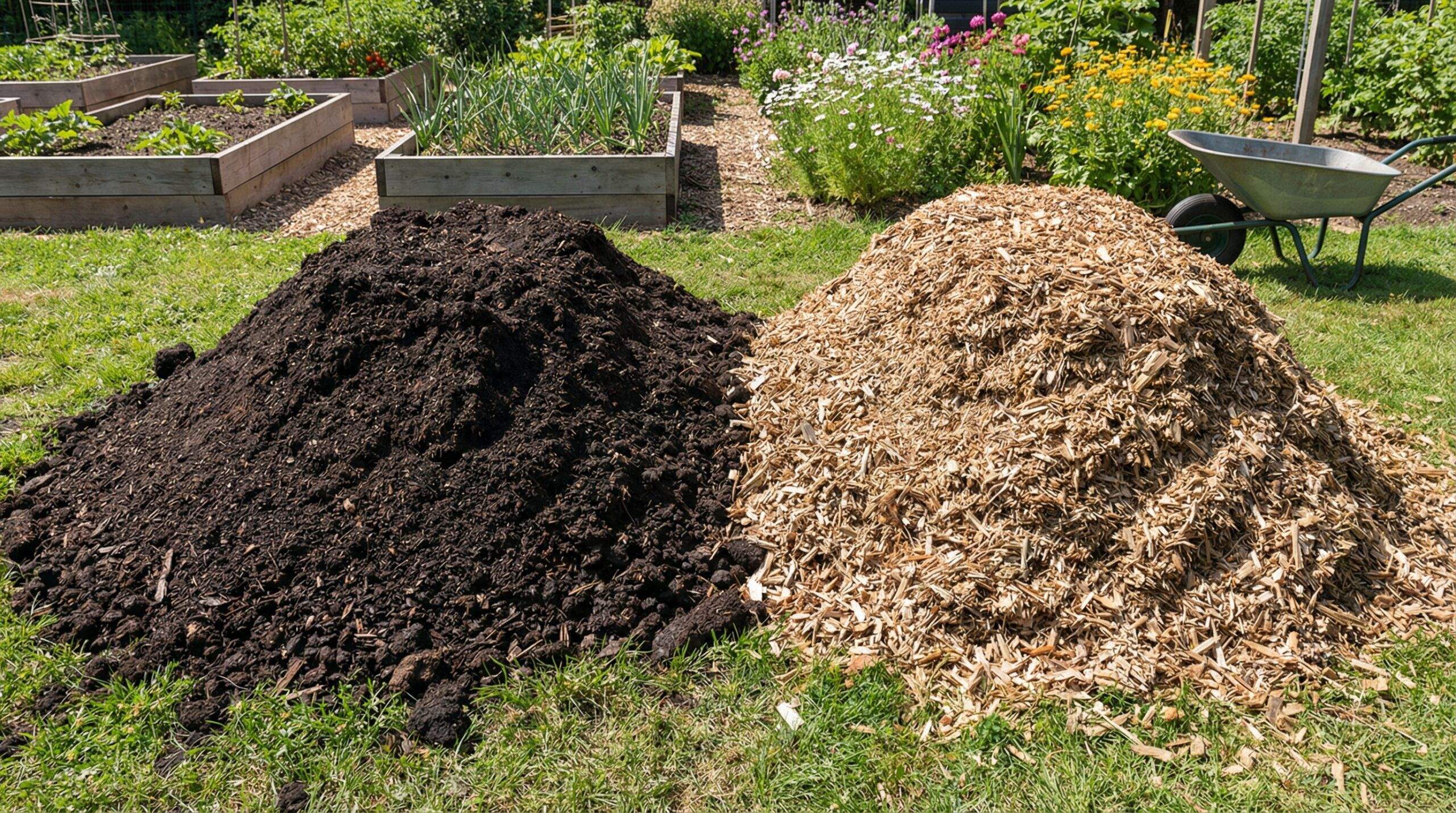
Topsoil is the better choice for yard leveling when you want grass or plants to grow, while fill dirt is the better choice for raising the ground level or filling deep holes where structural stability matters more than plant growth. Most yard leveling projects actually need both. You use fill dirt to build up the base, then you cap it with topsoil so grass roots have the nutrients and organic matter they need to take hold.
In this article, we break down the real differences between topsoil and fill dirt, explain when to use each one, cover how deep your topsoil layer should be, and walk through a simple step-by-step process for leveling your yard the right way.
What Is the Best Soil for Leveling a Yard?
The best soil for leveling a yard is a blend of topsoil and coarse sand, often called a topdressing mix. This combination fills in low spots smoothly while still giving grass roots the nutrition they need. According to the USDA Natural Resources Conservation Service, healthy topsoil holds 18 to 20 times its weight in water and recycles nutrients that plants depend on for growth. That water-holding ability is what keeps grass alive during dry stretches after you level your lawn.
For shallow dips of 2 inches or less, a 50/50 mix of screened topsoil and sand spreads easily and settles into place without smothering existing grass. For deeper low spots beyond 3 inches, you need fill dirt underneath to build up the base, then a cap of topsoil on top. The fill dirt provides structure, and the topsoil provides life. One without the other leaves you with either a yard that sinks or a yard where nothing grows.
We see this pattern all the time with homeowners who have uneven yards. The soil beneath the surface plays a huge role in how your lawn looks, drains, and performs over time. Poor soil quality is one of the most common reasons we recommend soil amendment before any major landscaping project.
Can I Just Use Topsoil to Level a Lawn?
Yes, you can use topsoil to level a lawn if the low spots are shallow, typically 2 to 3 inches deep or less. Topsoil contains organic matter, microorganisms, and nutrients that support grass growth, making it the right material for surface-level corrections. According to UC Davis, most soils range from 1% to 6% organic matter, and that organic matter is what drives water retention, nutrient cycling, and healthy root systems.
But topsoil has a problem when you use too much of it in deep fills. Organic matter breaks down over time, which means a thick layer of topsoil will shrink and settle as the organic content decomposes. If you dump 8 or 10 inches of pure topsoil into a deep hole, you will likely see the area sink again within a year or two. That is why deep fills need fill dirt as the structural base.
Is Fill Dirt Good for Leveling Ground?
Yes, fill dirt is good for leveling ground when the main goal is raising elevation, filling large voids, or creating a stable base. Fill dirt is made up of sand, clay, and rock particles with little to no organic matter. Because it lacks organic content, it does not decompose or shrink over time, which makes it far more stable than topsoil for deep fills.
Fill dirt compacts well and holds its shape under pressure. Sandy fill dirt typically settles only 2% to 3% after proper compaction, while clay-heavy fill dirt can settle 15% to 20%, according to landscape material suppliers. That difference matters when you are building up a slope or filling in a large depression. Properly compacted fill dirt creates a solid foundation that you can build on, plant on, or pave over.
The catch is that fill dirt alone will not support plant growth. If you spread fill dirt across your yard and throw down grass seed, the seed will struggle because there are no nutrients in the soil. That is why professionals always cap fill dirt with a layer of topsoil before planting. Yards with yard erosion issues often need this two-layer approach to fix both the grade and the growing surface.
When to Use Topsoil vs Fill Dirt
When to use topsoil vs fill dirt depends on the depth of the correction and whether you need plants to grow in that spot. Topsoil is your go-to for the top layer where grass, flowers, or shrubs will be planted. Fill dirt is your go-to for everything underneath that growing layer.
A study from Virginia Tech found that high-quality landscaping can increase a home's perceived value by 5.5% to 12.7%. That value comes from healthy, well-maintained yards, and healthy yards start with the right soil in the right places. Using fill dirt where you need topsoil, or topsoil where you need fill dirt, sets you up for problems down the road.
What Makes Topsoil Different from Fill Dirt?
Topsoil is the uppermost layer of earth, typically 5 to 10 inches deep, and it contains the highest concentration of organic matter and microorganisms found in any soil layer. Fill dirt comes from deeper underground and is stripped of organic material. The USDA notes that each 1% increase in soil organic matter allows the ground to store roughly 20,000 additional gallons of water per acre. That single stat shows why topsoil matters so much for anything you want to keep alive.
Here is a side-by-side comparison to help you see the differences clearly.
Sources: USDA Natural Resources Conservation Service, UC Davis Soil Health, landscape material industry data
Think of it this way. Fill dirt is the bones of your yard, and topsoil is the skin. You need strong bones to hold the shape, and you need healthy skin for anything to grow. Skipping either layer causes problems that cost more to fix later. Good landscape design accounts for both layers from the very beginning.
How Deep Should Topsoil Be?
Topsoil should be 4 to 6 inches deep for most lawn and landscaping applications. This depth gives grass roots enough room to spread out, anchor firmly, and reach the nutrients and water stored in the soil. According to multiple university extension programs, grass roots typically grow 4 to 6 inches long, so the topsoil layer needs to match that depth at minimum.
For new lawns being built from scratch, 6 inches of topsoil is the recommended standard. For existing lawns that just need surface leveling, a thinner application of 1/4 inch to 1 inch of topdressing mix works well without smothering the grass underneath. Michigan State University Extension recommends rototilling soil 4 to 6 inches deep before sod installation to create a blended root zone that prevents layering problems.
Depth matters more than most people realize. Shallow topsoil heats up faster, dries out quicker, and forces roots to stay near the surface. That creates a lawn that looks green after rain but browns out fast during hot spells. A deeper topsoil layer acts as a buffer against heat and drought, giving your grass a much better chance of surviving Alabama summers. Professional soil testing can tell you exactly what your existing topsoil needs before you add more on top of it.
Is 2 Inches of Topsoil Enough to Grow Grass?
No, 2 inches of topsoil is not enough to grow a strong, healthy lawn. Two inches of topsoil can technically germinate grass seed, but the resulting root system will be shallow, weak, and highly vulnerable to drought and heat stress. The grass may look fine for a few weeks, but it will thin out fast once conditions get tough.
The Grass Outlet, a sod supplier with decades of experience, recommends a minimum of 2 to 3 inches of new topsoil rototilled into 2 to 3 inches of existing soil to reach a total root zone depth of 6 inches. That blending step is critical. Laying fresh topsoil over compacted subsoil without tilling creates a barrier between the two layers that traps water and suffocates roots.
Will Grass Grow Through 2 Inches of Topsoil?
Yes, grass will grow through 2 inches of topsoil when used as a topdressing over an existing lawn. The existing root system is already established, so the thin layer of new topsoil fills in low spots and feeds the grass as it grows up through the new material. This method works well for minor leveling corrections and overseeding projects.
The key is to apply the topsoil gradually. Dumping more than 1 inch at a time over living grass can smother it. Spread it in thin passes of 1/2 inch to 1 inch, let the grass grow through, then add more if needed. This technique is common on golf courses, where groundskeepers use sand and topsoil topdressing mixes to maintain perfectly smooth putting greens year after year. If your yard has muddy patches, this gradual approach combined with drainage work can fix the problem without tearing up the whole lawn.
How Much Topsoil Do I Need to Level My Yard?
How much topsoil you need to level your yard depends on the size of the area and the depth of the low spots. The basic formula is simple: multiply the length by the width by the depth (all in feet), then divide by 27 to get cubic yards. One cubic yard of topsoil covers about 100 square feet at a depth of 3 inches.
For example, if you have a 20-foot by 15-foot area that needs 4 inches of topsoil, the math looks like this: 20 x 15 x 0.33 = 99 cubic feet, divided by 27 = 3.67 cubic yards. Always add 10% to 15% extra to account for settling and compaction. That bumps your order up to about 4 to 4.2 cubic yards. Ordering a bit extra is always cheaper than paying for a second delivery.
A standard dump truck carries about 10 to 14 cubic yards, so most residential yard leveling projects can be handled with a single delivery. If you are working with deeper corrections that need fill dirt underneath, calculate each layer separately so you get the right amount of each material.
Is It Better to Buy Topsoil in Bulk or Bag?
It is better to buy topsoil in bulk for any project larger than a small garden bed or a few square feet of patching. Bagged topsoil from retail stores typically contains about 0.75 cubic feet per 40-pound bag, which means you would need roughly 36 bags to equal just one cubic yard. The cost per cubic yard in bags is significantly higher than bulk delivery.
Bulk topsoil also tends to be fresher and less processed than bagged products. According to data from the North Carolina Department of Agriculture, bulk topsoil and bagged topsoil differ in nutrient content, pH levels, and organic matter percentages. Bagged products often have higher nutrient concentrations because they are blended with compost, but bulk topsoil provides a more natural growing medium that matches the surrounding soil in your yard.
For yard leveling specifically, bulk is the clear winner. You need volume, and bags do not give you that efficiently. Have the supplier deliver it to your driveway or as close to the work area as possible, then use a wheelbarrow and rake to spread it. If your project involves more than just topsoil, a professional landscape installation crew can handle the heavy lifting and get the grade right the first time.
What Is the Best Time to Apply Topsoil?
The best time to apply topsoil is in the spring or early fall when temperatures are mild and rainfall is more consistent. Spring gives the grass a full growing season to root into the new soil before summer heat arrives. Early fall works well too, especially for cool-season grasses, because the soil is still warm enough for root growth while the cooler air reduces stress on the plants.
Avoid leveling your yard in the middle of summer. Extreme heat dries out the new topsoil quickly and puts heavy stress on any grass trying to establish itself. Winter is also a poor choice because grass goes dormant and will not grow into the new soil layer until the following spring, leaving the bare topsoil exposed to erosion from rain.
In North Alabama, the spring window typically runs from late March through May, and the fall window runs from mid-September through October. Those periods line up with the natural growth cycles of warm-season grasses like Bermuda and Zoysia, which are the most common turf types in the Huntsville and Madison area. Timing the project right makes a big difference in how fast the yard fills in and how strong the new growth looks.
How to Level a Yard Step by Step
Leveling a yard is a straightforward process when you have the right materials and a clear plan. Here is how to do it properly.
Step 1: Identify the low spots. Walk your yard after a rain and mark any areas where water pools or sits for more than an hour. These are your low spots. Use a long straight board or a string line and a level to measure how deep the dips are.
Step 2: Fix drainage issues first. If water is pooling because of poor drainage rather than uneven ground, adding soil on top will only push the problem somewhere else. Address the root cause first. Drainage solutions like French drains, catch basins, or regrading can redirect water away from problem areas before you level the surface.
Step 3: Choose your materials. For dips less than 3 inches deep, use a topdressing mix of topsoil and sand. For deeper areas, use clean fill dirt to build up the base within 3 to 4 inches of the final grade, then cap with topsoil.
Step 4: Spread the fill dirt (if needed). Apply fill dirt in layers of 4 to 6 inches at a time. Compact each layer with a hand tamper or plate compactor before adding the next one. This prevents settling later. Penn State Extension notes that U.S. cropland loses an average of 4.63 tons of soil per acre per year to erosion, so proper compaction and grading protects your investment from washing away.
Step 5: Apply topsoil. Spread your topsoil or topdressing mix over the area. Use a landscaping rake to smooth it out. For existing lawns, keep the layer at 1/2 inch to 1 inch per application so you do not smother the grass.
Step 6: Seed or sod. If you are covering bare dirt, seed or sod the area immediately. The National Association of Realtors reports that lawn maintenance delivers a 217% return on investment, so getting grass established quickly is worth the effort. Do not forget about sod installation best practices if you go the sod route.
Step 7: Water consistently. Keep the new soil moist but not soaked for the first 2 to 3 weeks. This helps the topsoil settle naturally and gives grass seed or sod roots the moisture they need to establish.
How to Prevent Settling After Yard Leveling
Settling after yard leveling happens when the soil was not compacted properly, the wrong material was used, or the organic content in the fill breaks down over time. The single best way to prevent settling is to compact fill dirt in thin lifts of 4 to 6 inches rather than dumping a large pile and hoping it holds.
Use the right material for the right layer. Fill dirt goes on the bottom for structure. Topsoil goes on top for growing. Mixing the two throughout the entire depth creates a layer that neither compacts well nor supports plant growth efficiently. A University of Massachusetts Amherst study found that the U.S. Midwest has lost 57.6 billion tons of topsoil over the past 160 years, largely due to poor soil management practices. Protecting the topsoil layer you add to your yard means keeping it on the surface where it belongs.
Another common cause of settling is poor drainage beneath the fill. If water collects under your newly leveled area, the soil will shift and sink. Make sure water has a clear path away from the filled area. Proper grading and drainage work before filling is the best insurance against future problems.
How Yard Leveling Protects Your Property
An uneven yard is more than just an eyesore. Low spots collect rainwater, which creates standing water that damages your grass, breeds mosquitoes, and can eventually compromise your home's foundation. The American Society of Civil Engineers has repeatedly highlighted that poor drainage and soil erosion rank among the most common causes of residential foundation damage in the United States.
Leveling your yard with the proper soil materials also improves curb appeal, which directly affects property value. The American Society of Landscape Architects states that professional landscaping can increase a home's resale value by 15% to 20%. Even basic lawn maintenance delivers a 104% return on investment, according to the National Association of Realtors' 2023 Remodeling Impact Report. A level, green yard signals to buyers that the property is well cared for.
Beyond property value, a level yard is safer. Dips and bumps create tripping hazards for children and elderly family members. Mowing becomes easier and more uniform. And when you fix the grade properly with fill dirt and topsoil, you create a yard that drains correctly, grows evenly, and holds up year after year. Proper erosion control starts with getting the grade right.
Frequently Asked Questions
Can You Mix Topsoil and Fill Dirt Together?
Yes, you can mix topsoil and fill dirt together, but it is not the ideal approach for most projects. Mixing dilutes the nutrient content of the topsoil while reducing the compaction strength of the fill dirt. The better method is to layer them, with fill dirt on the bottom and topsoil on top. This gives you structural stability below and a healthy growing surface above.
How Long Does It Take for a Leveled Yard to Settle?
A leveled yard typically settles within 2 to 4 weeks if the fill dirt was compacted properly during installation. Sandy fill dirt settles as little as 2% to 3%, while clay-heavy fill can settle 15% to 20% over several months. Watering the area lightly after filling speeds up the natural settling process and helps you spot any remaining low spots early.
Do I Need to Remove Grass Before Leveling My Yard?
No, you do not need to remove grass before leveling your yard if the low spots are shallow. For corrections of 1 inch or less, you can spread a thin topdressing mix directly over the existing grass and let it grow through. For deeper corrections over 2 to 3 inches, you should remove the sod first, build up the grade, add topsoil, and then re-sod or reseed the area.
What Happens If You Plant Grass Directly in Fill Dirt?
Grass planted directly in fill dirt will struggle or die because fill dirt contains no organic matter, no nutrients, and very little moisture-holding capacity. Grass seed may germinate if it stays wet, but the roots will have nothing to feed on. According to the USDA, organic matter in topsoil is what drives nutrient cycling, microbial activity, and water retention. Without it, grass cannot sustain itself.
How Thick Should the Topsoil Layer Be Over Fill Dirt?
The topsoil layer over fill dirt should be at least 4 to 6 inches thick. This depth supports strong root development and gives the grass access to enough nutrients and moisture. If you only add 2 inches of topsoil over fill dirt, the roots will quickly hit the nutrient-free fill layer and stop growing, leaving you with thin, weak turf.
Can I Level My Yard Myself or Do I Need a Professional?
You can level your yard yourself if the project is small, such as filling a few shallow dips with a topdressing mix. For larger projects that involve moving multiple cubic yards of fill dirt, regrading slopes, or correcting drainage problems, hiring a professional is the smarter choice. A professional crew has the equipment, materials, and experience to get the grade right the first time and avoid costly settling or drainage issues later.
Putting It All Together
Choosing between topsoil and fill dirt for yard leveling comes down to one simple rule. Fill dirt gives you structure, and topsoil gives you life. For shallow corrections where grass already grows, topsoil or a topdressing mix is all you need. For deep fills, use fill dirt as the base and cap it with 4 to 6 inches of topsoil so your lawn has the foundation it needs to thrive.
Getting the soil right from the start saves you money, time, and frustration. A properly leveled yard drains better, grows greener, and adds real value to your home. If you are dealing with uneven ground, soil repair, or drainage issues in your yard, White Shovel Landscapes is always happy to help you figure out the best plan for your property.



You May Also Like

Sep 12, 2026
3 min
How to Keep Landscape Edging Straight

Sep 11, 2026
3 min
How to Decorate a Patio: Ideas for 2025 and 2026
Sep 9, 2026
3 min
How to Trim Around Landscape Edging
Sep 7, 2026
3 min
What Does a Lawn Look Like After Aeration
Have a Project in Mind?
If this post sounds like your yard, tell us about it. Request an estimate online or give us a call, and we’ll talk through what your property needs.




Transforming Huntsville & Madison yards since 2011 with expert landscape design, garden makeovers, mulching, and top-quality installations.


