Providing Best Services in Huntsville & Madison, AL
.webp)
.webp)
Follow us on Social.


.webp)
.webp)
.webp)

Jul 11, 2026
.webp)
what is lawn aeration
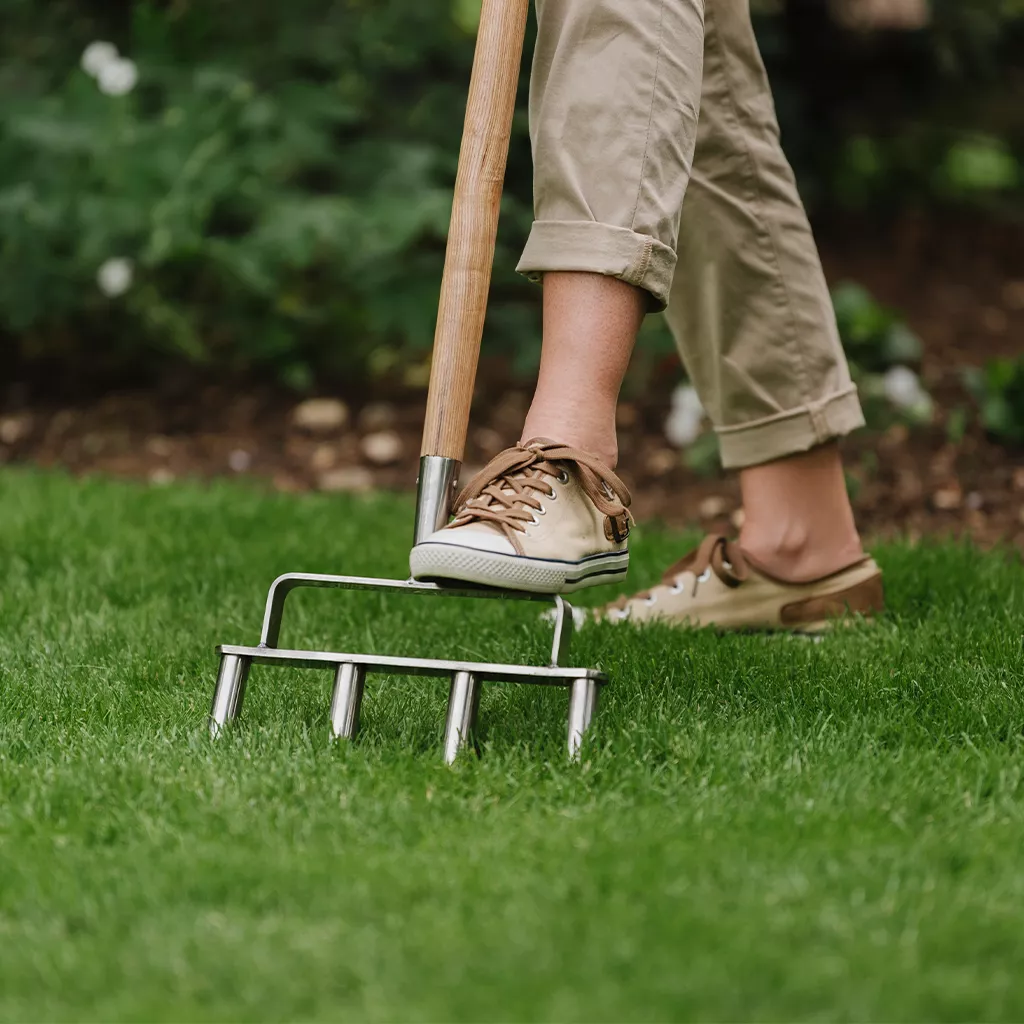
Lawn aeration is the process of pulling small plugs of soil out of your yard to relieve compaction and allow air, water, and nutrients to reach grass roots. Aeration helps grass grow deeper roots, absorb more water, and develop thicker, stronger turf. According to Kansas State University Extension, roots make up 90% of the grass plant, and compacted soil cuts off the oxygen supply those roots need to survive. A core aerator punches hollow tines into the ground, removes 2-to-3-inch plugs of soil, and leaves open channels that let your lawn breathe again. This guide covers how aeration works, when to do it, how to tell if your yard needs it, and what to do after the plugs come out so you get the best results from every pass.
What Is Lawn Aeration and Why Does Your Grass Need It?
Lawn aeration is a mechanical process that removes small cores of soil and thatch from your yard, creating thousands of tiny holes that open the ground to air, water, and fertilizer. The primary reason for aerating is to fix soil compaction. Compacted soil packs solid particles too tightly together, which blocks the circulation of oxygen, moisture, and nutrients below the surface. Grass roots starve in compacted ground because they cannot access what they need to grow.
Soil compaction happens gradually. Foot traffic from kids and pets presses the ground down over months and years. Heavy clay soils compact faster than sandy soils because clay particles are smaller and pack more tightly under pressure. New construction sites often have severely compacted soil because heavy equipment crushes the ground during the building process. A study cited by the International Society of Arboriculture found that soil bulk density near new construction averaged 0.5 g/cm³ higher than adjacent undisturbed areas, a level that restricts root growth for most plant species.
Thatch buildup adds a second layer of trouble. Thatch is a mat of dead stems, roots, and organic debris that forms between the green grass blades and the soil surface. Michigan State University Extension reports that a thin thatch layer of half an inch or less is normal and actually insulates the grass crown. Thatch thicker than half an inch starts causing problems, and thatch over one inch deep demands immediate attention. Compaction and excess thatch together create a barrier that keeps your grass shallow, thin, and vulnerable to heat, drought, and disease.
Aeration breaks through both barriers at once. The hollow tines of a core aerator punch through the thatch layer and pull compacted soil out of the ground, leaving open channels that roots colonize within weeks. Clemson University's Home and Garden Information Center confirms that the tines also sever existing roots, rhizomes, and stolons, which stimulates the grass to produce new shoots and roots that fill the holes and increase turf density.
How Do You Know If Your Lawn Needs Aeration?
Your lawn needs aeration if the soil feels hard underfoot, water pools on the surface after rain, the grass looks thin despite regular fertilizing, or the thatch layer measures more than half an inch thick. Lawns that get heavy foot traffic from children, pets, or regular entertaining compact faster and need aeration more often than low-traffic yards.
Properties with standing water after rainstorms often have compacted soil underneath. Water pools on the surface because it cannot soak through the compressed ground. Aeration opens channels that restore infiltration and let rainwater drain into the soil instead of sitting on top of it.
Lawns established from sod installation sometimes develop a layering problem. The imported sod sits on top of existing soil with a different texture, creating an interface that restricts root penetration and water movement. Aeration breaks through that interface and helps the root systems of the sod merge with the native soil below.
If you notice weeds like goosegrass, knotweed, or annual bluegrass taking over specific areas, compaction may be the root cause. The University of Massachusetts Amherst reports that compacted soil encourages the encroachment of weed species tolerant of hard ground, replacing desirable turf that cannot compete under those conditions.
What Is the Screwdriver Test for Aeration?
The screwdriver test for aeration is a simple way to check soil compaction using a standard flathead screwdriver. Push the screwdriver into the soil by hand after a moderate rain, when the ground is moist but not saturated. If the screwdriver slides in easily to a depth of 3 to 4 inches, the soil is loose enough and may not need aeration. If the screwdriver meets hard resistance and you have to force it in, the soil is compacted and aeration will help. Test multiple spots across the yard because compaction varies from one area to another.
How Does Core Aeration Work?
Core aeration works by driving hollow metal tines into the ground and extracting small cylinders of soil and thatch called plugs or cores. A typical core aerator pulls plugs 2 to 3 inches deep and about three-quarters of an inch in diameter, according to Clemson Extension. The machine deposits these plugs on the lawn surface as it moves across the yard. The holes left behind create direct pathways for air, water, and fertilizer to reach the root zone without passing through the compacted surface layer.
The extracted cores serve a purpose after they land on the grass. As the plugs dry and break apart, they redistribute soil microorganisms across the thatch layer. These microbes accelerate thatch decomposition by consuming the dead organic material from above. NDSU Extension recommends letting the cores dry for a couple of days and then mowing over them to break them into fine particles that disappear into the turf within one to two weeks.
Core aeration also severs grass roots, stolons, and rhizomes at each hole. This controlled damage triggers the plant's natural growth response. Clemson Extension confirms that severed grass plants produce new shoots and roots that fill the aeration holes, which increases turf density over the following weeks. The combination of decompressed soil, open channels, and stimulated root growth is what makes core aeration the most effective method for long-term lawn health.
Core Aeration vs Spike Aeration vs Liquid Aeration
Core aeration, spike aeration, and liquid aeration take three different approaches to the same problem, but they produce very different results. Core aeration physically removes soil. Spike aeration pokes holes without removing anything. Liquid aeration applies a chemical solution to the surface. The differences matter because the wrong method can waste your time or even make compaction worse.
FeatureCore AerationSpike AerationLiquid AerationHow it worksHollow tines remove soil plugs from the groundSolid tines poke holes by pushing soil to the sidesChemical solution applied to the surface to loosen soil particlesDepth2 to 3 inches1 to 3 inchesSurface level; limited subsurface penetrationCompaction reliefHigh; soil is physically removed, creating spaceLow; soil is displaced sideways, potentially increasing compactionMinimal; University of Georgia trials showed liquid products did not replace mechanical aerationThatch reductionModerate; cores bring microbes to the surface to decompose thatchNone; no soil mixing occursNoneBest forClay soil, loam soil, compacted lawns, heavy-traffic yardsSandy soil with light compactionVery mild surface compaction onlyEffectivenessMost effective for long-term lawn healthLimited; may worsen compaction over timeNot a substitute for mechanical aeration
Sources: Kansas State University Extension, NDSU Extension, University of Georgia Turfgrass Research, Clemson Extension
Kansas State University Extension warns that spike aeration pushes soil to the sides of each hole, compacting the surrounding area again. NDSU Extension recommends avoiding solid-tine or spiking devices for this reason. Core aeration remains the standard recommendation from every major university extension program because it is the only method that physically removes material and creates lasting space in the soil profile.
How Deep Do Lawn Aerators Go?
Lawn aerators go 2 to 3 inches deep when operating in properly moistened soil. NDSU Extension advises removing cores as deeply as possible, targeting about 3 inches. The Illinois Extension recommends achieving 15 to 20 aeration holes per square foot for effective treatment. Dry soil prevents tines from reaching full depth, and saturated soil causes tines to clog. The ideal condition is moist ground where a screwdriver slides in with moderate effort.
What Are the Benefits of Lawn Aeration?
Lawn aeration delivers multiple benefits that compound over time, turning thin, stressed turf into thick, resilient grass. Clemson University's Home and Garden Information Center lists the following verified benefits of core aeration:
- Loosens compacted soil and increases the availability of water and nutrients to grass roots, allowing deeper root development that supports thicker turf above ground.
- Enhances oxygen levels in the soil, which stimulates root growth and activates the soil microorganisms responsible for breaking down thatch into usable organic matter.
- Reduces water runoff by increasing infiltration and percolation rates, keeping more rainwater in your soil instead of letting it flow off the surface.
- Increases drought tolerance by enabling roots to grow deeper into the soil profile where moisture persists longer during dry periods.
- Reduces thatch accumulation by mixing soil microbes into the thatch layer where they accelerate natural decomposition.
- Stimulates new shoot and root production at every aeration hole, which increases overall turf density and crowd out weeds naturally.
Properties dealing with dead gardens and thinning turf often trace the problem back to compacted soil beneath the surface.
Aeration paired with soil amendment restores the growing conditions that grass and plants need to recover. The combination of mechanical decompression and nutrient-rich soil corrections addresses both the physical and biological problems that cause lawn decline.
Does Aeration Help with Drainage and Standing Water?
Yes, aeration helps with drainage and standing water by creating thousands of channels that allow rainwater to soak into the soil instead of pooling on the surface. Clemson Extension confirms that core aeration reduces water runoff, increases water infiltration and percolation, and improves overall drainage performance. North Alabama receives an average of 56.88 inches of rainfall per year, according to the UAH Alabama Office of the State Climatologist, which means lawns here face heavy water loads that compacted soil cannot handle.
Aeration alone solves mild drainage issues caused by surface compaction. Yards with muddy yards or chronic water pooling may need a more comprehensive approach to fully resolve the problem.
Combining aeration with professional drainage solutions like French drains or grading corrections addresses both the compacted surface layer and the deeper water management issues that aeration cannot reach on its own.
When Should You Aerate Your Lawn?
You should aerate your lawn during its peak growing season so the grass recovers quickly from the process. For warm-season grasses like Bermuda, Zoysia, centipede, and St. Augustine, the best time to aerate is late spring to early summer. For cool-season grasses like tall fescue and Kentucky bluegrass, the best time is early fall or early spring. Clemson Extension recommends aerating when the lawn is fully green and actively growing, with at least four weeks of good growing weather ahead.
Most Alabama lawns grow warm-season grass types, with Bermudagrass being the most common choice for the state's hot, humid climate. The Alabama Gazette reports that late spring to early summer, specifically mid-May through early June, is the ideal aeration window for these grasses. Aerating during this period gives the lawn a full summer of vigorous growth to close the holes and build a denser root system before fall dormancy.
NDSU Extension recommends aerating every one to five years for optimal turf growth. Lawns on heavy clay soil or those experiencing heavy foot traffic benefit from annual aeration. Low-traffic lawns on sandy or loamy soil can stretch to every two or three years between treatments.
When Not to Aerate Your Lawn
You should not aerate your lawn when the grass is dormant, when the soil is frozen, when the ground is bone dry, or when the soil is waterlogged. Aerating dormant grass leaves open holes that weeds colonize before the turf can recover. Frozen soil prevents tines from penetrating, and dry soil produces shallow, ineffective holes. Waterlogged soil clogs the aerator tines and smears the hole walls shut instead of creating clean channels.
Is October Too Late to Aerate Your Lawn?
October is too late to aerate warm-season grasses like Bermuda and Zoysia because these grasses enter dormancy in fall and cannot recover before winter. October is acceptable for cool-season grasses like tall fescue, as long as at least four weeks of growing weather remain before the first hard frost. Alabama lawns with warm-season turf should complete all aeration by late summer at the latest.
How Do You Aerate Your Lawn?
Aerating your lawn takes a few hours of preparation and one to two passes with a core aerator. Most homeowners rent a walk-behind core aerator from a hardware store or hire a professional lawn installation service to handle the process. Professional aeration costs $75 to $250 nationally, with an average of about $140, according to Angi and HomeAdvisor 2026 data. DIY rental runs $65 to $110 per day.
Follow these steps for a successful aeration:
- Water the lawn one to two days before aerating. The soil should be moist enough that a screwdriver slides in with moderate effort. NDSU Extension warns that tines cannot dig deeply in dry soils and get clogged in wet soils.
- Mow the lawn slightly shorter than usual. Shorter grass gives the aerator tines clearer access to the soil surface.
- Flag sprinkler heads, shallow irrigation lines, invisible fence wires, and any buried cables or pipes. A core aerator can damage anything hidden in the top 3 inches of soil.
- Clear the yard of sticks, leaves, rocks, and debris that could jam the machine or prevent tines from reaching the ground.
- Run the core aerator across the entire lawn in one direction. Then make a second pass perpendicular to the first. Clemson Extension and NDSU Extension both recommend two perpendicular passes for thorough coverage.
- Leave the soil plugs on the lawn surface. Let them dry for one to two days, then mow over them to break them into fine particles that filter back into the turf.
- Apply overseeding and fertilizer immediately after aerating for the strongest results. The open holes create ideal seed-to-soil contact and direct nutrient access to the root zone.
How Many Passes Should You Make with an Aerator?
You should make two passes with a core aerator, with the second pass running perpendicular to the first. Two perpendicular passes ensure even coverage and produce the 15 to 20 holes per square foot that the Illinois Extension recommends. Heavily compacted areas may benefit from a third pass, but two passes suffice for most residential lawns.
What Should You Do After Aerating Your Lawn?
After aerating your lawn, the single most important step is to leave the soil plugs on the surface and let them break down naturally. The plugs contain soil microorganisms that speed thatch decomposition when they mix back into the turf. Mowing over the dried cores after one to two days crumbles them into fine particles that disappear within two weeks.
Aerated lawns respond exceptionally well to overseeding because the open holes provide direct seed-to-soil contact that germination requires. Spread grass seed immediately after the second aeration pass, before the holes begin closing. The seeds settle into the cores and make contact with moist soil below the thatch layer, which dramatically improves germination rates compared to broadcasting seed over a non-aerated surface.
Water the lawn lightly and frequently for the first two weeks after aerating and overseeding. Short, daily watering sessions keep the seed moist without flooding the aeration holes. After the new grass establishes, transition back to deeper, less frequent watering to encourage the root growth that aeration made possible.
Should You Fertilize Your Lawn After Aerating?
Yes, you should fertilize your lawn after aerating because the open holes deliver nutrients directly to the root zone where grass needs them most. NDSU Extension confirms that aerated lawns respond well to fertilization applied immediately after the process. The channels bypass the thatch layer and compacted surface, placing fertilizer in contact with active roots instead of sitting on top where it washes away with the next rain.
How Long Does It Take to See Results After Lawn Aeration?
Results from lawn aeration typically appear within two to four weeks as the grass fills in the aeration holes with new shoots. Full improvement in density, color, and root depth develops over one to two growing seasons as the loosened soil profile allows progressively deeper root establishment. Lawns that receive overseeding and fertilization alongside aeration show faster visible improvement because the new grass seed germinates in the open holes while existing turf thickens around them.
What Are the Most Common Lawn Aeration Mistakes?
The most common lawn aeration mistakes are aerating at the wrong time of year, using a spike aerator instead of a core aerator, aerating dry or waterlogged soil, making only one pass, and removing the soil plugs from the lawn surface.
Timing mistakes cause the most damage. Aerating warm-season grass in fall leaves holes that weeds fill before the turf goes dormant. Aerating in drought conditions produces shallow, ineffective holes because tines cannot penetrate hard ground. Both mistakes waste your time and money while potentially making the lawn worse.
Equipment mistakes rank second. Spike aerators look similar to core aerators but produce inferior results because they push soil sideways instead of removing it. Kansas State University Extension confirms that spike aeration compacts the area around each hole, canceling much of the benefit. Always use a hollow-tine core aerator for genuine compaction relief.
Aftercare mistakes are the third category. Picking up the soil plugs removes the beneficial microbes that decompose thatch. Skipping overseeding wastes the ideal seed-to-soil contact that aeration creates. Skipping fertilizer misses the window when nutrients reach roots most efficiently. Neglecting weed control after aeration allows weed seeds to germinate in the open holes alongside your grass.
Is Lawn Aeration Worth It?
Yes, lawn aeration is worth it for any yard with compacted soil, heavy foot traffic, thatch buildup, or clay-heavy ground. Aeration is one of the most cost-effective lawn care treatments available, delivering measurable improvements in root depth, turf density, water absorption, and drought resistance for a one-time investment of $75 to $250 professionally or $65 to $110 for a DIY rental. The benefits compound over time because deeper roots and looser soil make every subsequent watering, fertilizing, and mowing session more effective.
Lawns that skip aeration for years develop progressively worse compaction. Thin grass, persistent weeds, standing water, and brown patches during summer heat all trace back to soil that roots cannot penetrate. A single annual aeration session prevents this decline and keeps the lawn dense enough to crowd out weeds naturally, reducing the need for herbicides and reseeding over the long term.
For homeowners investing in professional landscape design or a full yard renovation, aeration is the foundation that every other treatment builds on. Fertilizer works better in aerated soil. Overseeding germinates faster in aerated holes. Irrigation reaches deeper in aerated ground.
Regular soil repair holds longer when aeration maintains the loosened profile season after season. The compounding effect of annual aeration turns a struggling lawn into a self-sustaining system that requires less intervention over time.
Frequently Asked Questions
Can You Walk on Your Lawn After Aeration?
You can walk on your lawn after aeration, but you should avoid heavy foot traffic for the first two to three weeks. Walking on freshly aerated ground can compress the soil around the holes before roots have a chance to colonize the loosened channels. Light foot traffic for mowing and watering is fine. Keep kids, pets, and gatherings off the lawn until the holes close and the grass fills in.
Should You Pick Up Plugs After Aerating?
No, you should not pick up plugs after aerating. The soil plugs contain microorganisms that help decompose thatch when they break apart and mix back into the lawn. NDSU Extension recommends letting the cores dry for one to two days and then mowing over them to crumble them into particles that disappear into the turf within two weeks.
Can You Mow Over Aeration Plugs?
Yes, you can mow over aeration plugs after they have dried for one to two days. Mowing breaks the cores into small particles that settle back into the turf and distribute beneficial soil microbes across the thatch layer. Do not mow immediately after aerating while the plugs are still wet and soft.
What Does Your Lawn Look Like After Aeration?
Your lawn looks like it has been punched full of small holes with soil plugs scattered across the surface. The plugs are roughly the size and shape of a finger, about three-quarters of an inch in diameter and 2 to 3 inches long. The appearance is temporary. Plugs crumble within one to two weeks, and the grass fills in the holes within two to four weeks during active growing season.
Do You Put Topsoil Down After Aerating?
Topdressing with a thin layer of compost or sand after aeration can improve soil quality over time, but it is not required for every lawn. A quarter-inch layer of compost spread after aeration fills the holes with organic material that feeds soil microbes and improves the growing medium at the root level. Topdressing works best on lawns with heavy clay soil or poor organic content where the existing soil needs long-term improvement.
How Often Should You Aerate Your Lawn?
Most lawns benefit from aeration once per year. NDSU Extension recommends aerating every one to five years depending on soil type and traffic. High-traffic lawns on heavy clay soil may need aeration twice per year, once in late spring and once in late summer. Low-traffic lawns on sandy or loamy soil can aerate every two to three years and still maintain healthy turf.
The Takeaway
Lawn aeration relieves soil compaction, breaks through thatch, deepens root growth, improves water absorption, and sets the stage for every other lawn care treatment to work better. Core aeration with hollow tines is the only method that physically removes soil and creates lasting improvement. Time it during your grass type's peak growing season, make two perpendicular passes on moist soil, leave the plugs to decompose naturally, and follow up with overseeding and fertilizer for the strongest results.
If your yard feels hard underfoot, holds water after storms, or grows thin despite regular care, compacted soil is likely holding your grass back. White Shovel Landscapes can evaluate your soil, recommend the right treatment plan, and handle the work from start to finish.
Call us at 256-612-4439 to schedule a free estimate.
.webp)

.webp)


You May Also Like


Aug 21, 2026
3 min
How to Style a Fire Pit: Outdoor Patio Ideas
Aug 19, 2026
3 min
How to Make a Rain Garden Step by Step
Aug 17, 2026
3 min
How to Tell What Kind of Zoysia Grass You Have

Aug 17, 2026
3 min
Is Zoysia Grass Used on Golf Courses?
Stay Connected and Inspired
Get the latest landscaping tips, seasonal care guides, and exclusive offers delivered straight to your inbox. Don’t miss out on expert advice and ideas to transform your outdoor spaces.
Sign Up for Our Newsletter Today!
.webp)


.webp)

Transforming Huntsville & Madison yards since 2010 with expert landscape design, garden makeovers, mulching, and top-quality installations.


