Providing Best Services in Huntsville & Madison, AL


Follow us on Social.





Sep 1, 2026

3 MIN

Lawn Care
Is zoysia grass shade tolerant
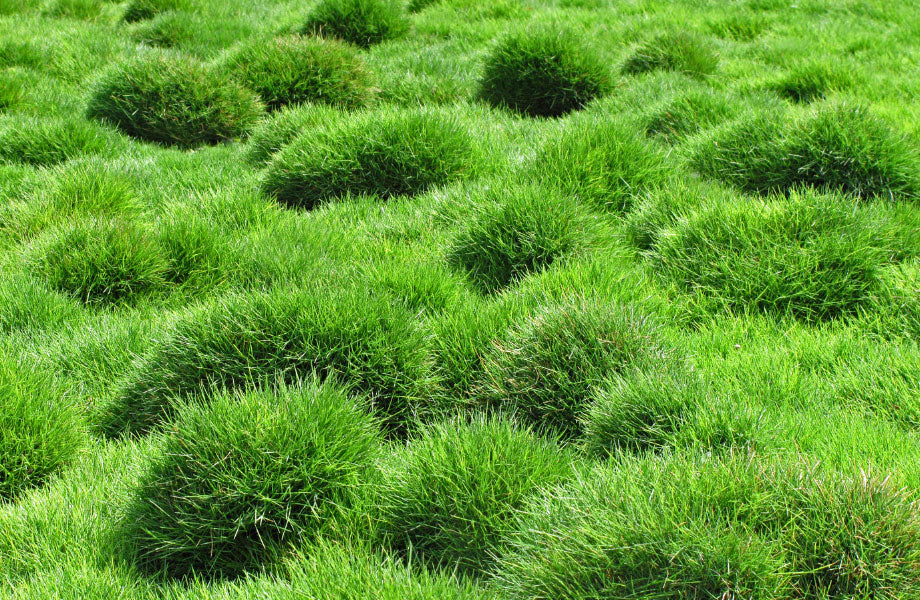
Yes, zoysia grass is shade tolerant compared to bermudagrass and most other warm-season grasses, but the amount of shade zoysia can handle depends almost entirely on the variety you plant. Fine-bladed Z. matrella varieties like Zeon tolerate as little as 3 to 4 hours of direct sunlight per day, according to NG Turf and The Grass Store. Coarser Z. japonica varieties like Empire and Meyer need 6 to 8 hours of direct sun to maintain dense, healthy growth, according to Bethel Farms. Choosing the wrong variety for a shaded yard is the most common reason homeowners see zoysia thin out under trees. This guide covers how much shade each variety handles, how to help zoysia perform in partial shade, how to spot shade damage early, and what to plant when the shade is too heavy for any zoysia.
How Much Shade Can Zoysia Grass Tolerate?
The amount of shade zoysia grass tolerates ranges from 3 hours of direct sunlight for the most shade-tolerant varieties to 6 or more hours for standard varieties. That range matters because it means some zoysia varieties perform well under a tree canopy where others fail within one to two growing seasons.
Shade comes in three forms, and each affects zoysia differently. Direct sunlight is unblocked light hitting the lawn with full intensity. Filtered sunlight passes through a tree canopy that breaks the light into moving patches of sun and shadow. Dappled sunlight reaches the lawn through gaps in dense overhead cover, producing small, scattered spots of light. Zoysia tolerates filtered sunlight better than dappled because filtered light still delivers consistent energy to the leaf surface over several hours.
Bethel Farms explains that zoysia's medium-width blades can absorb some filtered light, but the blade structure is not optimized for low-light conditions the way broader-leaved grasses like St. Augustine are. St. Augustine's wider blades, measuring 8 to 10 millimeters, capture more photosynthetic energy per unit of light than zoysia's 2-to-7-millimeter blades. This is why St. Augustine outperforms zoysia in heavy shade even though both are warm-season grasses.
Among all the warm-season grass types available, zoysia occupies the middle ground on shade tolerance. Bermuda needs 8 or more hours of full sun and fails quickly in any shade. Zoysia handles 3 to 6 hours depending on variety. St. Augustine handles 4 to 6 hours of filtered light. No warm-season grass thrives below 3 hours of light.
Which Zoysia Variety Is Best for Shade?
The best zoysia variety for shade is Zeon, followed by Emerald, Cavalier, and Palisades. Z. matrella varieties dominate the shade-tolerant end of the spectrum because their finer blade texture and denser canopy architecture capture filtered light more efficiently than the coarser Z. japonica types. Professional landscape design matches the variety to your yard's specific light conditions rather than defaulting to whichever sod is cheapest or most available.
Sources: NG Turf, USA Sod, Bethel Farms, The Grass Store, NC State Extension
USA Sod reports that Zeon and Emerald tolerate up to 40% shade, which makes them the strongest performers under tree canopies among all major zoysia varieties. The Grass Store describes Palisades as "shade tolerant like St. Augustine and drought tolerant like bermuda," placing it in the middle of the range with strong versatility across varying light conditions.
How to Help Zoysia Grass Grow in Partial Shade
Helping zoysia perform in partial shade requires adjusting mowing, watering, fertilizing, and the surrounding landscape to maximize the light and resources the grass receives. Follow these steps to give shaded zoysia the best chance at maintaining density and color:
- Raise the mowing height to 2 inches in shaded areas. Taller blades have more surface area for photosynthesis, which compensates for the reduced light. Mow sun-exposed areas at 1 to 1.5 inches but keep shaded zones at the upper end of zoysia's range.
- Reduce nitrogen fertilizer in shaded zones by 25 to 50% compared to sunny areas. Excess nitrogen pushes soft, leggy top growth that the grass cannot sustain with limited light energy. LSU AgCenter recommends lighter, less frequent fertilizer applications in shaded turf.
- Water shaded areas less frequently than sunny areas. Shade reduces evaporation, so the soil stays moist longer. Overwatering in shade promotes fungal diseases, especially large patch, which is the most common fungal problem in zoysia. Let the soil dry slightly between waterings.
- Prune tree canopies to thin the overhead cover. Removing lower branches (called limbing up) and thinning interior growth opens the canopy to allow more filtered light through. Arborists estimate that proper canopy thinning increases the light reaching the lawn by 30 to 50%.
- Improve air circulation around shaded areas. Dense plantings, fences, and structures that block airflow trap moisture on the grass surface, which increases disease pressure. Open up sight lines where possible to allow drying breezes to reach the turf.
- Aerate shaded areas annually. Compacted soil restricts root growth, which reduces the grass's ability to access water and nutrients from deeper soil layers. Lawn aeration loosens compacted ground and creates channels for root expansion.
- Correct soil pH and nutrient imbalances with soil amendment before planting or as part of ongoing care. A soil test through your local extension office reveals whether pH, phosphorus, or potassium levels are limiting growth in addition to the shade stress. Zoysia performs best at a pH between 5.8 and 7.0, according to Pennington.
How Do You Know If Shade Is Hurting Your Zoysia?
Shade damage in zoysia develops gradually, which makes it easy to miss until the turf has already declined significantly. Watch for these warning signs that indicate your zoysia is not getting enough light:
Thinning turf is the earliest sign. Zoysia in shade produces fewer tillers, which means the canopy opens up and bare soil becomes visible between grass plants. Healthy zoysia in full sun is dense enough to resist a finger push. Thinning zoysia in shade allows your finger through easily.
Color shift from deep green to yellow-green or pale green indicates reduced chlorophyll production. Zoysia that does not receive enough sunlight cannot produce the pigment that gives it the dark emerald color homeowners expect. The color change is subtle at first and easier to spot by comparing the shaded area to a sunny section of the same lawn.
Elongated, stretched blades grow taller than normal as the grass reaches upward searching for light. This stretching, called etiolation, produces a leggy appearance that looks different from the compact, stiff growth zoysia displays in full sun.
Increased weed presence in shaded areas signals that the zoysia canopy has thinned enough for weed seeds to germinate. Established zoysia suppresses weed infestation through sheer density, so weeds growing through zoysia indicate the density has dropped below the suppression threshold.
Fungal patches, especially circular brown areas from large patch disease, appear more frequently in shaded zoysia because the combination of low light, high moisture, and weakened turf creates ideal conditions for fungal growth. Properties with persistent turf decline or dead gardens in shaded areas often have underlying light or soil problems that need professional evaluation.
Is Zoysia or Bermuda Better in Shade?
Zoysia is significantly better in shade than bermuda. Bermuda grass needs a minimum of 8 hours of direct sunlight per day and declines rapidly in any shade, according to Pennington and NC State Extension. Zoysia, depending on variety, maintains healthy growth with as little as 3 to 4 hours of direct sun. The gap between the two grasses in shade performance is not small. Bermuda planted in partial shade thins within one season and often dies out entirely by year two. Zoysia planted in the same conditions, in the right variety, stays dense and green for years.
Bermuda's inability to handle shade is the primary reason homeowners with mature trees choose zoysia over bermuda. North Alabama yards often have a mix of full-sun and partially shaded areas created by oaks, maples, and other hardwoods. Planting bermuda in the sunny zones and a shade-tolerant zoysia variety like Zeon in the partially shaded zones gives each section the grass best suited to its light conditions. Professional lawn installation handles the transition between zones so the border between bermuda and zoysia looks intentional rather than accidental.
What to Plant Instead of Zoysia in Heavy Shade
When shade is too heavy for even the most tolerant zoysia variety, switching to a different plant type produces better results than forcing zoysia to survive in conditions it cannot handle. Heavy shade means fewer than 3 hours of direct or filtered sunlight per day, which falls below the minimum threshold for any warm-season turfgrass.
- St. Augustine grass (Palmetto or CitraBlue varieties) tolerates 4 to 6 hours of filtered light, according to Bethel Farms, and performs well in partially shaded areas where zoysia japonica varieties struggle. St. Augustine's broader blades capture more light energy per hour of exposure.
- Native shade-adapted groundcovers like mondo grass, liriope, or Asian jasmine thrive in 2 to 3 hours of filtered light and require no mowing. These plants stay green year-round in Alabama's climate and spread to form dense mats that suppress weeds.
- Mulch beds with low-maintenance plants like native ferns, hostas, or heuchera turn heavily shaded areas into attractive garden beds rather than struggling turf zones. Mulch beds eliminate the mowing problem entirely and add visual variety to the landscape.
- Shade-friendly hardscape features like stepping stone paths or gravel areas provide functional use in spots where grass cannot grow. A professional landscape design integrates these transitions so the yard looks cohesive rather than patchwork.
- Shade gardens with native flowering plants attract pollinators and songbirds even in low-light areas. A bird-friendly garden under a tree canopy transforms a problem area into a feature that adds value to the property.
Frequently Asked Questions
Will Zoysia Grow Under Trees?
Yes, zoysia grows under trees if the canopy allows at least 3 to 4 hours of direct or filtered sunlight to reach the grass. Shade-tolerant varieties like Zeon and Emerald handle tree-canopy conditions better than Empire or Meyer. Pruning lower branches and thinning the canopy increases the light reaching the turf. Dense canopies that block nearly all sunlight will prevent any warm-season grass from surviving, including zoysia.
What Is the Most Shade-Tolerant Warm-Season Grass?
The most shade-tolerant warm-season grass is St. Augustine, specifically the Palmetto and CitraBlue cultivars, which perform in 4 to 6 hours of filtered light. Among zoysias, Zeon is the most shade tolerant, handling as little as 3 to 4 hours of direct sun, according to NG Turf and The Grass Store. Bermuda is the least shade tolerant warm-season grass, requiring 8 or more hours of full sun.
Will Zoysia Choke Out Weeds in Shade?
Zoysia chokes out weeds in shade only if the turf maintains enough density to prevent weed seeds from reaching the soil. In full sun, zoysia's dense canopy suppresses nearly all weeds. In partial shade, thinning turf allows weeds to break through. Maintaining the correct mowing height, reducing nitrogen, and keeping the soil healthy help zoysia stay dense enough in shade to resist weed invasion.
What Is the Prettiest Zoysia Grass?
The prettiest zoysia grass is Emerald Zoysia, which has the finest blade texture and deepest green color of any major variety. Emerald produces a formal, manicured appearance similar to a putting green. Zeon Zoysia comes close with a translucent green color and soft texture that homeowners describe as a "barefoot lawn." Both varieties look their best when mowed regularly at 1 to 1.5 inches.
Does Zoysia Grass Need Full Sun?
Zoysia grass does not need full sun to grow, but it performs best with 6 or more hours of direct sunlight for most varieties. Shade-tolerant varieties like Zeon and Emerald maintain healthy growth with as little as 3 to 5 hours. Empire and Meyer produce their densest turf in full sun (6 to 8 hours) and decline noticeably in partial shade. Matching the variety to your yard's actual light conditions is the key to long-term success.
The Takeaway
Zoysia grass is shade tolerant compared to bermuda and most warm-season grasses, but shade tolerance varies dramatically by variety. Zeon handles as little as 3 to 4 hours of direct sun. Empire and Meyer need 6 to 8 hours. Choosing the right variety for your yard's light conditions determines whether the lawn thrives or slowly thins out under the trees. Raising the mowing height, reducing fertilizer, pruning tree canopies, and aerating compacted soil all help zoysia perform in partial shade. When the shade is too heavy for any turf, switching to groundcovers, mulch beds, or shade gardens turns a problem area into an attractive feature.
If you need help figuring out how much light your yard receives or which grass variety fits your specific conditions, White Shovel Landscapes can evaluate your property and recommend a plan that works with your trees, your soil, and your goals.
Call us at 256-612-4439 for a free estimate.


You May Also Like

Sep 12, 2026
3 min
How to Keep Landscape Edging Straight
Sep 11, 2026
3 min
How to Decorate a Patio: Ideas for 2025 and 2026
Sep 9, 2026
3 min
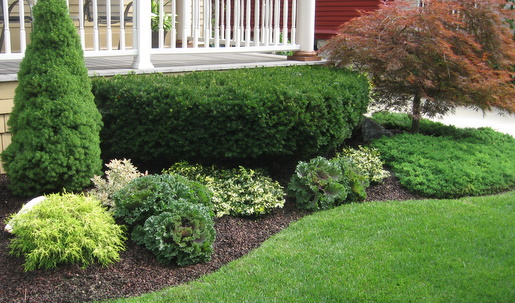
How to Trim Around Landscape Edging
Sep 7, 2026
3 min
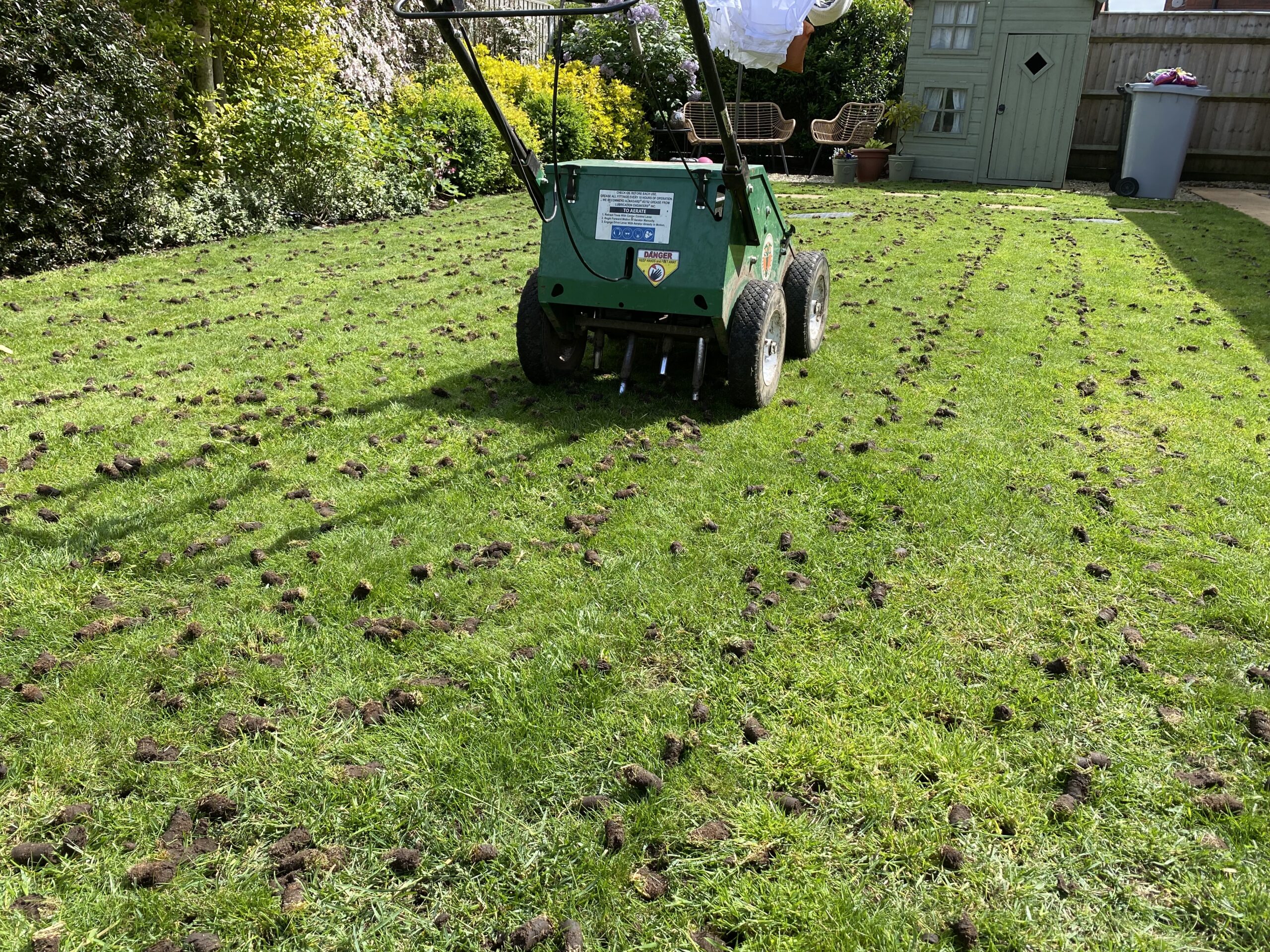
What Does a Lawn Look Like After Aeration
Have a Project in Mind?
If this post sounds like your yard, tell us about it. Request an estimate online or give us a call, and we’ll talk through what your property needs.



Transforming Huntsville & Madison yards since 2011 with expert landscape design, garden makeovers, mulching, and top-quality installations.


