Providing Best Services in Huntsville & Madison, AL


Follow us on Social.





Sep 1, 2026

3 min

Lawn Care
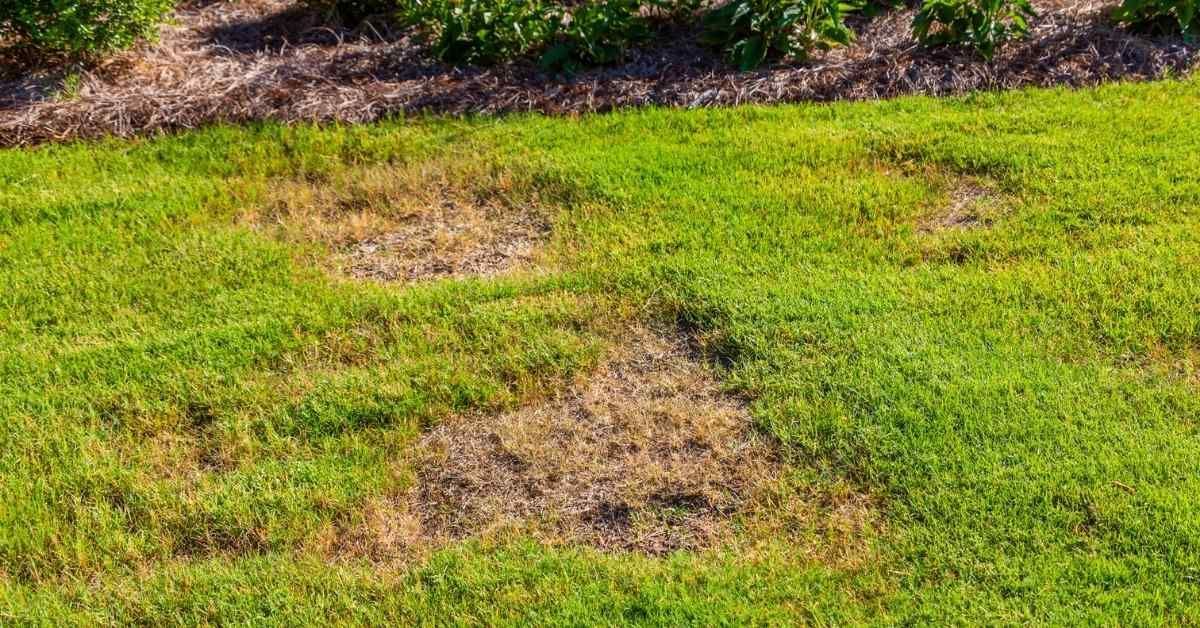
How to Repair Bare Spots in Zoysia Grass
To repair bare spots in Zoysia grass, first identify what killed the grass, then match the repair method to the size of the spot. Spots under 6 inches usually close on their own once the cause is corrected, spots between 6 inches and 2 feet need plugs, and anything larger than 2 feet needs a sod patch.
Skipping the diagnosis is the mistake that costs homeowners a second repair. Below we walk through what actually causes bare spots, how fast Zoysia closes them without help, which repair method fits which size, what soil to fill with and how deep, and how to keep the same spot from opening back up next spring.
How Do You Repair Bare Spots in Zoysia Grass?
You should repair bare spots in Zoysia grass by diagnosing the cause first, correcting that cause, and then choosing plugs, sod, or patience based on how large the spot is. Repairing the surface without fixing what created it produces a patch that dies again in the same place, usually within one season.
Diagnosis matters more with Zoysia than with most grasses because Zoysia recovers slowly. A bermudagrass lawn closes a bare spot in a few weeks and forgives a wrong guess. Zoysia does not. A misdiagnosed spot can sit open for an entire growing season, and by then weeds have taken the ground you were trying to reclaim.
The repair decision itself is straightforward once the cause is settled. Size drives the method, season drives the timing, and soil preparation drives whether the repair holds.
What Causes Bare Spots in Zoysia Grass?
Bare spots in Zoysia grass are caused by large patch disease, white grubs, deep shade, soil compaction, standing water, pet urine, fuel spills, and leftover leveling sand that blocks the grass from spreading. Each cause leaves a slightly different signature, and each one needs a different correction before any patching work begins.
Large patch is the most common culprit in the Southeast. Penn State's turfgrass disease program identifies it as the primary disease of zoysiagrass, caused by the soilborne fungus Rhizoctonia solani anastomosis group 2-2 LP. University of Georgia Extension documents infection occurring whenever the thatch layer sits between 50 and 70 degrees Fahrenheit with continuous moisture available for at least 48 hours, and the resulting circles range from 3 to 26 feet across.
Water sitting on the surface drives a second set of problems. University of Missouri Integrated Pest Management reports that large patch spreads quickly in saturated or flooded soils, which means a drainage problem and a disease problem often arrive together. Yards that hold standing water after storms produce recurring bare spots no matter how many times the grass gets replaced.
Compaction works differently but ends the same way. Compacted ground blocks roots, water, and air from moving downward, and Zoysia stolons cannot root into ground they cannot penetrate. Correcting the soil profile through soil amendment resolves the underlying condition rather than the symptom sitting on top of it.
Light is the last common cause, and it is the one homeowners most often miss. A spot under a maturing tree canopy gets less sun every year. Zoysia holds up better than bermuda in reduced light, though every variety still needs real sun to stay dense, and how shade affects the grass determines whether replanting that spot will ever work.
How to Treat Dead Spots in Zoysia Grass
You should treat dead spots in Zoysia grass by matching the treatment to the diagnosis: fungicide timing for large patch, insecticide timing for grubs, aeration for compaction, and drainage correction for saturated soil. NC State Extension notes that large patch treatment on zoysiagrass must be preventative rather than reactive, with applications initiated in fall once soil temperatures decline to 70 degrees Fahrenheit for five or more consecutive days.
Fall timing catches most homeowners off guard because the damage appears in spring. Infection happens in autumn when the fungus moves into the leaf sheaths, then symptoms surface months later as the lawn greens up. Spraying in April treats a problem that started the previous October.
How Do You Tell Large Patch From Grub Damage?
You can tell large patch from grub damage by pulling on the turf: large patch produces circular areas with orange margins and blades that slip loose from the sheath, while grub damage produces irregular patches of turf that lift free like carpet because the roots underneath are gone. University of Missouri IPM describes the giveaway for large patch as brilliant orange firing on the outer margins of active patches, most vivid in the morning or right after rain.
The rolling test settles grub damage in seconds. Grab a corner of the brown turf and pull upward. Turf that peels back with no root resistance points to grubs feeding below. Turf that stays anchored while individual blades slide out of their sheaths points to large patch instead.
Will Zoysia Grass Spread to Fill In Bare Spots?
Yes, Zoysia grass will spread to fill in bare spots, though it fills far slower than bermudagrass and needs direct soil contact to do it. The grass moves laterally through stolons running across the soil surface and rhizomes running below it, and both structures root into open ground as they advance.
Speed is the limitation. Research published in HortScience notes that Zoysia establishment from plugs or sprigs can take up to two years or longer to reach complete coverage, and that slow growth remains a major limitation on wider use of the grass. Coverage rate also varies by variety, with Zoysia japonica cultivars establishing faster than Zoysia matrella cultivars. How aggressively your particular lawn spreads depends heavily on which variety went down originally.
Will Bare Spots in a Lawn Grow Back?
Bare spots in a lawn will grow back on their own if they are smaller than about 6 inches across and the cause has been corrected. Surrounding healthy Zoysia closes gaps that size within four to eight weeks during active summer growth. Anything wider outpaces the grass, and weeds colonize the open soil before the stolons arrive.
Why Won't My Zoysia Spread Into Bare Areas?
Your Zoysia will not spread into bare areas when something physically blocks stolon contact with soil, and leftover leveling sand is the most common blocker. Stolons and rhizomes both need direct contact with soil to root into new ground. Soil contact is exactly what a layer of dry play sand prevents, and homeowners who leveled bumpy new sod with straight sand frequently find those same spots still bare ten months later.
Dry surface material creates a second barrier beyond contact. Bare soil left uncovered bakes hard in summer heat, and hardened crust resists stolon rooting the same way sand does. Keeping the repair area consistently moist matters as much as the material you fill it with.
How to Fill In Bare Spots in Zoysia
You should fill in bare spots in Zoysia by matching the method to the measured size of the spot, since the right approach changes at roughly 6 inches, 2 feet, and 6 feet. Measure the widest point of the bare area before buying any material. The table below sets out which method fits which size, what it takes, and how long the fill actually requires.
Spot SizeBest MethodMaterial NeededTime to Full FillBest SeasonUnder 6 inchesLet surrounding grass close itNone, correct the cause only4 to 8 weeksLate spring through summer6 inches to 2 feetPlugs on 8 to 12 inch centersPlugs plus screened topsoilOne full growing seasonEarly summer2 to 6 feetCut sod patchSod plus topsoil and compost blend3 to 4 weeks to root, 8 weeks to blendEarly summerOver 6 feetSod patch plus cause correctionSod, soil amendment, drainage workOne full growing seasonEarly summerThin, widespread areasSprigsSprigs with 2 to 4 nodes eachUp to 2 yearsEarly summer
Sources: University of Florida IFAS Extension turfgrass establishment guidance; HortScience research on zoysiagrass establishment from vegetative plugs; Crop, Forage & Turfgrass Management zoysiagrass sod production review; NC State Extension.
Plug spacing follows a documented standard. University of Florida IFAS Extension recommends planting Zoysia plugs on 8 to 12 inch centers precisely because of the slow establishment rate, meaning plugs go in every 8 to 12 inches within a row and rows sit 8 to 12 inches apart. Sprigs follow a different pattern, with fresh sprigs carrying at least 2 to 4 nodes planted in rows 6 inches apart and covered with 1 to 2 inches of soil, leaving part of each sprig exposed to light.
Can I Just Throw Grass Seed on Bare Spots?
No, you should not just throw grass seed on bare spots, and for most Zoysia lawns seed is not an available option at all. Emerald, Zeon, and Empire are sterile interspecific hybrids that produce no viable seed, so scattering seed on those lawns either does nothing or introduces a different grass entirely.
Seed availability tracks directly to which variety you have. Only Zenith and Compadre are widely sold as seed, both Zoysia japonica types, with limited seed availability for Meyer. Identifying which of the types of zoysia is in your yard determines whether seed is even on the table before you spend money on a bag.
Timing is the second reason scattered seed fails. Research cited in HortScience puts the optimum establishment window for Zoysia from seed between June 1 and June 15, a narrow band that has almost nothing in common with the spring and fall seeding most homeowners assume. Seeded Zoysia also germinates slowly, so knowing how long grass seed takes prevents writing off a repair that simply has not surfaced yet.
Can You Plug Zoysia Into a Bare Spot?
Yes, you can plug Zoysia into a bare spot, and plugging is the most cost-effective repair for areas between 6 inches and 2 feet across. A 2025 review in Crop, Forage & Turfgrass Management describes plugging as inserting small pieces of sod into prepared holes, using less plant material per area than sodding while requiring a longer establishment period to let the plugs spread by stolons and rhizomes.
Plugs cut from an inconspicuous corner of your own lawn guarantee a variety match. Purchased plugs rarely do, and a color or texture mismatch stays visible for years in a grass that blends this slowly.
What Is the Best Dirt to Fill In Bare Spots on a Lawn?
The best dirt to fill in bare spots on a lawn is finely screened topsoil blended with compost, at roughly three parts topsoil to one part compost. Screened topsoil settles evenly and holds moisture against new roots, while compost supplies organic matter that raw fill dirt lacks entirely.
Fill dirt is the wrong material and it is what most homeowners grab because it is cheap. Fill dirt carries almost no organic content, compacts hard, and produces a low spot that stays low. Correcting a soil profile that has already gone wrong takes proper soil repair rather than another load of the same material that caused the problem.
Is It Better to Use Sand or Dirt to Fill Holes?
It is better to use screened topsoil than sand to fill holes in a Zoysia lawn, because sand alone holds no nutrients and drains too fast for new roots. Sand has a legitimate but narrow role, mixed at roughly 40 percent into a topsoil and compost blend for surface leveling on heavy ground. Straight sand poured into a hole creates a dry pocket that Zoysia stolons refuse to cross.
Why Do People Put Sand on Top of Grass?
People put sand on top of grass to level shallow low spots and smooth surface bumps, a practice called topdressing. Topdressing with a sand and soil blend works well at correct depth on actively growing turf. Straight sand applied thickly is where the practice goes wrong, since sand that dries into a crust blocks the lateral spread the repair depends on.
Can I Put Topsoil Over Existing Grass?
Yes, you can put topsoil over existing grass at a depth of one quarter to one half inch per application, and no deeper. At that depth the grass blades still show through the material and the crowns keep breathing. Anything thicker buries the crowns and kills the turf you were trying to improve.
Depth math helps with ordering. One cubic yard of material covers roughly 1,300 square feet at a quarter inch, which is a far larger area than most homeowners expect and a common source of over-ordering. Repeat applications several weeks apart correct deeper lows safely, and repeating is always safer than going thick once.
Will Grass Grow Through 2 Inches of Topsoil?
No, grass will not grow through 2 inches of topsoil, and burying established turf that deep kills it. Two inches sits four to eight times deeper than the safe topdressing range and completely covers the growing crowns. An area that has already received 2 inches of soil needs replanting rather than waiting, because the grass underneath is gone.
How Deep of a Hole Can I Fill With Topsoil?
You can fill a hole with topsoil to any depth when the hole has no living grass in it, since the depth limit only applies to material spread over existing turf. Fill a true hole to within a half inch of surrounding grade, tamp it firm, then bring the last half inch up gradually so the settled surface finishes level. Fresh soil settles noticeably after the first several waterings, so slightly overfilling a deep hole is the correct move.
How Do You Patch Zoysia With Sod?
You should patch Zoysia with sod by cutting a piece larger than the bare area, removing the damaged turf and a layer of soil beneath it, preparing the base, then seating the patch level and watering it hard. The sequence below is the one we follow on repair calls:
- Cut the patch oversized. Cut a piece of sod extending about 2 inches past the edges of the bare area on all sides. Oversizing gives the patch healthy grass to knit into rather than a dead margin.
- Trace and remove. Lay the patch over the damaged area and cut around it with a sharp spade, then set the patch aside and lift out the dead turf along with the healthy ring you traced.
- Excavate to depth. Remove soil until the hole is as deep as the sod is thick. A patch seated too high dries out and scalps under the mower; a patch seated too low collects water.
- Prepare the base. Loosen the bottom of the hole 2 to 3 inches with a cultivator or garden fork, then add screened topsoil blended with compost to bring the base to correct height.
- Seat and tamp. Press the patch into place and walk it in so it finishes flush with surrounding grade. Firm contact between sod roots and soil is what drives rooting.
- Water immediately and often. Water the patch as soon as it is seated, then water 2 to 3 times daily for the first several days, tapering to every other day through week three.
Patch sod cut from your own lawn beats purchased sod for the same reason plugs do, which is a guaranteed variety match. A full sod installation becomes the better path once the damaged area passes roughly a third of the lawn, since patchwork at that scale never blends cleanly.
What Type of Dirt to Put Down Before Sod?
You should put down screened topsoil blended with compost before sod, spread 2 to 4 inches deep over loosened subsoil. Sod roots need to reach a soil layer that holds moisture and nutrients within the first two weeks. Laying sod directly onto compacted clay or raw fill dirt produces a patch that stays green for a month and then thins out as the roots hit a wall they cannot penetrate.
How Do I Fix Dead Spots in New Sod?
You should fix dead spots in new sod by increasing water frequency and checking soil contact underneath, because most new-sod failure is a watering or contact problem rather than disease. Lift a corner of the affected piece. Soil that is dry an inch down means underwatering, and an air gap between sod and soil means the piece was never firmed in.
New sod carries no root connection to the ground for the first week and dries out much faster than established turf. Watering that stops too early is the single most common cause of dead patches in fresh installations, and the same short list of installation mistakes repeats across every warm-season grass. Reseat any loose piece, add topsoil beneath it if the base has settled, and return to a daily watering schedule until the corner resists a gentle tug.
How to Make Grass Grow Faster and Fill In Bare Spots
You should make Zoysia grow faster into bare spots by raising the mowing height, relieving compaction, feeding phosphorus and potassium, and keeping the repair area consistently moist. Zoysia spreads through lateral growth, so every accelerator works by giving stolons more energy and easier ground to travel across. These are the levers that actually move the timeline:
- Raise the mowing height. Keep a recovering Zoysia lawn at 1½ inches or taller and remove no more than one third of blade height per mow. Taller blades drive deeper roots and stronger lateral growth.
- Relieve compaction. Core aeration opens channels for water, air, and roots to move downward, and lawn aeration in spring measurably improves both rooting and turf quality on Zoysia.
- Feed phosphorus and potassium, not nitrogen. Root and lateral development respond to P and K. Heavy nitrogen pushes leaf growth and increases disease pressure at the same time.
- Keep the area consistently moist. Established Zoysia needs roughly 1 inch of water per week, but a repair area needs more frequent, lighter watering until the stolons root.
- Manage thatch. Keep the thatch layer under a half inch. Thicker thatch blocks water and nutrients while creating habitat for both fungal disease and insects.
- Redirect foot traffic. A path worn through the same line reopens every repair made across it. Move the traffic or the repair will not hold.
How Do You Keep Bare Spots From Coming Back?
You should keep bare spots from coming back by correcting the drainage, compaction, and fertility conditions that created them, since a patched spot on uncorrected ground fails again within one season. NC State Extension lists the drivers of large patch as excessive nitrogen, poor soil drainage, over-irrigation, excessive thatch accumulation, and low mowing heights, and four of those five are conditions rather than events.
Heavy clay is the underlying condition across much of the Tennessee Valley, and Huntsville yards sit on a great deal of it. Clay holds water through winter, and saturated soil compounds both cold injury and disease pressure on a warm-season grass that is already dormant and defenseless.
Correcting that starts below the surface. Improving structure and infiltration in clay soil changes how long water sits after a storm, which changes the disease window the fungus needs.
Yards that pool water need more than soil work. Redirecting surface water through proper drainage solutions removes the standing moisture that feeds recurring bare ground in the same low corners year after year.
Fertility timing closes the loop. Zoysia needs only 1 to 3 pounds of nitrogen per 1,000 square feet annually, applied during summer rather than in early spring or fall when large patch is active. On the Madison lawns we maintain, pulling nitrogen out of the shoulder seasons reduces spring patch damage more reliably than any spray does.
Where the soil profile itself is the problem, none of the surface work holds. We amend the soil before replanting anything, because rebuilding a patch on unchanged ground is money spent twice.
When Is the Best Time to Repair Zoysia Bare Spots?
The best time to repair Zoysia bare spots is early summer, once soil has warmed fully and the grass has entered active growth. Research cited in HortScience found that El Toro Zoysia planted from sprigs and plugs in early summer established in 3 to 4 months, while the same material planted in fall took 9 months and spring plantings took 11 months.
Three to four months against eleven is the difference a planting date makes. Early summer gives the repair maximum warm-weather growing time before dormancy, and it puts new plugs into soil warm enough to drive immediate stolon growth rather than sitting idle waiting for temperatures to rise.
Repairs made late in the season carry a second cost beyond slow fill. Roots that have not developed fully by first frost face winter injury on top of everything else, which is how a fall patch becomes next spring's bare spot.
Frequently Asked Questions
Is 2 Inches of Topsoil Enough for Sod?
Yes, 2 inches of topsoil is enough for sod as a minimum, though 4 inches over loosened subsoil performs better. The topsoil layer needs to hold moisture and nutrients while sod roots establish over the first three to four weeks. Anything less than 2 inches over compacted ground leaves roots nowhere useful to go.
Should You Tamp Dirt Before Laying Sod?
Yes, you should tamp dirt before laying sod, firmly enough to remove air pockets but not so hard that you recompact the soil. Aim for ground that holds a shallow footprint without sinking. Loose soil settles unevenly after watering and leaves the patch sitting low, while overtamped soil blocks the root penetration the sod needs.
What Happens if You Put Sand on Top of Dirt?
When you put sand on top of dirt, the sand forms a fast-draining layer that dries out quickly and blocks water movement between the two materials. Water moves poorly across the boundary between sand and finer soil, so roots stall at that line. Blending sand into topsoil rather than layering it on top avoids the problem entirely.
What Time of Year Should I Add Sand to My Lawn?
You should add sand to a Zoysia lawn in early summer, during active growth, and only as part of a topdressing blend. Grass growing actively pushes up through the material within a couple of weeks. Sand applied during dormancy sits on the surface for months and smothers the crowns underneath.
How Do I Repair a Gasoline Spill on My Zoysia Lawn?
To repair a gasoline spill on a Zoysia lawn, excavate the contaminated soil rather than trying to flush it, then refill with clean topsoil and replant. Gasoline kills grass on contact and lingers in the soil, so watering it in spreads the damage outward. Remove soil to roughly 4 to 6 inches deep across the stained area, backfill with screened topsoil and compost, and patch with sod or plugs.
How Long Does It Take Zoysia to Fill In a Bare Spot?
Zoysia takes 4 to 8 weeks to fill a spot under 6 inches, one full growing season to fill a plugged area, and up to 2 years for complete coverage from sprigs. Fill rate depends on variety, season, and soil contact. Zoysia japonica types close ground measurably faster than the finer Zoysia matrella types.
Putting It All Together
Repairing bare spots in Zoysia comes down to two decisions made in the right order. Find out what killed the grass and fix that condition, then size the repair to the spot: under 6 inches closes itself, 6 inches to 2 feet takes plugs, and anything larger takes a sod patch. Fill with screened topsoil and compost rather than fill dirt or straight sand, keep topdressing under a half inch over living grass, and schedule the work for early summer where a repair establishes in a third of the time it needs in spring.
Recurring spots are almost always a drainage, compaction, or fertility-timing problem wearing a disguise, and those are worth solving once instead of patching every year. If the same corner of your yard keeps opening back up, we are happy to take a look and tell you what is actually going on underneath. You can find more of what we do at White Shovel Landscapes or reach us at 256-612-4439.


You May Also Like

Sep 12, 2026
3 min
How to Keep Landscape Edging Straight
Sep 11, 2026
3 min
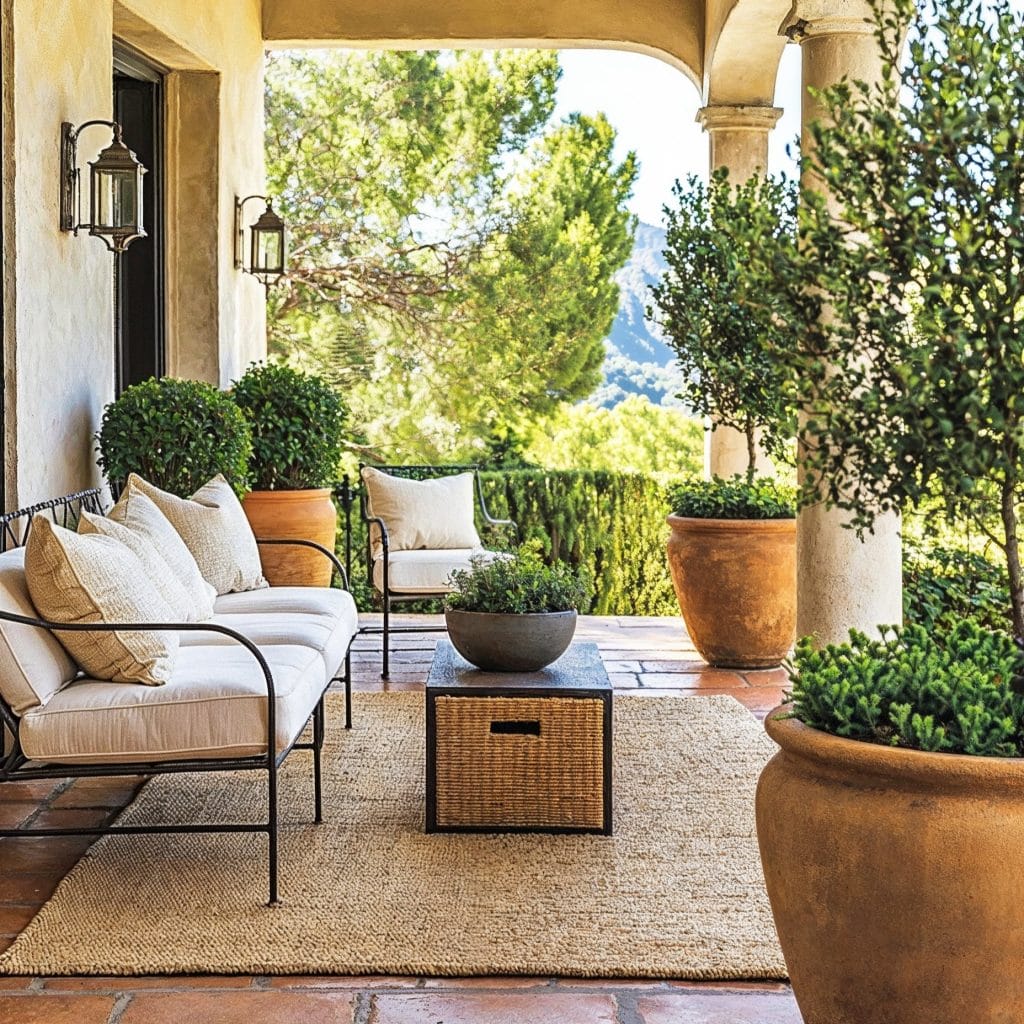
How to Decorate a Patio: Ideas for 2025 and 2026
Sep 9, 2026
3 min
How to Trim Around Landscape Edging
Sep 7, 2026
3 min
What Does a Lawn Look Like After Aeration
Stay Connected and Inspired
Get the latest landscaping tips, seasonal care guides, and exclusive offers delivered straight to your inbox. Don’t miss out on expert advice and ideas to transform your outdoor spaces.
Sign Up for Our Newsletter Today!


Transforming Huntsville & Madison yards since 2010 with expert landscape design, garden makeovers, mulching, and top-quality installations.


