Providing Best Services in Huntsville & Madison, AL


Follow us on Social.




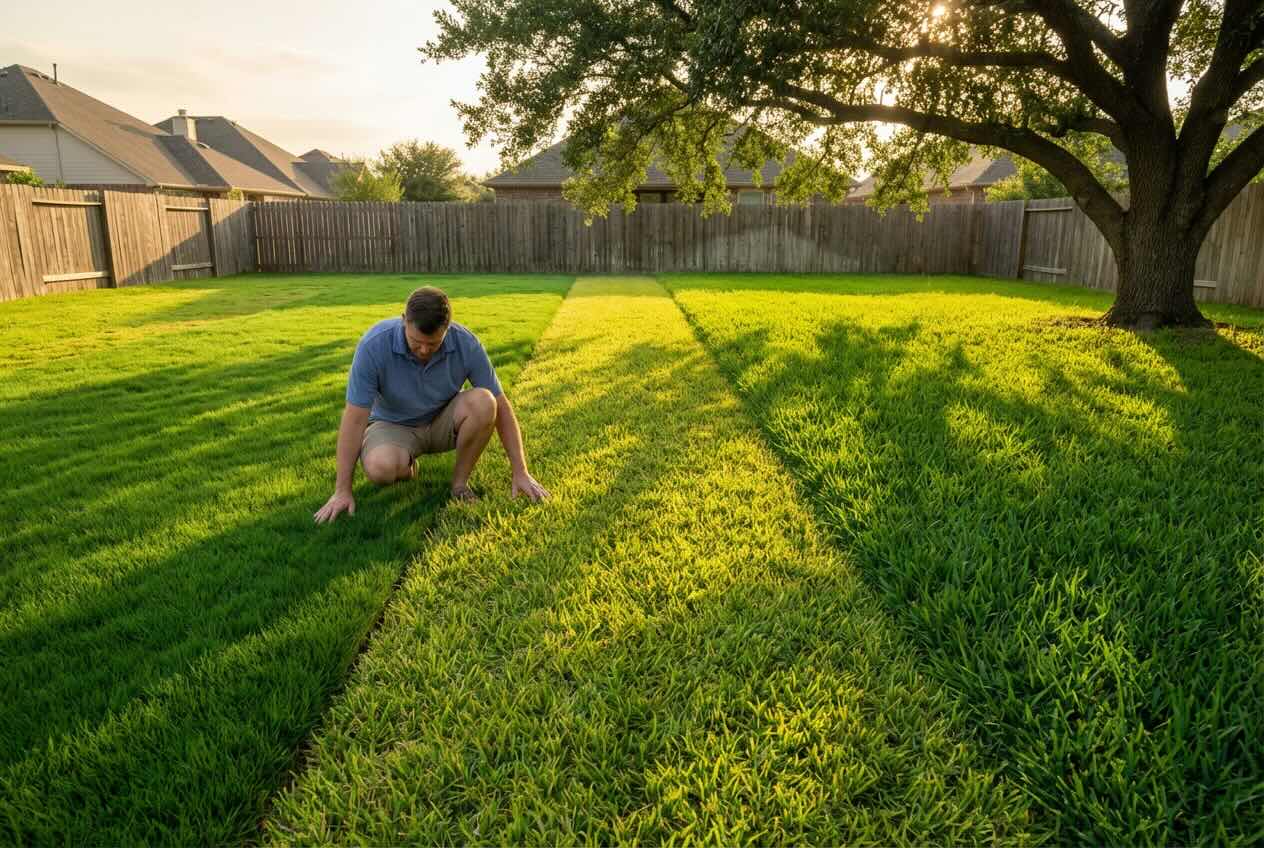

Aug 10, 2026

3 min

Lawn Care
How Many Types of Zoysia Grass Are There?
There are about 11 recognized species of Zoysia grass, 3 of those species are grown as turfgrass in the United States, and more than 20 named cultivars are sold to homeowners as sod, plugs, or seed. The number you get depends entirely on whether someone is counting species or counting varieties, and most answers online never say which one they mean.
That single gap causes most of the confusion homeowners run into. Below we break the count apart at both levels, explain why the cultivar list keeps growing, compare the varieties you can actually buy, and walk through which types hold up in North Alabama winters.
How Many Types of Zoysia Grass Are There?
There are approximately 11 recognized species of Zoysia grass in the genus, 3 species grown as turfgrass in the United States, and more than 20 named cultivars sold commercially. Research published in the International Turfgrass Society Research Journal notes that taxonomic databases variously count 9, 10, or 11 species in the genus Zoysia, with 11 the figure most breeding programs use.
Eleven species is the botanical answer. The botanical answer is not the answer most homeowners need, because you cannot buy a species at a sod farm. Sod farms sell cultivars, which are named, propagated selections bred from those species. Texas A&M AgriLife Extension lists 21 Zoysia varieties available in Texas alone, and that catalog covers one state.
So the honest count runs on two tiers. The species tier is small and stable. The cultivar tier is large and grows every few years as breeding programs release new selections. A homeowner comparing Emerald against Zeon is comparing cultivars, not species, even though both conversations get labeled "types of Zoysia grass."
What Are the Three Types of Zoysia Grass?
The three types of Zoysia grass grown as turfgrass in the United States are Zoysia japonica, Zoysia matrella, and Zoysia pacifica. These three carry common names of Japanese lawngrass, Manilagrass, and Mascarenegrass, and every named Zoysia cultivar on the American market traces back to one of them or to a cross between them.
Japanese lawngrass, Z. japonica, carries the coarsest leaf blade of the three and the strongest cold tolerance. Cold tolerance makes japonica the backbone species for lawns north of the Deep South. Manilagrass, Z. matrella, produces a much finer blade, a denser canopy, and better shade performance, though it gives up winter hardiness to get there. Mascarenegrass, Z. pacifica, grows finest of all and forms a puffy, cushion-like mat rather than a flat lawn surface, which is why it shows up in ornamental plantings more often than in yards.
The genus itself is native to the Pacific Rim, with a documented natural range spanning 42 degrees north latitude to 42 degrees south, according to plant patent records filed by Texas A&M AgriLife Research. That wide native range across hot and temperate climates is exactly why the genus produced species with such different tolerances.
What Is the Difference Between Zoysia Japonica and Zoysia Matrella?
The difference between Zoysia japonica and Zoysia matrella is leaf texture and cold hardiness: japonica has a coarser blade and survives colder winters, while matrella has a finer blade, higher shoot density, and better shade tolerance. Texas A&M AgriLife Extension puts the trade-off plainly, noting that japonica varieties possess coarser leaf texture and better cold tolerance relative to matrella, while matrella varieties bring improved shade tolerance.
Shade tolerance and cold tolerance rarely arrive in the same package. That tension shapes nearly every buying decision a homeowner makes, and it explains why breeders spent decades crossing the two species.
What Species Is Zoysia Grass?
Zoysia grass belongs to the genus Zoysia in the grass family Poaceae, and it is a warm-season perennial turfgrass rather than a single species. The genus name honors Karl von Zois, an eighteenth-century Austrian botanist. Warm-season means the grass runs its growth cycle in summer heat and goes dormant in cold weather, which separates Zoysia from cool-season grasses like tall fescue that stay green through winter and struggle in July.
Why Are There So Many Types of Zoysia Grass?
There are so many types of Zoysia grass because the species cross-fertilize freely, which lets breeders combine traits from different species into new hybrid cultivars. Most grass species stay reproductively isolated. Zoysia species do not, and that biological quirk turned the genus into one of the most heavily bred turfgrasses in the country.
Cross-fertility means a breeder can pair the winter survival of japonica with the fine blade of matrella and produce offspring carrying both. Offspring carrying both traits get named, patented, and sold, and the cultivar list grows another entry. This is the reason the varieties you see at a sod farm are mostly interspecific hybrids rather than pure species selections, a distinction almost no buying guide bothers to make.
Genetic work has confirmed how blurred those lines have become. A study by North Carolina State University in collaboration with the University of Florida and USDA-ARS evaluated 62 zoysiagrass cultivars and collections representing five species, and the samples sorted into four genetic clusters rather than clean species groups. Two clusters held true japonica and true matrella cultivars. The cluster sitting between them held hybrids, split further by which parent contributed more genetic material. Several commercial cultivars had been misclassified for years as a result. Zoysia also spreads by both stolons above the soil and rhizomes below it, which gives every one of these hybrids the same dense, mat-forming growth habit.
What Are the Different Types of Zoysia Grass Sold for Lawns?
The different types of Zoysia grass sold for lawns include Meyer, Emerald, Zeon, Empire, Zenith, El Toro, Palisades, Zorro, JaMur, Compadre, and Innovation. Each one is a named cultivar with a documented parent species, a measured leaf texture, and a tested tolerance profile, and the differences between them are large enough to change how a yard performs.
Meyer, released in 1952, remains the reference point for cold hardiness and is still the default choice across the transition zone. Emerald delivers the darkest color and one of the finest blades available in a lawn-grade Zoysia. Zeon carries a soft fine blade with strong turf quality and shows up frequently on golf courses. Empire runs coarser with a blue-green cast and handles heavy rain and varied soils well. Zenith and Compadre matter for a different reason, which is that both establish from seed. Choosing among these is the point where sod installation planning starts, because most of the premium selections arrive one way only.
Which Zoysia Species Do the Common Cultivars Come From?
Most common Zoysia cultivars come from Zoysia japonica or from crosses between Zoysia japonica and Zoysia matrella, with a smaller number derived from Zoysia pacifica crosses. The table below maps the parent species behind each cultivar, which is the fastest way to predict how a variety will behave before you buy it.
CultivarParent SpeciesLeaf TextureCold HardinessShade ToleranceHow It Is SoldMeyerZ. japonicaMedium coarseExcellentModerateSod, limited seedZenithZ. japonicaMediumVery goodLight shadeSeed and sodCompadreZ. japonicaMediumVery goodLight shadeSeed and sodEl ToroZ. japonicaMedium coarseGoodGoodSodEmeraldZ. japonica x Z. pacificaVery fineFairGoodSodZeonZ. japonica x Z. matrellaFineGoodGoodSodPalisadesZ. japonica x Z. matrellaMediumVery goodPoorSodJaMurZ. japonica x Z. matrellaMedium coarseExcellentModerateSodEmpireZ. japonica x Z. matrellaMedium coarseGoodModerateSodZorroZ. japonica x Z. matrellaFineGoodExcellentSodInnovationZ. japonica x Z. matrellaFineExcellentGoodSod
Sources: Texas A&M AgriLife Extension turfgrass variety records; Clemson University Home & Garden Information Center; Kansas State University Turfgrass Research; National Turfgrass Evaluation Program.
What Is the Finest Bladed Zoysia Grass?
The finest bladed Zoysia grass available for lawns is Emerald, followed closely by Zeon and Zorro. Emerald pairs a very fine leaf with high shoot density and a dark green color, which produces the carpet-like surface most homeowners picture when they imagine Zoysia. Fine blades come with a maintenance consequence, though. Clemson University Home & Garden Information Center notes that Emerald builds excess thatch quickly if it gets over-fertilized, and that it runs prone to winter injury northward from the Columbia, South Carolina area.
Which Is Better, Emerald or Zeon Zoysia?
Zeon is better for most home lawns because it holds up in winter better than Emerald, while Emerald is better if you want the finest possible blade and darkest color and your yard sits in a warmer pocket. Both carry fine texture and good shade performance, so the decision comes down to winter risk against visual refinement.
Winter risk is the real separator. Emerald descends from a japonica and pacifica cross, and pacifica contributes almost nothing in cold hardiness. Zeon descends from a japonica and matrella cross, which keeps more of the cold-tolerant parentage in play. Clemson's evaluation records the same pattern, describing Emerald as having less winter hardiness but more shade tolerance than Meyer, while Zeon shows good shade tolerance, good drought tolerance, and tolerance to wet growing conditions on top of that.
Wet-condition tolerance matters more than homeowners expect in a climate that delivers heavy spring rain. A yard that holds water after storms punishes Emerald faster than it punishes Zeon.
What Is the Best Zoysia Grass Variety?
The best Zoysia grass variety is the one matched to your yard's winter lows, daily sun hours, foot traffic, and planting method, because no single cultivar leads in every category. Meyer wins on cold. Emerald wins on appearance. Zorro wins on shade. Zenith wins on availability from seed. Ranking them without naming a criterion produces an answer that means nothing.
Four filters narrow the field fast, and they work best in a fixed order: cold hardiness first, because a variety that dies in a hard winter fails on every other measure; then shade, because sun hours are fixed by your trees and your house; then traffic, because kids and dogs impose a floor on durability; then planting method, because it decides what you can actually get delivered.
Which Zoysia Grass Is the Most Cold Hardy?
Meyer is the most cold hardy Zoysia grass variety, and it has held that position since its release in 1952. Kansas State University Turfgrass Research describes Meyer as still widely used across the transition zone largely because of its excellent cold hardiness, despite a medium coarse leaf texture and lower density than matrella-type cultivars.
Density and texture were exactly the weaknesses breeders set out to fix. In 2004 researchers at Kansas State and Texas A&M AgriLife Research began a joint program to develop dense, fine-textured zoysiagrasses matching Meyer's freezing tolerance. Freezing-tolerance testing under controlled conditions measured the resulting selection at an LT50, the temperature that kills half the tillers, statistically similar to Meyer across two consecutive winters. Newer fine-bladed releases like Innovation came out of that same transition-zone breeding effort.
Which Zoysia Is the Most Shade Tolerant?
Zorro is the most shade tolerant Zoysia grass variety, and it performs on as little as 3 to 4 hours of sunlight per day. Emerald, Zeon, and Icon follow behind it, all fine-bladed selections that hold density under tree canopy better than the coarser japonica types. Every Zoysia still needs real light to stay thick, so a deeply shaded yard remains a hard site regardless of variety, and it helps to know how shade tolerant the grass truly is before committing a whole lawn to it.
Which Type of Zoysia Grass Is Best for the Transition Zone?
The best types of Zoysia grass for the transition zone are Meyer, Zenith, JaMur, Innovation, and Palisades, because all five carry very good to excellent cold hardiness. The transition zone runs across the central United States where summers get too hot for cool-season grasses and winters get too cold for tender warm-season grasses, and it is the hardest turf climate in the country to plant.
Huntsville sits at the northern edge of practical Zoysia territory. The 2023 USDA Plant Hardiness Zone Map places the area in Zones 7b and 8a, meaning average annual winter lows between 5 and 15 degrees Fahrenheit. Winter lows in that range are survivable for japonica-derived cultivars and genuinely risky for the pacifica-heavy ones. Auburn University hosts the current National Turfgrass Evaluation Program zoysiagrass trial, which puts performance data close to home rather than borrowed from Florida or Texas.
Soil decides almost as much as air temperature. Much of the Tennessee Valley sits on heavy clay that holds water through winter, and saturated soil compounds cold injury on any warm-season grass. We handle that with soil amendment before a single piece of sod goes down, because correcting the soil profile first is cheaper than replacing a lawn later. On the Madison yards we sod, that prep step is the difference between a lawn that greens up in April and one that comes back patchy.
Species choice narrows further once soil and cold are both accounted for. Zoysia is one of several viable warm-season grass types for the region, and it earns its place through density and shade performance rather than pure toughness.
Is It Better to Plant Zoysia Seed or Plugs?
It is better to plant Zoysia sod or plugs than seed for most lawns, because the premium fine-bladed varieties are sterile hybrids that produce no viable seed at all. Sterility is the constraint nobody mentions in variety comparisons, and it quietly removes most of the cultivar list from consideration the moment a homeowner decides to seed.
Emerald, Zeon, and Empire cannot be seeded. All three are sterile interspecific hybrids, and sod or plugs remain the only path to any of them. Plugs cost far less than full sod and work well for patient homeowners, though coverage typically takes two growing seasons from 3-inch plugs set on one-foot grids. Sod delivers a finished lawn on day one. Anyone weighing a full new lawn installation against a slower plug approach is really choosing between money now and time later.
Which Zoysia Varieties Are Available as Seed?
The Zoysia varieties available as seed are Zenith and Compadre, both Zoysia japonica types, with limited seed availability for Meyer. Both seeded options produce a medium-textured lawn with good cold hardiness and tolerance for light shade, which suits transition-zone yards well. Seeded Zoysia takes considerably longer to fill in than sod, and germination timing is unforgiving, so it pays to know how long zoysia grass seed needs before you commit a season to it.
How Long Does It Take for Zoysia Sod to Establish?
Zoysia sod takes 4 to 6 weeks to root firmly and a full growing season to establish completely, though it provides finished coverage the day it is laid. Rooting speed depends on soil temperature, moisture, and how well the ground was prepared underneath. The sequence below is what establishment looks like week by week:
- Days 1 through 7: Water daily to keep the sod and the top inch of soil consistently damp. The sod has no root connection to the ground yet and dries out fast.
- Days 8 through 21: Roots begin knitting into the soil below. Shift to watering every other day and stay off the lawn entirely.
- Weeks 4 through 6: Root anchorage becomes firm enough that a corner of sod resists a gentle tug. Mow for the first time once the grass reaches roughly one third above target height.
- Weeks 7 through 12: Taper to about 1 inch of water per week. Stolons and rhizomes start closing the seams between sod pieces.
- Season two: The lawn reaches full density and the characteristic mat that crowds out most weeds.
Nearly every failed Zoysia lawn we get called out to fix traces back to the first three weeks. Watering that stops too early, sod laid over compacted ground, and heavy foot traffic during rooting account for most of it, and those same sod installation mistakes repeat across every warm-season grass.
Grading and prep are where the problems actually start, well before the first roll goes down. A professional landscape installation removes the guesswork from those stages, which is the cheapest insurance available on a new lawn.
Should You Cut Zoysia High or Low?
You should cut Zoysia low, at 1 to 2 inches for home lawns with a rotary mower, and the exact height depends on which type you planted. Texas A&M AgriLife Extension sets the home lawn range at 1 to 2 inches with a rotary mower and drops to 0.5 to 1 inch for golf and athletic turf, which requires a reel mower. Putting green Zoysia runs at or below 0.150 inches.
Mowing height splits along species lines. Coarser japonica varieties perform better at the higher end of the home lawn range. Finer matrella-type varieties tolerate the lower end and actually look better there. Reel mowers become necessary below roughly 1 inch to produce acceptable turf quality, which means a homeowner choosing Emerald or Zorro for the fine blade may need different equipment than the rotary mower already in the garage. Stiff Zoysia leaf blades also dull mower blades faster than most grasses, so blade sharpening moves higher on the maintenance list.
What Month Does Zoysia Grass Turn Green?
Zoysia grass turns green in April in most of the South, and green-up timing shifts by two to three weeks depending on the variety. Green-up follows soil temperature rather than the calendar, and Zoysia begins active growth once temperatures reach roughly 80 to 95 degrees Fahrenheit, slowing sharply below 60 degrees.
Slow spring green-up is the trait homeowners complain about most and the one that varies most between types. Cold-hardy japonica cultivars like Meyer and Zenith generally break dormancy earlier and hold fall color later. Fine-bladed hybrids tend to lag in spring, which leaves a straw-colored lawn sitting next to a neighbor's green one for a few extra weeks. Spring green-up rating is one of the standard measures the National Turfgrass Evaluation Program has tracked in its variety trials since 1983, and the spread between cultivars in those trials is large enough to matter to anyone who cares what the yard looks like in March.
Which Grass Looks Better, Bermuda or Zoysia?
Zoysia is not the only warm-season option for a Southern lawn, and the comparison that comes up most often is against bermudagrass. Zoysia looks better than bermuda for most home lawns because it forms a denser, softer, more uniform surface, while bermuda looks better on heavily used sports turf where fast recovery matters more than texture.
Density is where Zoysia separates. The mat it forms crowds out weeds naturally and feels noticeably softer underfoot. Bermuda grows faster and repairs damage more quickly, but it demands full sun, mows more often, and thins badly under any shade. Zoysia also requires less nitrogen. Texas A&M AgriLife Extension places annual Zoysia fertility at 1 to 3 pounds of nitrogen per 1,000 square feet, and NC State Extension narrows that to 1 to 2 pounds per year for transition-zone lawns. Since the two grasses often grow side by side in the same neighborhood, it helps to be able to tell them apart before deciding which one you actually have.
How Do I Know What Type of Zoysia Grass I Have?
You can identify what type of Zoysia grass you have by measuring leaf blade width, checking shoot density, and noting winter color retention. Very fine blades under 2 millimeters with a dark green color point toward Emerald, Zeon, or Zorro. Medium coarse blades with strong winter survival point toward Meyer or JaMur. Blade width and density together narrow it quickly, and knowing what it looks like across seasons removes most of the remaining guesswork.
How to Choose the Right Type of Zoysia Grass for Your Yard
Choose the right type of Zoysia grass by working through winter lows, sun hours, foot traffic, mowing equipment, and planting method in that order. Working the filters in sequence eliminates unsuitable cultivars before you get attached to one for the wrong reason. Here is what to weigh at each step:
- Winter lows. In USDA Zones 7b and 8a, prioritize japonica-derived cultivars. Meyer, Zenith, JaMur, and Innovation all carry the cold tolerance the climate demands.
- Sun hours. Count actual daily direct sun in the thinnest part of the yard, not the sunniest. Under 4 hours pushes you toward Zorro or another fine-bladed shade performer.
- Foot traffic. Kids, dogs, and gatherings favor medium-textured varieties. Zoysia tolerates traffic well across the board but recovers slowly from damage, so durability beats refinement on active lawns.
- Mowing equipment. A rotary mower caps your practical options at cultivars comfortable above 1 inch. Fine-bladed selections mowed too high lose the look you paid for.
- Planting method. Seeding limits you to Zenith or Compadre. Sod and plugs open the full catalog.
- Patience for establishment. Zoysia fills in slower than bermuda no matter which type you pick. Sod buys speed; plugs buy savings.
- Bed and border layout. Grass choice works best decided alongside the rest of the yard, which is where thoughtful landscape design pays off, since bed placement changes the sun map the grass has to live with.
We walk homeowners through these filters before recommending a variety, because the wrong Zoysia in the right yard still fails.
Frequently Asked Questions
What Is the Lifespan of Zoysia Grass?
The lifespan of Zoysia grass is indefinite with proper care, since it is a perennial that regrows from the same stolons and rhizomes every spring. Established Zoysia lawns commonly run 20 years or longer without replacement. Longevity depends far more on thatch management and drainage than on the age of the grass itself.
Will Zoysia Choke Out Crabgrass?
Yes, Zoysia will choke out crabgrass and most other weeds once it reaches full density. The mat it forms leaves almost no bare soil for weed seeds to reach, which is one of the strongest arguments for the grass. That advantage only arrives after full establishment, so a first-year Zoysia lawn still needs active weed control.
Should You Water Zoysia Every Day?
No, you should not water Zoysia every day once it is established. Established Zoysia lawns need roughly 1 inch of water per week, delivered deeply and infrequently to drive roots downward. Daily watering causes more Zoysia problems than drought does, and standing water can lead to root rot, which makes proper drainage solutions as important as the irrigation schedule.
What Is the Best Time to Plant Zoysia?
The best time to plant Zoysia is late spring through early summer, once soil temperatures have warmed and the grass has entered active growth. Planting in that window gives the sod or plugs a full season to root before winter arrives. Late-season installation leaves roots underdeveloped heading into dormancy, which raises winter injury risk considerably.
How Many Times a Year Should You Fertilize Zoysia Grass?
You should fertilize Zoysia grass two to three times a year, spread across the summer growing season. Texas A&M AgriLife Extension recommends single application rates of 0.5 to 1 pound of nitrogen per 1,000 square feet, totaling 1 to 3 pounds annually. Late-summer and early-fall nitrogen interferes with winter hardening and should be avoided in colder zones.
What Is the Downside of Zoysia Grass?
The downside of Zoysia grass is slow establishment and thatch buildup, and both are manageable with the right approach. Slow establishment is solved by starting with sod instead of seed. Thatch is solved by annual core aeration in spring and by keeping nitrogen within the recommended range, since over-fertilizing is what drives thatch accumulation in the first place.
The Bottom Line
The count question has a clean answer once you separate the tiers. Eleven species exist in the genus, three of them are grown as turfgrass in the United States, and more than twenty named cultivars come out of those three species and the hybrids between them. For a North Alabama yard, the practical shortlist is much smaller than either number suggests, because winter lows filter out the tender fine-bladed selections before anything else gets considered.
Meyer, Zenith, JaMur, and Innovation carry the cold hardiness this climate requires. Zeon and Zorro are worth the extra winter risk when shade or texture matters more. The right pick depends on your specific yard, your sun map, and how you plan to get the grass in the ground. If you would like a straight recommendation for your property, we are glad to walk the yard with you and talk it through. You can find more of what we do at White Shovel Landscapes or reach us directly at 256-612-4439.



You May Also Like

Sep 12, 2026
3 min
How to Keep Landscape Edging Straight
Sep 11, 2026
3 min
How to Decorate a Patio: Ideas for 2025 and 2026
Sep 9, 2026
3 min
How to Trim Around Landscape Edging
Sep 7, 2026
3 min
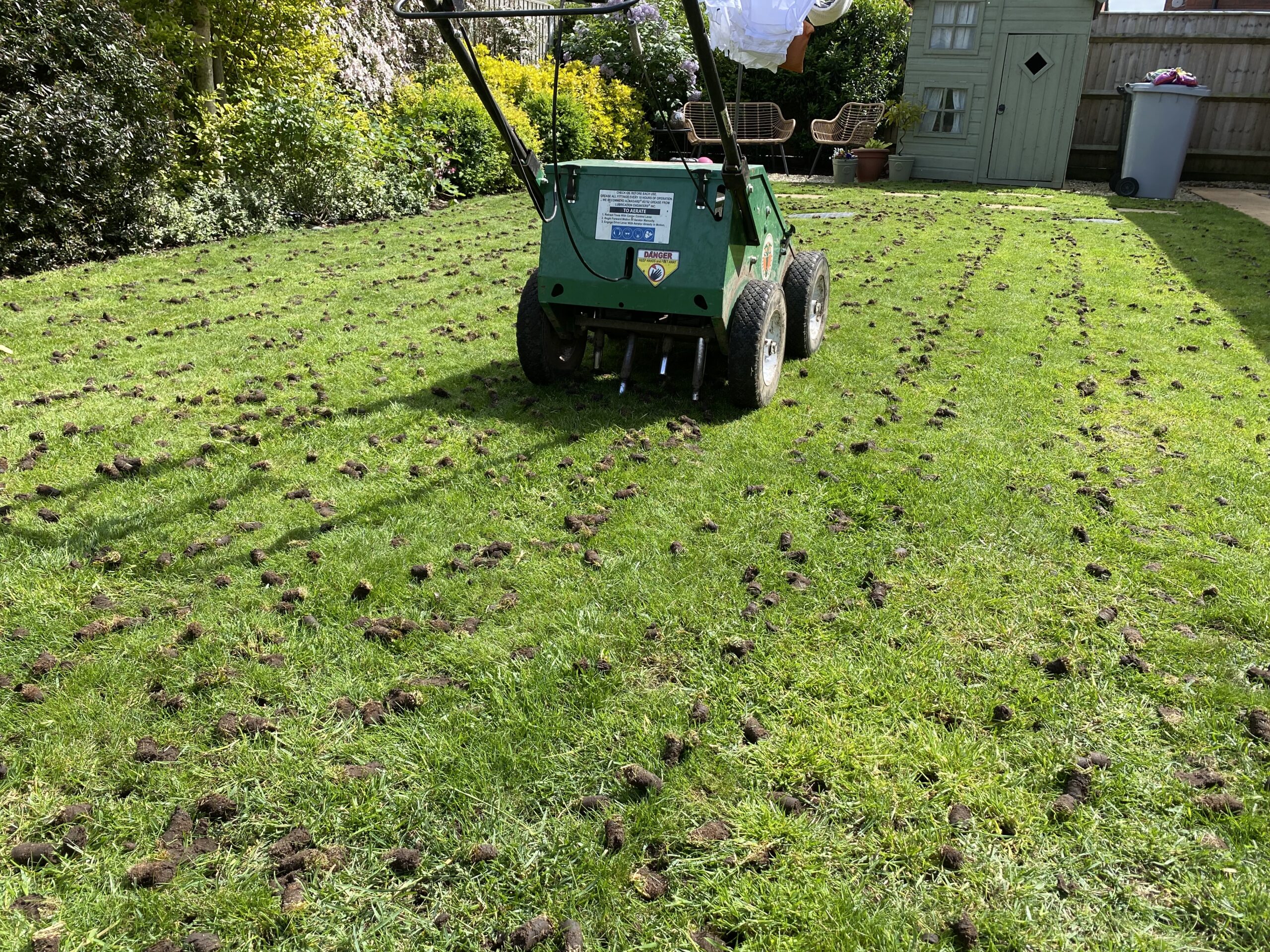
What Does a Lawn Look Like After Aeration
Stay Connected and Inspired
Get the latest landscaping tips, seasonal care guides, and exclusive offers delivered straight to your inbox. Don’t miss out on expert advice and ideas to transform your outdoor spaces.
Sign Up for Our Newsletter Today!





Transforming Huntsville & Madison yards since 2010 with expert landscape design, garden makeovers, mulching, and top-quality installations.


