Providing Best Services in Huntsville & Madison, AL


Follow us on Social.





Sep 7, 2026

3 min

Lawn Care
How Long for Lawn Aeration to Show Results
You will typically start to see visible results from lawn aeration within 2 to 4 weeks. The small soil plugs left on your lawn break down and disappear in 1 to 2 weeks. You notice greener color and better growth by weeks 2 to 4, and the lawn looks much thicker and healthier by weeks 4 to 6, especially when you add fertilizer or new grass seed after aerating. The speed of results depends on your grass type, how compacted the soil was before aeration, the time of year, and how well you care for the lawn afterward. This article covers the full timeline of lawn aeration results, what factors affect speed, what to do after aerating, and when to schedule aeration for the best outcome.
How Does Lawn Aeration Show Results Over Time?
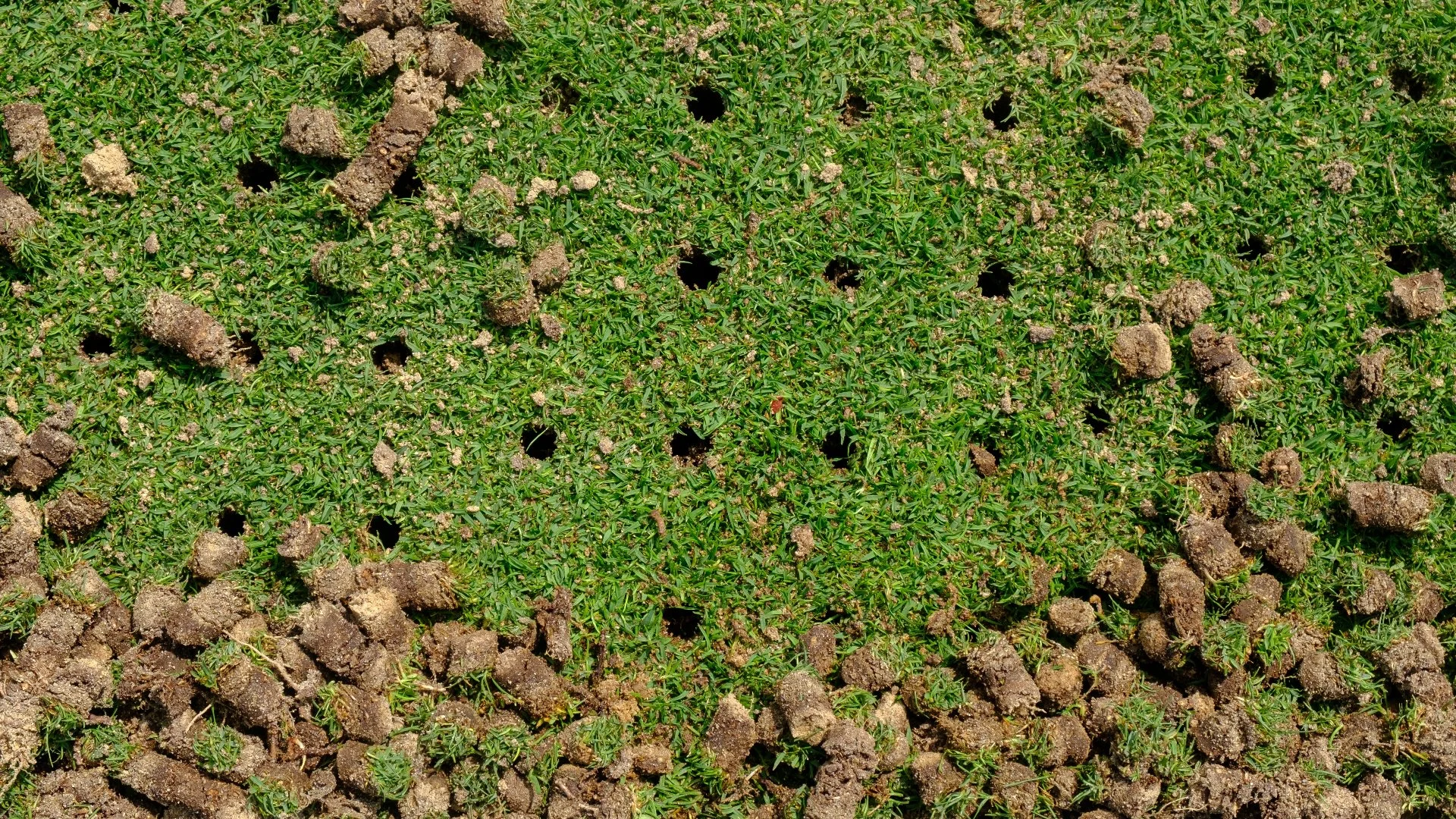
Lawn aeration shows results gradually because the improvements happen below the surface before they become visible above ground. Core aeration pulls small plugs of soil from the lawn, typically 1/2 to 3/4 inch in diameter and 2 to 4 inches deep, according to the University of Maryland Extension. Those holes relieve soil compaction and create channels for air, water, and nutrients to reach grass roots directly. The root zone responds first, and the grass blades follow weeks later.
The timeline below breaks down what happens at each stage after core aeration, based on whether aeration is performed alone or paired with overseeding and fertilization. Most homeowners see the most dramatic improvement when aeration is combined with at least one additional treatment.
TimeframeAeration OnlyAeration + Overseeding + Fertilizer1 to 2 WeeksSoil plugs decompose; water absorption improves; surface feels softer underfootSoil plugs decompose; new grass seed germinates; fertilizer reaches root zone through open channels2 to 4 WeeksGrass begins greening up more evenly; reduced water runoff; less puddling after rainNew seedlings emerge; existing grass responds to fertilizer with stronger color and growth4 to 6 WeeksTurf density increases; thin spots begin filling in from root expansionNew grass fills bare areas; lawn appears noticeably thicker, greener, and more uniform
The University of Maryland Extension notes that a compacted layer as thin as 1/4 to 1/2 inch can greatly impede water infiltration and gas exchange between soil and atmosphere. Core aeration breaks through that compacted layer immediately, which is why water absorption often improves within the first week. The visible grass response takes longer because roots need time to expand into the newly opened soil channels before the blades above ground grow thicker and greener.
How Does Aeration Help Grass Grow?
Aeration helps grass grow by relieving soil compaction and restoring the flow of oxygen, water, and nutrients to the root zone. Roots make up 90% of the grass plant, according to Kansas State University Extension, and those roots need oxygen to function. Compacted soil squeezes the air pockets out of the ground, suffocating roots and slowing growth. Core aeration reopens those air pockets by physically removing plugs of soil and creating vertical channels that reach 2 to 4 inches into the ground.
Oxygen entering the soil through aeration holes does more than feed roots directly. Oxygen fuels the soil microbes that break down organic matter into plant-available nutrients. Microbial activity increases within days of aeration as oxygen levels rise in the root zone. Those microbes convert thatch, decomposing grass clippings, and organic material into nitrogen, phosphorus, and potassium that roots absorb for growth. Stronger microbial activity also accelerates thatch decomposition, preventing the buildup of dead material that blocks water and fertilizer from reaching the soil.
Core aeration also severs stolons and rhizomes as the machine pulls plugs from the turf. Clemson University Extension explains that this severing stimulates grass plants to produce new shoots and roots that fill the holes, increasing turf density over the following weeks. The combination of improved oxygen flow, increased microbial activity, and stimulated new growth is why aeration produces visible results in a relatively short window. Homeowners dealing with compacted yards often notice the most dramatic improvement after soil amendment work combined with aeration.
What to Do Immediately After Aerating a Lawn?
The best things to do immediately after aerating a lawn are to leave the soil plugs in place, water the lawn deeply, apply fertilizer, and overseed any thin or bare areas. Each of these steps takes advantage of the open soil channels that aeration creates, delivering resources directly to the root zone while the holes are fresh.
- Leave the soil plugs on the surface. They break down naturally within 1 to 2 weeks and return nutrients back into the soil as they decompose. Raking or removing plugs eliminates that benefit.
- Water the lawn thoroughly within 24 hours of aeration. Deep watering pushes moisture directly into the root zone through the new channels and helps soil plugs begin breaking down.
- Apply fertilizer the same day or within 48 hours. Nutrients travel through the aeration holes and reach roots more efficiently than they would on compacted soil. This is the single biggest accelerator of visible aeration results.
- Overseed thin or bare areas immediately after aerating. The holes create ideal seed-to-soil contact that dramatically improves germination rates compared to broadcasting seed on undisturbed turf.
- Reduce foot traffic for at least 2 weeks. Walking on freshly aerated soil compresses the channels before roots have time to expand into them.
Should You Water Your Lawn After Aeration?
Yes, you should water your lawn after aeration. Deep watering within the first 24 hours helps moisture penetrate through the new soil channels and reach the root zone. Water the lawn with approximately 1 inch of irrigation, delivered slowly enough that it soaks in rather than running off. Consistent moisture in the days following aeration supports root expansion and helps the soil plugs decompose faster.
Lawns that were overseeded after aeration need more frequent watering during the germination period. Water 2 to 3 times per day for about 10 minutes each session to keep the seed moist without flooding the surface. Once seedlings emerge, reduce watering to once daily, then transition to deeper, less frequent irrigation to encourage deep root development.
Can I Put Down Grass Seed Right After Aerating?
Yes, you can put down grass seed right after aerating, and it is one of the most effective times to overseed. The aeration holes create direct contact between the seed and the soil beneath the thatch layer. Seeds that fall into aeration holes germinate faster and establish stronger root systems than seeds sitting on the surface. Ryegrass seedlings typically emerge within about 14 days after overseeding, while Kentucky bluegrass takes 3 to 4 weeks before it appears above ground.
Is It Better to Fertilize Before or After Aeration?
It is better to fertilize after aeration. Applying fertilizer after aeration allows nutrients to travel through the open soil channels directly to the root zone, where grass plants absorb them most efficiently. Fertilizing before aeration wastes a portion of the application because compacted soil blocks nutrient penetration. The combination of aeration followed by fertilization is one of the fastest ways to accelerate visible lawn improvement, often producing noticeable greening within 2 to 3 weeks.
What Factors Affect How Quickly Aeration Results Appear?
Several factors affect how quickly aeration results appear, and not all lawns respond at the same speed. Lawns with severe compaction or poor soil structure may take longer to show visible improvement but often experience the most significant long-term benefits. The variables that matter most are grass type, soil composition, compaction severity, seasonal timing, and post-aeration care.
- Grass type: Cool-season grasses like fescue and bluegrass fill aeration holes within 2 to 4 weeks during fall's active growth period. Warm-season grasses like bermuda and zoysia recover in 2 to 3 weeks during late spring, according to multiple university extension sources.
- Soil type: Clay-heavy soils common across North Alabama compact more severely than sandy or loamy soils, meaning aeration produces more dramatic improvement in clay but may take slightly longer to show full results because clay drains more slowly.
- Compaction severity: Lightly compacted lawns respond faster than heavily compacted ones. Properties with years of foot traffic, pet runs, or construction equipment damage carry deeper compaction that requires multiple aeration cycles to fully resolve.
- Season: Aeration during the lawn's active growth period produces the fastest visible results because roots are actively expanding. Aerating during dormancy or heat stress delays recovery significantly.
- Post-aeration care: Lawns that receive fertilizer, overseeding, and proper watering after aeration show results 2 to 3 weeks faster than lawns that receive aeration alone.
Choosing the right grass type for your climate and soil conditions determines how effectively the lawn responds to aeration over time. Lawns planted with grass varieties suited to their environment recover faster and sustain aeration benefits longer than lawns struggling with a mismatched species.
What Is the Best Month to Aerate Your Lawn?
The best month to aerate your lawn depends on whether you have cool-season or warm-season grass. For cool-season grasses like fescue, bluegrass, and ryegrass, the best time to aerate is early fall, from late August through October, at least 6 weeks before the first frost. For warm-season grasses like bermuda, zoysia, and centipede, late spring through early summer is the best window, typically May through June when soil temperatures rise above 65°F.
Dr. Grady Miller, professor and extension turfgrass specialist at North Carolina State University, advises aerating when the grass is actively growing. Cool-season grasses grow best in fall, so fall aeration gives those lawns maximum recovery time. Warm-season grasses grow best in late spring and summer, making that the ideal aeration window for southern lawns.
In North Alabama's transition zone, homeowners often have both warm-season and cool-season grasses in their yards. Properties with bermuda or zoysia lawns should aerate in May or June. Properties with fescue should target September or October. Professional landscape design can help determine the right grass type and aeration timing for each section of a yard.
When Should You Not Aerate Your Lawn?
You should not aerate your lawn when the grass is dormant, during extreme heat, during drought stress, or when the soil is saturated with water. Aerating dormant grass opens the soil to weed invasion without any recovery benefit because the grass is not actively growing to fill the holes. Aerating waterlogged soil clogs the machine tines and smears the hole walls, which actually increases compaction around each hole rather than relieving it. The University of Maryland Extension recommends aerating only when soil is moist but not wet, and only when desirable grasses are growing vigorously.
How Often Should You Aerate Your Lawn?
How often you should aerate your lawn depends on how much traffic and compaction it receives. The University of Maryland Extension recommends core aeration every 1 to 2 years for lawns with heavy foot traffic, pet activity, or equipment use. Standard home lawns with light to moderate use need aeration every 2 to 4 years. Lawns on clay-heavy soil benefit from annual aeration because clay compacts faster and more severely than sandy or loamy soil types.
Each aeration cycle builds on the previous one. The first aeration breaks the initial compaction layer and opens channels for roots to expand. Subsequent aerations maintain those channels, deepen root penetration, and prevent the soil from compacting back to its original density. Homeowners who aerate consistently over multiple years develop deeper root systems, thicker turf, and greater drought tolerance compared to lawns that receive aeration only once.
Do You Fill Holes After Aerating a Lawn?
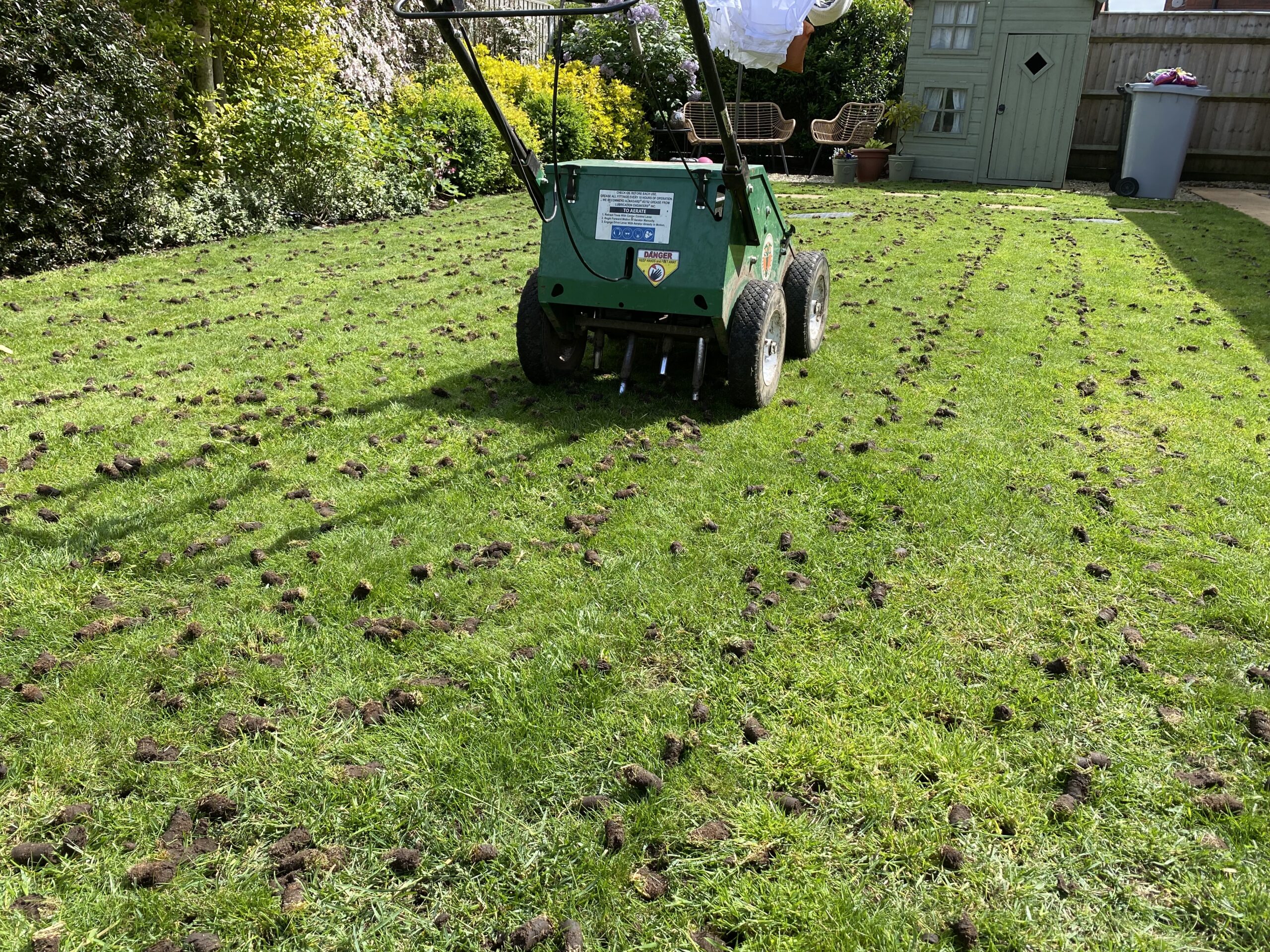
No, you do not fill holes after aerating a lawn. The soil plugs that sit on the surface after aeration should be left in place. Those plugs break down naturally within 1 to 2 weeks, depending on rainfall, irrigation, and soil composition. As the plugs decompose, they return organic matter and nutrients back into the soil, acting as a natural topdressing that benefits the lawn.
The holes themselves serve an important purpose while they remain open. Air, water, and fertilizer travel through those channels directly to the root zone. Roots expand laterally into the open space around each hole, increasing turf density over the following weeks. Filling the holes with sand, topsoil, or any other material eliminates the air channels and defeats the purpose of aeration. The one exception is topdressing with compost after aeration, which adds organic matter to the soil profile without sealing the channels shut. Homeowners dealing with yard drainage issues often combine aeration with compost topdressing for maximum soil structure improvement.
How Long After Aeration Can I Mow?
You can mow your lawn approximately 1 to 2 weeks after aeration, once the soil plugs have broken down and the grass has had time to begin recovering. Mowing too soon after aeration can damage new grass seedlings, compact the freshly loosened soil under mower wheels, and pull plugs around the yard before they decompose. Waiting at least a full week gives roots time to start expanding into the aeration channels before the lawn experiences traffic from mowing equipment.
When you do mow after aeration, set the mower blade to a standard height for your grass type. Avoid cutting more than one-third of the blade height in a single mowing session. Removing too much leaf tissue at once stresses grass that is already recovering from the aeration process. Sharp mower blades produce clean cuts that heal faster than ragged tears from dull blades.
How Deep Does Aeration Go?
Core aeration typically goes 2 to 4 inches deep into the soil. The University of Maryland Extension reports that core aerators pull plugs approximately 1/2 to 3/4 inch in diameter, 2 to 4 inches deep, and 2 to 6 inches apart across the lawn surface. That depth reaches through the primary compaction zone, which Clemson University Extension identifies as the top 4 to 6 inches of soil.
Aeration depth matters because shallow passes fail to reach the compacted layer that restricts root growth and water infiltration. Soil should be moist before aeration to allow the tines to penetrate to full depth. Dry, hard soil resists penetration and produces shallow, crumbling plugs that provide minimal benefit. Watering the lawn with about 1 inch of irrigation the day before aeration ensures the machine pulls clean, full-depth plugs.
Spike aerators and solid-tine machines should not be confused with core aerators. The University of Maryland Extension warns that equipment using solid tines or spikes actually increases soil compaction by compressing the soil into a denser mass around each hole. Only hollow-tine core aerators that physically remove plugs of soil provide genuine compaction relief. Professional soil repair services use commercial-grade core aerators that pull consistent plugs at the proper depth and spacing.
Does Aeration Help With Drainage?
Yes, aeration helps with drainage by breaking up compacted soil and creating channels that allow water to infiltrate the ground rather than pooling on the surface or running off. Compacted soil acts like a barrier that forces rainwater and irrigation sideways across the lawn instead of downward into the root zone. Core aeration punches through that barrier and restores vertical water movement into the soil profile.
Crabapple LandscapExperts reports that core aeration can produce up to 25% water savings by reducing runoff and improving irrigation efficiency. Mississippi State University Extension notes that severely compacted soils cause annual yield losses of 20 to 40% in turfgrass and forage, largely because water and nutrients cannot reach the root zone. Aeration directly addresses both problems by opening the soil to absorb what the grass needs.
Properties with persistent standing water, muddy spots, or erosion problems may need more than aeration alone. Professional drainage solutions like French drains or regrading address water flow at the property level, while aeration improves the soil's ability to absorb water at the turf level. Combining both approaches produces the most complete drainage improvement for lawns that struggle with excess water.
Frequently Asked Questions
Is It Necessary to Add Sand to My Lawn After Aerating It?
No, it is not necessary to add sand to your lawn after aerating it. Sand topdressing is primarily used on golf course greens and sports turf to modify soil composition over time. For home lawns, adding sand can disrupt the soil profile and create layering problems that worsen drainage rather than improving it. Compost is a better topdressing option after aeration because it adds organic matter that feeds soil microbes and improves soil structure without creating drainage layers.
What Is the Fastest Way to Aerate a Lawn?
The fastest way to aerate a lawn is with a powered walk-behind core aerator or a tow-behind core aerator attached to a riding mower. Powered core aerators cover a standard residential lawn in 30 to 60 minutes, depending on yard size and soil conditions. Manual spike tools and foot-press aerators work for very small areas but take significantly longer and produce less effective results than hollow-tine core machines.
Can You Aerate Too Much?
Yes, you can aerate too much. Over-aerating stresses grass by repeatedly severing roots and stolons before they have time to recover from the previous aeration. Most home lawns need aeration only once or twice per year. High-traffic commercial properties may benefit from more frequent aeration, but standard residential lawns perform best with one fall aeration for cool-season grass or one spring aeration for warm-season grass.
Does Aeration Help With Thatch?
Yes, aeration helps with thatch. Core aeration breaks through the thatch layer and deposits soil microbes from the plugs directly onto the thatch surface. Those microbes accelerate thatch decomposition by feeding on the dead organic material. Aeration also improves oxygen flow to the thatch zone, which speeds up the natural breakdown process. Lawns with thatch layers exceeding 1/2 inch benefit significantly from annual core aeration.
How Long Do Aeration Plugs Take to Break Down?
Aeration plugs take 1 to 2 weeks to break down under normal conditions. Rainfall, irrigation, and mowing activity speed up plug decomposition. Plugs on clay-heavy soil may take slightly longer to break apart than plugs on sandy or loamy soil. Running a lawn mower over dried plugs helps crumble them and redistribute the soil across the lawn surface.
The Takeaway
Lawn aeration produces visible results within 2 to 4 weeks for most lawns, with the most dramatic improvements appearing by weeks 4 to 6 when aeration is paired with fertilization or overseeding. The process works by relieving soil compaction, restoring airflow to the root zone, and creating channels for water and nutrients to reach grass roots directly. Proper timing, post-aeration care, and consistent annual scheduling turn a single aeration into a long-term improvement strategy that builds thicker, healthier turf year after year.
If your lawn feels hard underfoot, drains poorly after rain, or looks thin despite regular watering and fertilizing, compaction is likely the issue. We help homeowners across North Alabama address compacted soil, poor drainage, and struggling turf through professional landscape installation and soil health services. Reach out to us at White Shovel Landscapes or call 256-612-4439 for a free estimate.



You May Also Like

Sep 12, 2026
3 min
How to Keep Landscape Edging Straight

Sep 11, 2026
3 min
How to Decorate a Patio: Ideas for 2025 and 2026
Sep 9, 2026
3 min
How to Trim Around Landscape Edging
Sep 7, 2026
3 min
What Does a Lawn Look Like After Aeration
Have a Project in Mind?
If this post sounds like your yard, tell us about it. Request an estimate online or give us a call, and we’ll talk through what your property needs.




Transforming Huntsville & Madison yards since 2011 with expert landscape design, garden makeovers, mulching, and top-quality installations.


